NFPA 1900 Section 12.4 SCBA Storage Requirements on Fire Apparatus
Quick Answer: NFPA 1900 Section 12.4 sets clear rules for how SCBA must be stored on fire apparatus so gear stays protected, ready, and easy to reach. Proper storage helps reduce damage, limits contamination, and supports faster response. For industrial, commercial, and facility teams, that means better safety and less drama when every second counts.
In the world of emergency response, small details can carry a very large weight. The SCBA storage fire truck NFPA 1901 topic sits right in that space, where design, safety, and readiness meet. Section 12.4 of NFPA 1900 builds on the same practical idea: self contained breathing apparatus must stay secure, protected, and available when crews need it most. For industrial sites, retail hubs, commercial buildings, and large facilities, that standard is not just paperwork. It is part of keeping people safe, assets protected, and response times sharp.
That same readiness mindset shows up across broader fire protection planning too. Near the top of the checklist for many facilities is making sure connected systems stay inspection ready, which is why full fire protection services often fit naturally into the conversation. Apparatus storage might sound like one narrow detail, but the truth is it lives inside a much bigger ecosystem of access, maintenance, layout, training, and operational common sense.
What NFPA 1900 Section 12.4 requires
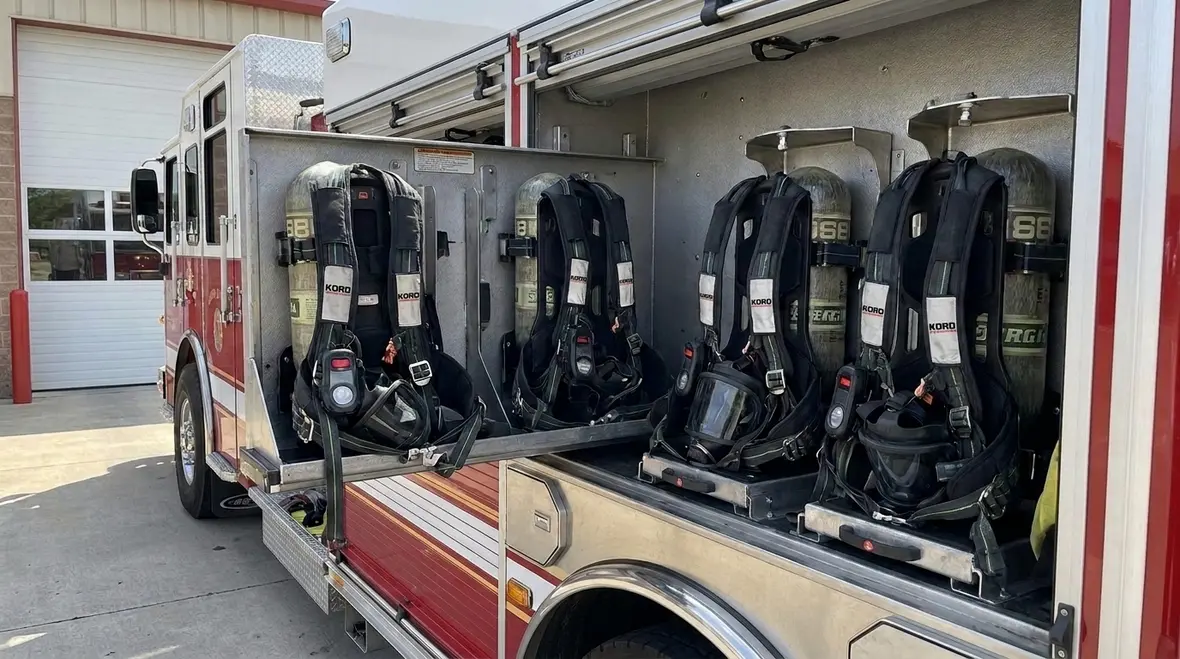
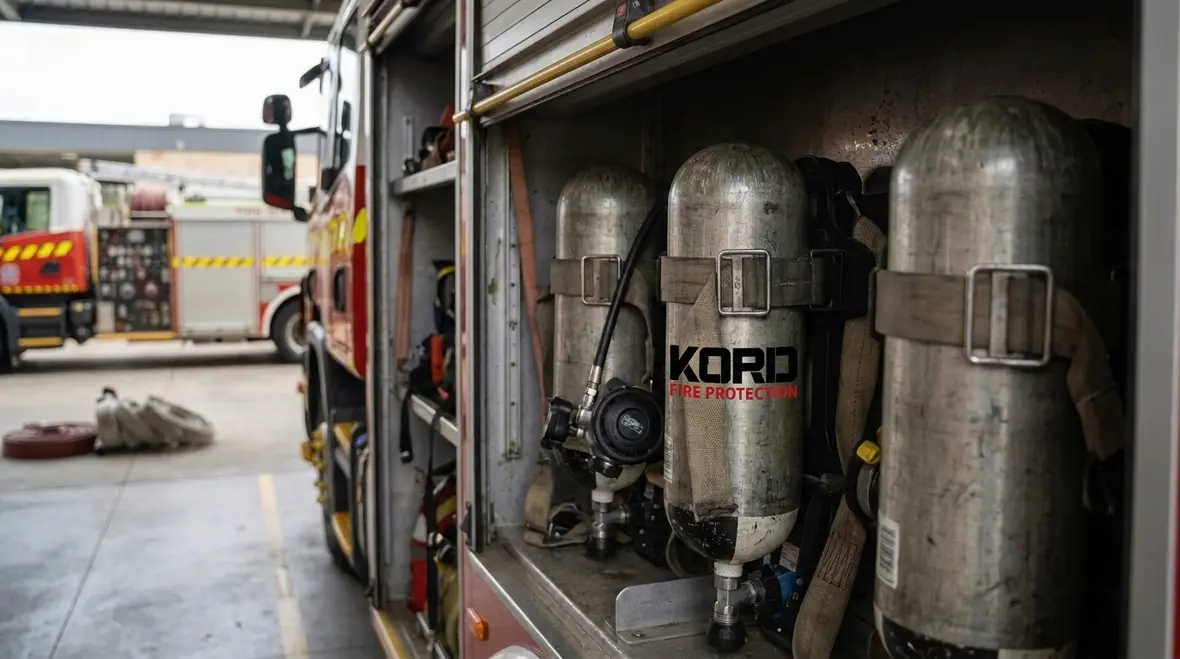
NFPA 1900 Section 12.4 focuses on how SCBA storage should work on fire apparatus. The main goal is simple: keep breathing equipment safe from damage, heat, dirt, and rough handling. At the same time, the storage setup must let firefighters access the gear quickly. In other words, the truck should not turn into a puzzle box when a crew is already under pressure.
The standard expects storage locations to support fast removal, secure retention during travel, and protection from environmental wear. That matters because SCBA units are not spare parts. They are life support equipment. If the gear shifts, gets crushed, or picks up contamination, the whole response suffers.
The practical meaning behind the rule
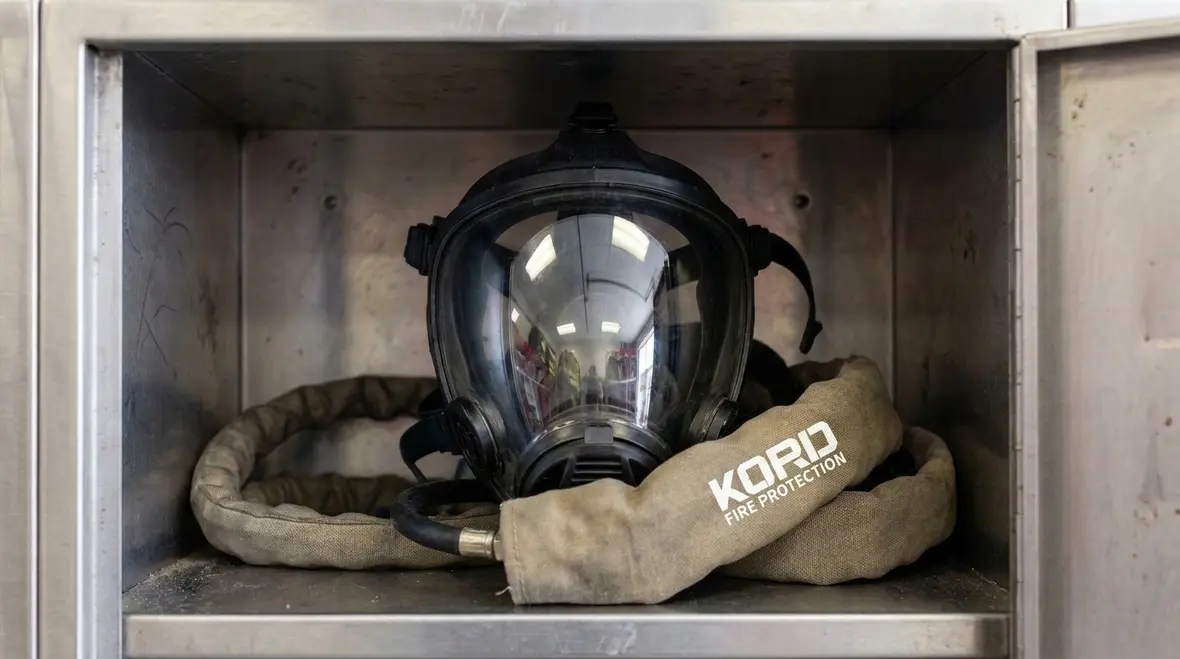
A standard like this is easy to read as a technical checklist, but the practical meaning is much more direct. Secure storage protects cylinders, facepieces, regulators, straps, and harness assemblies from the kind of wear that slowly turns reliability into a question mark. And that is not a fun surprise to discover while smoke is thick, visibility is poor, and the clock is behaving like a villain.
It also helps create consistency across crews. If each unit is stored in a way that is stable, repeatable, and easy to reach, firefighters can build muscle memory around retrieval and donning. In emergency work, that kind of consistency is gold. It shortens hesitation, reduces awkward movement, and cuts down on the tiny delays that feel much bigger when an incident is already moving fast.
Why SCBA storage matters on the fire truck
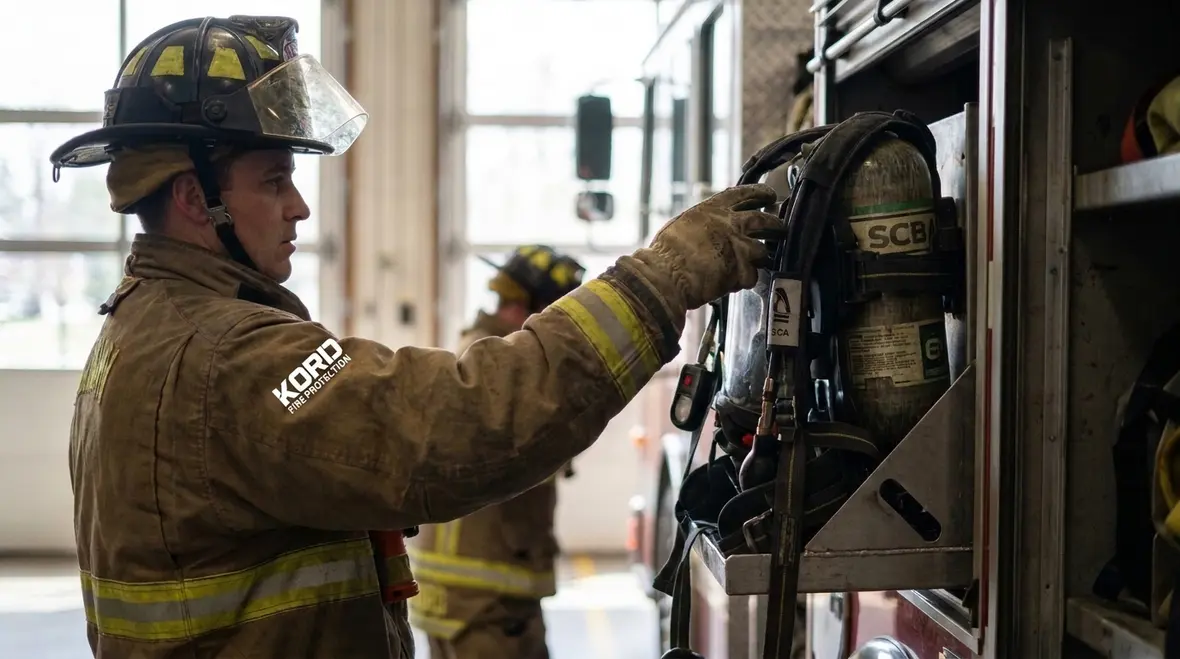
Good storage does more than keep the truck tidy. It helps preserve the condition of the SCBA, lowers the chance of damage during motion, and supports a cleaner path to use at the scene. Fire apparatus move hard, stop fast, and often work in rough conditions. Therefore, the storage system must hold gear firmly without making it hard to grab in a hurry.
For industrial and commercial operations, this same logic applies to readiness planning. A well designed SCBA storage setup can reduce delays, improve crew confidence, and support safer operations during plant incidents, warehouse fires, and hazardous atmosphere events. As any seasoned response officer knows, fumbling for gear is a terrible hobby.
Protection, access, and speed all work together
There is sometimes a temptation to think of apparatus storage as a simple mounting problem. Bolt it down, call it a day, move on. But real world use is not that forgiving. Storage has to work while the vehicle is moving, while crews are stepping in and out with gloves on, and while the apparatus itself is exposed to dust, weather, impact, vibration, and constant use. That means protection and accessibility have to be solved at the same time.
When those two goals are balanced well, the benefits stack up quickly. Gear stays cleaner. Components last longer. Crews can retrieve units with fewer awkward motions. Training becomes simpler because everyone works from the same layout. And supervisors spend less time dealing with preventable damage that never should have happened in the first place.
How to meet the storage rules in daily operations
Meeting the standard starts with the basics. First, storage must keep the SCBA secured during travel. Second, the location should allow easy access without awkward lifting or extra steps. Third, the design should help protect cylinders, facepieces, regulators, and harnesses from wear.
To support that in daily service, teams should treat storage review as part of routine operational discipline rather than a one time design choice. Apparatus evolve, crews change, equipment models get updated, and response patterns shift over time. If the storage arrangement is never revisited, it can quietly become less effective even while looking perfectly normal from a distance.
- Secure mounting points that prevent movement
- Clear access paths for quick removal
- Space that avoids crushing straps or fittings
- Protection from heat, dust, and moisture
- Storage that fits the specific model carried on the apparatus
- Routine checks for bracket wear, loose hardware, and retention issues
- Training that confirms every crew member can remove and stage the unit smoothly
Consistency matters here. If one crew can grab a unit in seconds while another has to wrestle with a bracket like it owes money, the system needs work.
Simple habits that keep storage effective
The smartest daily habits are not flashy. They are repeatable. During inspections, crews can confirm that units seat properly, restraints latch correctly, and no component is rubbing against a hard edge. After calls, they can check whether the apparatus layout still supports the way the team actually deployed. If a bracket slows access, snags straps, or encourages awkward lifting, that issue should not be shrugged off just because everyone has learned to cope with it.
Dual view of compliance and response speed
| Compliance focus | Operational benefit |
| Secure SCBA retention during travel | Less damage and fewer equipment failures |
| Accessible placement on apparatus | Faster donning and faster scene entry |
| Protection from dirt and impact | Longer service life and better reliability |
| Proper fit for the apparatus layout | Smoother operations and easier crew training |
This balance is the heart of the standard. It is not enough to store gear somewhere. The storage method must help crews work faster and safer without turning the apparatus into a game of mechanical hide and seek.
That is also why standards work best when they are read through an operational lens. Compliance and performance are not opponents. They are teammates. If a storage solution technically holds the unit in place but makes removal clumsy, the crew pays for that weakness on scene. If access is easy but the equipment takes a beating during travel, the same problem just shows up later wearing different clothes.
How Kord Fire Protection can add real value
This is where Kord Fire Protection can become a vital partner. For services, jobs, and facilities that depend on apparatus readiness, Kord Fire Protection can help align storage design with practical use. That includes advising on layout, supporting equipment fit, and helping teams think through how SCBA storage works in the real world, not just on paper.
Because every apparatus and fleet setup can differ, the right partner can help bridge the gap between standards and daily operation. Moreover, Kord Fire Protection can support teams that need solutions built for busy sites, changing risks, and demanding response conditions. That kind of support can save time, reduce mistakes, and keep the gear ready when the alarm bell starts singing its usual bad news tune.
This article also fits naturally with Kord’s related guidance on the full lifecycle of fire protection servicing, because storage decisions rarely live alone. They connect to inspection planning, maintenance rhythm, equipment condition, replacement timing, and the bigger question of how a facility keeps response tools reliable year after year. And if your team is reviewing the newer standard directly, it also makes sense to reference NFPA 1900 Standard as part of that broader conversation.
What facilities should ask before upgrading apparatus storage
Before any upgrade, facility teams should ask a few direct questions. Does the current layout keep the SCBA secure in transit? Can crews remove the gear without delay? Will the setup protect the unit from wear over time? And does the arrangement fit the way crews actually work during incidents?
These questions matter because storage problems often show up at the worst possible moment. In industrial settings, that can mean a high heat zone, a smoke filled corridor, or a shutdown that costs time and money. Therefore, the storage plan should support both compliance and real use.
A short upgrade checklist
- Review whether the current bracket or compartment matches the SCBA model now in service
- Watch crews retrieve the unit during drills rather than relying only on design assumptions
- Check whether nearby tools, seats, or compartment doors interfere with access
- Look for contamination exposure from dust, moisture, or dirty equipment sharing the same space
- Confirm the layout supports repeatable training for every shift and every apparatus
FAQ for SCBA storage on fire apparatus
Final word
NFPA 1900 Section 12.4 is about more than storage. It is about keeping SCBA safe, accessible, and ready for action. For industrial, retail, and commercial facilities, that means stronger response support and fewer weak links. When teams want guidance that connects standards with real job demands, Kord Fire Protection can help move the plan from theory to practice.
And that, quite simply, is where readiness stops being a promise and starts being real. Good apparatus storage is not glamorous, but it is one of those behind the scenes decisions that quietly shapes response quality, equipment life, and crew confidence every single time the wheels start rolling.

Join Our Newsletter!
Get the latest fire safety tips delivered straight to your inbox From our Newsletter.