NFPA 1900 Section 11.3 Driving Compartment Requirements
Quick Answer: NFPA 1900 Section 11.3 sets the core expectations for the driving compartment in fire apparatus, with a focus on safety, seating, controls, visibility, and crew access. For industrial, commercial, and facility based fleets across Australia, strong cab design helps protect crews, improve response, and support long term reliability. That is where Kord Fire Protection can play a vital role.
Fire apparatus must do more than move fast. They must carry people safely, keep controls within reach, and reduce risk when every second matters. That is why fire truck cab design NFPA 1901 remains such a useful reference point, even as teams look at newer standards and tighter safety demands. In practice, the driving compartment is the front line before the front line. If it fails, the rest of the mission gets shaky very quickly. And nobody wants the cab of a fire appliance to behave like a shopping trolley with confidence issues.
Strong apparatus planning also fits best inside a broader commercial and industrial fire protection service strategy, because vehicle readiness works better when it supports the same safety goals as the site it serves. For facilities balancing compliance, response speed, and long term maintenance, that connection matters just as much as the hardware in the cab.
What Section 11.3 Covers in Practice
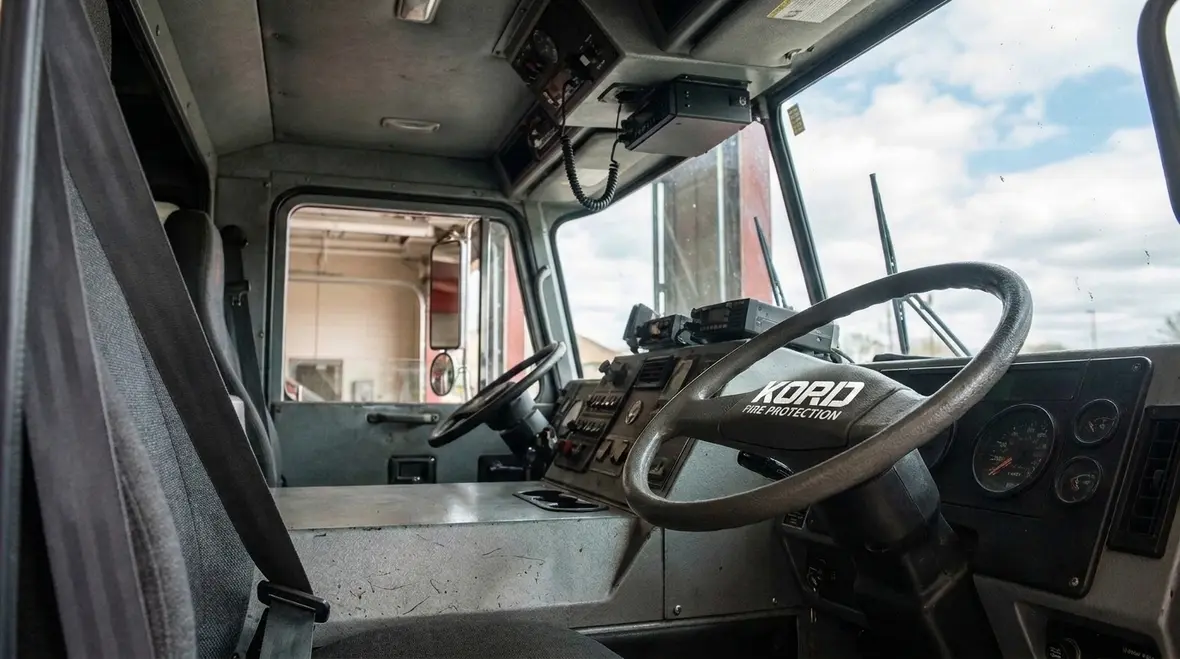
NFPA 1900 Section 11.3 focuses on the driving compartment and how it supports safe operation. It looks at how crew members sit, move, reach controls, and exit the vehicle. It also addresses the basic setup that helps drivers stay aware, steady, and ready during an emergency run.
For industrial and commercial fleets, this matters because response vehicles often work in tough environments. They may operate on site roads, in plant yards, at ports, or around warehouses. Therefore, the cab must reduce strain and support quick decision making. A well planned cab is not just comfortable. It is part of the safety system.
Why this matters beyond the checklist
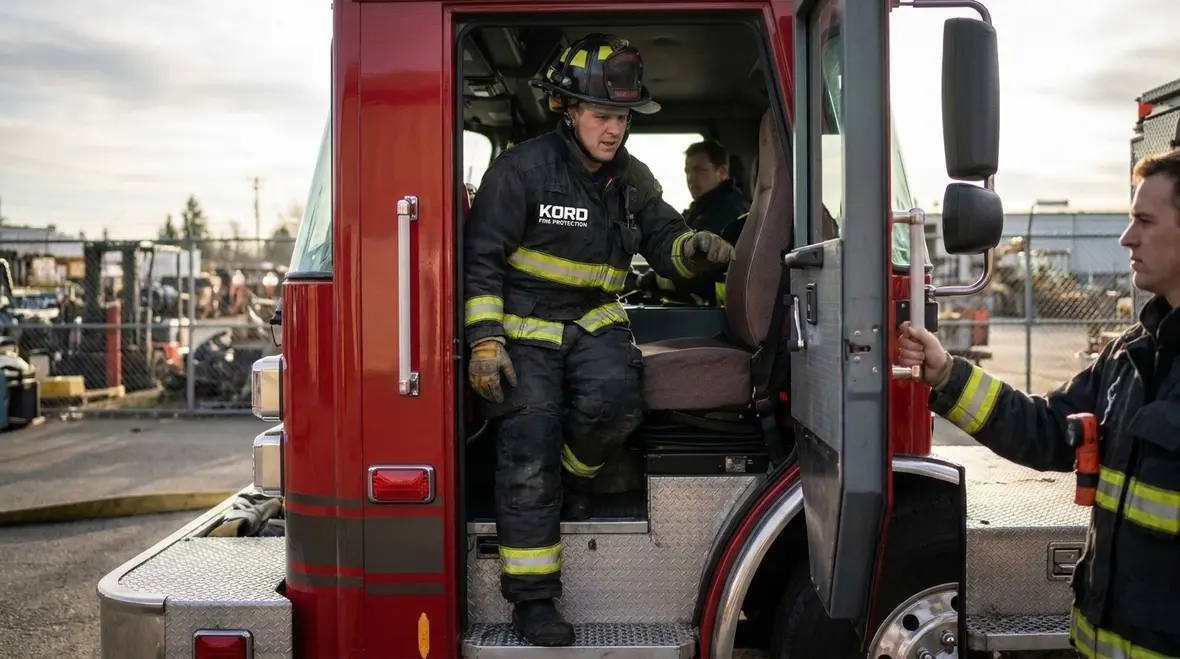
A standard can look dry on paper, but inside a working appliance it becomes very practical very fast. Seat angles affect posture. Reach zones affect reaction time. Door openings and step positions affect how smoothly crews enter and leave the vehicle under pressure. When a fleet manager reviews these items early, they are really reviewing how people will function on the worst day, not the easiest one.
Why the Cab Layout Matters for Crew Safety
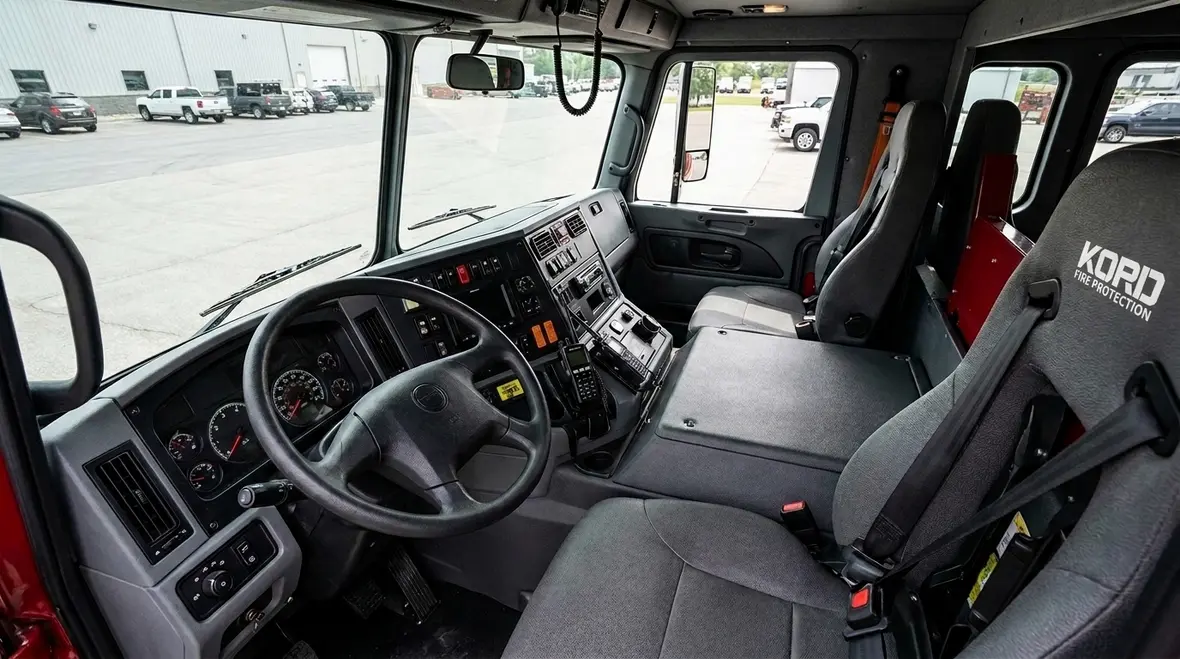
The cab is where the first risks show up. If seats, belts, handholds, and controls do not line up well, the crew takes longer to settle in and more time to do the job. That can raise fatigue and slow action. In a moving appliance, even small design flaws can create big problems.
NFPA based cab design helps reduce those risks by improving access and control. It supports better posture, safer entry and exit, and less clutter in the space where people must think and act fast. In other words, it keeps the crew focused on the incident, not wrestling with the cabin like it is a stubborn suitcase at the airport.
This matters even more for mixed use fleets serving industrial and facility based operations. Unlike a smooth demo run, real response driving can involve tight corners, uneven surfaces, traffic conflicts, weather, and site specific hazards that love to appear precisely when everyone is already busy. A safer cab layout gives crews one less thing to fight.
Driving Compartment Design Features Teams Should Check
Here are the main areas that deserve close attention when reviewing a fire apparatus cab:
- Seat placement that supports secure travel and fast movement
- Seat belts that are easy to use and fit properly
- Driver controls that sit within reach without awkward stretching
- Clear sight lines for road use and site movement
- Safe entry steps and handholds for quick access
- Space that reduces loose items and cabin clutter
- Materials and finishes that support durability and cleaning
These details may sound simple, yet they shape how the appliance performs every day. Furthermore, they affect comfort over long shifts, which matters a great deal for crews handling industrial or facility response work across Australia.
A practical review approach for buyers and fleet managers
When reviewing a cab, it helps to think in sequences rather than isolated features. How does the driver enter, sit, belt in, start, communicate, and move off? How does the crew board with gear, secure themselves, and prepare for arrival? If any step feels awkward in that chain, the design deserves another look. The smartest cab layouts tend to feel almost boring, and that is a compliment. Boring is excellent when the goal is predictable safety.
How fire truck cab design NFPA 1901 supports modern operations
Although NFPA 1900 is the main point here, fire truck cab design NFPA 1901 still gives useful context for how cab systems have evolved. It helped set expectations around safety, ergonomics, and practical crew layout. As standards moved forward, the core idea stayed the same: the cab must help the crew work, not fight the vehicle.
That idea still fits modern needs. Today, many fleets serve complex sites with long travel times, heavy traffic, and mixed on site hazards. Therefore, cab design must support fast gear up, clear communication, and reduced human error. A strong layout helps the crew stay sharp from the moment the alarm sounds to the moment they arrive.
Teams that want more context on how the standard framework has developed can also review NFPA 1900 standard guidance as part of a broader apparatus planning discussion. That kind of internal reference helps connect one section of the code to the larger design and compliance picture, which is far more useful than treating a single clause like it appeared out of thin air on a clipboard.
How Kord Fire Protection adds value to this service
Kord Fire Protection can become a vital partner by helping industrial, retail, commercial, and facility teams align their fire apparatus needs with real world use. Their role can go beyond supply and into practical support, planning, and guidance. That matters because the best apparatus decisions usually happen before delivery, not after the crew has already noticed what feels off.
They can help teams think through cab related requirements, safety priorities, and fit for purpose selection. They can also support broader fire protection goals by looking at how the vehicle fits the site, the risk, and the response model. As a result, the fleet becomes more effective and better matched to the job.
| Cab Design Priority | Operational Benefit |
| Seat and belt setup | Better crew safety during travel |
| Control reach and layout | Faster and smoother driving response |
| Access steps and handholds | Quicker entry and exit under pressure |
| Cab organization | Less clutter and fewer distractions |
| Partner support from Kord Fire Protection | Better planning, fit, and long term value |
This is also where a provider with a wider view of site protection becomes useful. A vehicle should not be chosen in isolation from alarms, suppression systems, water supply realities, maintenance resources, and the actual hazards on the property. Good planning connects those dots before the invoice arrives and before the crew starts inventing colorful nicknames for design choices that should have been solved earlier.
What Australian facilities should ask before buying or upgrading
Australian industrial and commercial sites should ask how the cab supports the full response chain. Does it let crews get seated fast? Can the driver reach key controls without strain? Does the layout suit the type of work the vehicle will do? These questions sound basic, yet they often uncover the difference between a decent apparatus and a truly dependable one.
They should also review how the vehicle fits local use. For example, site access, road conditions, response speed, and crew size can all affect the best cab setup. Therefore, buying decisions should reflect actual daily work, not only a brochure image that looks heroic under studio lighting.
Questions worth asking during specification review
- How easily can every rider enter and secure themselves while wearing normal response gear?
- Are the controls intuitive enough for consistent use across shifts and operators?
- Do sight lines stay clear in site traffic, gate access, loading zones, and tight turning areas?
- Will the cabin stay organized once radios, documents, PPE, chargers, and daily essentials are actually inside it?
- Can the selected layout support long term maintenance and cleaning without becoming a nuisance?
FAQ
Bring cab safety into the bigger fire protection plan
NFPA 1900 Section 11.3 reminds every fleet that the driving compartment is not a detail. It is the start of safe response. For industrial, retail, commercial, and facilities work across Australia, the right cab design improves daily performance and long term safety. Kord Fire Protection can help make that process clearer, smarter, and more useful.
Speak with Kord Fire Protection to align your apparatus choice with the job it must do. When the cab supports the crew properly, the whole response system gets steadier, safer, and far less likely to feel like it was assembled by committee during a coffee shortage.

Join Our Newsletter!
Get the latest fire safety tips delivered straight to your inbox From our Newsletter.