
NFPA 17A 4.6 Wet Chemical Agent Composition and Listing
Quick Answer
NFPA 17A governs wet chemical extinguishing systems used for Class K and similar hazards. For listed agents, the chemical formulation must meet specific performance and compatibility requirements. Potassium acetate is commonly used in these agents, typically at about 0.5% to 1.0% by concentration, as part of a listed formulation.
If you want a practical systems view before diving deeper into composition and listing, see wet chemical fire suppression systems and Range Guard.
What NFPA 17A 4.6 Requires for Wet Chemical Agent Composition
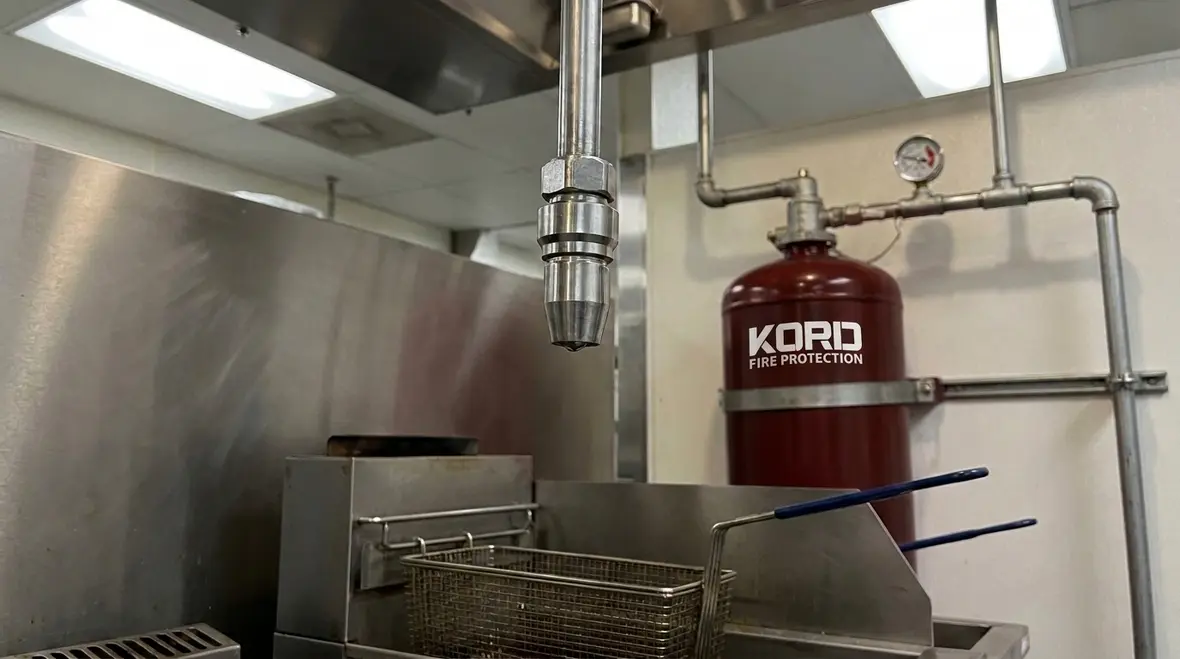
NFPA 17A sets the acceptance and performance expectations for wet chemical extinguishing systems, including how the agent is formulated and how it is evaluated for listing. Section 4.6 focuses on wet chemical agent composition and the conditions under which an agent is considered acceptable for use in listed systems. In practice, this means facilities cannot treat wet chemical mixes as generic products. They must use an agent that is specifically part of a listed system and supplied under the manufacturer’s listing documentation.
Commercial fire protection professionals evaluate agent composition for two overlapping reasons. First, the agent must generate the correct extinguishing action on the protected hazard, particularly for cooking oils and fats where foam blanket behavior and controlled cooling matter. Second, the formulation must remain compatible with the system’s nozzles, tanks, piping, and release components over the full inspection and service life.
NFPA 17A Wet Chemical Agent Composition: Where Potassium Acetate Fits
Many listed wet chemical agents use potassium acetate as a primary active component in the formulation. The NFPA 17A wet chemical agent composition potassium acetate concentration often falls in the range of about 0.5% to 1.0% within the overall listed agent mix. The concentration alone does not define compliance. NFPA 17A requires that the agent and the system are listed as a matched design and evaluated for performance as installed.
In the field, the practical compliance challenge is that kitchens and industrial process areas frequently change through remodels, filter replacements, hood modifications, and nozzle service intervals. Any of these changes can expose operational issues if the facility tries to substitute agent or top off with a non listed product. Even if a chemical resembles the original, viscosity, pH characteristics, corrosion behavior, and reaction timing can differ enough to alter suppression performance.
How Listed Agent Chemistry Impacts System Operation
A wet chemical system depends on consistent agent properties to achieve correct discharge behavior and suppression performance. Agent composition influences several operational mechanisms:
-
Flow characteristics and nozzle discharge pattern: Listed formulations support predictable spray behavior and blanket formation. If the solution is outside listed parameters, discharge may be uneven, affecting coverage.
-
Corrosion control and material compatibility: Wet chemical agents contact tanks, plumbing, and discharge devices. Potassium acetate based formulations are engineered to control corrosion within the system design envelope, but that protection relies on using the correct listed agent and maintaining required service practices.
-
Blanket and re flash resistance: For cooking hazards, the extinguishing mechanism includes foam blanket behavior that reduces oxygen exposure and helps prevent reignition. Agent chemistry affects how the blanket forms and how it persists long enough for safe shutdown and exposure control.
For commercial and retail facilities, the operational reality is that systems often sit idle for long periods. Agent properties can drift when exposed to improper storage, contamination, temperature cycling, or incorrect mixing practices. Routine inspections and correct service procedures help confirm the system remains within listing intent.
Listing and Compliance: What Inspectors Typically Verify
When compliance teams verify wet chemical systems, they focus on evidence that the system remains as listed and installed. This includes the agent as supplied, correct components, correct labeling, and documented service history. Facility managers should expect attention on the following items:
-
Documentation alignment: The system nameplate, listing documentation, and the agent supply must match the manufacturer’s listed system configuration.
-
Agent condition: Inspectors and service technicians evaluate whether the agent has been maintained according to the manufacturer’s schedule, including periodic replacement or testing where required by the listing and installation standard.
-
Nozzle and distribution integrity: Blockage, damage, and misalignment can defeat the purpose of a correct agent formulation. Even a properly composed potassium acetate solution cannot compensate for failed distribution components.
-
Mechanical reliability: Actuation devices, valves, tubing, and piping must operate correctly after years of environmental exposure.
Because agent composition is part of a system listing, facilities should also coordinate with a qualified service partner for testing and maintenance. Kord Fire Protection supports ongoing compliance efforts by aligning agent service and system checks with the listing intent, helping reduce downtime risk and avoiding costly rework during inspections.
For additional context on how wet chemical systems integrate into broader fire safety design, see enhancing fire safety with NFPA 17A wet chemical extinguishing systems.
Common Field Failure Points Related to Agent Composition and Service
Wet chemical systems can pass an initial install inspection and still fail when service is inconsistent. The most common issues in commercial, industrial, and retail environments include:
-
Improper agent top offs: Facilities sometimes attempt partial replenishment to reduce cost. This can introduce chemistry drift if the agent is not the exact listed formulation and concentration range.
-
Contamination: Dust, cleaning chemicals, or incorrect handling during maintenance can affect solution properties and suppression performance.
-
Temperature and storage variability: Warehouses, loading docks, and kitchens experience cycling conditions. If maintenance practices ignore storage guidance, the system may not discharge as expected.
-
Corrosion and component wear: Even with a formulation designed around corrosion control, degraded hoses, weakened fasteners, or compromised seals can prevent full, correct discharge.
-
Blocked or damaged nozzles: Grease, debris, and accidental impact can disrupt distribution. Maintenance must address both chemistry and hardware.
To reduce these risks, facilities should adopt a disciplined maintenance workflow that includes documented inspections, component verification, and verified agent service. Kord Fire Protection works as a practical partner for commercial sites needing repeatable compliance outcomes and service-ready processes. For broader system planning considerations, review fire suppression systems.
Operational Best Practices for Commercial Facilities
Beyond meeting the letter of NFPA 17A 4.6, commercial operators must manage the operational conditions that can drive agent degradation or system performance issues. The following practices support dependable readiness:
-
Control change management: When a kitchen remodel, hood replacement, or piping modification occurs, facilities should coordinate with the fire protection designer or service provider before finalizing changes.
-
Maintain proper nozzle and surface cleanliness: Grease accumulation and physical damage often develop faster than scheduled inspections. Spot checks after maintenance activities can prevent distribution failure.
-
Use listed supply and service procedures: Agent replacement and any handling must follow manufacturer procedures to preserve listing integrity and performance.
-
Schedule routine testing and verification: Test planning should account for business hours, cooking cycles, and production impacts. Early coordination reduces emergency callouts.
-
Verify water supply and hydraulics where applicable: Some suppression system designs interface with pumps or water supplies for auxiliary functions. Coordination with credible resources on fire pump roles and reliability can support the overall system readiness strategy. See firepumps.org for background on fire pump considerations.
Commercial facilities that treat wet chemical systems as ongoing life safety equipment, not a one time install, typically experience fewer inspection defects and faster restoration after testing or component service.
Why the matched listed formulation matters more than guesswork
A wet chemical system is engineered as a package. The agent, cylinder, piping, discharge pattern, and protected hazard all work together. Swap one piece casually and the whole setup can go from compliant to confidently wrong, which is not the sort of confidence anyone should be bringing into a commercial kitchen.
That is why listed supply, disciplined servicing, and documented maintenance matter so much in real facilities. The goal is not just to have a tank on the wall that looks reassuring. The goal is to have a system that actually performs when hot oil decides to become the main character.
Frequently Asked Questions
Conclusion and Call to Action
NFPA 17A 4.6 treats wet chemical agent composition as part of a listed system performance package, not a standalone chemical specification. Potassium acetate is often used in listed agents, commonly around 0.5% to 1.0%, but compliance requires using the correct listed formulation and maintaining system hardware integrity. Schedule a maintenance and compliance review with Kord Fire Protection to confirm your agent, nozzles, and inspection records align with listing expectations and commercial facility standards.

Join Our Newsletter!
Get the latest fire safety tips delivered straight to your inbox From our Newsletter.



