
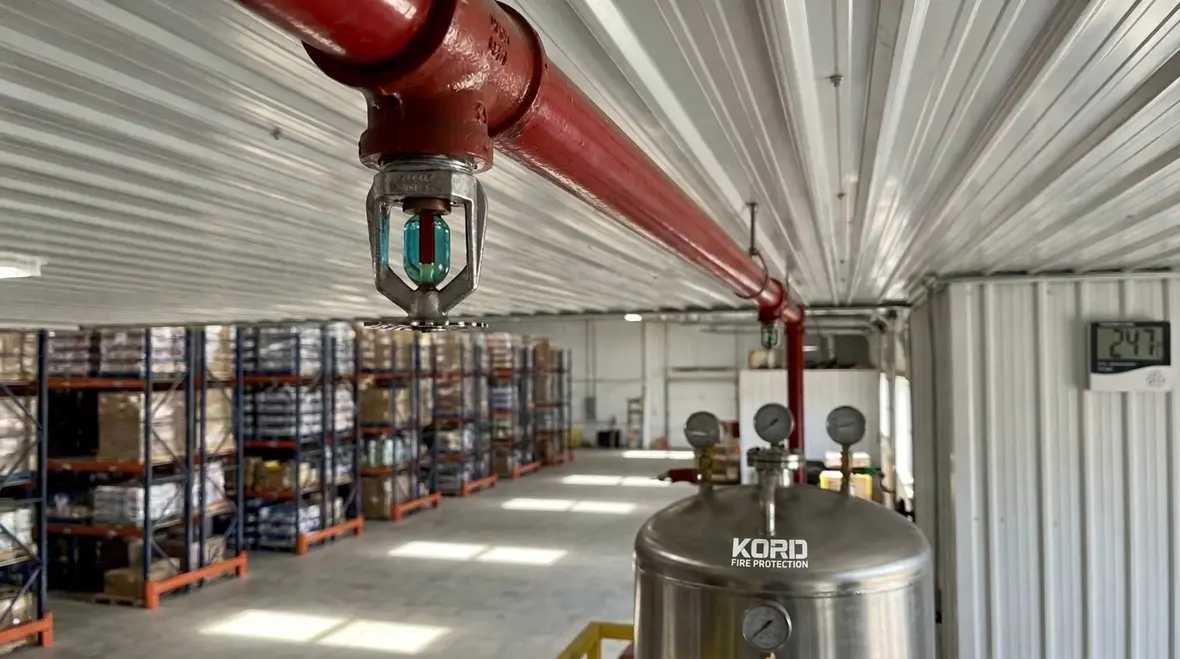
NFPA 16 Section 7.7 Temperature Rating for Foam Water Sprinklers
Quick Answer: NFPA 16 Section 7.7 sets the temperature rating requirements for foam water sprinkler systems so the parts match the heat conditions where they operate. In plain terms, the system must use components rated for the space they protect. That helps reduce failure risk, supports safe discharge, and keeps industrial, retail, and commercial sites in Australia better prepared.
When a site depends on foam based fire suppression, the NFPA 16 temperature rating is not a side note. It is a core safety point. The foam-water sprinkler temperature must suit the room, roof space, and nearby heat sources. The fire suppression sprinkler rating also matters because the wrong rating can lead to poor performance when a fire breaks out. For industrial, retail, and commercial facilities across Australia, that detail can decide whether a system works as intended or stumbles at the worst moment.
That is also why many facilities tie sprinkler review into broader fire suppression system services, especially in special hazard areas where a generic choice can create very specific problems later.
What NFPA 16 Section 7.7 Requires
NFPA 16 Section 7.7 focuses on temperature ratings for foam water sprinkler systems. It requires the sprinkler and related parts to have a heat rating that fits the environment where the system sits. In other words, the system must not use parts that are too sensitive for a hot area, and it must not use parts that delay action in cooler spaces.
This matters because foam water systems are often installed in places with special fire risks. These can include fuel storage areas, processing plants, loading zones, and sites with flammable liquids. Therefore, the fire suppression sprinkler rating must match the actual conditions, not just a paper spec that looks neat in a file folder.
Why Matching the Environment Matters
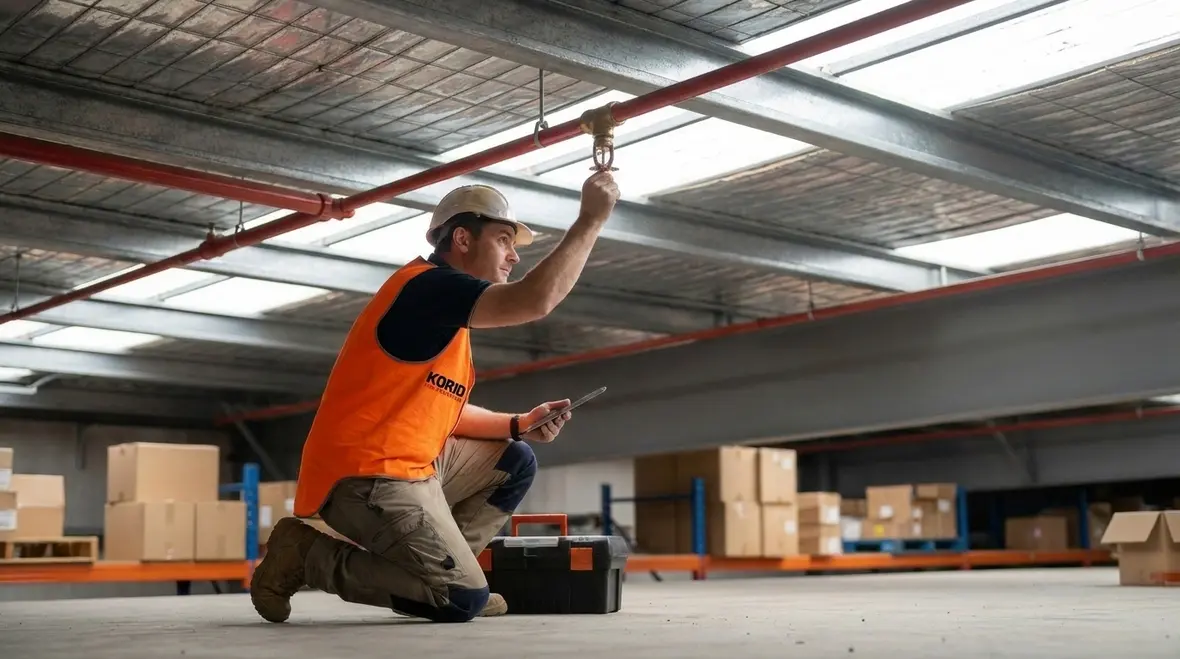
A foam water sprinkler is not supposed to guess what the building is doing around it. It responds to heat, so its rating needs to reflect real site conditions. If the protected area runs hot during ordinary operations, a low temperature rating can create nuisance activation risks or unnecessary stress on components. If the area stays comparatively cool, an overly high rating can delay response right when speed matters most.
In practical terms, Section 7.7 pushes designers and facility teams to think about reality, not assumptions. Roof cavities, machinery spaces, enclosed loading areas, and production zones do not all behave the same way. A building may even contain several heat profiles under one roof, which is a polite way of saying one rating does not magically solve everything.
Why Temperature Rating Matters for Foam Water Systems
The temperature rating affects when the sprinkler element reacts to heat. If the rating is too low for the space, the system may activate too early or suffer damage from normal heat exposure. If it is too high, the system may react too slowly when every second counts. Neither option is welcome. Fire, as it turns out, is not known for patience.
Temperature rating also supports long term reliability. Hot plant rooms, sun exposed roofs, and enclosed industrial spaces can push equipment hard. As a result, choosing the right foam water sprinkler temperature helps protect the system from stress, false activation, and avoidable wear.
There is also a bigger system issue here. Foam water sprinklers are part of a suppression strategy, not isolated ornaments hanging from the ceiling. If a component reacts at the wrong threshold, the entire performance objective can be affected. Distribution timing, discharge confidence, and overall hazard protection all depend on the system behaving the way the design intended.
Facilities that deal with flammable liquid hazards already know that small design choices can become large operational headaches. Kord Fire Protection touches on those broader risks in its foam system fire protection for flammable liquids article, which is worth reading if your site stores, transfers, or processes fuel based materials.
Reliability Is Not Just a Design Phase Problem
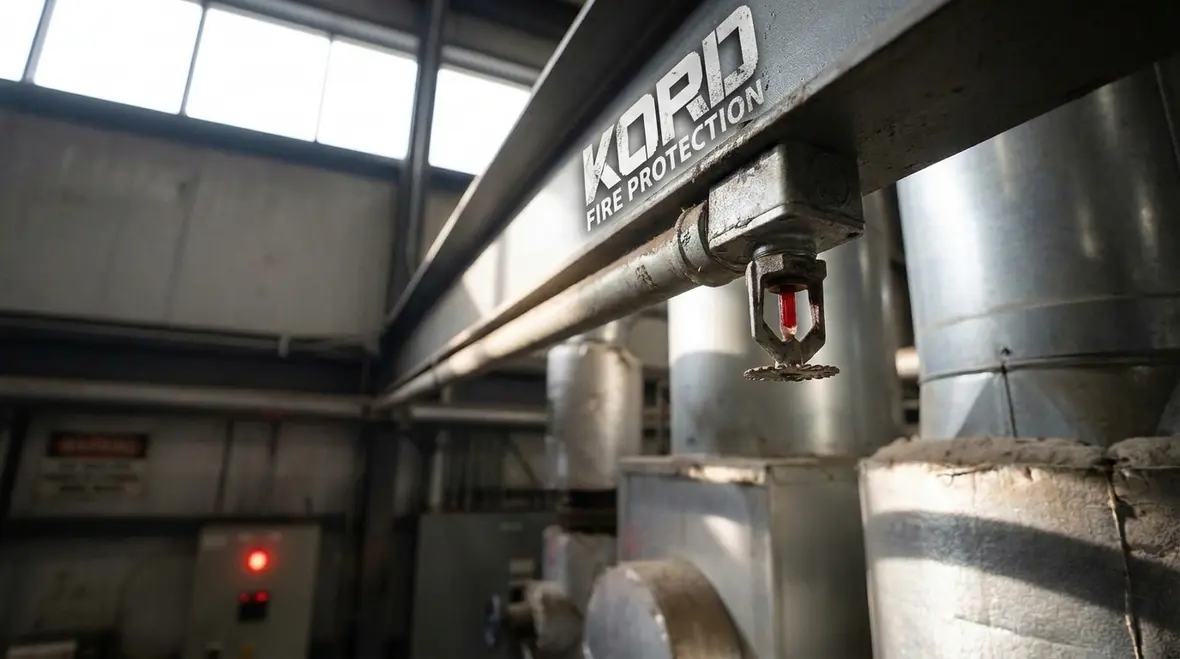
Even a well chosen rating can become a problem if the building changes and nobody revisits the system. Equipment gets added. Ventilation patterns shift. Storage gets stacked higher. A once mild space becomes a warm one, and suddenly yesterday’s acceptable rating is today’s quiet liability. That is why temperature suitability should be reviewed during inspections, renovations, and hazard changes instead of being treated like a one time paperwork achievement.
How to Choose the Right Sprinkler Rating
Facility teams should look at the full environment before selecting a rating. That means checking ambient heat, roof height, ventilation, nearby equipment, and any seasonal swings common across Australia. Then they should confirm the component rating against the design standard and the system layout.
To make that process clearer, here is a simple comparison.
| Site condition | Rating concern | Why it matters |
| High heat industrial zones | Higher foam water sprinkler temperature | Helps avoid premature activation |
| Controlled indoor commercial spaces | Matched fire suppression sprinkler rating | Supports faster response and dependable operation |
| Outdoor or semi exposed areas | Temperature rating suited to local conditions | Reduces stress from weather and heat swings |
This is where careful design earns its keep. A system should suit the site, not the other way around. That sounds obvious, yet many problems begin with a shortcut and a hopeful nod. Hope is nice. Compliance is nicer.
What Teams Should Review Before Final Selection
- Expected ambient temperature in normal operations
- Heat generated by equipment, lighting, or process lines
- Ceiling height and whether heat can collect overhead
- Ventilation patterns that may alter heat buildup
- Outdoor exposure, weather swings, or solar loading
- Any future site changes likely to affect the hazard area
For teams that want a broader primer on foam systems before narrowing in on temperature concerns, Kord Fire Protection’s foam fire suppression system guide gives useful context around how these systems are applied in high hazard settings.
Common Mistakes That Cause Compliance Trouble
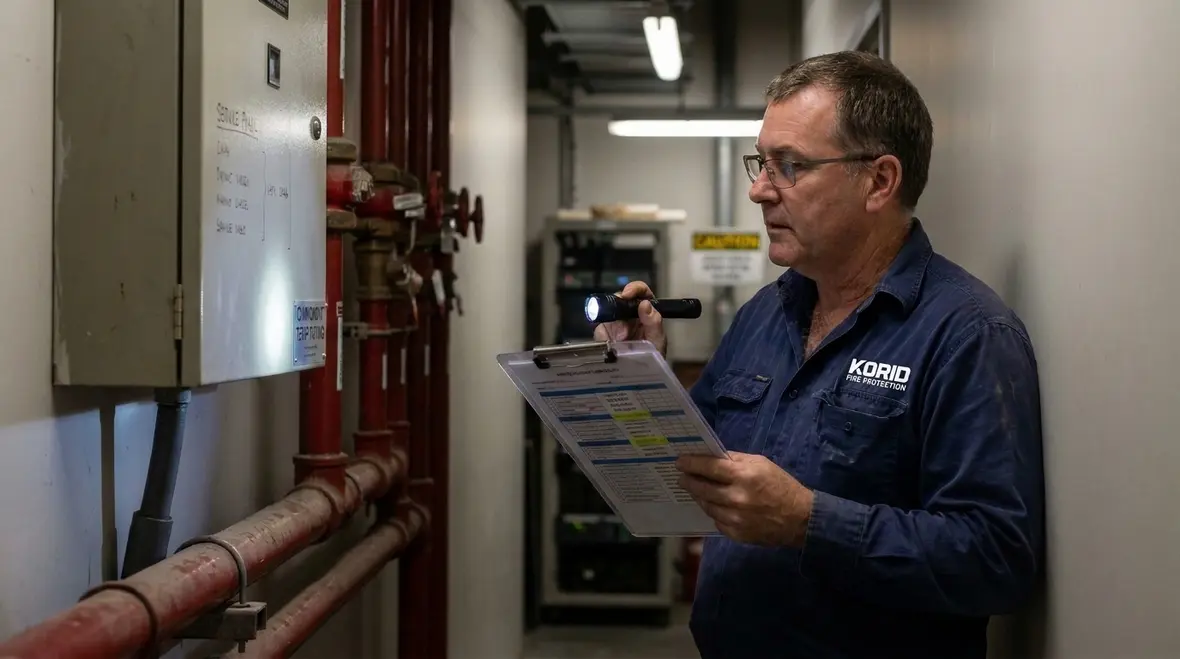
Many failures begin before a fire ever starts. First, teams may install parts with the wrong temperature class for the environment. Next, they may assume one rating works everywhere in a large facility. However, different areas often need different solutions.
Another mistake is skipping review after a site change. If a warehouse adds new heat sources or changes storage height, the existing foam water sprinkler temperature rating may no longer fit. In addition, poor documentation can make inspections slow and messy, which tends to annoy everyone involved, especially auditors and maintenance teams who already have enough to do.
A more subtle problem is relying on assumptions pulled from a similar building rather than the actual one in front of you. Two facilities can look alike on paper and behave very differently in service. One may have hotter roof zones, different ventilation, or process equipment that creates localized heat pockets. That is enough to justify a more careful review instead of a copy and paste decision.
Documentation Matters More Than People Want to Admit
Nobody gets excited about inspection records until they need them. Then suddenly documentation becomes the star of the meeting. Clear records help confirm what was installed, why a rating was selected, and whether later site changes triggered a need for reassessment. Without that trail, even a decent system can become difficult to defend during audits, maintenance reviews, or upgrade planning.
How Kord Fire Protection Supports This Work
Kord Fire Protection can become a vital partner in this service because it helps facilities choose, inspect, and maintain systems with the correct fire suppression sprinkler rating. More importantly, it can guide clients through the practical side of NFPA 16 compliance, where code language meets real world site conditions.
Kord Fire Protection can assist with:
- System checks for temperature suitability
- Review of foam water sprinkler temperature ratings for each protected area
- Maintenance planning for industrial and commercial facilities
- Compliance support for audits and inspection records
- Advice that helps teams avoid costly rework later
That kind of support matters because fire protection is not just about equipment. It is about matching design, code, and site reality. Kord Fire Protection helps turn that into a working plan instead of a guessing game. And in fire safety, guessing is a poor hobby.
If your team is actively reviewing inspection intervals and readiness, Kord Fire Protection also has a helpful article on foam fire suppression inspection requirements and service. It fits naturally with the temperature rating conversation because a correct rating still needs regular review to stay correct over time.
FAQ
Conclusion
NFPA 16 Section 7.7 makes temperature rating a serious part of foam water sprinkler design. For Australian industrial, retail, and commercial facilities, the right rating improves safety, supports compliance, and lowers risk. It is not a decorative technical detail. It directly affects whether the system responds as intended when conditions turn ugly.
Kord Fire Protection can help teams get it right, keep it right, and document it well. If you also need the underlying standard reference point, review NFPA 16 standard. For a system that must work under pressure, that partnership can make all the difference.

Join Our Newsletter!
Get the latest fire safety tips delivered straight to your inbox From our Newsletter.



