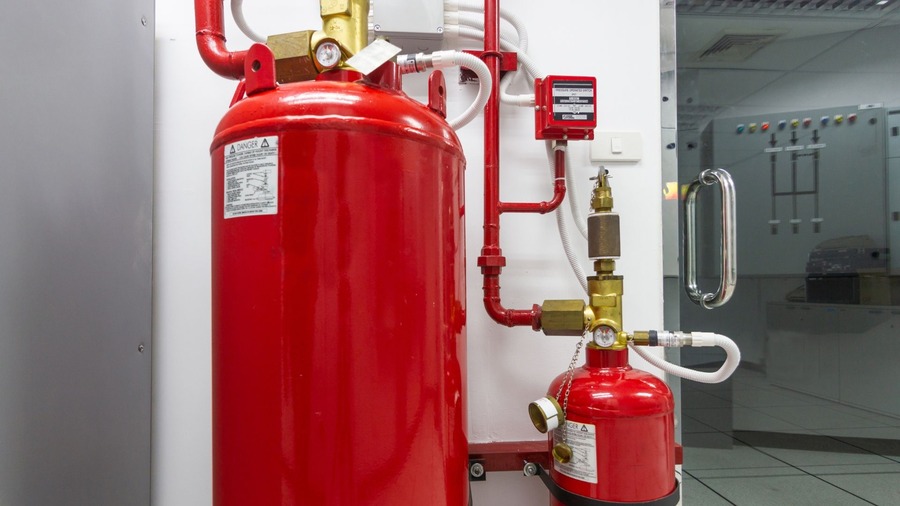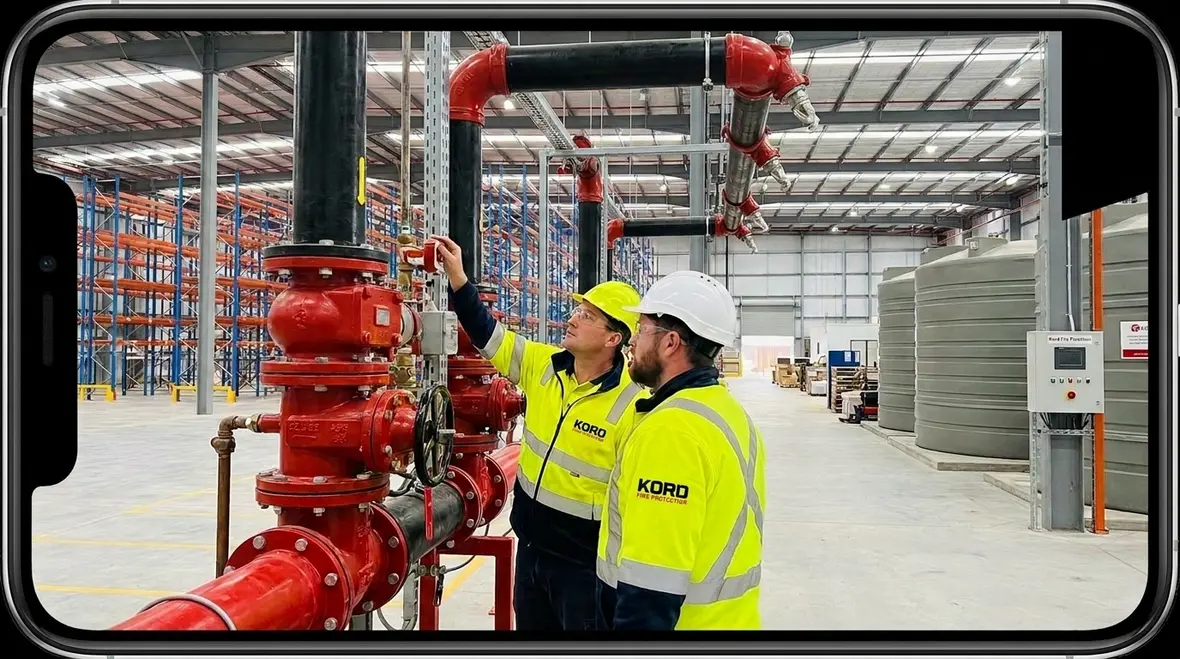
NFPA 16 Section 7.8 Foam Water Deluge Design
Quick Answer
NFPA 16 Section 7.8 guides how foam water deluge systems must be designed and installed for fast, broad fire control in high risk sites. For industrial, retail, and commercial facilities, proper planning, testing, and expert support from Kord Fire Protection can help turn a demanding code into a workable, reliable protection plan.
If your facility needs a practical next step, Kord Fire Protection’s foam fire suppression systems service is a natural place to start for design support, inspections, testing, and ongoing care. ([kordfire.com](https://kordfire.com/foam-fire-suppression-systems/?utm_source=openai))
NFPA 16 deluge systems matter because some fires do not wait politely for help. They spread fast, feed on vapors, and laugh at weak protection. In those settings, foam water deluge design and fire suppression deluge requirements must work together with the site layout, hazard type, and water supply. Section 7.8 sets the path for design and installation, and it gives facilities a strong base for safer operations.
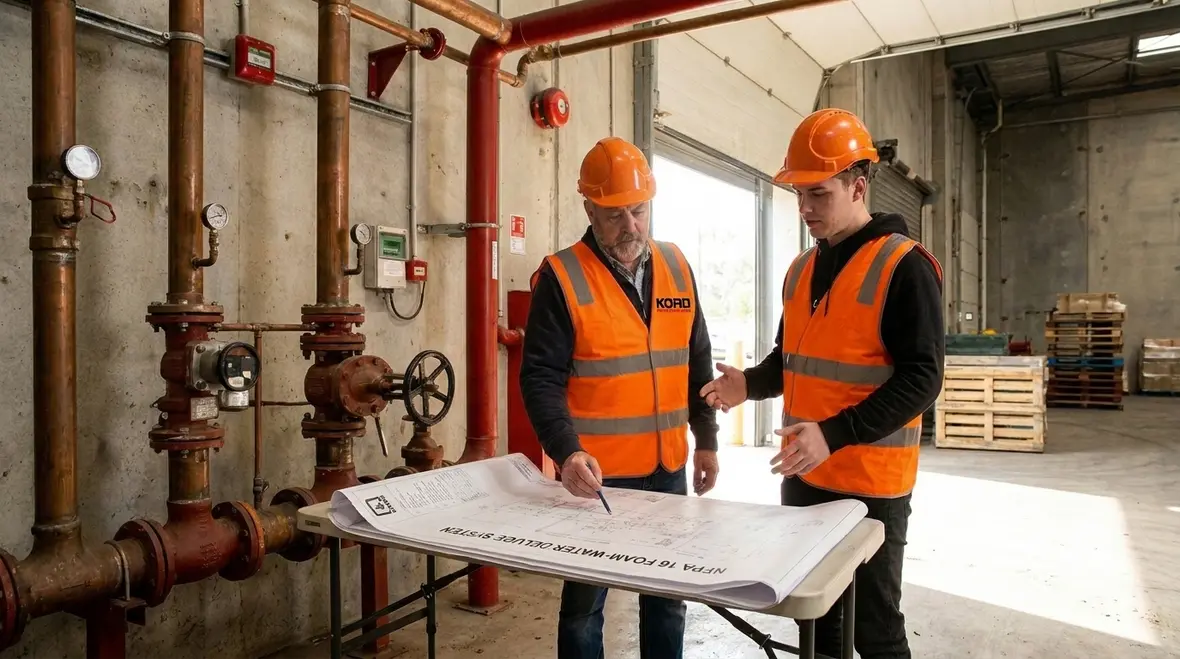
What NFPA 16 Section 7.8 Covers
Section 7.8 focuses on how the foam water deluge system should be built, arranged, and placed so it can discharge the right mix over the right area at the right time. In simple terms, the system must deliver foam solution quickly and evenly to the hazard zone. That matters because uneven discharge can leave pockets of fuel exposed. And in a fire, that is not a small detail. That is the whole game.
The section also supports careful coordination between the deluge valve, discharge devices, piping, controls, and detection. As a result, the system should not only meet code on paper. It must also make sense in the real world of tanks, loading bays, process areas, and storage spaces.
Why layout and discharge pattern matter
Foam water deluge systems are built for broad, immediate action. Unlike systems that respond one sprinkler at a time, a deluge arrangement is intended to release across the protected area once activated. Kord Fire Protection’s foam fire suppression resources explain that foam systems are commonly used where rapid and efficient fire control is crucial, especially in commercial and industrial environments where liquid fuel hazards can escalate quickly. ([kordfire.com](https://kordfire.com/foam-fire-suppression-systems/?utm_source=openai))
That means spacing, nozzle selection, pipe routing, and discharge orientation all carry weight. A clever design on a drawing can still fall apart if a beam blocks spray, equipment creates dead zones, or runoff flows exactly where nobody wants it. Fire protection has a funny way of punishing optimism.
How Foam Water Deluge Design Works in Practice
A good foam water deluge design starts with the hazard. Engineers look at the fuel type, area size, fire load, drainage, and how people move through the site. Then they match the foam solution rate, discharge pattern, and system response to that risk. For example, a fuel transfer zone needs different coverage than a warehouse aisle or a retail back room.
Next, the design must support reliable activation. That usually means detection devices trigger the deluge valve so the system opens fast and sends foam water to all protected points at once. This full area release is the heart of a deluge setup. It does not trickle. It floods the area with purpose. A bit dramatic perhaps, but fire is not known for subtlety.
The system has to behave like a team
The valve, detection, piping, foam proportioning method, and discharge devices should work like a coordinated team rather than a collection of expensive opinions. Kord Fire Protection’s related foam delivery content describes this as a chain of events in which foam concentrate and water meet, the mixture forms foam, and the distribution network moves that foam to the hazard area with controlled pressure and dependable coverage. ([kordfire.com](https://kordfire.com/delta-fire-foam-delivery-systems-by-kord-fire-protection/?utm_source=openai))
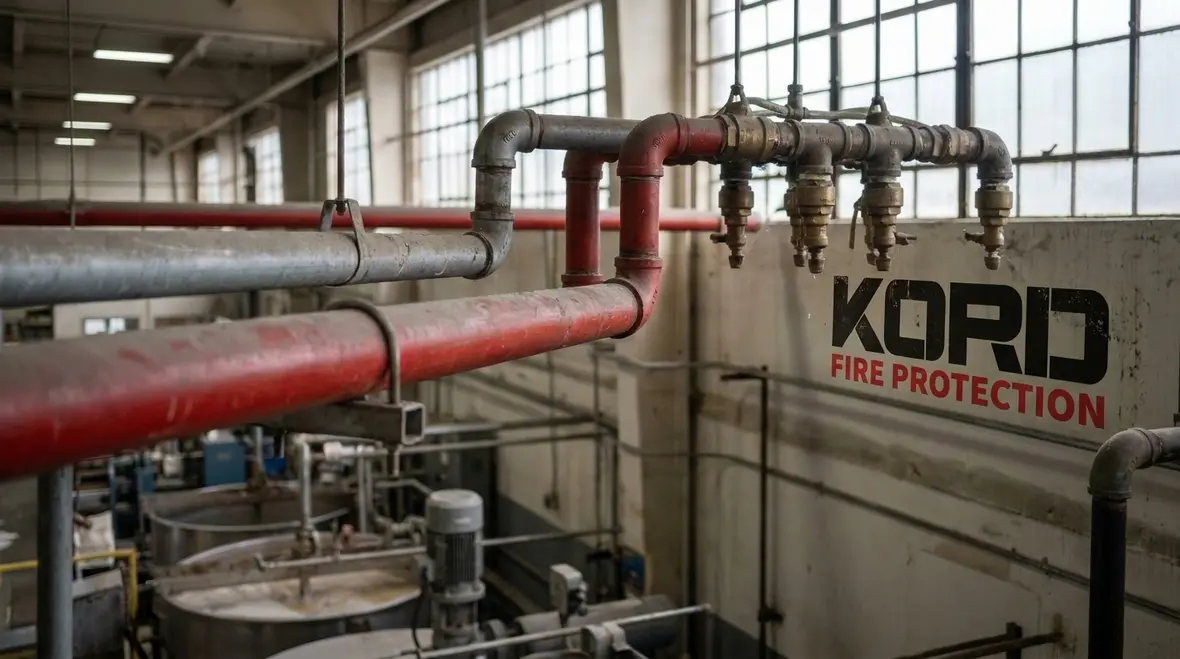
Design Priorities That Separate Good Systems From Wishful Thinking
Facilities face wildly different layouts, operating conditions, and compliance pressures. Therefore, the design must account for water pressure, pump performance, corrosion risk, maintenance access, drainage control, and how the protected process actually runs on a normal day. A system that looks neat in a submittal package but fights the daily operation is not a triumph. It is a future service call with paperwork.
| Design Factor | Why It Matters |
| Hazard type | Sets the foam application rate and coverage needed |
| Water supply | Controls whether the system can sustain discharge long enough |
| Detection method | Determines how fast the deluge system opens |
| Drainage | Helps manage foam water runoff and site safety |
| Equipment access | Makes inspection and service easier over time |
Service access is part of the design, not a bonus feature
Maintenance is not something you generously think about later if the budget feels cheerful. Kord Fire Protection’s maintenance and testing content notes that reliable foam system care includes inspecting valves and piping, checking tank levels, verifying foam concentrate condition, and confirming water supplies and control components perform as designed. If the layout makes those tasks miserable, the system becomes harder to keep ready over time. ([kordfire.com](https://kordfire.com/foam-fire-suppression-system-maintenance-and-testing/?utm_source=openai))
That is why smart designers leave room around valve assemblies, provide safe access to nozzles and trim, and think through how inspections will happen when the building is busy, noisy, and full of the exact obstacles nobody included in the pretty concept sketch.
Installation Steps That Keep the System Ready
Installation under NFPA 16 Section 7.8 demands more than hanging pipe and calling it a day. First, the layout must follow the approved design exactly. Then, installers must place nozzles, valves, and detection devices in the correct positions. After that, they must verify pipe support, valve function, and system integrity.
Because foam water deluge systems protect high value operations, the install should also preserve access for testing and service. If crews cannot inspect the valve train or reach a nozzle, the system may pass the eye test but fail the real one. That is the fire protection version of wearing a tuxedo with muddy boots.
Commissioning is where confidence gets earned
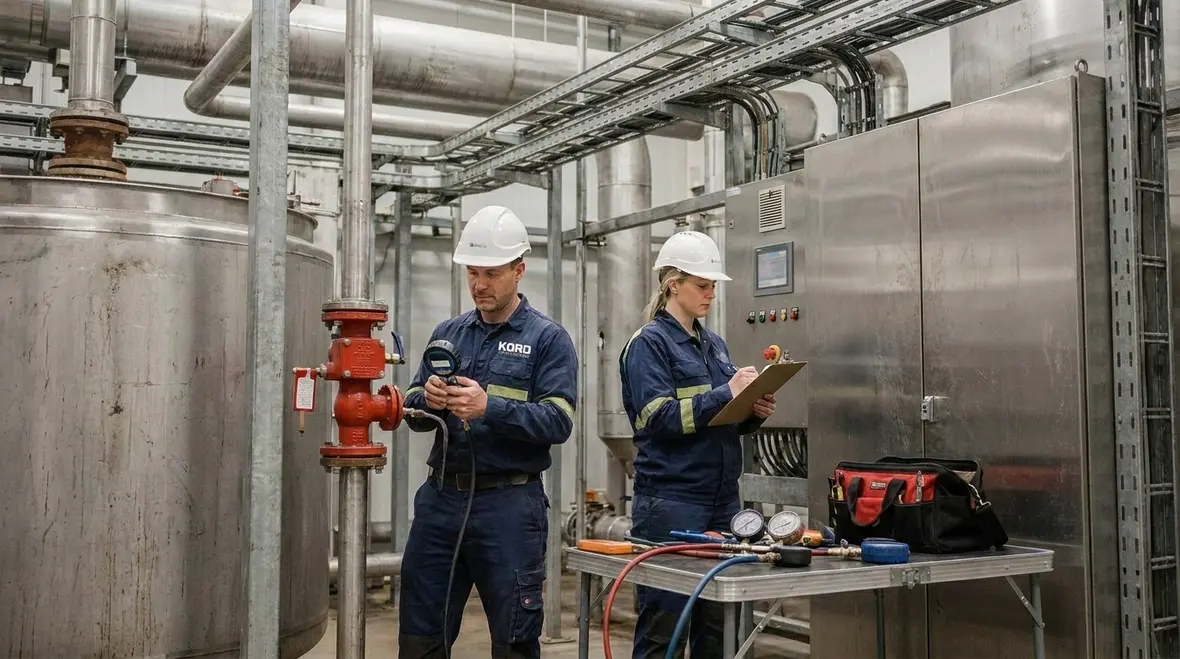
A finished installation still needs verification. Functional testing, alarm interface checks, valve operation review, and clear documentation help prove that the system can perform when a real event shows up without an appointment. Kord Fire Protection’s foam fire suppression service page highlights testing, maintenance, repairs, documentation, and emergency support as part of keeping foam systems compliant, reliable, and ready when it matters most. ([kordfire.com](https://kordfire.com/foam-fire-suppression-systems/?utm_source=openai))
What Fire Suppression Deluge Requirements Mean for Operations
Fire suppression deluge requirements affect more than compliance teams. They shape how a site stays open, safe, and insurable. A system that meets the code can help reduce downtime, support emergency response, and protect assets that are hard to replace. In industrial and commercial settings, that can mean fewer shutdowns and better continuity after an incident.
However, compliance only works when the system is kept in good shape. Regular checks, flow tests, valve inspections, and foam concentrate reviews all matter. In other words, a deluge system is not a trophy. It is a working tool, and it needs care.
A code-aligned plan beats a rushed retrofit
For many facilities, the bigger operational win is predictability. When hazard review, design intent, installation details, and maintenance routines all line up, managers are less likely to face surprise deficiencies, awkward shutdown windows, or emergency fixes at the worst possible time. That is not glamorous, but neither is explaining to leadership why the critical protection system was technically present and practically unprepared.
Where Kord Fire Protection Adds Real Value
Kord Fire Protection can become a vital partner for projects that need reliable foam water deluge protection. The team supports design review, inspection, testing, maintenance, repairs, documentation, and emergency support for foam fire suppression systems, with broader fire suppression capabilities across commercial and industrial facilities. ([kordfire.com](https://kordfire.com/foam-fire-suppression-systems/?utm_source=openai))
With the right support, a business can move from general concern to a clear, code aligned protection plan. Kord Fire Protection can help identify weak points, guide system selection, and support installation that suits the site rather than fighting it. That saves time, lowers risk, and keeps everyone from learning fire protection lessons the hard way, which is usually the expensive way.
If you want extra background reading, Kord Fire Protection also has a dedicated resource on the NFPA 16 standard, which pairs naturally with Section 7.8 when you are mapping out design intent, system selection, and compliance planning.

FAQ
Conclusion
NFPA 16 Section 7.8 gives facilities a clear path for safer foam water deluge systems, but the real success comes from smart design, careful installation, and steady upkeep. A strong system is not just about passing review. It is about performing fast, evenly, and reliably when the hazard stops being theoretical.
For businesses that need practical support, Kord Fire Protection can help turn complex fire suppression deluge requirements into a workable solution that protects people, property, and operations. If the site needs expert support, now is a very good time to act, preferably before a fire decides to become the project manager.

Join Our Newsletter!
Get the latest fire safety tips delivered straight to your inbox From our Newsletter.