NFPA 16 Section 4.6 Foam Water System Approvals
Quick Answer: NFPA 16 Section 4.6 sets the approval rules for foam water sprinkler systems before anyone calls the job complete. It checks that the system design, parts, and installation meet the right listed standards. For industrial, retail, and commercial sites across Australia, this helps reduce risk, avoid delays, and keep compliance on solid ground.
When a site depends on foam water protection, NFPA 16 approvals matter from the first drawing to the final test. These foam water system approvals help confirm that the setup matches the right safety path, while fire suppression system listing requirements help verify that the equipment itself has earned its place on the job. In practice, that means fewer surprises, smoother inspections, and better protection for places where fire risk can move fast. And yes, fire does not wait for paperwork, which is rude but predictable.
For facilities that want a practical next step, Kord Fire Protection’s foam fire suppression systems service fits naturally into the approval conversation because strong approvals mean far more when the system will also be maintained, tested, and supported by people who understand high hazard environments.
What NFPA 16 Section 4.6 Means on Site
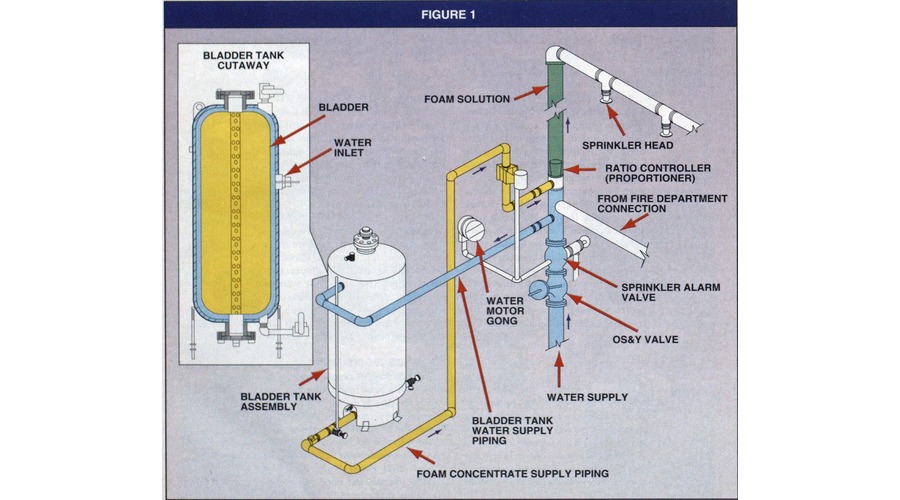
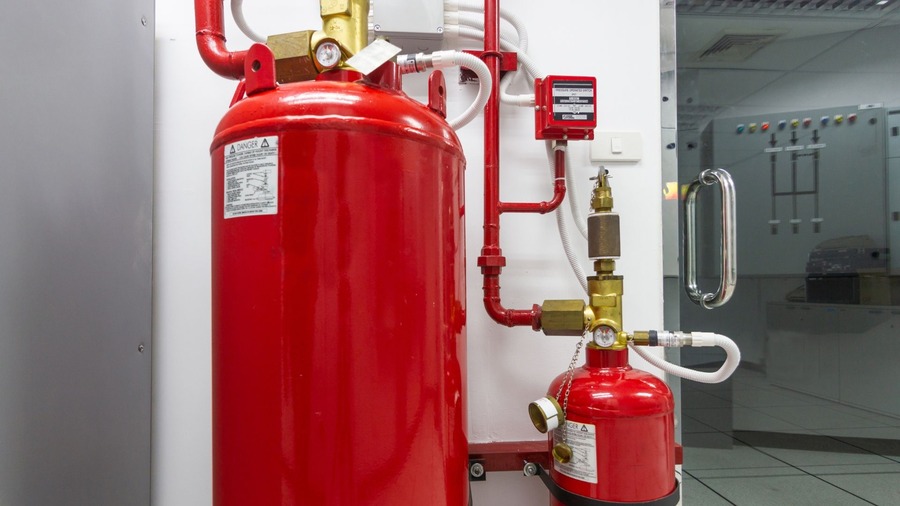
NFPA 16 Section 4.6 focuses on approval. In plain terms, the system must use parts and assemblies that meet the required listing and approval rules for foam water service. That includes the sprinklers, valves, proportioning devices, piping parts, and related system items. The goal is simple. The system must not only look right on paper, it must also perform right in the real world.
For industrial and commercial sites, this matters because foam water systems often protect high hazard areas such as fuel loading zones, flammable liquid storage, plant rooms, and process spaces. Therefore, approval is not a box ticking game. It is the line between a system that should work and a system that truly can work.
How foam water system approvals support compliance
Foam water system approvals support compliance by making sure every critical part has been accepted for its job. In many projects, that means checking product listings, design compatibility, and installation match up with the standard. If one part is not approved for foam service, the whole system can run into trouble during review or testing. That is where many projects stumble, usually after everyone has already celebrated with a too strong coffee and a premature handshake.
For Australian facilities, approval also helps teams manage local authority expectations, insurer checks, and internal safety rules. As a result, the site gets a clearer path from design to sign off. It also gives maintenance teams more confidence later, because they know the system was built with the right listed parts from the start.
Which Parts Need Approval Under NFPA 16 Section 4.6
Approval does not stop at the foam concentrate. It reaches across the full system. That often includes:
- Foam water sprinklers and nozzles
- Foam concentrate proportioning equipment
- Control valves and deluge valves
- Piping, fittings, and compatible materials
- Alarm and release controls
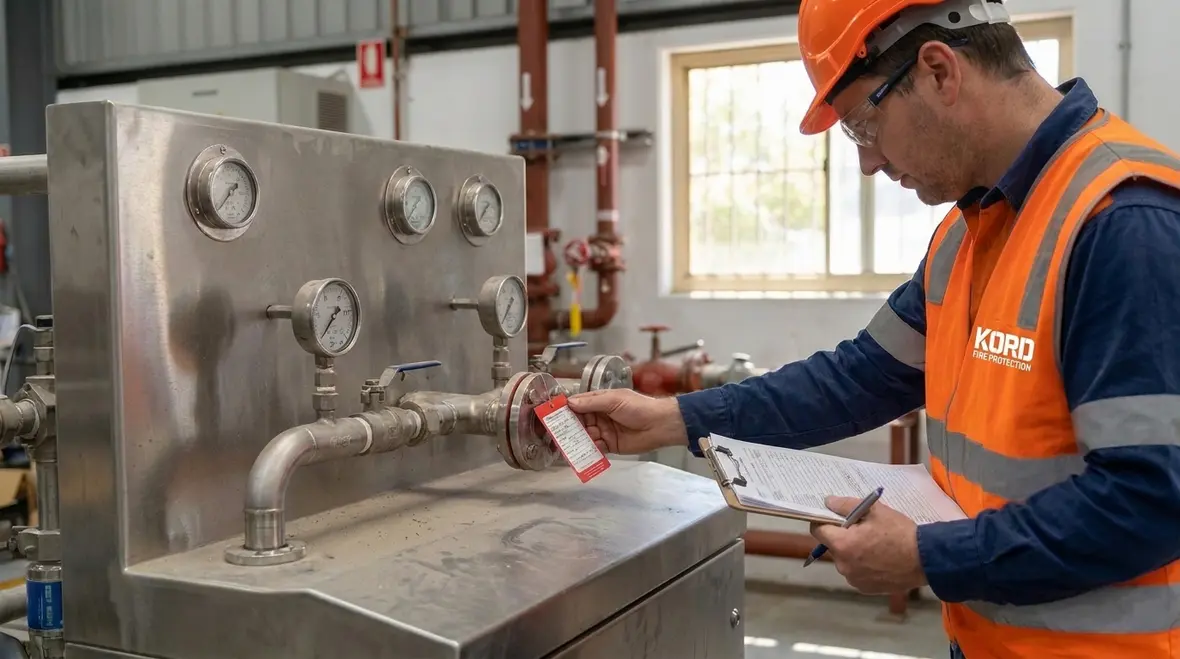
- Test and drain arrangements
Each part must fit the system design and the fire hazard it serves. Moreover, the approvals need to work together. A listed sprinkler head alone does not save a system if the rest of the assembly cannot support foam discharge properly. The whole chain matters, and foam systems are never polite enough to forgive weak links.
This is also why interlinking code guidance can help technical readers move from one requirement to the next without losing the plot. If you want the companion standard page, Kord Fire Protection also covers NFPA 16 standard requirements, which fits neatly into the broader approval discussion.
Why Approval Matters for Industrial and Commercial Facilities
NFPA 16 approvals matter most where fire can spread fast and business interruption can sting even harder than the damage. For retail centres, warehouses, processing plants, terminals, and heavy commercial sites, a foam water system often protects assets that are costly to replace and hard to shut down. Therefore, approval protects more than the equipment. It protects operations, staff, stock, and continuity.
When a system is approved correctly, the project team gains better control over risk. In addition, approvals can reduce rework during inspection and commissioning. That saves time, lowers cost, and keeps the schedule from wandering off like a distracted support act in a bad sequel.
How Kord Fire Protection becomes a vital partner
Kord Fire Protection can become a vital partner because this work needs more than parts and drawings. It needs experience, careful checking, and a practical eye for how the system will perform on site. Kord Fire Protection can help confirm the right foam water system approvals, guide product selection, and support the approval path from design review through installation and final testing.
For Australian industrial, retail, and commercial facilities, that kind of support matters. Kord Fire Protection can help teams avoid approval gaps, reduce delay, and make sure the fire suppression system listing requirements line up with the actual site conditions. Just as important, Kord Fire Protection can work with builders, facility teams, and safety managers so the project stays clean, clear, and ready for inspection.
Dual View: Approval Focus and Site Benefit
Approval focus
- Confirm listed and approved components
- Match equipment to the hazard type
- Check system compatibility end to end
- Support final inspection and sign off
Site benefit
- Lower risk of redesign or delay
- Stronger confidence in system performance
- Better fit for insurer and authority review
- Improved protection for people and property

What a Strong Approval Process Looks Like
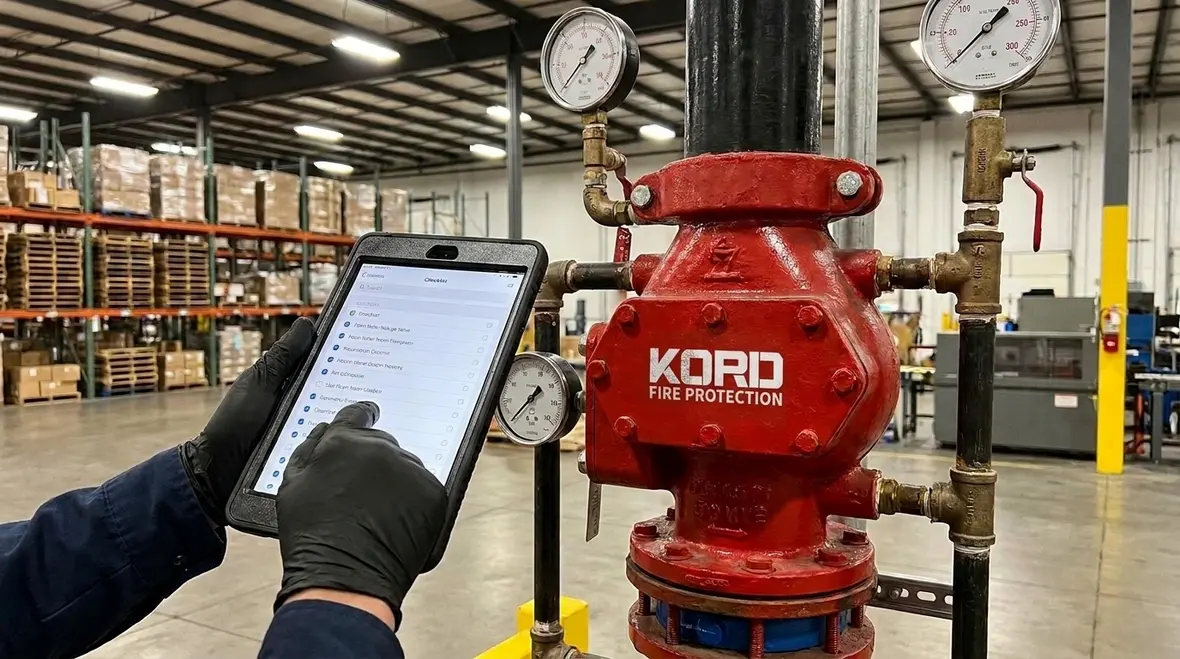
A strong approval process starts early. First, the design team should confirm the hazard class and the system type. Next, they should review the product listings and compare them with the intended installation. Then, the installer should follow the approved layout with care, because even a small change can affect how foam is delivered. Finally, testing and documentation should show that the system matches the approved design.
Moreover, the process should stay tied to one simple rule. If the part, method, or setup does not meet the required approval path, it should not move forward. That steady approach keeps the project honest, and honesty, unlike some fire alarm trouble calls, is always useful.
In practical project terms, that means approvals should be checked before procurement, again during installation, and one more time before final acceptance testing. It also means drawings, data sheets, valve trim details, foam concentrate compatibility, and discharge device selections should all tell the same story. If they do not, the inspection team will usually notice, and they rarely reward creative inconsistency.
The payoff for that discipline is simple but powerful. Teams reduce the risk of last minute substitutions, mismatched assemblies, documentation gaps, and awkward site conversations that begin with “we thought that part was fine” and end with another round of costly changes. A clean approval process is not glamorous, but neither is redoing a foam system after commissioning week has already arrived.
FAQs
Conclusion
For industrial, retail, and commercial sites across Australia, NFPA 16 Section 4.6 is not just a technical note. It is a practical guardrail. With the right approvals in place, foam water systems stand a much better chance of passing review and doing their job when it counts.
Kord Fire Protection can help turn that requirement into a smooth, reliable path from design to final sign off. That means fewer surprises, stronger confidence, and a system that is built to satisfy both the paperwork and the moment the hazard becomes real.

Join Our Newsletter!
Get the latest fire safety tips delivered straight to your inbox From our Newsletter.