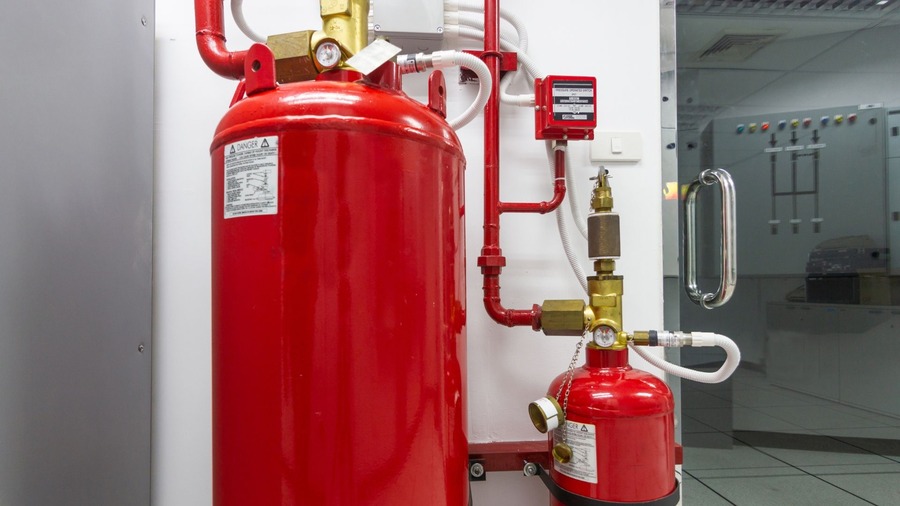
NFPA 16 Section 4.5 Preprimed Foam Water Sprinklers
Quick Answer
NFPA 16 Section 4.5 sets the bar for preprimed foam water sprinkler systems by focusing on readiness, proper piping condition, and fast response when fire starts. In plain language, the system needs to stay prepared so foam solution can move quickly when the hazard calls for it, not after everyone has had time to form a committee. For facilities managing higher risk fire exposures, that readiness can make the difference between early control and a very bad day. Kord Fire Protection supports these needs through fire suppression system services, along with design, inspection, testing, and practical maintenance support.
Understanding NFPA 16 Section 4.5 in Plain Terms
NFPA 16 Section 4.5 speaks to how preprimed foam water sprinkler systems must stay ready for action. The piping is expected to maintain a preprimed condition so the system can deliver foam solution without unnecessary delay when a fire event begins. That sounds technical, but the idea is refreshingly simple. A fire emergency is not the time for a system to act like it is still in morning traffic.
This matters in locations where fuel load, process risk, or stock type creates a higher consequence if flames spread fast. Industrial sites, warehouses, commercial operations, back of house retail areas, and special hazard spaces often need more than ordinary water application. Foam water systems are used because they are intended to improve control over hazards where fuel related conditions can escalate quickly.
Kord Fire Protection has also published a helpful NFPA 16 standard guide that gives added context around foam water sprinkler and spray system requirements. When teams are trying to connect the code to real equipment and real risk, that kind of internal reference makes the whole topic far less painful.
What Preprimed Foam Water Sprinkler Systems Must Achieve
Preprimed systems are not installed just so a building can say it has something impressive in the plant room. They are meant to provide a fast, dependable route for foam water delivery to the hazard. Under NFPA 16 preprimed systems, the goal is not simply ownership of a system. The goal is performance. It has to work fast, work correctly, and avoid the sort of hesitation that belongs in awkward first dates, not emergency response.
Section 4.5 supports several practical outcomes that matter on site:
- It helps keep piping in a condition ready for immediate system operation.
- It supports proper foam water mix delivery to protected hazards.
- It reduces the chance of delay when fire conditions trigger the system.
- It aligns the system with its intended fire control purpose.
- It supports a protection strategy that values response time, discharge reliability, and hazard specific planning.
That matters because foam water systems are often chosen for hazards where ordinary water alone may not offer enough control. Fuel handling areas, liquid storage risks, loading zones, process spaces, and certain industrial operations can all require a stronger and more targeted suppression approach. This is exactly where foam water preprimed sprinklers earn their keep instead of just posing for the inspection checklist.
Why fast delivery matters
When a system is maintained in a preprimed condition, the path to discharge is already set up for quick action. That reduces wasted seconds during activation. In fire protection, small delays can create larger consequences, especially where flame spread, vapor involvement, or production shutdown risks are already in play.
How Section 4.5 Supports Real World Safety
Section 4.5 does more than occupy space in a code book. It gives owners, managers, and fire protection teams a practical benchmark for keeping a preprimed foam water sprinkler system dependable over time. First, it supports system readiness. Next, it helps confirm that the foam delivery path remains suitable for the hazard being protected. Finally, it backs a fire protection plan designed to reduce damage, limit downtime, and keep a bad incident from becoming a business defining saga.
For many facilities, the true threat is larger than flame alone. A fire event can mean shutdown, stock loss, interrupted operations, equipment damage, and one painfully long conversation with insurers, stakeholders, and everyone else who suddenly wants updates every ten minutes. A well maintained system helps shift the outcome from chaos toward control.
That real world benefit lines up closely with Kord Fire Protection’s broader guidance on foam systems. Their foam fire suppression system guide explains how proper foam application helps smother and cool hazards in high risk environments, which fits naturally with the intent behind maintaining a preprimed system in ready condition.
Where NFPA 16 Preprimed Systems Matter Most
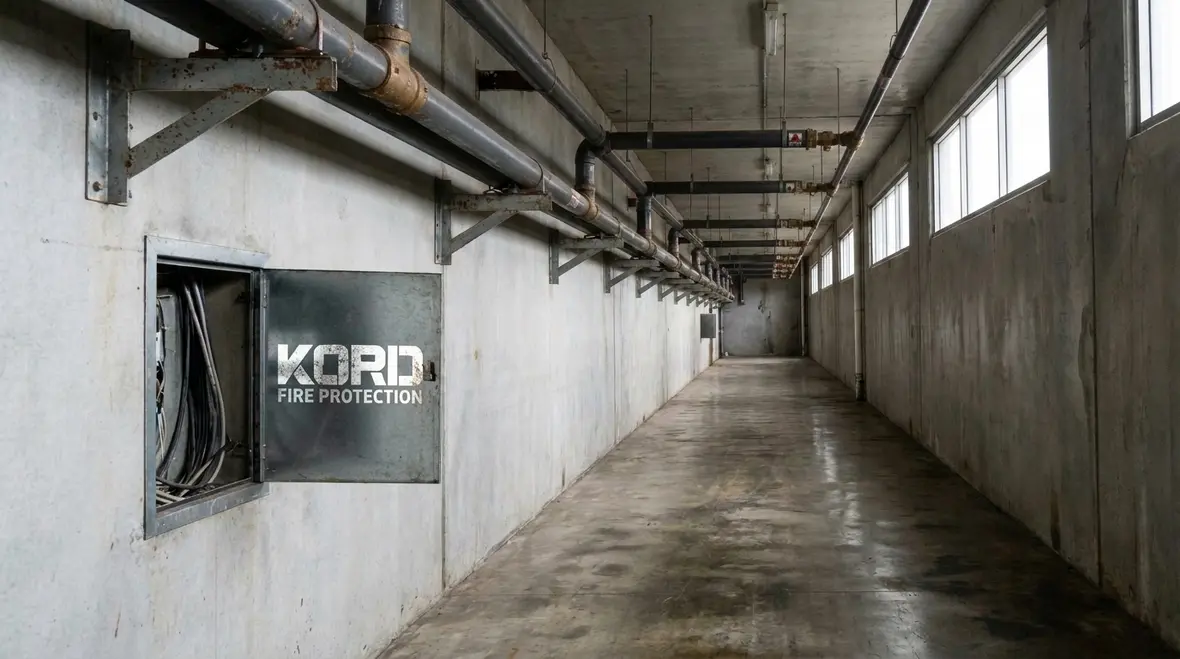
These systems often make the most sense where higher fire load, flammable liquid exposure, or process hazards demand a faster and more specialized response. The point is not to use foam everywhere just because it sounds impressive. The point is to use it where the hazard profile justifies it and where the suppression strategy needs to do more than a standard layout would normally provide.
- Warehouses storing flammable or high consequence stock
- Industrial plants with process related fire hazards
- Fuel transfer, loading, and storage areas
- Commercial sites with designated special risk zones
- Large retail buildings with significant back of house fire exposure
- Operations where shutdown costs are so high that readiness is not optional
In each of these cases, the fire suppression preprimed code provides direction that helps shape design, installation, inspection, and long term service decisions. It gives teams a clearer basis for choosing the right foam water arrangement, maintaining performance expectations, and reducing guesswork when the site evolves. That clarity is useful because emergency planning tends to work best before the emergency arrives with terrible timing.
Matching the system to the hazard
A preprimed system still needs to be the right system for the risk. Foam type, discharge design, protected area, storage arrangement, and process conditions all influence whether the installation remains suitable. That is one reason facilities should treat Section 4.5 as part of an ongoing protection strategy instead of a box ticked long ago and forgotten behind a filing cabinet.
What Kord Fire Protection Can Do
Kord Fire Protection can be a strong partner for sites relying on foam water sprinkler protection because these systems need more than casual attention. They need technical care, disciplined inspection, and people who understand how foam equipment performs in actual operating environments. That support can include design guidance, installation support, testing, maintenance, and compliance focused service for facilities managing special hazard conditions.
Their broader service pages and related resources show a clear emphasis on commercial and industrial protection work, including foam fire suppression system maintenance and testing. That is a natural fit for preprimed systems, where ongoing condition, valve status, piping readiness, and concentrate performance all matter. In other words, this is not a set and forget arrangement unless your maintenance strategy is based on wishful thinking.
Just as importantly, Kord Fire Protection works across a range of occupancies and hazard profiles, helping clients keep systems aligned with site risk and operational needs. That means fewer blind spots, fewer assumptions, and a much stronger long term result. When every minute counts, having the right people in the room is not a luxury. It is part of the protection plan.
Why Proper Inspection and Maintenance Cannot Be Skipped
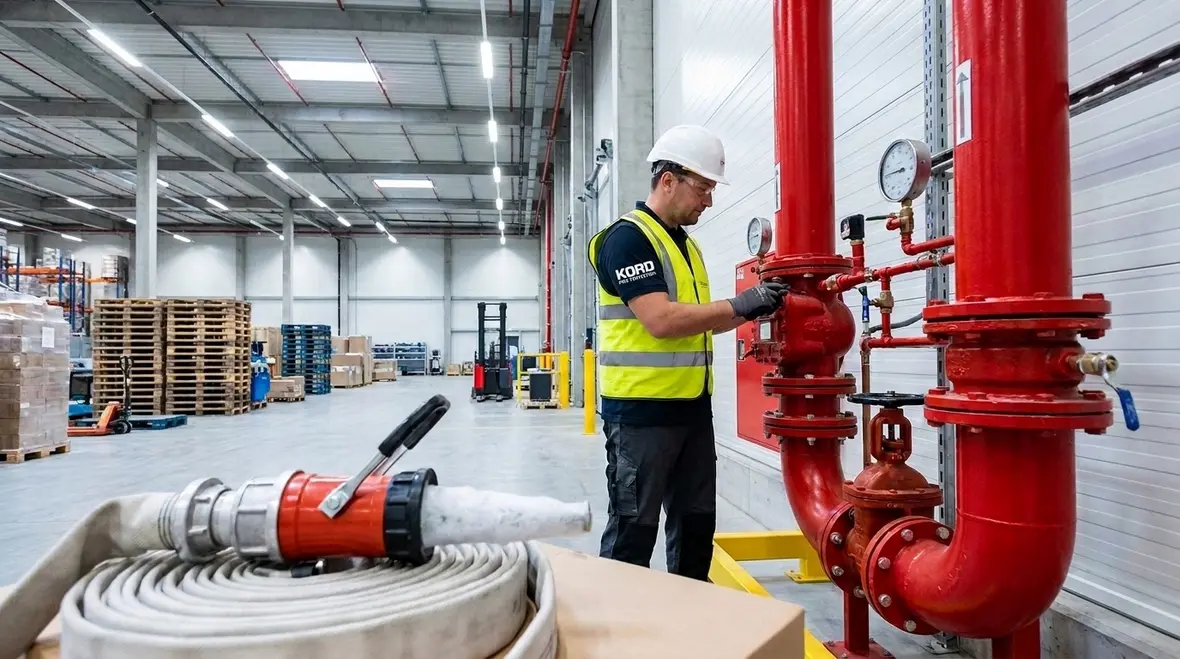
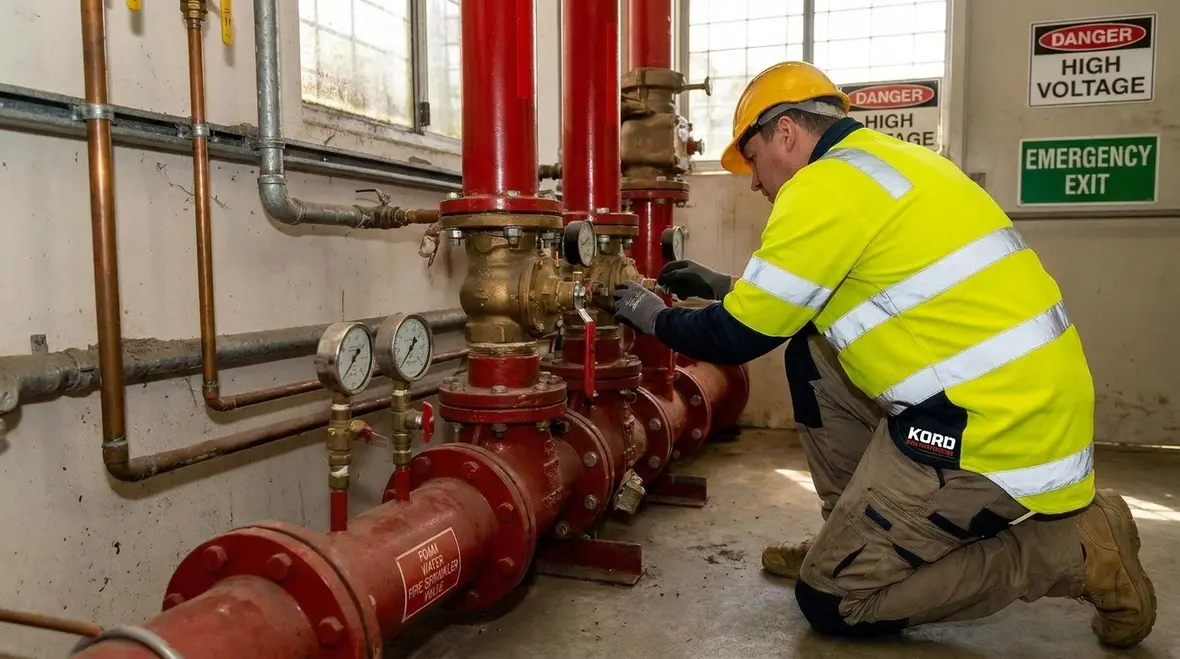
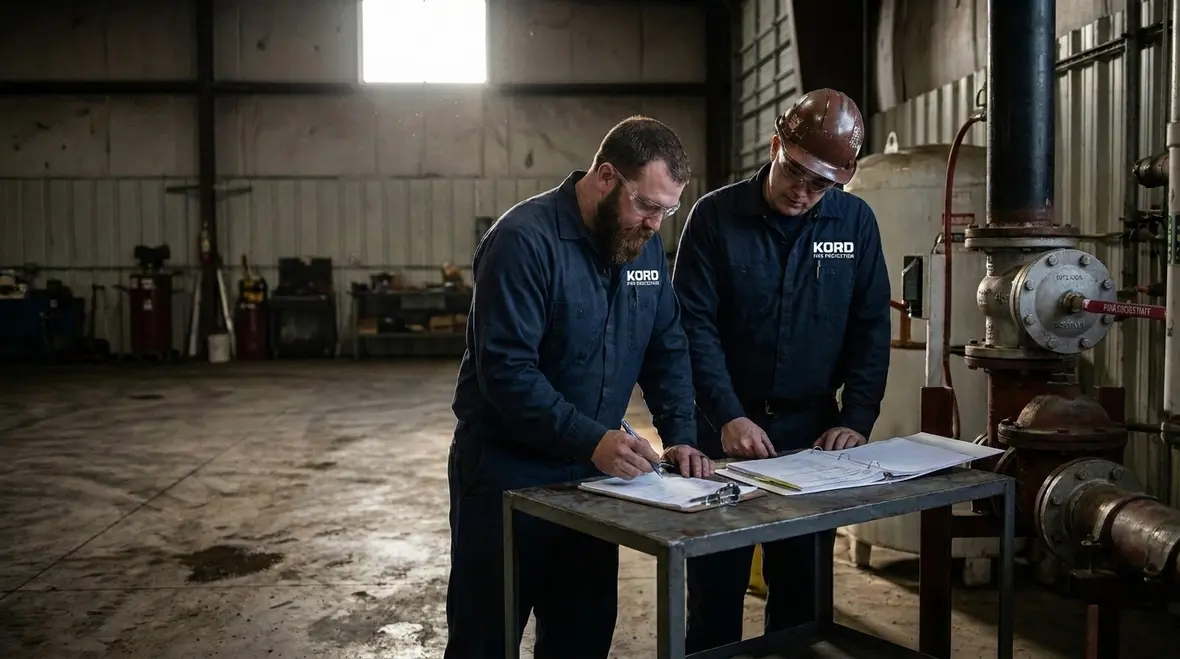
Even the best system loses value if nobody checks it. Foam water preprimed sprinklers need routine inspection to confirm valve position, piping condition, concentrate levels, proportioning readiness, and overall system status. Testing should also confirm that the arrangement still matches the site hazard and still performs in line with its intended function.
Experienced support matters here because small issues can become big problems if they go unnoticed. A trained team may catch corrosion, blocked lines, signage gaps, poor valve control, damaged components, or site changes that quietly affect the original design basis. Fire protection has to evolve when the business evolves. Otherwise, the system slowly drifts away from the risk it was supposed to manage.
Common reasons systems need review
- Building use changes that alter the hazard profile
- Storage arrangements that increase fuel load or block discharge patterns
- Process expansion that introduces new ignition or liquid fuel risks
- Deferred maintenance that leaves readiness to chance
- Documentation gaps that make compliance harder than it needs to be
How to Know if the System Still Fits the Site
A facility should review its foam water system whenever building use changes, stock changes, or process risk changes. A warehouse that adds more flammable goods may need a fresh look at coverage and discharge expectations. An industrial site that expands production may create new fire exposure that the original arrangement did not anticipate. A special hazard area that changes layout may also shift the way the system needs to perform.
In short, the code works best as part of a living safety plan rather than a one time checklist. Regular review helps confirm that the system still supports the hazard, the layout, and the business goals. It also helps management avoid the classic mistake of assuming that because a system exists, it must automatically still be suitable. Fire protection is many things, but mind reading is not one of them.
FAQ
Conclusion
NFPA 16 Section 4.5 gives facilities a clear path toward safer, faster fire response with preprimed foam water sprinkler systems. By emphasizing readiness, piping condition, and proper delivery, it supports the kind of performance high risk sites actually need when conditions go sideways. That is especially important where fire can spread fast, operations are valuable, and downtime hurts almost as much as the incident itself.
For commercial and industrial facilities, the right partner makes a real difference. Kord Fire Protection can help keep these systems ready, reliable, and aligned with the hazard they are meant to protect. When safety has to work the first time, not after a second attempt and an apology, dependable foam system support is worth taking seriously.

Join Our Newsletter!
Get the latest fire safety tips delivered straight to your inbox From our Newsletter.