NFPA 16 Section 4.4 Reserve Foam Supply in Australia
Quick Answer: NFPA 16 Section 4.4 requires a reliable reserve supply of foam concentrate for foam water systems, so protection does not fail when a fire does what fire does best: ruin everyone’s day. For industrial, retail, and commercial sites across Australia, proper foam reserve planning, storage, testing, and refill support help keep systems ready and compliant.
In busy sites, NFPA 16 reserve foam supply, foam water system backup foam, and smart fire suppression foam storage are not just technical details. They are the quiet guardrails that keep people, assets, and operations safe when a foam system must perform without delay. Across Australia, where industrial plants, warehouses, retail hubs, and commercial facilities all face different fire risks, reserve planning matters. It keeps response time tight, protects continuity, and helps teams avoid the painful surprise of finding an empty tank at the worst possible moment.
That is where Kord Fire Protection can become a vital partner. Sites reviewing broader fire suppression system services can connect reserve foam planning with practical inspection, maintenance, and readiness support instead of treating it like a lonely line item in a dusty compliance spreadsheet.
What NFPA 16 Section 4.4 Requires
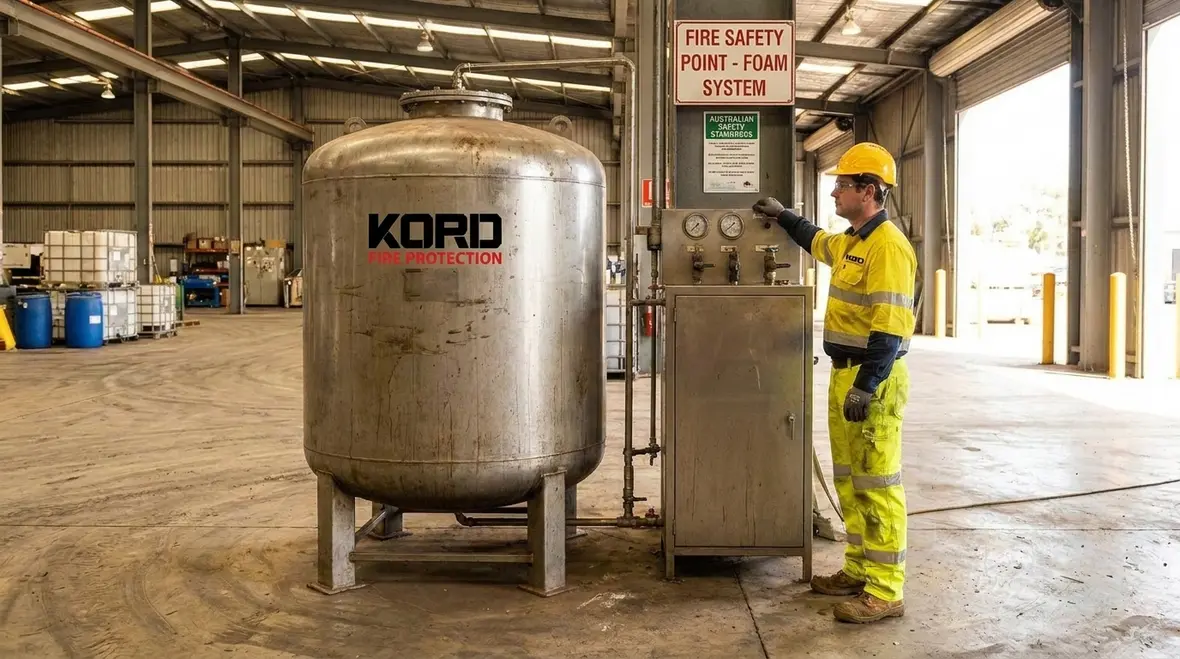
NFPA 16 Section 4.4 focuses on reserve supply for foam water systems. In plain terms, the system must have enough foam concentrate available to support the intended design demand. That reserve helps ensure the system can still work if the main supply has already been used, lost, or reduced during an incident.
Because foam systems protect high risk areas such as fuel storage, processing zones, loading docks, and chemical handling spaces, the reserve supply must match the site hazard. Therefore, the goal is not simply to store “some extra foam.” It is to store the right amount, in the right condition, and in the right place.
For many facilities, this requirement becomes a practical issue as much as a code issue. After all, a foam system with no usable reserve is like a superhero with a costume and no powers. It looks ready, but the main event tells the truth.
Reserve supply is about performance, not decoration
That distinction matters more than people sometimes admit. A reserve foam plan should answer a few simple but very serious questions. How much concentrate is actually required? Where is it stored? Is it protected from contamination or damage? Can the team access it quickly? Can the site restore the system after a discharge without starting a scavenger hunt worthy of its own reality show?
Why Reserve Foam Matters for Australian Facilities
Australian industrial and commercial sites often run long hours, handle mixed materials, and operate in fast paced settings. As a result, fire protection plans must support real use, not just paperwork. A proper reserve supply helps with continuity after system activation, fast restoration after discharge, protection during delivery delays or supply issues, reduced downtime after an incident or test, and better readiness for audits and inspections.
Continuity after system activation
Fast restoration after discharge
Protection during delivery delays or supply issues
Reduced downtime after an incident or test
Better readiness for audits and inspections
In addition, different facilities may need different reserve strategies. A warehouse in a logistics corridor will not carry the same risk profile as a fuel handling site or a manufacturing plant. So, reserve planning should reflect the actual hazard, system size, and operating schedule.
That is also why a one size fits all approach tends to age badly. Reserve supply decisions should follow the real hazard, not a hopeful guess or a copied number from another site with a completely different setup. Fire has never shown much respect for lazy assumptions.
How to Plan Fire Suppression Foam Storage
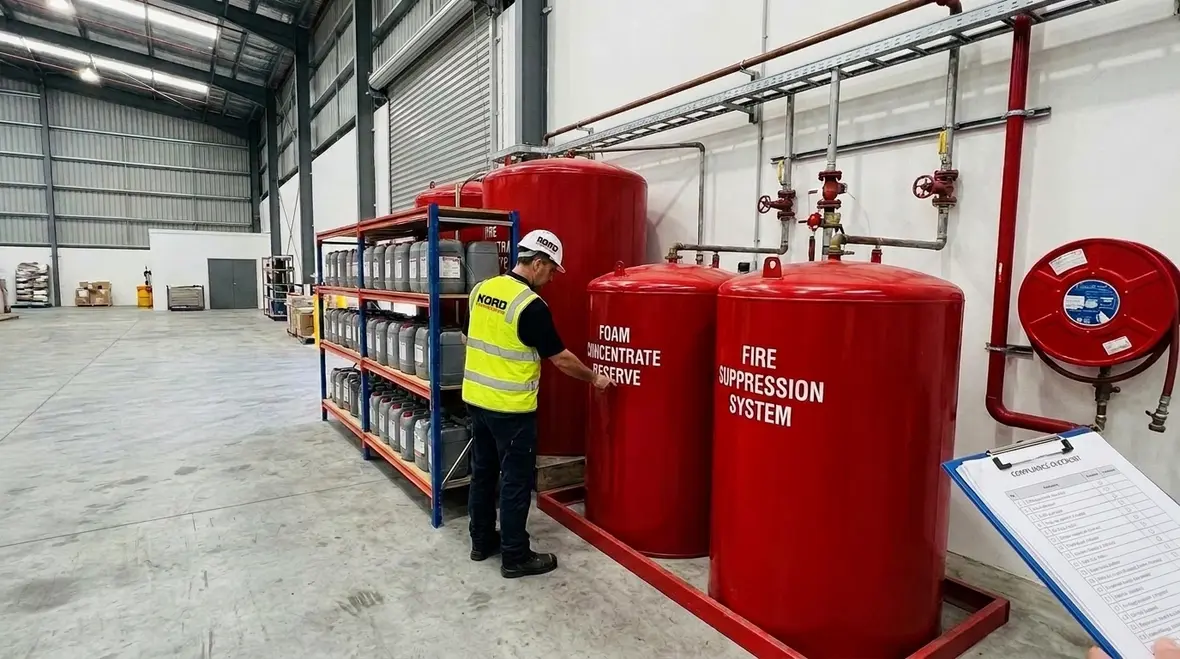
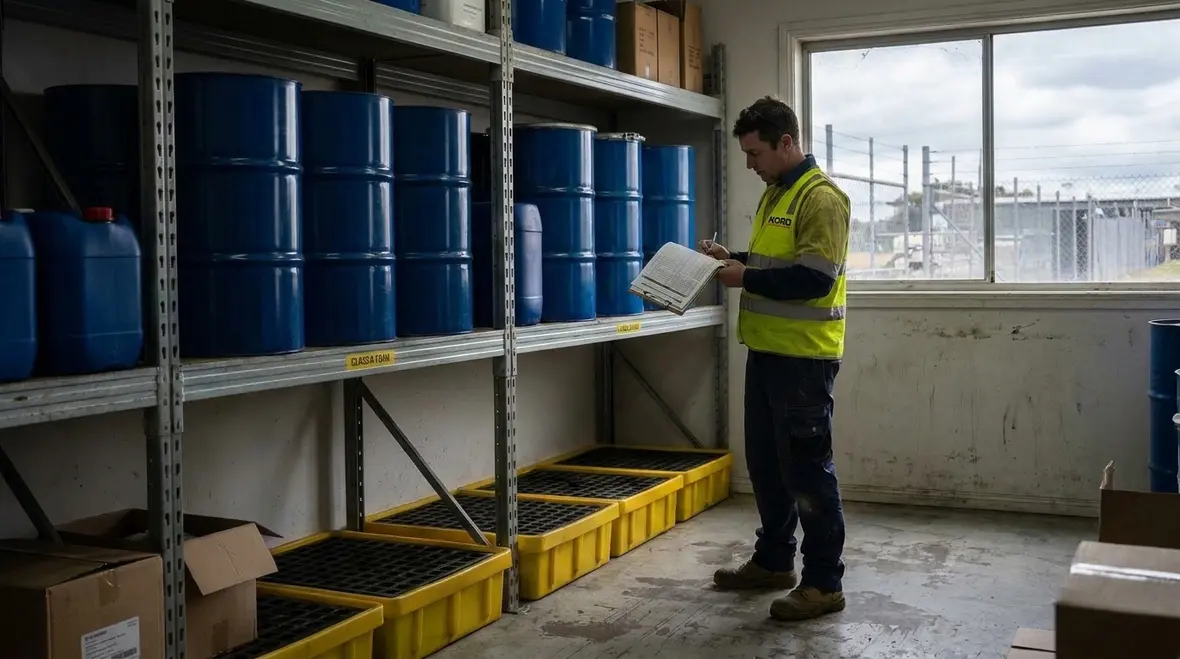
Good fire suppression foam storage starts with simple discipline. First, the site must confirm the required quantity of concentrate. Then, it must store that concentrate so it remains usable over time. Heat, cold, contamination, poor handling, and missed checks can all reduce performance. That is why storage matters just as much as volume.
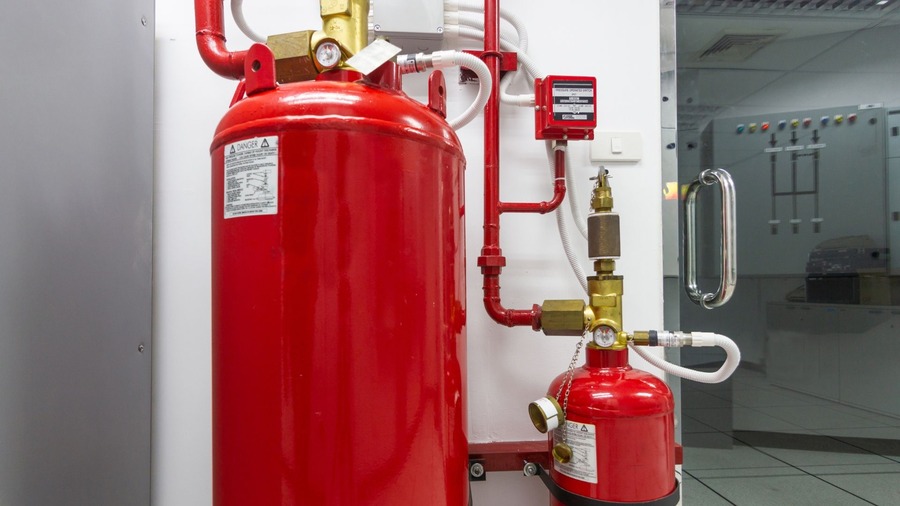
To support long term reliability, facilities should consider the correct container type and label control, protected storage away from damage and contamination, routine inspection of seals, dates, and condition, clear access for service and emergency use, and records that show stock levels and refill history.
Correct container type and label control
Protected storage away from damage and contamination
Routine inspection of seals, dates, and condition
Clear access for service and emergency use
Records that show stock levels and refill history
Moreover, storage areas should be easy to reach during maintenance or an emergency. If the reserve foam sits in a place that takes twenty minutes and three locked doors to reach, the setup may be “secure,” but it is not exactly helpful when seconds matter.
Storage checks that prevent expensive surprises
Facilities should make reserve reviews part of a normal service rhythm, not a dramatic once a year rediscovery mission. Label verification, stock counts, condition checks, refill timing, and access reviews may sound boring, but boring is excellent in fire protection. Boring means the system is predictable, the records are clean, and nobody is standing in front of an empty reserve tank asking questions that should have been answered six months earlier.
NFPA 16 Reserve Foam Supply and System Readiness
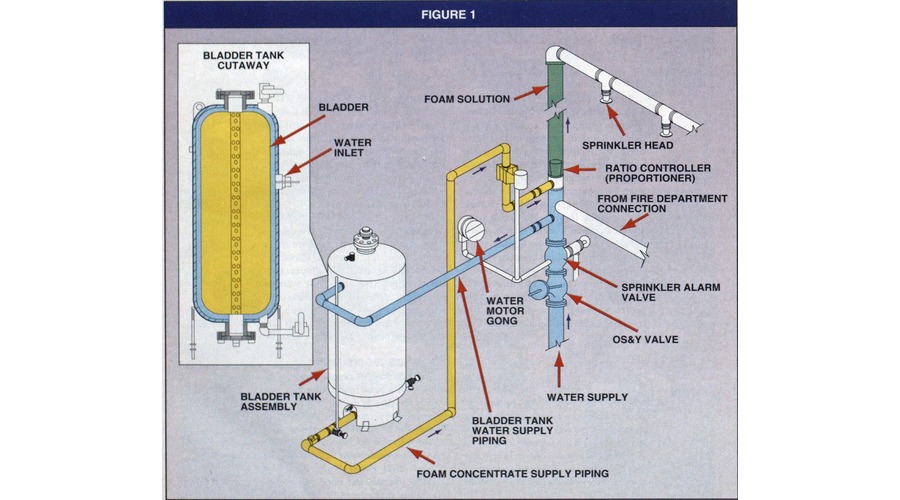
Reserve supply only works when the full system stays ready. That means valves, proportioning equipment, tanks, pumps, and controls must all function together. Even the best backup foam cannot save a system if the delivery path fails.
Here, regular testing and inspection become essential. Technicians should confirm that the concentrate remains compatible, the storage setup has not changed, and the system can still deliver the right mix at the right pressure. Also, any site change, such as a new process line or layout shift, should trigger a review of the reserve plan.
Facilities that want a stronger understanding of system design, compatibility, and concentrate planning can also review this foam fire suppression system guide. It fits naturally with reserve planning because backup foam only helps when the whole system is designed and maintained to work as one team.
Inspection and maintenance keep the reserve meaningful
A reserve tank full of concentrate can still create a false sense of confidence if the rest of the hardware is drifting out of condition. That is why planning should connect with inspection and testing routines. Kord’s related resources on foam fire suppression inspection requirements and service, foam fire suppression system maintenance and testing, and the NFPA 16 standard can help teams connect code intent with real operating readiness.
Site Need | What the Reserve Plan Should Cover |
High hazard areas | Enough foam concentrate for the full design demand and expected discharge time |
Busy operations | Easy access, fast refill support, and clear stock checks |
Multi site portfolios | Consistent storage standards across locations and shared service records |
How Kord Fire Protection Can Help
This is where Kord Fire Protection becomes more than a supplier. It becomes a working partner. For industrial, retail, and commercial facilities across Australia, Kord can support reserve foam planning, system checks, service coordination, and foam replenishment strategies that fit the site’s risk and schedule.
In practice, that support can help with reviewing reserve supply needs for NFPA 16 Section 4.4, checking storage conditions and product readiness, advising on backup foam quantities and site fit, supporting maintenance planning and refill timing, and reducing gaps between use, test, and replacement.
Reviewing reserve supply needs for NFPA 16 Section 4.4
Checking storage conditions and product readiness
Advising on backup foam quantities and site fit
Supporting maintenance planning and refill timing
Reducing gaps between use, test, and replacement
Because fire protection should not rely on guesswork, a partner like Kord helps turn compliance into a clear routine. That makes life easier for facility managers, safety teams, and owners who already juggle enough without adding “foam shortage crisis” to the list.
What Facilities Should Check Next
To stay ready, sites should review their foam reserve plan on a regular schedule. First, they should confirm the required reserve amount. Next, they should inspect storage and product condition. Then, they should verify that service records match actual stock. Finally, they should update the plan after changes to layout, process, or system design.
That simple loop supports both compliance and performance. It also helps avoid the common trap of assuming the reserve is fine because no one has looked at it in a while. As any seasoned operations manager knows, “out of sight” can quickly become “out of foam.”
FAQ
Conclusion
Facilities across Australia that rely on foam systems should treat reserve supply as a core safety asset, not a spare part. With the right planning, storage, and service support, the system stays ready when it matters most.
For teams that want practical help with NFPA 16 reserve foam supply and foam water system backup foam, Kord Fire Protection can help keep the plan strong, simple, and ready for action. The goal is not heroic last minute improvisation. The goal is dependable readiness long before anyone needs it.

Join Our Newsletter!
Get the latest fire safety tips delivered straight to your inbox From our Newsletter.