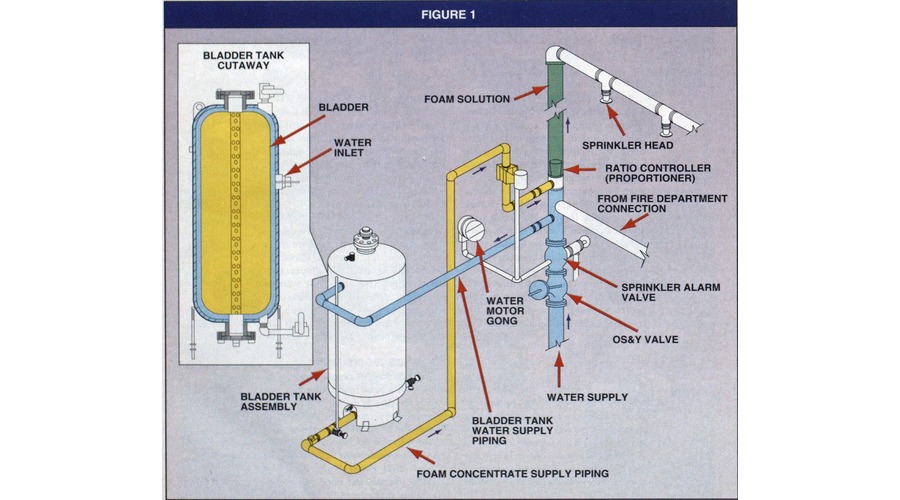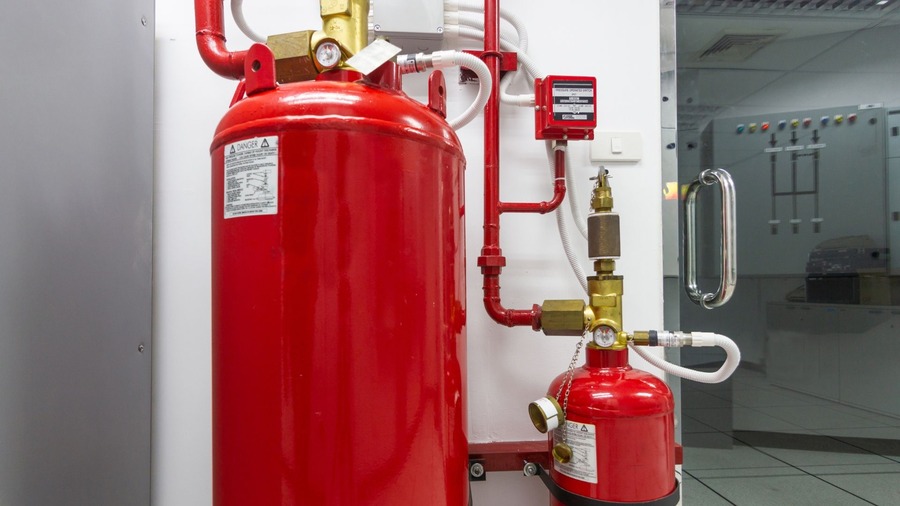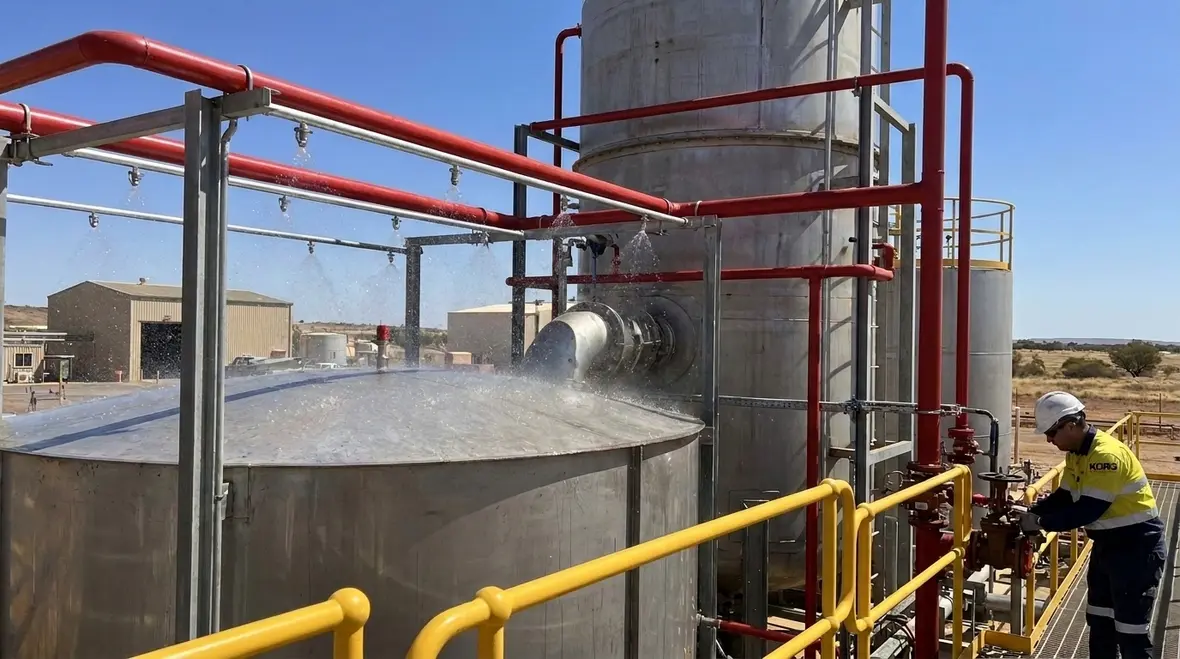
NFPA 15 Section 7.4 Exposure Protection Water Spray Design
Quick Answer
NFPA 15 Section 7.4 guides how water spray systems protect equipment, structures, and critical areas from fire exposure. In plain terms, it helps stop heat from spreading before damage grows teeth. For industrial, retail, commercial, and facility sites, Kord Fire Protection can design, install, and support these systems with practical know how.
If your site is reviewing broader fire protection needs at the same time, Kord Fire Protection also provides fire sprinkler system service that fits naturally into larger life safety planning.
NFPA 15 Exposure Protection Water Spray Design for Facilities
NFPA 15 exposure protection water spray design gives facilities a clear path to reduce fire spread and limit heat damage to nearby assets. In the first 100 to 150 words of any serious project discussion, this topic matters because exposure control often decides whether a fire stays local or turns into a much larger event. For industrial plants, retail centres, warehouses, and commercial buildings, this design approach helps protect equipment, structures, tanks, cable runs, and other critical assets. Kord Fire Protection can become a vital partner here, because the service calls for careful design, solid installation, and ongoing support that keeps the system ready when it is needed most.
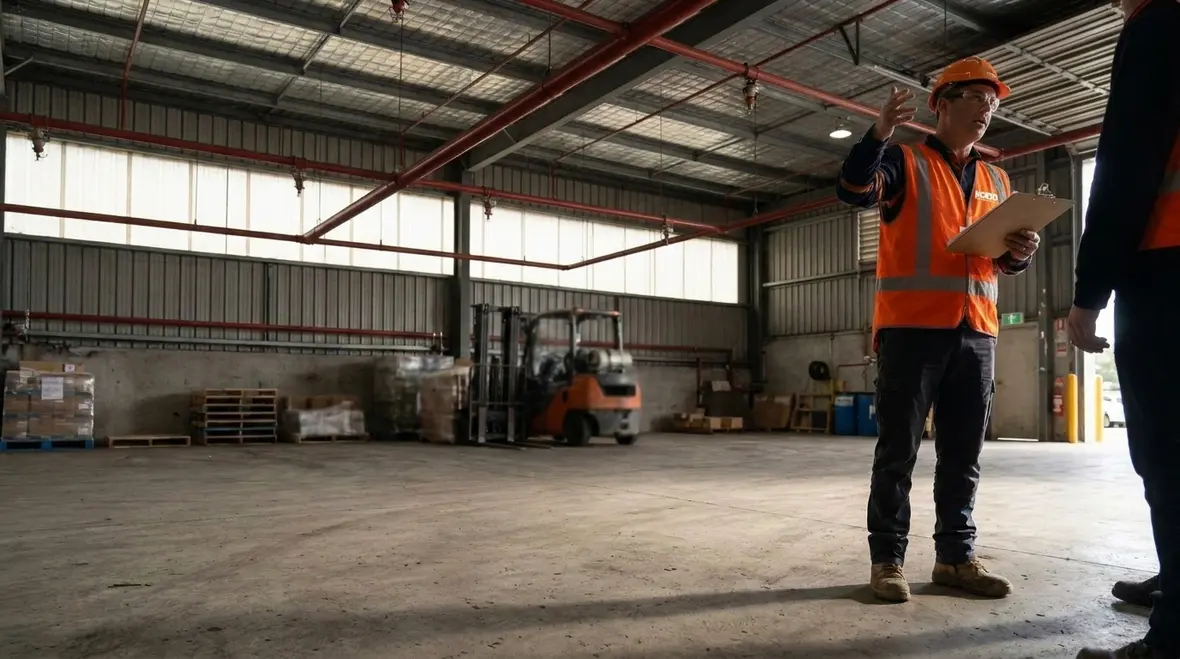
What NFPA 15 Section 7.4 Covers
Section 7.4 focuses on exposure protection using water spray systems. These systems do not only attack flames directly. Instead, they apply water to surfaces that face heat or radiant exposure from a fire elsewhere. As a result, the protected asset stays cooler, the risk of failure drops, and the fire has less chance to spread.
This matters in sites where one incident can affect several areas at once. For example, a fire near process equipment can threaten adjacent units, while a fire in a loading zone can expose walls, services, or stored goods. Therefore, the design must match the hazard, the layout, and the real world conditions on site. That is where a detailed NFPA 15 exposure protection water spray design becomes more than a document. It becomes a working shield.
Why Exposure Protection Is Different
A lot of people hear water spray and assume the goal is always direct fire knockdown. Not here. Exposure protection is about defending nearby assets from heat transfer, flame spread, and radiant energy. That distinction matters because the target of the system is often the thing you are trying to keep from becoming the next problem.
In practical terms, the system helps buy time. It cools surfaces, slows failure, and supports a wider site strategy. That can make the difference between a messy incident and a full site level headache with paperwork that seems to reproduce overnight.
How Exposure Protection Water Spray Systems Work
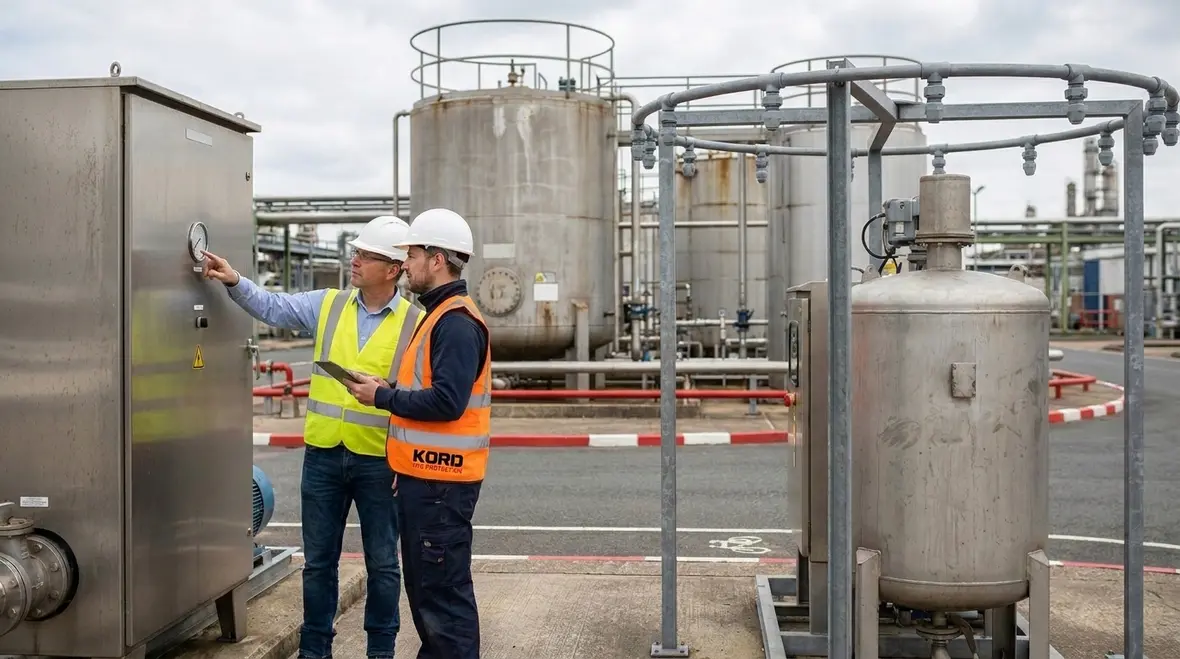
These systems use nozzles or spray devices arranged to wet the exposed surface with the right pattern and flow. Then, the water absorbs heat, lowers surface temperature, and helps block radiant energy. In many cases, the system also reduces the chance of ignition on nearby materials. Simple idea, serious effect. Fire tries to bring the drama, but water spray tells it to sit down and be quiet.
The design must consider water density, spacing, discharge pattern, water supply, and activation method. Moreover, the system must cover the full exposure area without wasting water where it adds little value. A good design team studies the target object, the fire source, wind effects, drainage, access, and the practical limits of the site. In short, the system must work in the real world, not just in a neat drawing on a screen.
Core Design Elements That Matter
Nozzle type and spray angle suited to the exposure surface
Spacing that avoids dry patches and overlap waste
Reliable water supply with enough flow for the design duration
Activation methods that fit the hazard and operational needs
Drainage and runoff planning so water does not create fresh problems
Access for testing, inspection, and maintenance over time
Each of those pieces sounds straightforward until a site layout gets awkward, a service corridor is tighter than expected, or the equipment arrangement turns into a game of where did that blind spot come from. Good design deals with that before installation starts, not after everyone is already pointing at the drawing.
Where This Design Matters Most
Exposure protection water spray systems support many commercial and industrial settings. They often protect:
Process equipment and machinery
Fuel or chemical storage areas
Electrical rooms and service risers
External walls facing fire risk zones
Loading docks and adjacent structures
Plant rooms, pipe racks, and cable trays
Retail back of house assets and high value storage areas
However, the real value is not just in the list. It is in how one protected area can stop a chain reaction across the site. That is why facilities teams, risk managers, and operations leaders should treat this as a planning tool, not a box ticking exercise.
This is also why related strategy content such as NFPA 15 enhancing fire safety with water spray fixed systems can be useful when teams are comparing system intent, hazard conditions, and asset protection priorities.
How Kord Fire Protection Supports the Service Job
Kord Fire Protection can play a vital role from first review to final handover. First, the team can assess the hazard and site layout. Next, it can help turn NFPA 15 Section 7.4 requirements into a practical design that suits the facility and its risk profile. Then, it can manage installation with the kind of care that prevents future headaches, because nobody enjoys a system that looks fine until the day it is needed.
Just as important, Kord Fire Protection can support testing, commissioning, and maintenance. Water spray systems depend on correct coverage, correct pressure, and reliable activation. Therefore, the service does not end when the pipes are in. It continues through routine checks, compliance support, and system readiness over time. For busy sites, that ongoing support can save time, reduce risk, and keep operations moving.
What Good Support Looks Like in Practice
The strongest projects usually have clear communication between designers, installers, site managers, and maintenance teams. That coordination helps ensure the system does not compete with access routes, operations, or future servicing. It also helps make sure documentation and testing align with how the facility actually runs, which is refreshing because real sites are not famous for staying perfectly tidy.
When a specialist partner understands both compliance language and site realities, the outcome is more useful from day one. That means fewer surprises during commissioning, cleaner maintenance planning, and better confidence that the system will do its job when conditions turn ugly.
NFPA 15 Exposure Protection Water Spray Design Details That Drive Performance
Good design starts with hazard understanding. After that, the designer must match nozzle type, spray angle, spacing, and water demand to the specific exposure. Also, the water supply must support the required flow for the full design duration. If supply falls short, the system may look impressive for about thirty seconds, which is roughly how long confidence lasts in a fire event.
Equally important, the layout must avoid blind spots. Surfaces that face the fire source need direct coverage. Likewise, the installation should consider maintenance access so inspections stay simple and reliable. In many facilities, the best design is the one that engineers can verify and operators can trust.
Design Focus
Site hazard review, exposure mapping, water supply checks, nozzle placement, and activation strategy.
Operational Value
Lower fire spread risk, better asset protection, stronger compliance support, and faster recovery after an incident.
Why Facilities Benefit From a Specialist Partner
Industrial, retail, and commercial sites face a wide range of risks, from hot plant rooms to dense service areas and high value equipment zones. Because of that, a one size approach rarely works. A specialist partner helps align the design with site needs, local conditions, and long term maintenance demands. Furthermore, Kord Fire Protection can help bridge the gap between code language and practical site use, which is often where projects succeed or struggle.
In addition, a capable partner can work alongside builders, engineers, facilities managers, and operations teams. That coordination matters, because exposure protection systems must fit into the wider fire strategy without slowing the site down. The result is a cleaner process, fewer surprises, and a better outcome for everyone involved.
FAQ
Conclusion
NFPA 15 Section 7.4 gives facilities a practical way to protect assets from fire exposure before damage spreads. The value is not only in meeting a requirement. It is in building a system that keeps heat from turning one incident into a wider disaster. When design decisions are based on real hazards, real layouts, and real operating conditions, the result is a system that supports both protection and continuity.
For sites that want stronger protection and fewer surprises, the right design and the right team matter. Kord Fire Protection can help deliver that support with clear advice, solid installation, and ongoing care. That makes the next step fairly simple. Start the conversation, review the exposure risks, and build a system that works when it counts.

Join Our Newsletter!
Get the latest fire safety tips delivered straight to your inbox From our Newsletter.