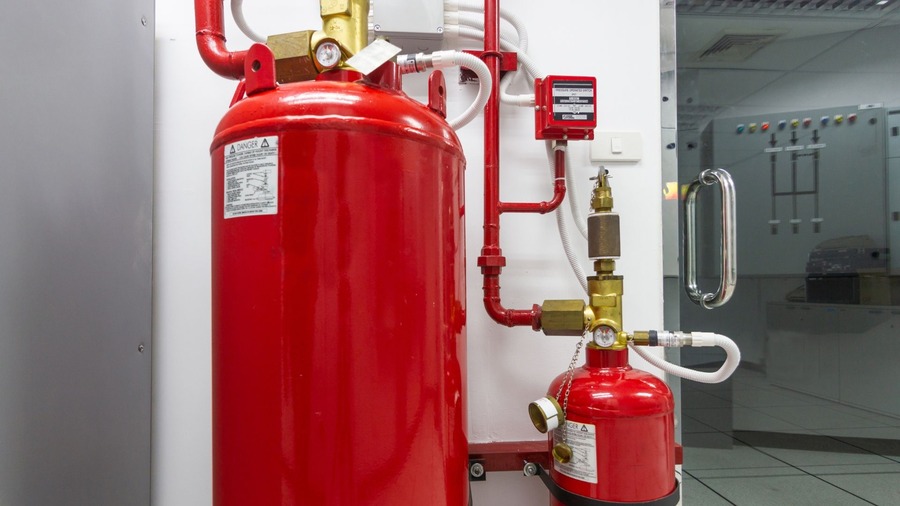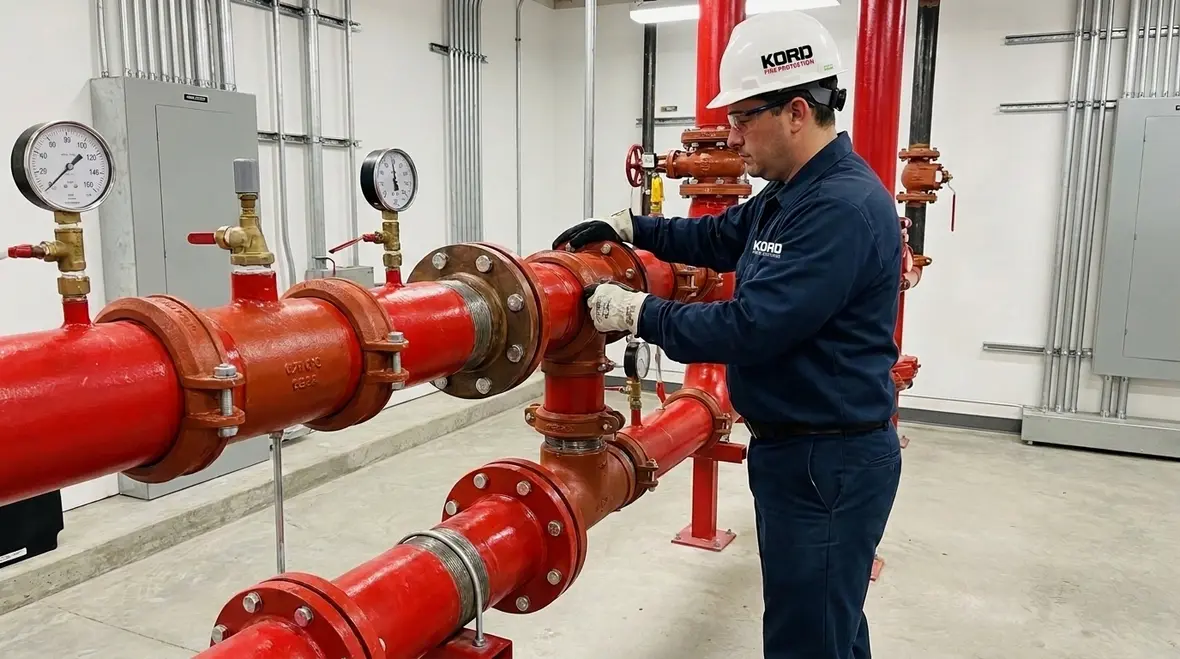
NFPA 15 Section 5.5 Pipe Joining Methods Water Spray
Quick Answer: NFPA 15 Section 5.5 explains how pipe and fittings must be joined in water spray systems so the system stays strong, sealed, and dependable during a fire event. For industrial, commercial, and facility sites across Australia, correct joining methods help reduce leaks, improve performance, and support long term compliance. Kord Fire Protection can help deliver that work with precision and practical site know how. Teams that need broader fire sprinkler system service support can also use that expertise to keep connected systems reliable from installation through maintenance.
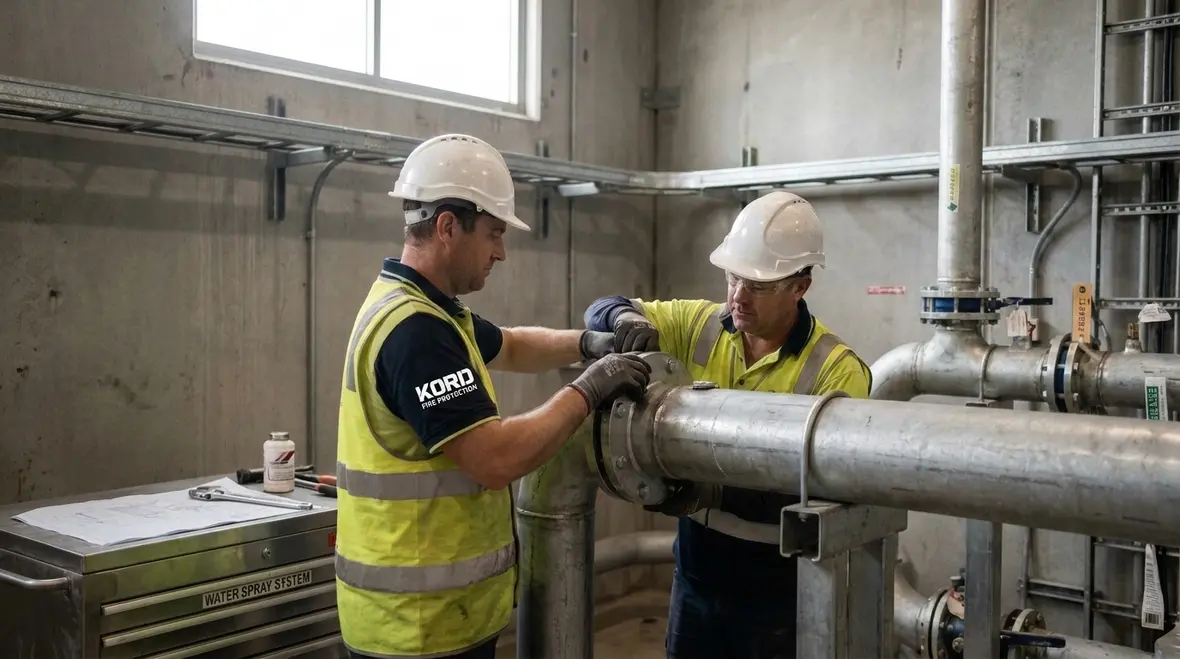
In water spray systems, the small details carry the heavy load. NFPA 15 pipe joining methods water spray systems rely on proper joining of pipe and fittings so the network can handle pressure, deliver water where needed, and stand up to real world service. Section 5.5 does not exist for decoration. It sets the stage for safety, durability, and system trust. For industrial plants, retail complexes, warehouses, and commercial facilities across Australia, this matters every single day. After all, a fire system that cannot hold together is about as useful as a screen door on a submarine.
What NFPA 15 Section 5.5 Means for Pipe Joining
The code is really about connection reliability
Section 5.5 focuses on how pipe and fittings must connect in a water spray arrangement. The aim is simple. The joints must remain secure, suitable for the service, and able to support the system design. In practice, that means the installer must choose approved joining methods and match them to the pipe material, system pressure, and site conditions.
Because water spray systems often protect critical equipment, process areas, fuel risks, and exposed surfaces, the joints must do more than just connect two pieces of pipe. They must help preserve flow, reduce leak risk, and keep the system ready when it counts. That is why experienced installation matters more than flashy promises and more than a superhero cape, even if the cape does look impressive.
This is also where practical execution starts to separate solid projects from expensive headaches. Pipe joining is not a side note tucked into a specification binder for someone to glance at once and forget. It influences how the system behaves under normal conditions, how it responds during testing, and how confidently site teams can rely on it later. When a fire event puts the system under pressure, nobody wants to discover that a shortcut was hiding inside a fitting connection.
Facilities that want a broader view of water spray applications can also explore NFPA 15 enhancing fire safety with water spray fixed systems, which helps place Section 5.5 into the larger system picture.
Which Joining Methods Suit Water Spray Systems?
Common methods and where they make sense
NFPA 15 allows joining methods only when they fit the system design and the materials used. Common methods can include threaded joints, flanged joints, grooved couplings, welded connections, and other approved methods, depending on the application. However, the right choice depends on pipe size, pressure, corrosion exposure, access for maintenance, and the nature of the hazard protected.
Here is where many projects either stay neat or drift into avoidable trouble. A method that works well in one plant may fail in another if the site has vibration, heat, chemical exposure, or tight access. Therefore, the installer should not just “make it fit.” The installer should make it fit the job.
| Joining method | Why teams use it |
|---|---|
| Threaded joints | Useful for smaller pipe sizes and specific layouts, but they need correct fit and care to avoid leaks |
| Grooved couplings | Fast to install and useful where maintenance access or vibration control matters |
| Flanged joints | Strong and service friendly, often chosen where equipment connections and disassembly may be needed |
| Welded joints | Suitable for certain steel systems where a permanent, robust connection suits the design |
Each method brings tradeoffs. Threaded joints can be practical and familiar, but they demand care during assembly and sealing. Grooved couplings can speed installation and simplify later service access, which is handy when downtime is treated like a crime scene. Flanged joints can be especially useful near valves, pumps, or equipment where future removal may be necessary. Welded joints can provide a robust permanent connection, though they require the right process control and workmanship from start to finish.
The point is not to crown one method as the universal champion. The point is to select a method that matches the project conditions honestly. If the site has vibration, maintenance constraints, or harsh environmental exposure, the joining method needs to account for that reality instead of pretending the building exists in a peaceful vacuum.
Why Code Compliant Joins Protect System Performance
Leaks, pressure loss, and failure do not happen by magic
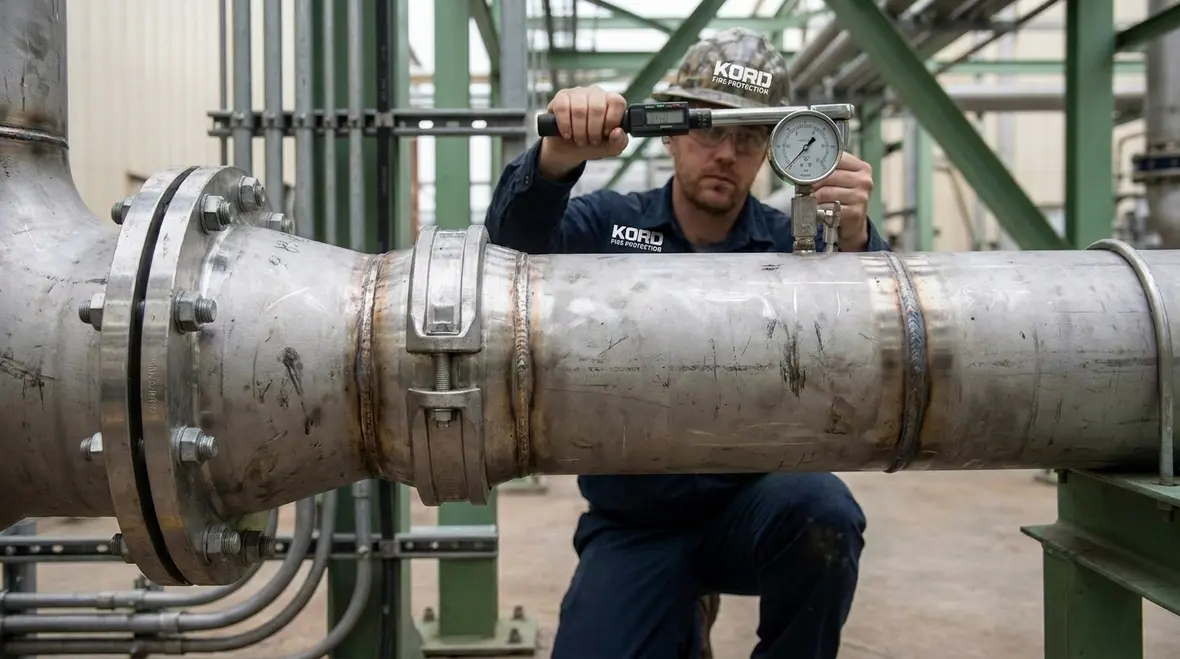
Good joints do not just keep water inside the pipe. They help the full system perform as designed. A weak joint can create seepage, pressure loss, corrosion points, or full failure at the worst possible time. Moreover, leaks can damage nearby assets, raise maintenance costs, and trigger downtime that no site manager wants to explain at Monday’s meeting.
Compliance also supports inspection and testing. When the pipe joining method follows the standard, the system is easier to inspect, maintain, and verify. That gives facility teams more confidence and less drama. And in safety work, less drama is usually the dream.
There is a larger operational benefit too. Reliable joins contribute to stable flow characteristics, fewer nuisance repairs, and stronger confidence in downstream components such as nozzles, valves, and trim arrangements. If the piping network is compromised, even excellent equipment downstream may not receive the pressure or volume it expects. That turns a system design problem into a performance problem very quickly.
Sites that care about long term reliability often benefit from related guidance on preventing avoidable damage as well. Kord Fire Protection’s article on fire sprinkler system damage prevention in Australia is a useful internal resource for teams thinking beyond installation day.
How Kord Fire Protection Supports Industrial and Commercial Sites
Practical support matters more than pretty promises
Kord Fire Protection can become a vital partner because it brings practical fire protection knowledge into the real world of site work, not just the page of a standard. For businesses across Australia, that matters. Water spray systems often protect mission critical areas, so the joining method must match the application, the environment, and the compliance goal.
- Selection of suitable pipe joining methods for the system and site
- Installation work that follows NFPA 15 Section 5.5 principles
- Coordination with other trades to reduce delays and rework
- Testing and checks that support dependable operation
- Maintenance planning that helps preserve long term system integrity
This kind of support is especially useful for industrial sites, logistics hubs, shopping centers, plant rooms, and other busy facilities. These sites need systems that work, not systems that merely look good on paper. Kord Fire Protection can help bridge that gap with hands on experience and a calm, methodical approach.
That practical mindset aligns well with Kord Fire Protection’s broader full fire protection services, where inspection, service readiness, repairs, and system support are treated as part of the same lifecycle rather than disconnected tasks.
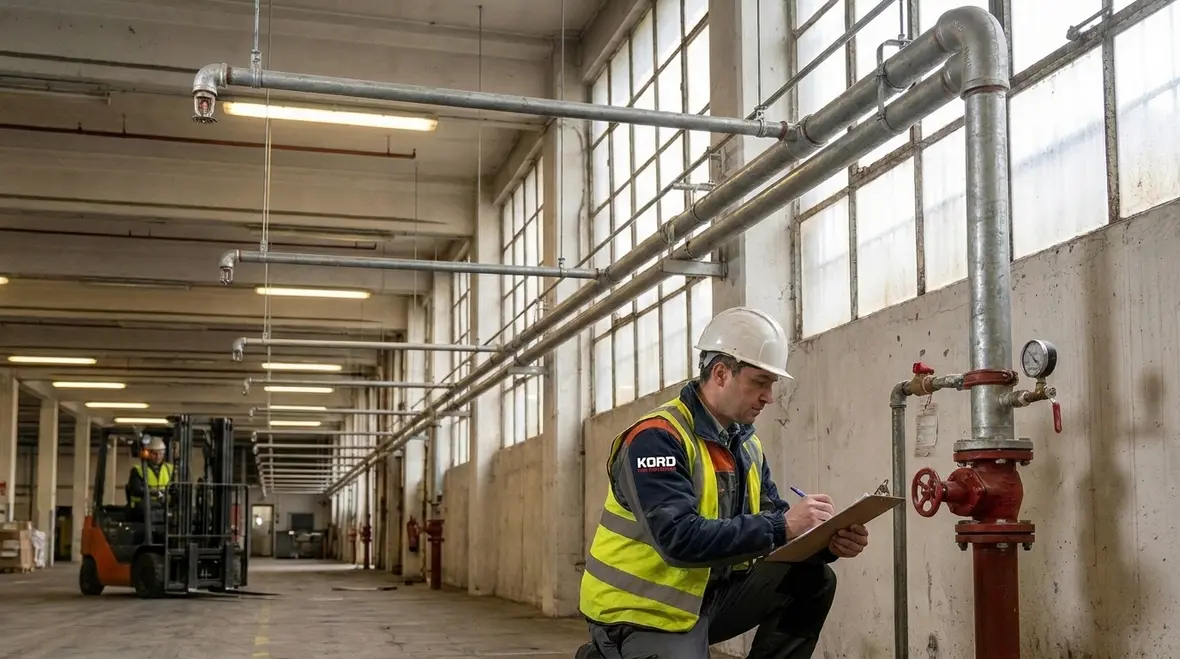
How Site Teams Can Reduce Risk During Installation
Planning early saves pain later
Site teams can improve results by planning the join method early, checking material compatibility, and confirming that every connection suits the layout. In addition, they should verify workmanship, support the pipe correctly, and make sure the system allows for inspection after installation. Small errors in joining can become big problems later, and fire protection rarely gives second chances.
Good coordination also matters. When designers, installers, and maintenance teams work together, the system has a better chance of staying reliable for years. That collaboration saves time, cuts waste, and keeps the project moving with fewer surprises. In other words, it keeps the wheels on the bus while the bus is moving very fast.
A few habits tend to make a noticeable difference. Confirm the joining method before materials arrive on site. Check that fittings, gaskets, fasteners, and pipe types all belong in the same conversation. Review access around valves and service points before a connection becomes trapped behind equipment or structure. And document what was installed so future inspections do not feel like archaeological research with hard hats.
When installation teams and facility stakeholders share the same expectations, systems are less likely to suffer from rushed decisions or awkward retrofits later. That saves labor, protects performance, and reduces the kind of rework that quietly eats budgets while everyone pretends not to notice.
FAQ
Conclusion
NFPA 15 Section 5.5 sets a clear path for safe pipe and fitting joins in water spray systems. For facilities that need dependable fire protection, the right partner makes all the difference. Kord Fire Protection can help deliver compliant installation, practical guidance, and lasting system performance.
For teams that want the job done right the first time, that is a very good place to start. When the joining method matches the hazard, the materials, and the site conditions, the system stands a far better chance of doing exactly what it was designed to do when the pressure is on.

Join Our Newsletter!
Get the latest fire safety tips delivered straight to your inbox From our Newsletter.