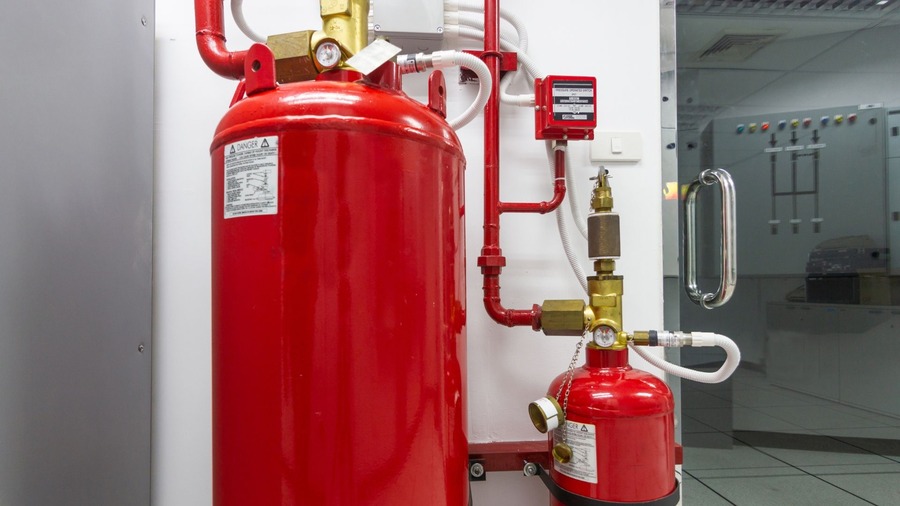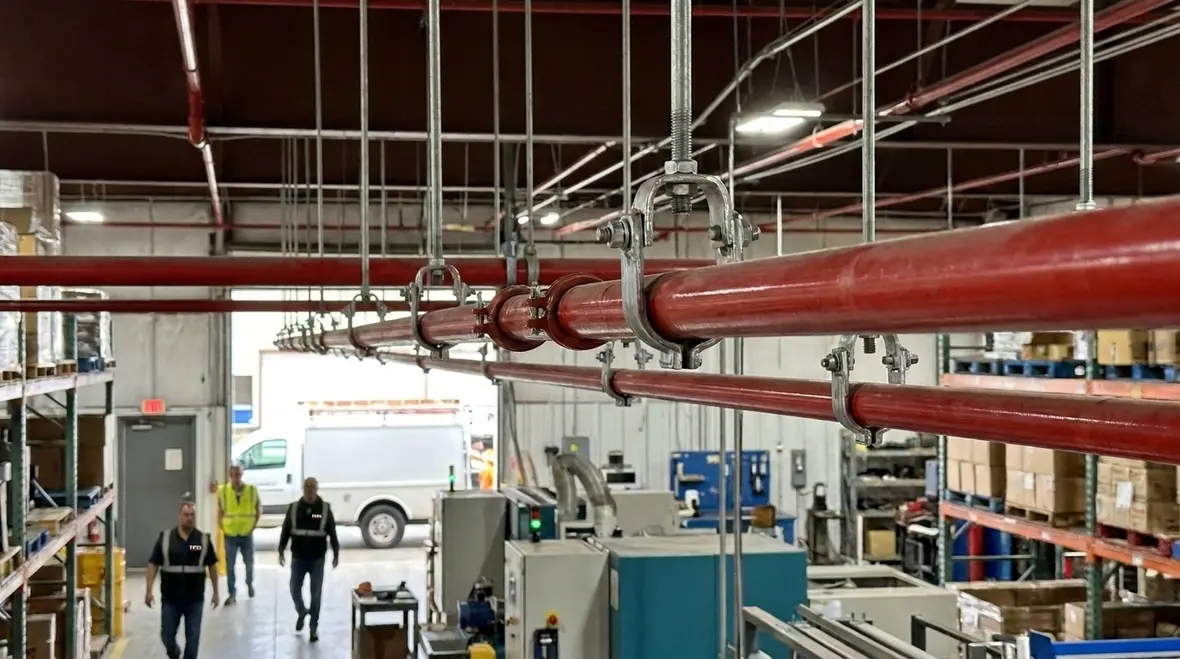
NFPA 15 Section 5.6 Pipe Hangers for Water Spray Systems
Quick Answer: NFPA 15 Section 5.6 sets the standard for hangers in water spray piping systems, helping keep pipes secure, aligned, and ready to perform under pressure. Proper support is not just tidy work; it is a safety job. For sites that need compliant installation and dependable long term performance, Kord Fire Protection can support the work with practical system knowledge and code aware execution.
When a NFPA 15 pipe hangers water spray installation is done well, the whole system stands a better chance of doing its job when it matters most. That matters in warehouses, processing plants, retail sites, and busy commercial facilities. In the first stretch of this topic, it is worth saying plainly: the hanger system is not background hardware. It is part of the protection plan. If the pipes move, sag, or fail, the spray system can lose performance. And nobody wants that kind of plot twist.
NFPA 15 Section 5.6 focuses on how water spray piping should be supported, secured, and spaced. While the code may sound dry enough to make a spreadsheet blush, the purpose is serious. Proper hangers help maintain system integrity during daily use, vibration, thermal movement, and discharge conditions. For businesses relying on broader fire sprinkler system service, getting the support details right helps protect equipment, operations, and continuity when performance really counts. It also fits naturally with Kord Fire Protection’s broader guidance on NFPA 15 water spray fixed systems, where the design only works if the piping stays where it belongs.
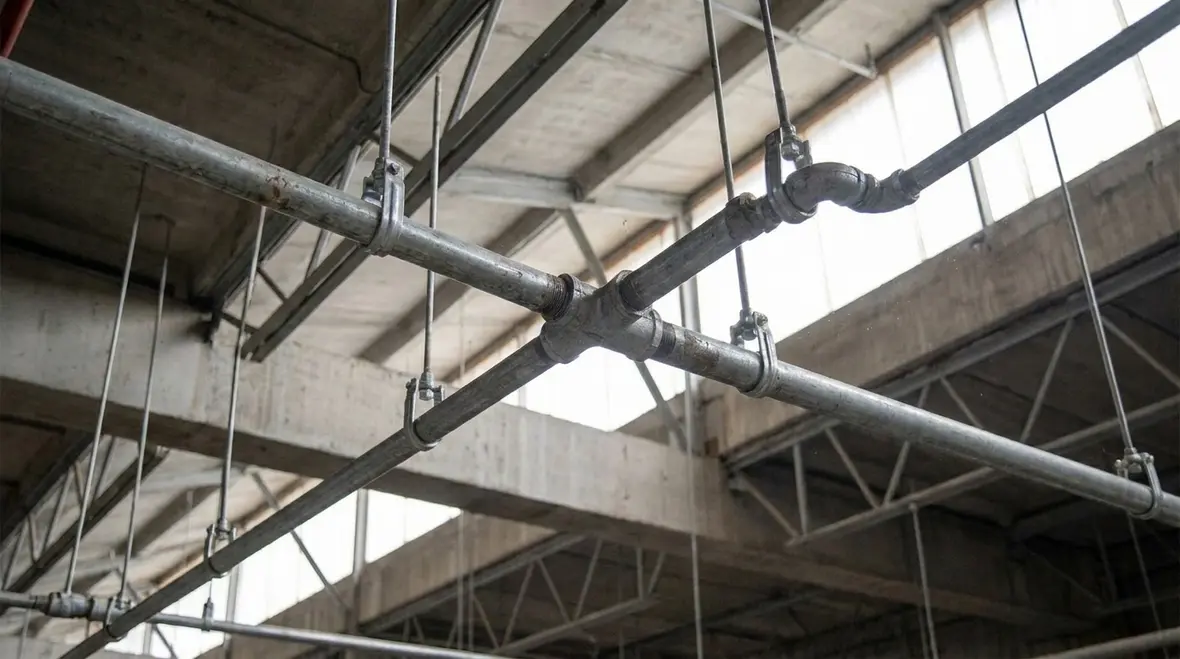
What NFPA 15 Section 5.6 Means for Pipe Support
NFPA 15 Section 5.6 deals with the hangers and supports that hold water spray piping in place. In simple terms, it makes sure the pipe does not wander off like it missed its meeting. The section helps ensure that the system stays stable enough to operate as designed. As a result, the pipe network can keep alignment, avoid stress on joints, and reduce the risk of damage during operation.
This matters because water spray systems are often installed to protect high value hazards, process areas, transformers, conveyors, loading zones, and other spaces where conditions are not always gentle. A pipe that is poorly supported may begin with a small sag, a little strain, or a bit of vibration. Left alone, those small issues can grow into alignment problems, fitting stress, or support failures that affect system readiness. That is a lot of trouble from something that looked harmless on day one.
For industrial and commercial sites, piping often runs through active zones with machinery, overhead services, foot traffic below, and temperature changes above. Vibration from equipment, changes in load, and building movement can all affect support points. Therefore, hangers must do more than hold weight. They must manage the forces that try to pull the system out of shape while still keeping the piping arranged to discharge water where the design intends.
Why support details are not just a drafting note
A support layout might look modest on a drawing, but in the field it carries real responsibility. The hangers influence pipe elevation, nozzle position, valve stability, and the behavior of the line during discharge. If those supports are inconsistent, the system may still look acceptable from a distance while quietly building stress in all the wrong places. Fire protection has enough excitement already. It does not need hidden mechanical drama too.
How Water Spray Hangers Protect System Performance
Pipe hangers do a quiet job, which is usually how the best safety gear behaves. They support the system so the spray pattern stays dependable and the pipes stay connected as intended. When a NFPA 15 pipe hangers water spray installation is done correctly, the system is less likely to suffer from droop, stress, or unwanted movement.
That support also helps with service life. Properly installed hangers reduce strain on fittings and valves, and they help keep maintenance simpler over time. In facilities where shutdowns cost money, that is no small thing. A stable pipe system is a practical one, and in a world full of surprises, practical is very welcome.
Performance protection is not only about the day a fire event happens. It also shows up in the months and years beforehand. Well supported piping is easier to inspect, easier to understand, and less likely to suffer avoidable wear. If maintenance staff can look at a line and see clean routing, proper spacing, and secure support points, they can usually spot changes faster. That kind of clarity saves time and helps small concerns get fixed before they become larger headaches.
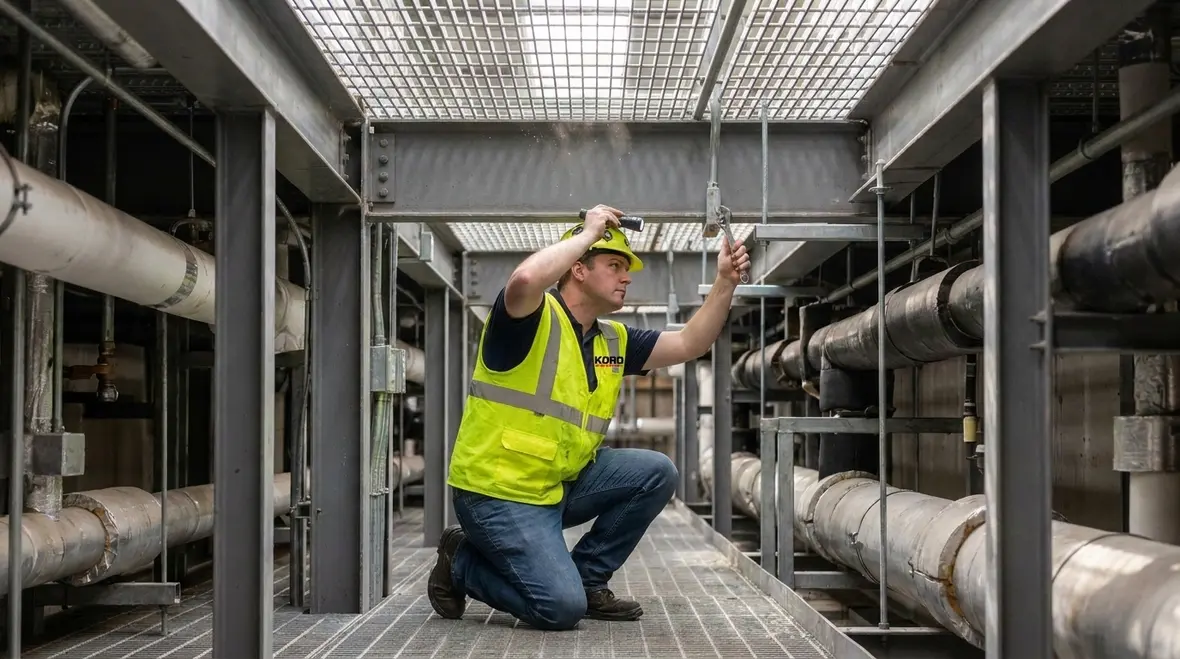
Common performance risks poor support can create
Uneven pipe alignment that shifts nozzle orientation
Extra stress on fittings, valves, and threaded or grooved joints
Movement caused by vibration, thermal change, or operational forces
Reduced inspection clarity because the system no longer sits cleanly in place
Premature maintenance issues that interrupt normal operations
What Installers Must Check During Water Spray Pipe Hanger Work
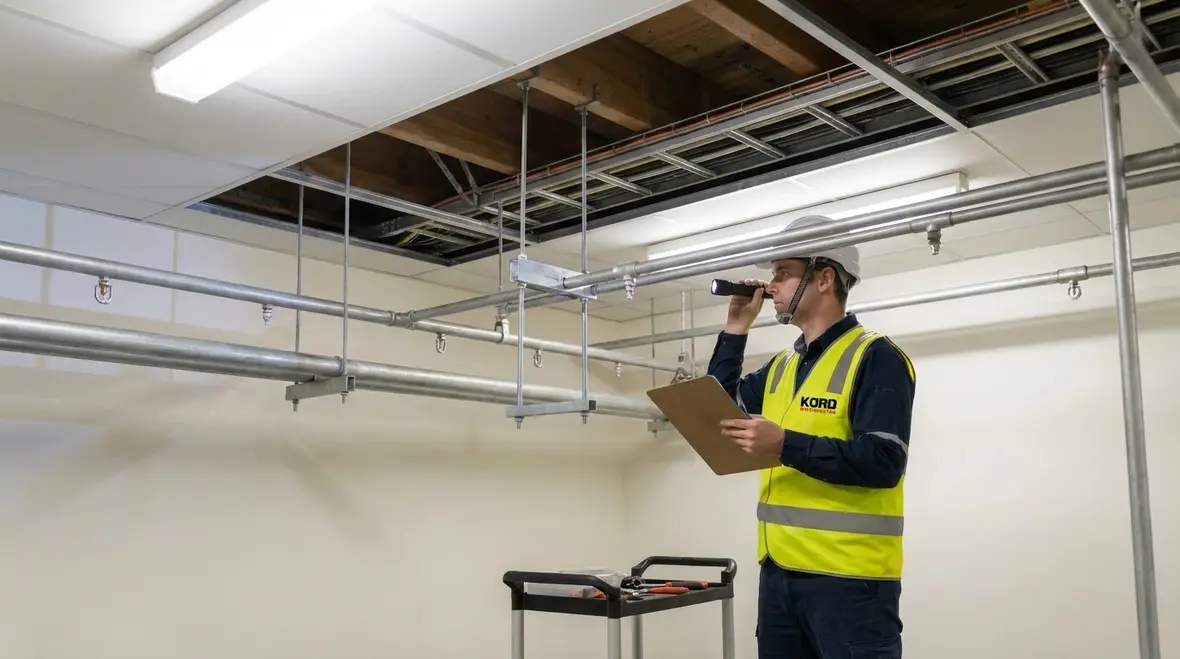
Installers should check several key points before, during, and after installation. First, hanger placement should match the design and support the pipe at the right intervals. Next, the hanger type must suit the pipe size, pipe load, and site conditions. Finally, the system should allow for movement where needed, while still keeping the pipe secure.
It also helps to verify that the supports do not interfere with the spray pattern or other building services. After all, a hanger should support the pipe, not stage a scene like it is auditioning for a superhero movie. Good planning reduces rework, improves code alignment, and helps the system perform better on day one and day one hundred.
Installers also benefit from stepping back and reviewing the full path of the system rather than treating each support as a separate task. A support point can be technically present and still not be helpful if it crowds access, conflicts with structure, or places unnecessary stress near a fitting. The best installs usually look calm, deliberate, and almost boring. In fire protection, boring in the best possible way is often a compliment.
| Support Focus | Why It Matters |
| Correct hanger spacing | Helps carry pipe weight and limits sag |
| Right hanger type | Matches load, pipe size, and site conditions |
| Secure attachment points | Prevents movement and system stress |
| Clear spray path | Keeps discharge effective and unobstructed |
| Access for maintenance | Supports inspection and easier long term service |
A practical field checklist
Confirm support locations against the design intent
Check that attachments are secure and suitable for the structure
Review clearance around nozzles, valves, and nearby services
Allow for site movement where the system requires it
Inspect final alignment so the piping remains neat and stable
Why the Right Compliance Partner Matters
Industrial, retail, and commercial facilities often face tight schedules, active operations, and complex layouts. That means the installation team cannot just know the code language. They also need to work cleanly, communicate clearly, and fit support work into real site conditions without turning the project into a traveling circus.
This is where the value of the right partner becomes clear. The work is not only about putting hangers on pipe. It is about understanding code intent, site constraints, discharge performance, maintenance access, and long term reliability. A team that can read the field as well as the drawings is usually the team that prevents problems before they arrive wearing steel toe boots.
Kord Fire Protection fits naturally into that role because its broader service approach includes system installation, inspections, maintenance support, and fire protection coordination across related scopes. That wider perspective helps support decisions make sense not only on install day, but over the full life of the system as conditions change and facility needs evolve.

How Kord Fire Protection Supports This Service
Kord Fire Protection brings practical value to NFPA 15 related work by helping with correct installation, system support, and attention to compliance detail. The team can help plan hanger placement, work around building constraints, and make sure the installation supports the water spray system as intended.
In addition, Kord Fire Protection can assist with inspection readiness and maintenance support. That means clients do not just get a set of hangers and a pat on the back. They get a partner that understands how fire protection systems should function in busy industrial and commercial environments. For businesses, that is peace of mind with boots on the ground.
That support also aligns well with the way Kord Fire Protection presents its wider full fire protection services. When support work is coordinated with inspections, repair strategy, and system readiness, site teams avoid fragmented decisions that solve one issue while creating another. A connected approach is often the difference between a compliant installation and a genuinely dependable one.
Why Maintenance and Inspection Still Matter
Even a strong installation needs ongoing checks. Over time, vibration, added loads, corrosion, and building changes can affect hanger performance. Therefore, regular inspection helps catch issues before they become system failures. It also helps confirm that the support arrangement still matches the system design and the site conditions.
This is especially useful in facilities where operations shift often. New equipment may be added, layouts may change, and access routes may move around. As a result, water spray piping should stay on the maintenance radar, not tucked away and forgotten like an old office plant nobody waters.
Routine attention also creates better records, better planning, and fewer surprises during inspections or project changes. If hanger conditions are reviewed as part of normal service activity, teams can respond early to corrosion, interference, or movement. That is far easier than waiting until an upgrade, shutdown, or emergency reveals that the support system has been quietly asking for help for quite some time.
FAQ
Conclusion: Put the Right Support Under the System
NFPA 15 Section 5.6 is not just about hardware. It is about confidence, stability, and performance when a water spray system must do its job. The right hanger installation helps protect piping alignment, maintain discharge intent, and support long term reliability across demanding facilities.
For projects that need a partner who treats support work with the seriousness it deserves, Kord Fire Protection can help deliver practical, compliant, and well coordinated results. Good support may not be flashy, but when the system needs to perform, it becomes one of the smartest decisions in the room.

Join Our Newsletter!
Get the latest fire safety tips delivered straight to your inbox From our Newsletter.