
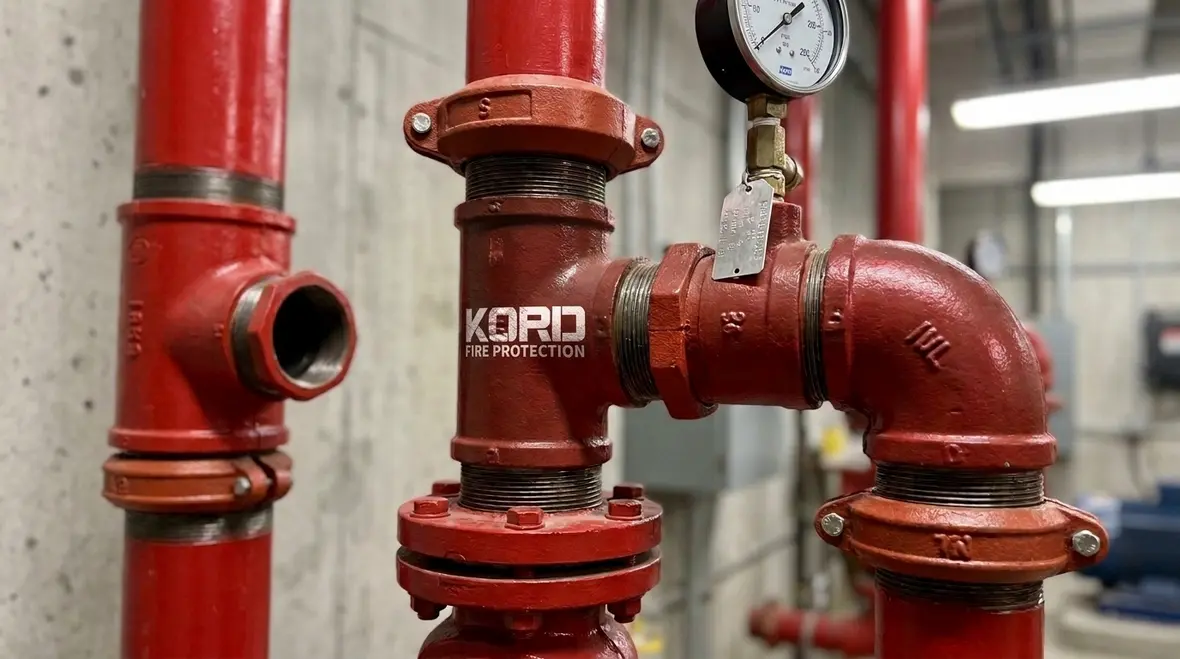
NFPA 15 Section 5.4 Water Spray Pipe Fittings Guide
Quick Answer
NFPA 15 Section 5.4 sets the rules for fittings used in water spray fire systems, and that matters because the wrong fitting can turn a strong protection plan into a weak link. For industrial, retail, and commercial sites, Kord Fire Protection can help ensure the right parts, correct install, and reliable compliance. If your site also needs broader system support, Kord Fire’s fire sprinkler system service fits naturally into the same conversation because fittings do not live in isolation. They live inside real working systems that have to perform when the pressure is on, literally.
What NFPA 15 pipe fittings water spray standards mean in plain language
NFPA 15 pipe fittings water spray standards guide how fittings must perform in water spray fire systems, so the system can deliver water where it is needed, when it is needed. In simple terms, the fittings must support safe flow, proper pressure, and dependable spray coverage. That sounds tidy on paper, and frankly, it should. In the real world, a fitting that looks fine can still fail under heat, corrosion, vibration, or poor installation.
For industrial and commercial facilities, this standard matters because water spray systems often protect critical plant, storage areas, electrical equipment, fuel risks, and process zones. Therefore, every fitting must match the system design and the hazard it protects. A small part can carry a very large job. Even superheroes need decent boots.
Why the wording matters in practice
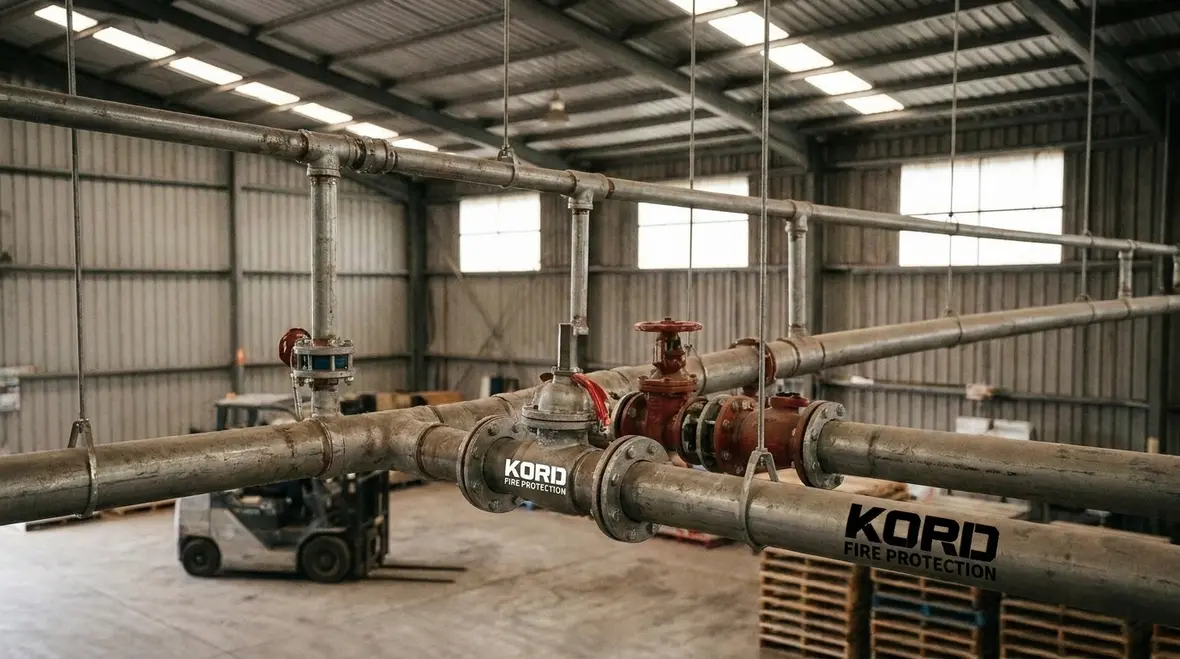
Standards language can seem dry until you connect it to field conditions. A fitting is not just a connector on a drawing. It is a pressure handling, direction changing, system supporting component that influences whether the spray pattern stays effective during an actual incident. Once you see it that way, Section 5.4 stops looking like technical clutter and starts looking like cheap insurance against expensive mistakes.
Why Section 5.4 matters for system safety
Section 5.4 focuses on fittings because fittings do more than connect pipe. They help control flow, hold pressure, support layout changes, and keep the system stable during a fire event. As a result, the fitting choice affects both performance and safety.
When fittings are wrong, the system may leak, lose pressure, or spray in the wrong pattern. That can reduce fire control and create costly downtime. However, when fittings meet the standard and suit the design, the system can work with confidence. For facilities teams and asset managers, that means fewer surprises and better long term reliability.
This is one reason many property teams pair standards review with real maintenance planning. Kord Fire highlights inspections, testing, repairs, and maintenance as part of its broader fire protection support, which is useful because compliance does not end when the install crew packs up the ute and disappears down the road. It carries on through the life of the system.
The hidden cost of a weak fitting choice
The visible cost of the wrong fitting might be a leak or a failed inspection. The hidden cost is worse. It can mean rework, shutdowns, disrupted operations, and doubt about whether the system will respond correctly in a high heat event. Nobody wants a protection strategy with an asterisk next to it.
How to choose fittings for a water spray system
Choosing fittings starts with the system design, hazard type, and operating conditions. Then the team must check material strength, corrosion resistance, pressure rating, and suitability for the environment. On many sites, that means considering heat, humidity, vibration, outdoor exposure, and industrial contaminants all at once. Mother Nature likes to test hardware, and she does not send a warning email.
- Correct pressure rating for the system demand
- Compatible materials for water quality and site conditions
- Reliable joint integrity under stress
- Proper sizing to support flow and spray performance
- Compliance with the approved design and applicable standards
Because every site is different, a one size fits all approach rarely works. Instead, the best result comes from matching the fitting to the hazard, the pipework, and the maintenance plan. A storage facility, process area, utility yard, and manufacturing line may all sit on the same property and still need different thinking.
Material, pressure, and environment all need to agree
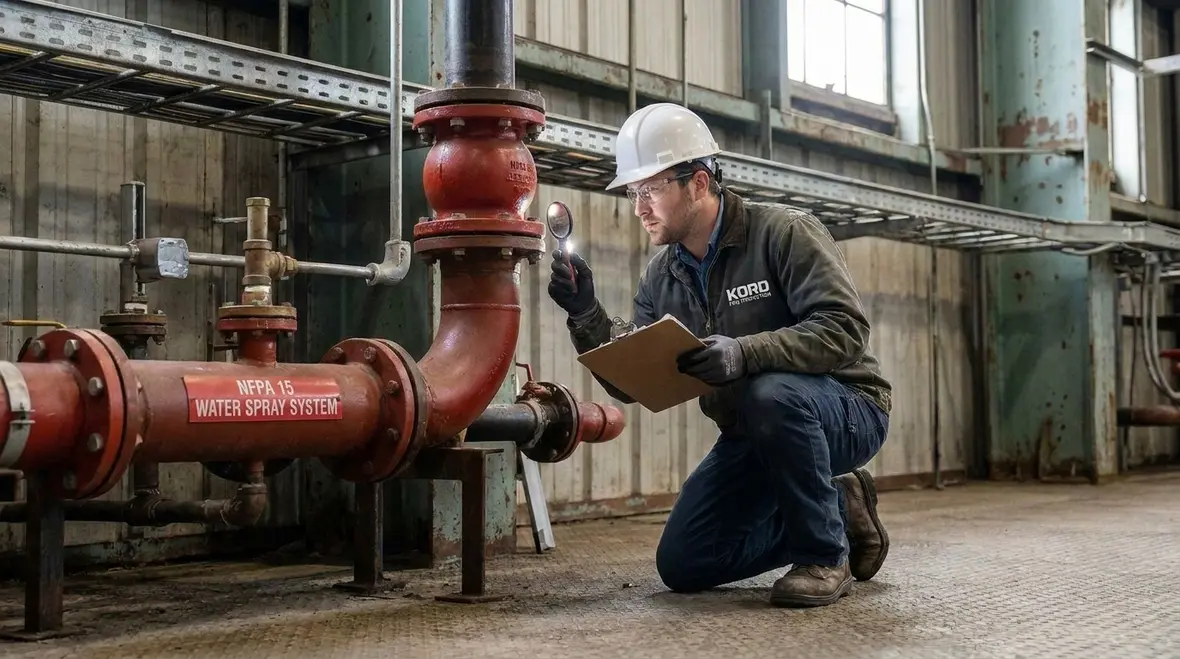
A fitting that performs well in one environment can struggle in another. Corrosive air, variable temperatures, mechanical shock, or water quality issues can all chip away at reliability. The goal is not simply to buy a fitting that fits. The goal is to choose one that keeps fitting the job for years.
Where fittings fail in the real world
Fitting failures often start with small issues that grow quietly. For example, poor installation can create stress on joints. Likewise, corrosion can weaken fittings over time, especially in harsh environments. In some cases, mixed materials can also cause trouble if the system was not planned carefully.
Risk
Wrong material choice, poor thread seal, wrong pressure rating, corrosion, vibration, and rushed installation.
Response
Use approved parts, follow the design, inspect regularly, protect exposed sections, and keep maintenance records current.
That may sound basic, yet basics save systems. The fire service world is full of dramatic moments, but fitting selection should not be one of them. Boring, dependable, properly specified fittings are doing excellent work even when nobody notices them. Especially when nobody notices them.
This is also where interlinked system knowledge helps. Kord Fire’s page on NFPA 15 water spray fixed systems provides useful context for how water spray protection works as a complete approach, not just a set of isolated components. Fittings only make sense when viewed inside that larger design picture.
How Kord Fire Protection supports compliance and performance
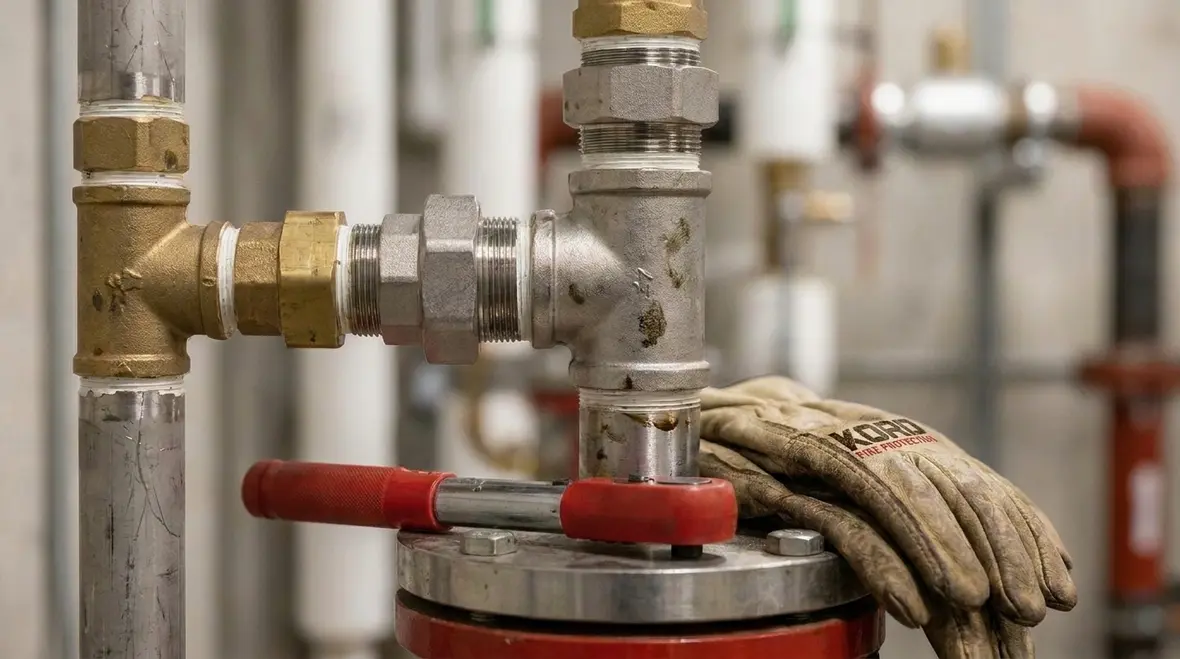
Kord Fire Protection can become a vital partner because it helps facilities move from theory to real protection. First, the team can assess system needs and recommend fittings that suit the hazard and site conditions. Next, it can support installation so the work aligns with NFPA 15 pipe fittings water spray standards and the approved design.
In addition, Kord Fire Protection can help with inspection, maintenance, and practical advice that keeps systems ready for action. That matters for industrial plants, warehouses, processing areas, and large commercial assets. When a site needs more than a quick fix, Kord Fire Protection offers the kind of support that helps managers sleep a little easier. Not deeply, perhaps, but easier.
The value is not just technical. It is operational. Good support reduces confusion between what the drawings intended, what the installer delivered, and what the maintenance team inherits. If those three stories do not match, the system eventually writes its own very expensive ending.
From design intent to field reality
A strong fire protection partner helps close the gap between paperwork and performance. That means better communication, better part selection, cleaner installations, and more confidence that every fitting is doing the job the system expects it to do.
Why facilities need the right partner
Facilities face a wide mix of risks, from heavy industry to high value retail and large commercial operations. Therefore, fire protection systems must do more than meet a checklist. They must perform under pressure, age well, and fit the site’s daily demands.
A strong partner helps teams avoid expensive rework, system delays, and compliance gaps. Moreover, it can reduce confusion between design intent and field reality. That is important because fire systems are not the place for guesswork. The stakes are too high, and the margin for error is too thin.
The best partnerships are practical. They focus on readiness, documentation, and repeatable service, not just dramatic promises. Fire protection is not improved by hype. It is improved by correct details repeated consistently over time.
FAQs about fittings in water spray fire systems
Final takeaway for facilities teams
NFPA 15 Section 5.4 is not just a technical note. It is a practical guide to safer, more dependable water spray systems. The right fittings protect people, assets, and uptime, while also helping the wider system stay stable, compliant, and ready for action.
Kord Fire Protection can help turn that standard into a working solution, from planning to maintenance. If the system matters, the partner should matter too. And when fittings are treated like the serious components they are, the whole protection strategy gets stronger.

Join Our Newsletter!
Get the latest fire safety tips delivered straight to your inbox From our Newsletter.



