NFPA 15 Section 5.3 Water Spray Piping Requirements Australia
Quick Answer
NFPA 15 Section 5.3 sets the pipe and tube rules that help water spray systems work as designed. It covers material choice, sizing, joining, support, and corrosion control. For industrial, commercial, and facility teams across Australia, Kord Fire Protection can help deliver compliant, well built systems that run smoothly and stay ready.
NFPA 15 piping requirements for water spray systems matter because the wrong pipe can turn a smart safety plan into a very expensive science experiment. In simple terms, Section 5.3 tells designers and installers how to build the pipe network so water reaches the hazard fast, in the right amount, and without drama. For Australian industrial, retail, commercial, and facility sites, that means fewer failures, better uptime, and a system that does its job when heat, flame, or exposure risk shows up.
For teams planning broader system work, Kord Fire Protection’s full fire protection services can fit naturally into early discussions around site readiness, maintenance planning, and long term compliance support. The piping network may be the star of this article, but it still performs best when the surrounding fire protection ecosystem is not improvising like a garage band at closing time.
What NFPA 15 Section 5.3 Covers
Section 5.3 focuses on the physical pipe and tube parts that carry water spray to the protected area. First, the system must use materials that suit the service conditions. Then, the pipe size must support the needed flow and pressure. In addition, joints, fittings, and supports must hold up under normal use and emergency operation.
That sounds simple, yet it is where many projects get messy. One poor material choice, and corrosion starts acting like an unwanted guest that never leaves. One weak support layout, and vibration or water hammer can cause problems. Therefore, the section exists to keep the system reliable, not just installed.
Why these requirements matter in the real world
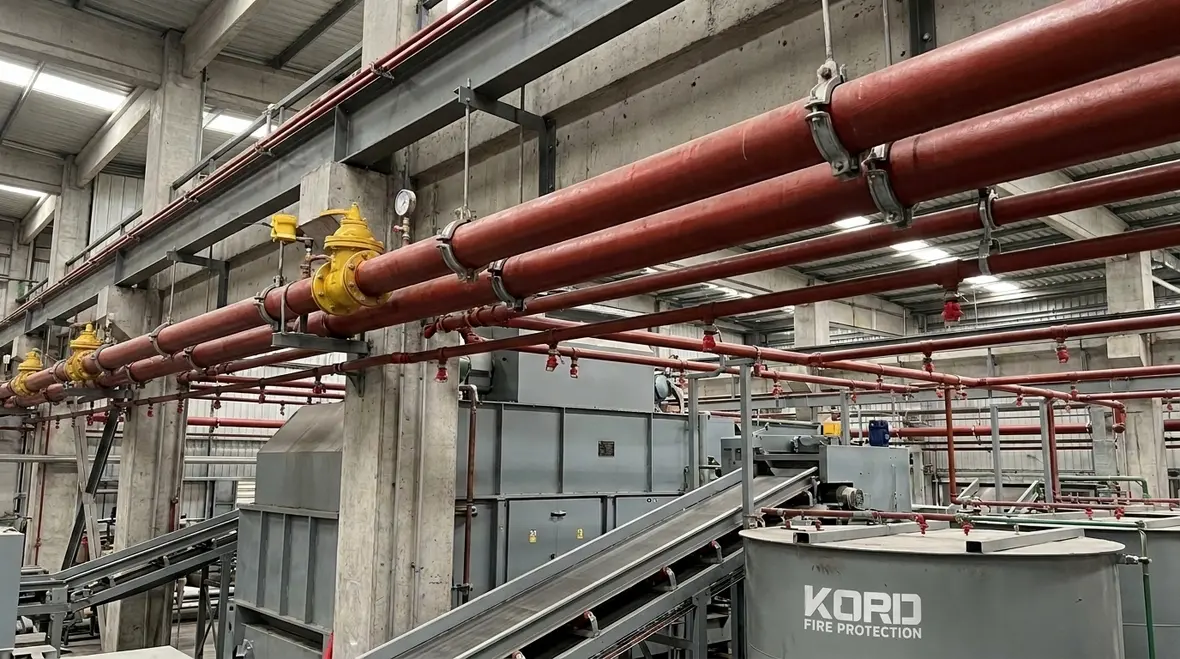
Water spray systems are often assigned to hazards that do not offer second chances. Think transformers, conveyors, fuel handling areas, process equipment, tank exposures, and plant assets that cost far too much to trust to wishful thinking. If the piping network cannot deliver stable flow under pressure, the nozzles downstream are basically waiting around for a performance that never starts. Section 5.3 helps prevent that by forcing attention onto the part of the system that quietly carries the whole plan.
This is also why the standard should not be treated like a paperwork exercise. A pipe schedule is not just a list of sizes. A support detail is not just a sketch. Every choice affects reliability, inspection effort, maintenance access, and how confidently the system can operate when site conditions become loud, hot, and deeply unhelpful.
Pipe Material and Tube Selection for Water Spray Systems
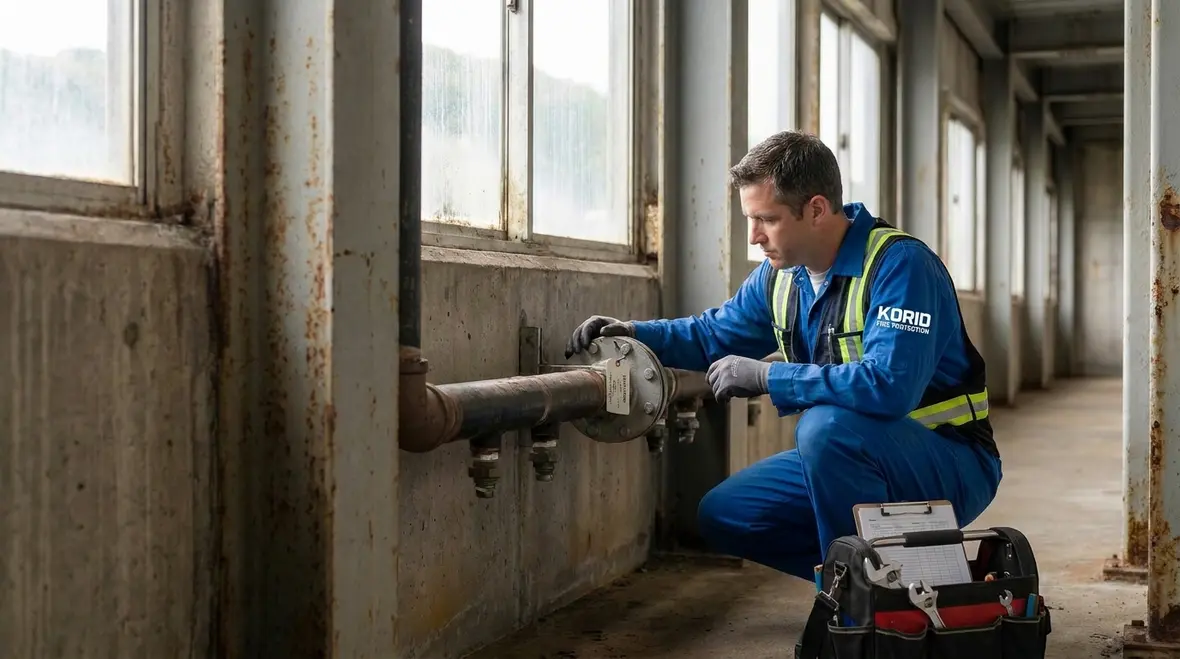
NFPA 15 piping requirements water spray systems place a strong focus on material choice. Pipe and tube must handle the water supply, the environment, and the fire protection duty. In many sites, that means steel, stainless steel, or other approved materials based on exposure and design needs. For example, corrosive plants, coastal sites, and wash down areas often need more care in selection.
Also, the material must match the system purpose. A water spray system may protect tanks, conveyors, transformers, fuel areas, or process equipment. As a result, the pipe must resist damage while staying dependable under pressure. If the pipe cannot survive the space it serves, then it does not matter how clever the rest of the design looks. The system will still lose the fight.
Questions to ask before material selection
Is the site exposed to salt, chemicals, wash down cycles, or extreme temperature swings?
Will the piping run near equipment that vibrates, heats up, or creates impact risk?
Does the water supply introduce corrosion concerns or sediment issues over time?
Can the selected material be inspected, maintained, and repaired without chaos later?
Those questions are not glamorous, but they save money and trouble. The best material decision is rarely the one that only wins the day it is installed. It is the one that still makes sense years later when the site has aged, operations have shifted, and everyone would prefer not to explain why the pipework now looks like it has been storing secrets in a salt cave.
How Pipe Sizing and Layout Support Performance
Correct sizing does more than move water. It helps the system deliver the right spray pattern and density across the hazard. NFPA 15 Section 5.3 works with the hydraulic design so the pipe network does not starve remote nozzles or overload closer ones. In addition, the layout should keep runs practical and avoid unnecessary bends that steal pressure.
Design Area | What It Must Do |
|---|---|
Pipe size | Carry enough water without excess pressure loss |
Routing | Reach all hazard points with a clear path |
Fittings | Reduce friction and support the spray design |
Supports | Keep the line stable during normal and fire conditions |
That said, good layout is not just about neat drawings. It is about making the system behave well when the alarm starts and everyone else starts moving fast.
Common layout mistakes that cause expensive headaches
Long runs with avoidable fittings that quietly eat up pressure
Poor nozzle branch balance that leaves remote areas underfed
Routing that blocks maintenance access or clashes with operating equipment
Support spacing that looks acceptable on paper but misbehaves under vibration
A clean routing strategy can also make future testing and inspection far easier. That matters because systems that are difficult to access often become systems that people put off dealing with. Human nature is many things, but eager about awkward overhead pipework is usually not one of them.
For readers who want a broader technical view of fixed water spray protection, Kord Fire Protection also covers this in NFPA 15 enhancing fire safety with water spray fixed systems, which adds useful context around how these systems protect high risk assets and why proper delivery infrastructure matters so much.
Installation Details That Keep Systems Reliable
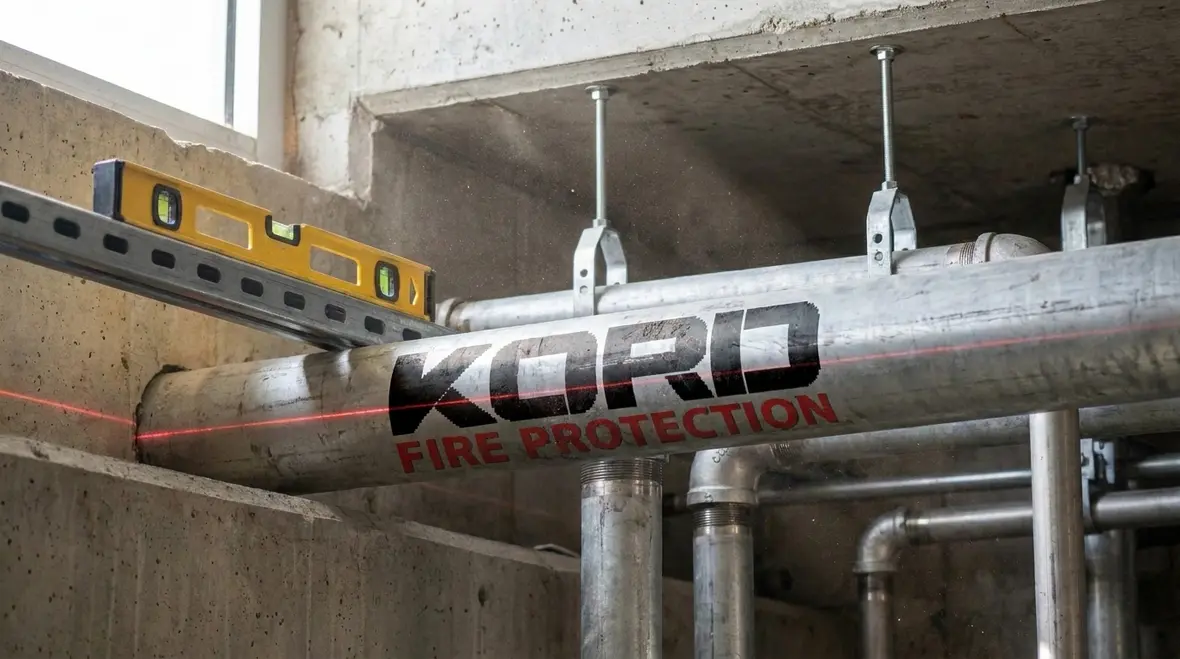
Proper installation matters just as much as design. NFPA 15 piping requirements water spray systems expect sound joining methods, solid support spacing, and good alignment. Moreover, installers must avoid stress on the pipe that could cause leaks or early wear. If the pipe sits under strain, it is already halfway to trouble.
Support systems should hold the line steady while allowing for real site conditions. Vibration from machinery, thermal movement, and impact risk all matter. Therefore, a strong installation team must think beyond the drawing board and consider how the site actually operates. This is where experience pays off, because the paper plan never has to live next to a hot process line or a busy loading dock.
Field quality is where compliance becomes reality
Even the best specification can be undermined by rushed workmanship. Misalignment, unsupported offsets, sloppy joining, or poorly protected threads create the kind of hidden weakness that only introduces itself during testing or emergency operation. Unfortunately, that is a terrible time for surprises. Reliable installation is less about looking tidy for handover photos and more about ensuring the piping remains sealed, stable, and predictable after real service begins.
That is why experienced contractors add value before the first drop of water moves. They coordinate supports with structure, review clashes with mechanical and electrical services, and account for shutdown windows, access paths, and live operational constraints. In short, they help prevent the classic project outcome where everyone nods at the drawing and then meets a beam, cable tray, or duct that has very different opinions.
Corrosion, Protection, and Maintenance Planning
Corrosion control plays a major role in long term success. Water spray systems often work in tough places, and those environments do not care about excuses. So, pipe material, coatings, drainage, and inspection access all deserve attention from the start. In coastal Australia, for example, salt exposure can punish weak choices very quickly.
Routine maintenance also helps catch blocked lines, damaged supports, and surface wear before they become bigger issues. Furthermore, a clear inspection plan supports system readiness and reduces downtime. A well designed pipe system should not require heroic effort just to stay functional. Fire protection should be dependable, not dramatic.
Maintenance planning that actually helps operations
The smartest maintenance planning begins during design and installation, not after the keys are handed over and everyone suddenly remembers that inspections require ladders, lighting, and access. If piping is tucked into impossible corners or routed through spaces that become operational bottlenecks, maintenance becomes slower, costlier, and easier to postpone. That is how minor issues earn promotions.
A practical plan should consider inspection visibility, drainage points, support condition checks, and how quickly affected sections can be isolated if repairs are needed. These details may not get applause in a boardroom, but they absolutely matter on the day someone needs clear answers and fast action.
Why Kord Fire Protection Becomes a Vital Partner
Kord Fire Protection can play a vital role in delivering NFPA 15 piping requirements water spray systems that suit real site conditions. Their team can help with design input, material selection, installation planning, and compliance focused execution. In addition, they can support industrial, retail, commercial, and facility projects across Australia where safety, uptime, and build quality all matter.
Because water spray systems often protect valuable plant and equipment, the work needs more than basic installation. It needs a partner that understands how piping, nozzles, hazards, and site constraints connect. Kord Fire Protection can help turn code requirements into a practical system that works in the field, not just on a neat drawing. And that, in this line of work, is where the real value lives.
That practical value becomes even clearer on complex sites where fire protection has to coexist with production demands, maintenance shutdowns, contractor coordination, and compliance reporting. A capable partner helps stop the system from being treated like an isolated install. Instead, it becomes part of a broader strategy for risk control, asset protection, and operational continuity. Which is a much nicer outcome than discovering your protection plan was assembled with crossed fingers and optimistic scheduling.
FAQ
Conclusion
NFPA 15 Section 5.3 gives water spray systems the pipe foundation they need to perform under pressure. For Australian facilities that cannot afford weak protection, the right partner matters. Kord Fire Protection can help build systems that meet code, fit the site, and stay reliable.
If the goal is solid protection with less guesswork, the next step is a conversation with a team that knows the ground as well as the standard. Good piping may not be flashy, but when the pressure is on, boring reliability suddenly becomes everyone’s favorite feature.

Join Our Newsletter!
Get the latest fire safety tips delivered straight to your inbox From our Newsletter.