
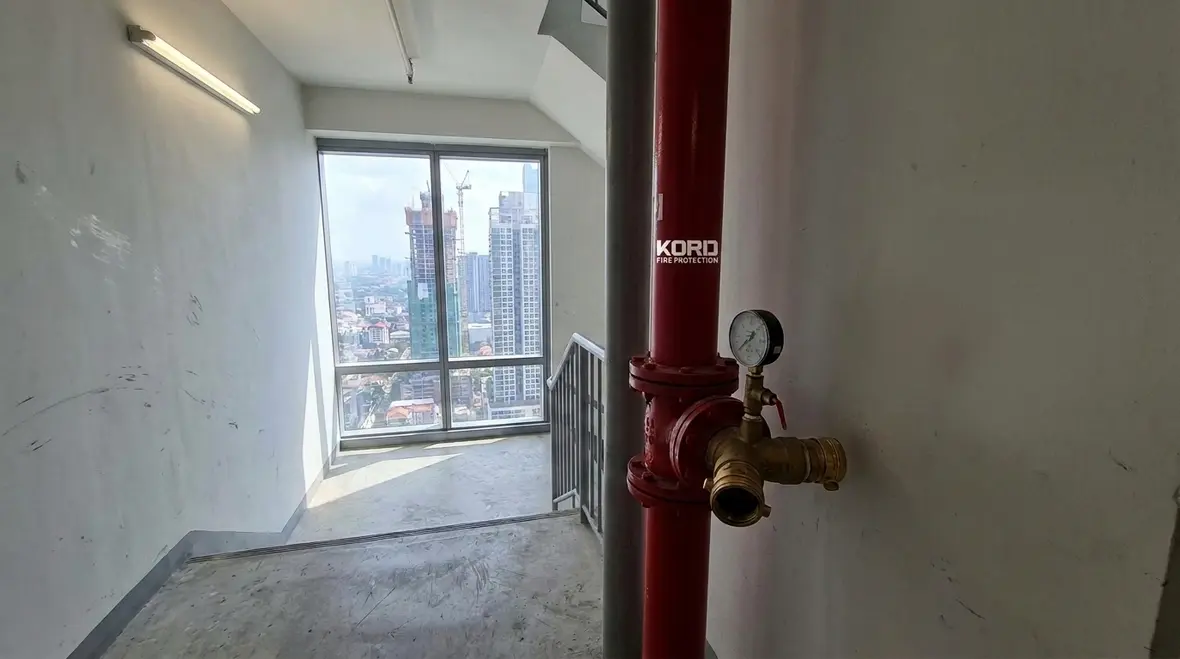
NFPA 14 Section 8.4: How Building Height Drives Standpipe Requirements
Quick Answer: Building height directly influences which standpipe configurations NFPA 14 requires, including hose connection placement, system type, and operational expectations. As height increases, standpipe design must support effective water delivery to upper floors while maintaining reliable performance through verified pressure and flow criteria.
For building teams comparing field performance to design intent, standpipe system pressure testing for commercial safety is a useful companion read near the start of this discussion, especially when height related pressure and flow questions are already on the table.
Why Section 8.4 Connects Building Height to Standpipe System Design
NFPA 14 Section 8.4 treats building height as a primary driver of hydraulic needs and operational feasibility for standpipe service. In practice, building height standpipe requirements NFPA 14 determine how the system must be laid out so fire fighters can access and control hose streams on upper levels with the pressure and flow needed for effective attack.
Commercial facilities such as retail centers, warehouses, and mixed use occupancies routinely discover that floor count alone does not tell the full story. The way a building rises, how floors are served, and how water supply and hose system components are configured all influence compliance. Kord Fire Protection supports facilities with a documented approach to design verification, inspection, and ongoing maintenance so systems perform as intended during emergencies.
What NFPA 14 Means by “Height” in Standpipe Applications
NFPA 14 relies on height related parameters to determine whether standpipes must be provided and, in many cases, how hose connections must be distributed to achieve usable coverage. The intent centers on reliable firefighter access and the avoidance of underperforming hose operations at elevated locations.
Operationally, systems must support hose usage where hose lengths, elevation losses, and friction losses compound rapidly. As building height increases, the system must maintain the required performance at the most demanding hose outlets. This affects:
- System type selection based on expected fire fighting needs and occupant layout
- Elevational spacing of hose connections
- Hydraulic performance expectations at remote outlets
- Water supply capability and system reliability under flow
How Height Changes Hose Connection Coverage and Usability
Standpipe systems must enable fire fighters to connect hose lines quickly and operate them effectively at the highest areas anticipated for initial response. When building height increases, the required usability margin narrows. Hose streams lose effectiveness when elevation and friction losses exceed what the system can deliver.
Coverage planning gets more stringent with taller buildings
In taller structures, inadequate hose connection placement can create practical failure points. Even if the system technically exists, hose reach and outlet availability may not align with firefighting operations on upper floors.
Facilities often underestimate how quickly operational limits become real. A hose team expects predictable access, connections at correct locations, and outlets that remain reachable without obstruction or unsafe access conditions.
Common compliance and operational challenges
- Incorrect outlet spacing: Results in insufficient usable coverage at elevated floors.
- Outlet obstruction: Standpipe access routes change with renovations, tenant improvements, or storage practices.
- Riser and valve issues: Valves that fail to open fully or become partially obstructed reduce performance under demand.
- Supply pressure volatility: Systems may meet requirements at static conditions but not under flow and elevation losses.
Kord Fire Protection assists commercial building teams with assessments that connect design intent to real world installation and ongoing readiness, especially after renovations that alter access and system components.
Hydraulic Performance: Height Drives Pressure, Flow, and Friction Loss Control
As buildings rise, system designers must account for elevation losses and friction losses across standpipe components and hose appliances. NFPA 14 Section 8.4 ties those hydraulic realities back to building height so that standpipes deliver effective water at upper floor outlets.
From a technical operations perspective, height impacts the ability to maintain usable stream characteristics. Even small deviations in supply performance, valve condition, hose appliance compatibility, or obstruction inside piping can degrade results where they matter most.
Where systems most often fail during real use
- Partial obstructions in piping: Scale, sediment, and debris can increase friction and reduce effective flow.
- Valve impairment: Corrosion, restricted movement, or improper seating limits flow during emergencies.
- Hose appliance mismatch: Incorrect hose and nozzle combinations can affect flow characteristics.
- Inadequate maintenance intervals: Deferred inspection and testing allow issues to accumulate unnoticed.
These are not theoretical risks. Commercial and industrial environments experience ongoing modifications, vibration, and water quality variability. Kord Fire Protection provides inspection and testing support designed to catch degradation early and document compliance outcomes.
Inspection and Maintenance Requirements for Height Related Readiness
Once height related requirements are set, the system must stay ready. Standpipe systems require disciplined inspection and maintenance so that outlets, valves, and water supply components remain capable of delivering water to the upper portions of the building when needed.
What facilities should verify to stay compliant operationally
- Hose connections and signage: Confirm correct fittings, labeling, and physical accessibility.
- Valve operation: Ensure valves open as required and do not bind or stick.
- Riser condition: Confirm absence of damage, leaks, and obstructions in piping routes.
- Water supply performance: Validate that supply pressure and flow support expected operation at elevation.
In commercial settings, maintenance often competes with scheduling constraints, tenant turnover, and frequent interior change outs. A proactive service partner helps facilities manage these realities without falling into the trap of “pass at inspection, fail during demand.” For a deeper look at standpipe and hose system safeguards, refer to NFPA 14 safeguarding against fire hazards with standpipe and hose systems.
When Renovations Change the Answer: Height Meets Occupancy Changes
Building height is a fixed characteristic, but the risk profile and system usability can change. Renovations such as new tenant layouts, ceiling modifications, storage changes, added barriers, and updated finishing can affect hose access and operational effectiveness even when the building footprint remains unchanged.
Height driven standpipe compliance can become a moving target operationally because:
- Fire fighter access routes can be blocked or reconfigured.
- Mechanical work can introduce obstructions or affect riser supports.
- Plumbing and fire protection interfaces can be altered by other trades.
- Water supply assumptions can change if nearby systems are modified.
Kord Fire Protection works with commercial owners and facility managers to ensure that standpipe systems remain aligned with current building conditions, including after construction activity and tenant turnover.
Frequently Asked Questions
Conclusion and Call to Action
Building height drives the standpipe design intent in NFPA 14 Section 8.4, but your compliance and safety outcomes depend on execution and long term readiness. If your building has added floors, renovated access routes, or experienced trades work near the standpipe system, schedule a standpipe performance focused inspection. Kord Fire Protection can help validate height related operability, document maintenance, and keep your standpipes reliable when seconds matter.

Join Our Newsletter!
Get the latest fire safety tips delivered straight to your inbox From our Newsletter.



