
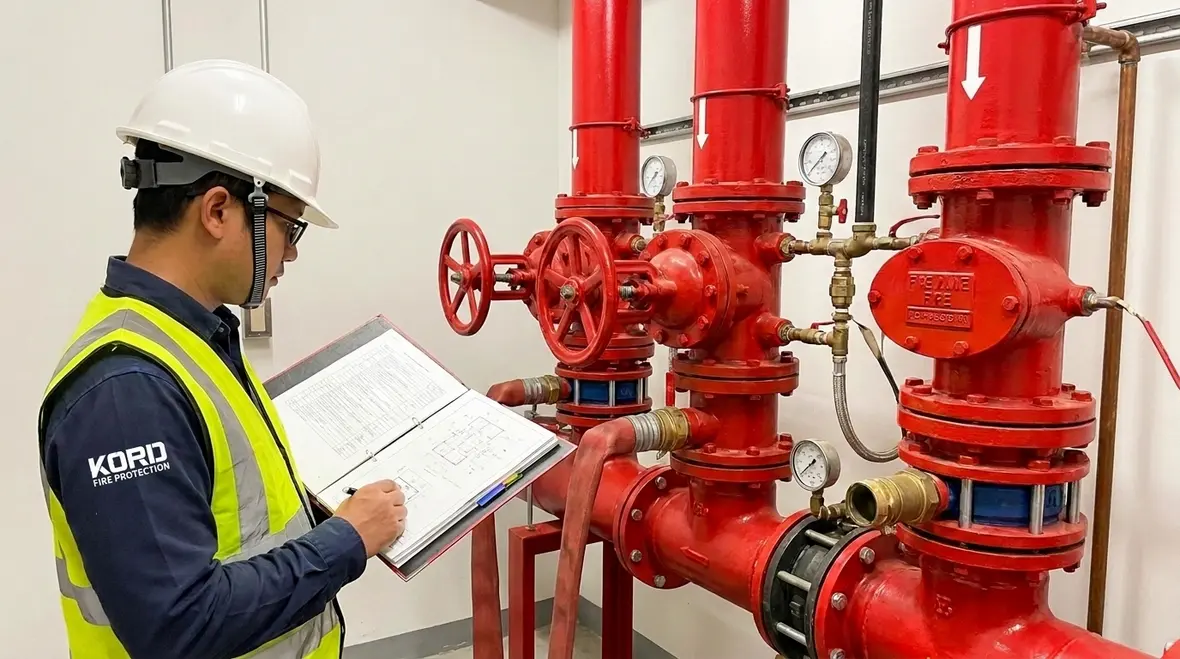
NFPA 14 Section 3.1: How to Read the Definitions Chapter of the Standpipe Code
Quick Answer
Navigating NFPA 14’s Section 3.1 starts with treating the definitions chapter as operational language, not reference filler. This overview explains how to interpret key terms, connect them to system requirements, and avoid common compliance mistakes during plan review, installation, and maintenance documentation.
For teams building a broader compliance workflow around standpipes, standpipe inspection, testing, and maintenance guidance helps connect the definitions chapter to what actually gets verified in the field.
Why Section 3.1 Matters Before Anyone Reads the Tables
Commercial standpipe compliance failures often come from a basic mismatch between how facilities interpret terminology and how NFPA 14 uses it in requirements. NFPA 14 definitions chapter overview guidance should be treated as the code’s “translation layer” between a facility’s fire protection drawings and the inspection, testing, and maintenance obligations that follow.
In practical terms, Section 3.1 defines the terms that control when provisions apply, what equipment configurations qualify, and how inspectors verify performance. When definitions get misunderstood, teams typically discover the problem late, during deficiency corrections, hydrostatic testing, or acceptance flow checks.
Start With the Code’s Structure: Definitions, Then Requirements
To read Section 3.1 correctly, approach the code in a repeatable sequence:
- Read Section 3.1 first, then mark the terms that drive decisions. Focus on terms that affect system type, component function, installation scope, and test behavior.
- Use the definitions as filters while reading subsequent chapters. When a requirement references a defined term, interpret it using the Section 3.1 wording before assuming it matches your facility’s shorthand.
- Translate each defined term into a field verification step. A definition should map to something measurable during inspection: labels, valve positions, flow paths, fittings, pressures, or documentation.
This method supports compliance for commercial, industrial, and retail facilities where standpipe systems may be modified during tenant improvement, sprinkler remodels, or egress corridor upgrades. It also aligns with the reality that maintenance staff, inspectors, and contractors often use different language for the same hardware.
How to Interpret Definitions Without Creating “False Equivalency”
One of the most common reading errors involves treating every everyday phrase as equivalent to a code-defined term. NFPA 14 Section 3.1 often distinguishes between equipment that looks similar but performs differently in operation, test results, or installation intent.
To prevent false equivalency, the reader should apply these checks to each definition:
- Check for operational scope. Definitions can specify how the system is intended to be used during emergency conditions versus routine testing.
- Check for functional limits. Terms may define coverage, location, or performance parameters that restrict where a component is acceptable.
- Check for documentation implications. Some terms tie directly into inspection records, test methods, and acceptance criteria.
Commercial facilities frequently encounter this problem when vendors propose substitutions during corrective actions. A contractor may use a term that sounds comparable, but the defined term controls whether the substitution is acceptable and whether the system will meet inspection expectations.
Turn Definitions Into Inspection and Maintenance Actions
Reading definitions is only the first step. The real compliance value comes from converting Section 3.1 terms into operational procedures. A robust commercial inspection program uses defined terms to control both what inspectors look for and how they document evidence.
Map defined terms to common verification points
- Component identification and labeling. Definitions that specify hardware intent should correspond to durable labeling and consistent field configuration. If the label language does not match the code intent, maintenance teams lose traceability.
- Valve and control behavior. Terms that describe system operation should translate into confirmable valve positions, actuator behavior, and correct access conditions for inspectors.
- Hose and connection compatibility. Where standpipe outlets, hose connections, or hose system terms appear later in the code, the definition chapter helps ensure compatibility with the planned equipment and protects against mismatched components.
- Water supply and flow pathway assumptions. Definitions influence how later requirements treat performance. If a facility’s drawings treat the system as one type when the code definitions indicate another, test results can fail even when the system “looks correct.”
For a deeper view into standpipe and hose system compliance considerations, teams often reference Kord Fire Protection’s practical guidance: NFPA 14 safeguarding against fire hazards with standpipe and hose systems. This resource supports alignment between code intent and field execution.
Plan Review and Renovations: Where Definitions Fail the Most
Renovation projects create the highest risk for definition related noncompliance. Changes to floor layouts, corridor routing, mechanical rooms, or tenant operations can inadvertently affect standpipe system requirements governed by NFPA 14 terminology. The definitions chapter overview becomes a project control tool, not a reading exercise.
Common renovation failure points include:
- Outdated drawings. As built documentation often drifts from installed reality. If the definitions that control outlet types or system scope are misapplied, plan review corrections arrive late.
- Equipment substitutions. “Equivalent” parts can still be noncompliant if the defined term requires specific functional behavior or connection criteria.
- Access and maintenance clearance. Even when components remain unchanged, altered access paths can prevent proper inspection or testing. Definitions tied to operational intent drive how inspectors judge acceptability.
- Documentation gaps after occupancy changes. Retail and industrial facilities frequently change responsibilities across vendors and service contracts. Without definition based documentation discipline, inspection history becomes inconsistent.
Kord Fire Protection supports commercial owners and facilities by helping translate NFPA language into field ready verification steps, supporting corrective action planning, and maintaining consistent maintenance records aligned with inspection expectations.
Practical Reading Workflow: A Repeatable Checklist for Section 3.1
Teams can standardize how they read and apply NFPA 14 Section 3.1 by using this workflow during design, acceptance, and ongoing maintenance.
- Extract defined terms used later in the code. Highlight only those that appear to control installation decisions or inspection criteria.
- Write a plain language field meaning for each term. Avoid rewriting the code, but document how the term affects hardware selection, placement, and testing behavior.
- Assign a verification method. Identify what an inspector or maintenance technician can observe, measure, or record to prove compliance.
- Cross check against drawings and narratives. Confirm that the terminology used in plans matches the code defined language. Resolve conflicts before work starts.
- Update maintenance SOPs. Ensure procedures and record templates reference the same defined terms that the inspection will require.
- Audit after tenant turnover or remodels. Run a quick compliance check to confirm the system still aligns with the definitions that govern it.
Frequently Asked Questions
Conclusion and Call to Action
NFPA 14 Section 3.1 becomes far more valuable when it drives inspection and maintenance actions, not just reading comprehension. Commercial facilities should standardize a workflow that maps each defined term to field verification and documentation. Kord Fire Protection can help your team align standpipe and hose system execution with NFPA intent through compliance support, testing readiness, and maintenance record discipline. Contact Kord Fire Protection to review your current standpipe program and renovation plan language.

Join Our Newsletter!
Get the latest fire safety tips delivered straight to your inbox From our Newsletter.



