
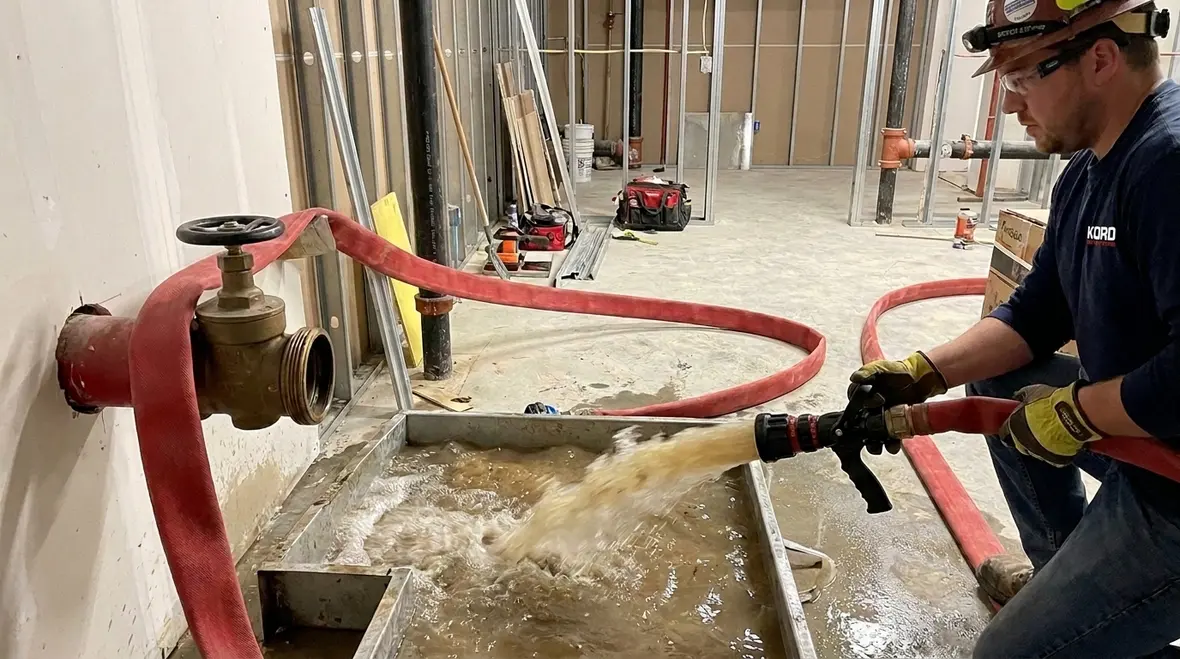
NFPA 14 Section 12.2: Flushing Standpipe Piping Before Testing
Quick Answer
NFPA 14 Section 12.2 requires flushing standpipe piping before conducting certain tests to remove sediment, construction debris, and microbial or particulate buildup that can restrict flow. Proper flushing protects test validity, improves water supply performance, and reduces the risk of false failures during acceptance and inspection.
If you’re tightening up your compliance workflow, a natural next step is reviewing standpipe system inspection requirements and procedures so flushing, inspection, and testing all stay on the same page.
Why Section 12.2 matters for standpipe testing
Standpipe systems in commercial, industrial, and retail facilities must deliver reliable water flow at demand. During installation, renovation, or maintenance, standpipe piping can collect debris, scale, and foreign material. NFPA 14 Section 12.2 addresses this by requiring flushing of standpipe piping before testing so test results reflect the true performance of the system rather than blockages caused by contaminants.
For facilities with ongoing occupancy, tight maintenance windows, and high regulatory scrutiny, Section 12.2 also acts as a quality control step. When flushing does not occur or is inadequate, technicians may see reduced pressures, abnormal flow readings, stuck hose connections, or failing acceptance tests. Those symptoms can trigger unnecessary component replacement or repeated testing, both of which add cost and downtime.
What triggers flushing under NFPA 14 Section 12.2
Section 12.2 focuses on the condition of the piping before specified testing activities. In practice, flushing of standpipe piping before testing becomes critical after any work that introduces contaminants, changes the hydraulic condition, or disturbs the internal condition of the piping.
Common scenarios that require strict flushing controls
-
New construction and initial system acceptance after installation of mains, risers, sectional valves, and siamese connections.
-
Renovations that cut and reconnect piping, install new drops, or replace valves, hangers, or hydrants.
-
Repairs after leaks, freeze damage, or corroded section replacement.
-
Modifications to hose valve configurations, booster connections, or check valve arrangements.
-
Systems stored, idle, or intermittently used where biofilm and sediment can form over time.
Commercial compliance teams should treat these scenarios as “flush first” events. Doing so aligns operational reality with the intent of the standard: tests must measure system performance, not the impact of preventable internal contamination.
How flushing works in the field: mechanisms and outcomes
Flushing is not a “set it and forget it” procedure. It relies on controlled water movement through the piping to mobilize and remove particulates. The flushing process typically uses temporary or existing valving and flow paths, then discharges water until discharge quality indicates the removal of debris.
Key operational elements during flushing
-
Controlled flow path: Technicians route water so it travels through the sections being tested. This prevents localized dead ends from remaining contaminated.
-
Monitoring discharge: Discharge appearance and consistency help confirm that sediment and construction residue have cleared.
-
Air management: Trapped air can skew flow and pressure readings and can reduce effective flushing performance. Proper venting and sequence help remove air pockets.
-
Sequential flushing strategy: Flushing typically follows system layout to ensure that downstream sections receive adequate flushing flow.
What good flushing prevents
-
False low flow and pressure: Debris and scale can restrict valves and outlets, creating misleading test failures.
-
Stuck hose valves: Particulate can lodge at valve seats and prevent full operation during testing.
-
Clustered outlet issues: Flushing that skips branches can leave contamination that only shows up when multiple outlets are tested.
-
Recurring test failures: Inadequate flushing can require repeated test cycles, increasing risk to occupants and system components.
Common compliance pitfalls when flushing is done poorly
Commercial facility managers often assume flushing is a routine step. In reality, inadequate execution creates repeat problems that complicate acceptance, inspection, and ongoing maintenance.
Typical failure points
-
Insufficient flushing duration or flow: Short flushing runs may move water without removing sediment lodged deeper in the system.
-
Bypassing sections during valve alignment: Incorrect valve positions can isolate portions of the piping, leaving contaminants in place.
-
Using the wrong discharge approach: If discharge is not managed, debris can settle again in low points, especially when flow stops abruptly.
-
Skipping documentation and discharge verification: Without recorded conditions and a repeatable method, it becomes difficult to demonstrate compliance intent during audits.
-
Neglecting downstream components: Flushing must address valves and connections that will be used during testing, including hose valves and SIAmese outlets.
To avoid these issues, facilities should incorporate flushing verification into their fire protection work orders and test checklists. Kord Fire Protection routinely coordinates pre test flushing, sequencing, documentation, and corrective actions so results align with the system’s intended hydraulic performance.
For additional standpipe system context, see NFPA 14 safeguarding against fire hazards with standpipe and hose systems.
Best practices: executing flushing so tests remain valid
Section 12.2 works best when flushing becomes part of an integrated testing workflow. The goal is consistency and defensible results for acceptance, inspection, and future re testing.
Operational best practices
-
Plan sequencing before crews mobilize: Align flushing sequence with the system geometry, riser layout, and valve configurations. Confirm which outlets or branches must receive flushing flow.
-
Set safety controls for discharge: Protect fixtures, maintain safe discharge areas, and manage water runoff. Commercial properties need clear coordination with facilities teams.
-
Verify discharge condition: Record discharge observations that indicate removal of debris and sediment. Use consistent acceptance criteria per project specification.
-
Confirm valve position control: Use a documented valve position plan to prevent accidental isolation of segments. Re check positions before and during flushing.
-
Coordinate with the testing schedule: Perform flushing early enough to correct issues before testing begins. This reduces last minute rework.
-
Document results for compliance readiness: Capture when flushing occurred, what sections were flushed, and what conditions were observed. This supports audit readiness and future troubleshooting.
How Kord Fire Protection supports ongoing compliance
Kord Fire Protection supports commercial clients by integrating flushing of standpipe piping before testing into complete standpipe inspection and maintenance programs. This includes planning, field coordination, verification documentation, and corrective actions when obstructions or abnormal flow behavior appear.
How this ties into NFPA 25 and maintenance reality
NFPA 14 requirements do not operate in isolation. Facilities typically manage standpipe systems under a broader maintenance framework that includes periodic inspection, testing, valve exercise, and administrative recordkeeping.
When flushing is treated as an afterthought, maintenance cycles begin with contaminated conditions. Over time, that leads to higher likelihood of valve seating issues, uneven outlet performance, and recurring pressure anomalies during tests. A proactive flushing approach improves the baseline condition of piping so subsequent operational testing provides meaningful results.
For building teams, the practical takeaway is simple: align fire protection work orders with the intent of NFPA 14 Section 12.2 and maintain the system in a condition that supports repeatable testing performance.
Frequently Asked Questions
Next step: make flushing part of your compliance workflow
Ensure your next standpipe acceptance or inspection stays defensible and efficient by incorporating flushing of standpipe piping before testing into your documented procedure. Kord Fire Protection can plan, execute, and verify pre test flushing, then support your testing and maintenance program with clear field documentation. Contact Kord Fire Protection to schedule an assessment and confirm your facility’s standpipe workflow meets NFPA 14 expectations and reduces repeat failures.

Join Our Newsletter!
Get the latest fire safety tips delivered straight to your inbox From our Newsletter.



