
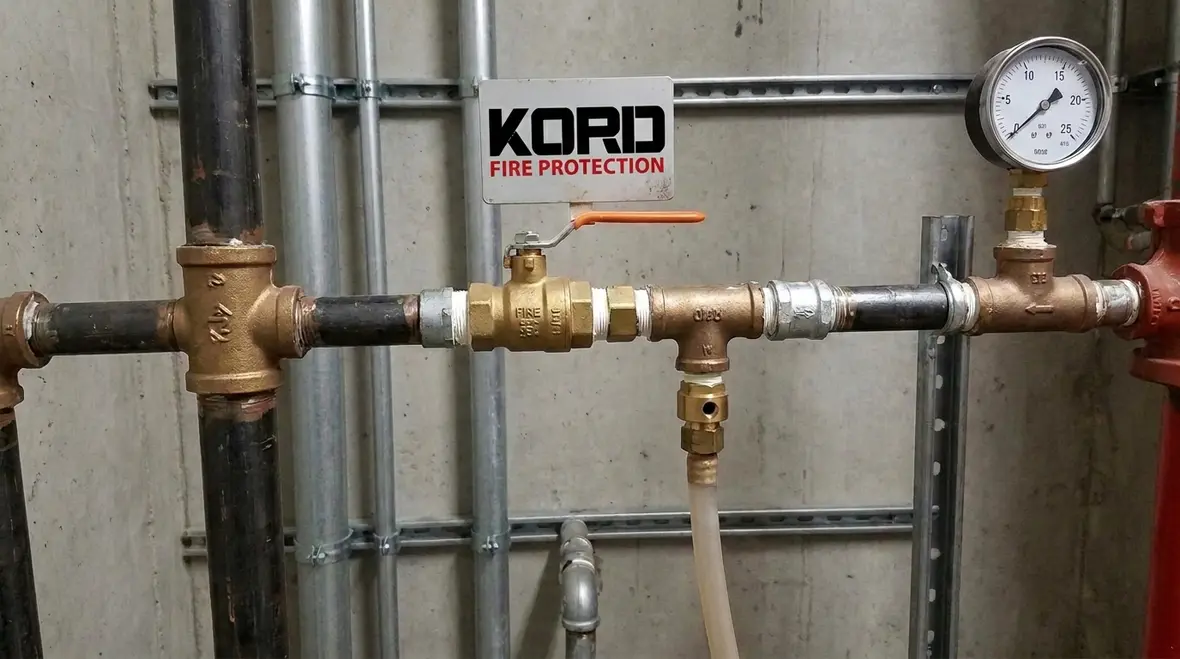
NFPA 13R Section 6.10 Test Connection: Orifice Size and Location Rules
Quick Answer: NFPA 13R Section 6.10 controls the test connection setup so the system can be hydraulically verified without disturbing the smallest operating sprinklers. The standard requires strict orifice sizing and specific placement relative to the smallest sprinkler valve to ensure consistent flow during test and inspection.
Why NFPA 13R test connections fail in the field
Many commercial fire protection teams treat the NFPA 13R test connection as a “maintenance accessory.” In practice, the test connection becomes a functional measuring point during acceptance, annual testing, and post repair verification. The NFPA 13R 6.10 test connection orifice smallest sprinkler valve concept directly affects how representative the test flow is compared with the hydraulically relevant portion of the system.
Common failure points include undersized orifices that mask system deficiencies, incorrect installation height or location that makes it difficult to obtain stable readings, and routing that introduces friction losses between the test connection and the monitored area. These problems often remain hidden until a facility audit, insurance inspection, or a troubleshooting call exposes the mismatch between required and actual test performance.
For a broader system installation baseline, facility teams can review fire sprinkler system service and installation near the start of planning, and also review automatic sprinkler system installation context here: NFPA 13 overview for installation context. Even though that resource focuses on NFPA 13, many commissioning concepts apply to 13R layout intent and operational verification.
What Section 6.10 is designed to accomplish
NFPA 13R Section 6.10 establishes rules for the test connection to let inspectors and technicians confirm that the alarm and waterflow monitoring arrangements respond as required and that the system water supply can provide the expected flow conditions. The test connection also supports flow verification and system condition checks after modifications, partial drain events, or component replacement.
Operationally, the test connection is not merely a convenient discharge. It becomes the reference point used to establish whether the system behaves consistently under test conditions. When the test connection orifice and location do not align with the hydraulic and valve arrangement intent, test results can become non diagnostic, delaying corrective action and increasing risk.
How orifice size relates to the “smallest sprinkler valve” concept
The core intent behind the rule set is that the test connection must produce a controlled flow that meaningfully represents system performance at the relevant valve size and discharge characteristics. When teams select orifices that are not compliant with NFPA 13R Section 6.10, the system can appear to pass during test while masking real issues such as insufficient supply pressure, abnormal restriction, or malfunctioning valve components.
Orifice sizing: the practical compliance impact
Orifice size influences the discharge flow rate for a given inlet pressure. If the orifice is too small, the test discharge can be low enough to prevent alarms, avoid revealing flow restrictions, or produce stable readings that do not reflect actual hydraulically meaningful conditions. If the orifice is too large, the test can overstate performance, potentially triggering unnecessary alarm sequences or creating flow noise that complicates interpretation.
Smallest operating valve: why it matters
The “smallest sprinkler valve” framing matters because valve capacity and flow characteristics govern how the system behaves when water begins moving through the demand path. A test connection that does not align with that valve arrangement can distort how inspectors interpret response time, pressure drop, and effective system discharge behavior.
Orifice location rules: where the test connection must be installed
Even when orifice selection is correct, a wrong test connection location can still create non compliant results. Location rules exist to ensure that the test connection draws from the intended side of valves, maintains consistent pressure conditions, and avoids introducing additional friction losses or bypass flow paths that alter test performance.
Location factors technicians must verify
Connection point relative to valves: The test connection must tie into the correct section of piping so it reflects the monitored flow path associated with the system valve arrangement.
Distance and routing: Excessive length, undersized pipe, or unnecessary fittings between the test connection and the controlled piping segment can change pressure at the orifice and invalidate comparisons across inspections.
Accessibility for maintenance: The test discharge must be accessible for safe operation, inspection of fittings, and verification of operation without disrupting critical components.
Environmental protection: Facilities often install test connections in areas exposed to freezing conditions or physical damage. Damage or partial obstruction can change effective orifice performance.
Commercial facility challenge: stable test conditions
In retail, industrial, and multi tenant spaces, facility operations can cause pressure fluctuations from other building systems or seasonal supply changes. Correct location helps technicians produce repeatable measurements so trend analysis remains meaningful. Incorrect location can make each test behave like a new variable rather than a comparable check.
Mechanisms that create common failure points
Inspection and service teams repeatedly see a handful of mechanism related problems that tie back to orifice size and location compliance. These are the issues that generate call backs, failed tests, and delayed re acceptance.
1) Orifice replacement mistakes
Maintenance personnel sometimes swap orifices without verifying the exact size requirement and identification markings. Substitutions can occur when spare parts are “close enough.” For NFPA 13R test connection performance, “close enough” frequently produces incorrect test discharge behavior. Kord Fire Protection routinely verifies orifice identification during service visits to avoid compatibility drift.
2) Hidden restrictions and contamination
Debris in the piping, mineral buildup, or partial blockage at fittings can reduce effective discharge through the test connection. This can mimic the symptoms of an undersized orifice. When contamination exists, the system can appear to “pass” but fail to meet functional requirements under actual demand.
3) Valve misalignment after repairs
After sprinkler valve replacement, drain line modifications, or alarm device service, technicians may reinstall test connection piping in a way that changes where the test draws from. A small re routing change can alter pressure at the orifice. Commercial schedules often compress work windows, increasing the chance of incorrect re assembly if a compliance checklist is not used.
4) Inconsistent test procedure interpretation
Even if installed correctly, incorrect test operation can cause non comparable results. Technicians must maintain consistent method, timing, and observation points so the measured flow and response correlate with the intended test design.
Inspection and maintenance workflow that prevents non compliance
A compliant NFPA 13R test connection program combines documentation verification, physical checks, and functional testing. The workflow below reflects common commercial practice designed to catch the problems linked to NFPA 13R 6.10 test connection orifice smallest sprinkler valve.
Step 1: Verify design intent and labeling
Confirm the installed orifice size matches the approved submittals for the system configuration.
Verify identification labels, tag numbers, and valve references tied to the smallest relevant operating valve arrangement.
Confirm test connection discharge piping routing and termination location aligns with the intended layout.
Step 2: Physical condition inspection
Inspect for damage to fittings and protective covers, especially where impact or tampering risk exists.
Check for corrosion, leaks, and signs of debris accumulation around the test connection components.
Confirm accessibility and clearances so testing does not require improvised adaptations.
Step 3: Functional verification during scheduled maintenance
Perform the test connection operation using the facility’s documented procedure and record the key observations.
Compare results to historical trends to detect orifice restriction changes, valve performance drift, or supply pressure shifts.
Document corrective actions immediately if discrepancies appear, then re test to confirm restoration.
Kord Fire Protection supports commercial, industrial, and retail facilities with ongoing compliance, testing, and maintenance. That service model matters because the compliance risk does not disappear at installation. The risk evolves as repairs, maintenance cycles, and component replacements occur across the building lifecycle.
Facility teams also benefit from broader guidance on fire pump and system components when relevant to water supply verification. For supplemental industry context, see: Fire Pumps industry resource.
Does the orifice rule change by system design?
System design influences what “smallest sprinkler valve” means in practical terms because valve sizing, arrangement, and demand paths differ from building to building. The compliance intent stays consistent, but the field execution must reflect the specific system configuration and the approved layout.
For commercial facilities, the biggest misunderstanding involves assuming the same test connection orifice can be reused across multiple projects or tenants without validation. Each system’s piping arrangement, valve selection, and hydraulic configuration can change. Kord Fire Protection reduces this risk by matching the installed components to the system’s documented design intent during service and inspection.
Frequently Asked Questions
Conclusion and call to action
NFPA 13R Section 6.10 test connection compliance depends on correct orifice sizing and correct placement relative to the valve arrangement tied to the smallest sprinkler valve concept. Do not assume test connections remain correct after repairs or part replacements. Kord Fire Protection helps commercial facilities verify installed orifices, confirm location and routing intent, and perform functional testing with documented results. Contact Kord Fire Protection to schedule a compliance focused inspection and maintenance review.

Join Our Newsletter!
Get the latest fire safety tips delivered straight to your inbox From our Newsletter.



