
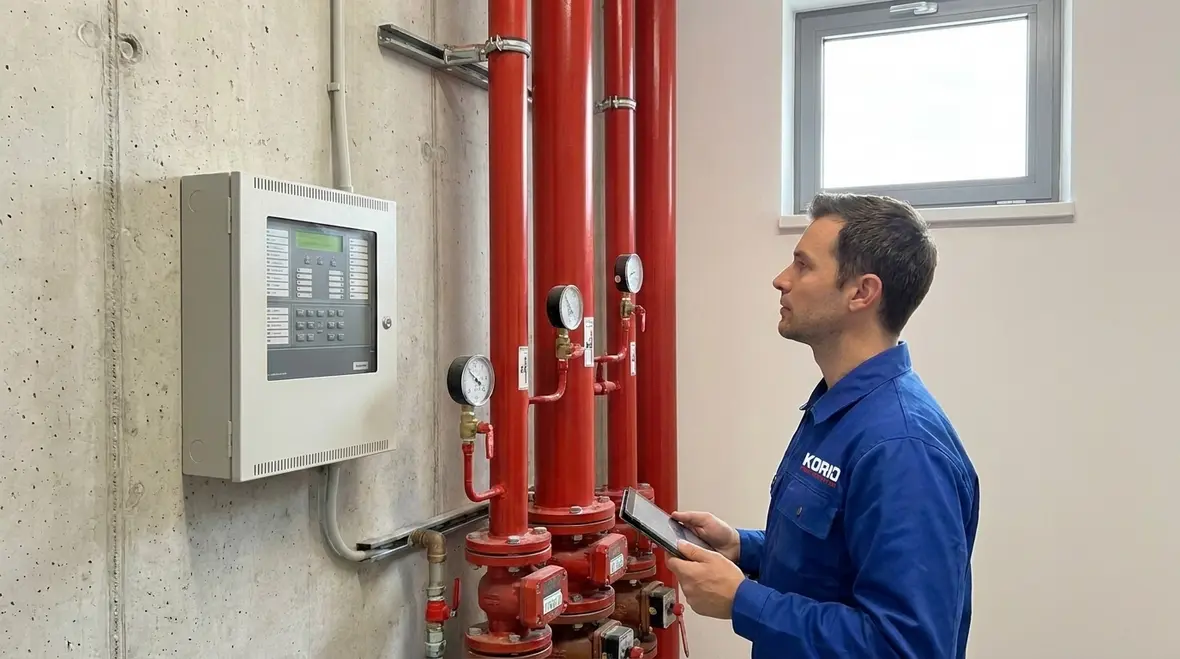
NFPA 13R 11.2 Owner’s Responsibility for a Residential Sprinkler System
Quick Answer
NFPA 13R 11.2 requires the system owner to maintain a residential sprinkler system in reliable working order during normal operating conditions. Owners must ensure inspections, testing, and corrective actions occur when conditions change, valves are operated, or any impairments are identified.
Why NFPA 13R 11.2 matters to owners in commercial and multi property settings
Even when a project uses an NFPA 13R design intended for residential occupancies, ownership and management controls are still the deciding factor for real world fire performance. NFPA 13R 11.2 owner responsibility normal operating condition focuses on keeping the sprinkler system functional, accessible, and not inadvertently impaired by day to day building operations. For commercial, industrial, and retail facilities that manage mixed use portfolios, this is where compliance often breaks down.
Practical risk shows up in common scenarios such as obstructed access panels, altered valve positions, ceiling storage, ongoing tenant work that blocks water flow, and deferred maintenance after minor leaks. When ownership controls fail, the system may appear intact yet fail during an actual fire event.
If your team is tightening inspection routines or reviewing service coverage across properties, fire sprinkler system service and repair support from Kord Fire Protection fits naturally into that bigger readiness picture.
For a broader context on installation and system readiness, refer to this guide: NFPA 13 overview for automatic fire sprinkler system installation.
What NFPA 13R 11.2 requires the owner to do
NFPA 13R 11.2 addresses owner responsibilities tied to maintaining the sprinkler system in proper working order. While the detailed inspection and testing frequency is commonly handled under the applicable maintenance and impairment frameworks, the owner’s obligation under NFPA 13R 11.2 is clear: keep the system operational, ensure it is not disabled without proper procedures, and support timely corrective work when deficiencies are found.
1) Maintain system integrity during the normal operating condition
Under NFPA 13R 11.2 owner responsibility normal operating condition, the owner must control conditions that affect sprinkler performance. That includes verifying that:
- Sprinkler protection is not compromised by storage, renovations, or unauthorized modifications.
- Control valves remain in their required positions and are secured to prevent inadvertent shutoff.
- Water supplies remain available and meet the system needs, including adequate pressure and flow characteristics.
- Drains, gauges, and audible waterflow warning devices are not disconnected or rendered ineffective during maintenance activities.
2) Ensure inspections, testing, and repairs are completed
Owners typically fulfill NFPA 13R 11.2 requirements through a documented maintenance program. A competent service provider performs routine inspections and tests, then verifies repairs are completed to restore the system to service. This is critical because the most frequent causes of sprinkler system impairment are not catastrophic failures. They are small issues that accumulate, such as:
- Corroded gauges and inaccurate readings.
- Partially obstructed piping supports and vibration related wear.
- Valve packing leaks that lead to chronic water loss and pressure variability.
- Improperly restored fire alarm or monitoring connections after tenant contractor work.
3) Manage system impairments and worksite changes
Owner oversight also extends to impairment handling. During planned work that affects sprinkler components, the owner must ensure proper notification, approvals, and restoration procedures. In commercial facilities, impairments often occur due to construction staging, maintenance access, or temporary ceiling modifications. Without disciplined controls, an impairment can become a prolonged out of service condition that is discovered too late.
What “normal operating condition” looks like in the field
For owners and facility managers, the phrase owner responsibility normal operating condition translates to a practical operating standard: the system must be ready to respond immediately, and the environment must not degrade sprinkler function. This includes both the physical system and the operational controls that support it.
Access and obstruction controls
Sprinklers depend on clear discharge patterns. In retail and industrial spaces, routine merchandising, seasonal stocking, duct mounted fixtures, and ceiling tile changes can create hidden obstructions. Facility standards should require that sprinkler spacing and deflector clearance remain maintained, and that any work near sprinkler heads triggers a quick inspection by trained personnel.
Valve supervision and control readiness
Control valves for an NFPA 13R residential sprinkler system may include inspector’s test connections, alarm devices, and water supply isolation points. Owners must ensure valves are not left closed after maintenance, and that valve supervision stays functional where required by the system configuration. In mixed portfolios, owners should also confirm that monitoring and alarm pathways align with the fire protection intent.
Water supply reliability
The water supply remains the foundation. Even when the system piping and sprinklers are intact, supply problems such as private hydrant issues, pump room equipment availability, or temporary utility shut downs can create a system that technically exists but cannot deliver water effectively when called upon.
For teams that manage multiple properties, aligning maintenance scheduling with seasonal changes, construction cycles, and tenant turnover reduces the odds of system impairment during peak occupancy periods. NFPA 13R owner responsibilities remain active because conditions change, and the owner remains accountable for correcting those changes.
Common compliance failure points owners can prevent
Many owner responsibility gaps arise from operational habits rather than equipment defects. The following issues are commonly observed during inspections and service visits in commercial and multi tenant buildings.
Deferred follow up after minor findings
A small leak at a valve packing, a loose gauge, or a corroded drain cap often gets deferred. Over time, the issue can progress into unreliable pressure readings, chronic water loss, or impaired operation during the next maintenance cycle. Owners should treat minor findings as early warning events.
Unauthorized modifications and “temporary” work
Renovations can inadvertently alter sprinkler discharge patterns or relocate ceiling elements without reinstalling proper clearance. Temporary lighting or cable trays can be left in place, and “quick patch” repairs can cover access panels or obstruct drains.
Valves and test connections treated as routine maintenance items
Facilities staff may open, close, drain, or isolate parts of the system without documented procedures. A valve can be returned to a near correct position yet fail during a real demand. Owners should standardize what staff can adjust and ensure any change near sprinkler control points is logged and verified by qualified fire protection technicians.
How Kord Fire Protection supports NFPA 13R owner responsibility in practice
Compliance is not only a code statement. It becomes a managed program supported by field verification, documentation, and corrective action. Kord Fire Protection helps owners meet NFPA 13R 11.2 expectations by pairing practical inspection workflows with the documentation and impairment discipline needed for ongoing reliability.
As a commercial service partner, Kord Fire Protection focuses on:
- Routine inspection and testing support that validates system readiness under normal operating condition expectations.
- Rapid corrective action planning for valve issues, water supply concerns, and access or obstruction hazards.
- Maintenance program support aligned with property management and tenant change schedules.
- Clear reporting that helps owners and facility teams track deficiencies, repair status, and restored service.
For a broader understanding of fire pump and water supply system considerations that can intersect with sprinkler readiness, see: fire pump system components explained guide.
Owners who coordinate maintenance with a qualified partner reduce the risk of discovering impairments during emergency calls or annual compliance checks. Kord Fire Protection positions the system for dependable performance, not just code presence.
Frequently Asked Questions
Conclusion and call to action
NFPA 13R 11.2 owner responsibility normal operating condition is an active obligation, not a one time checkbox. Owners must control access, valve positions, water supply readiness, and worksite changes while ensuring timely inspections, testing, and repairs. Partner with Kord Fire Protection to verify system readiness, document compliance, and correct issues early, so your residential sprinkler system performs when it matters most. Contact Kord Fire Protection today to schedule an inspection and maintenance review.

Join Our Newsletter!
Get the latest fire safety tips delivered straight to your inbox From our Newsletter.



