
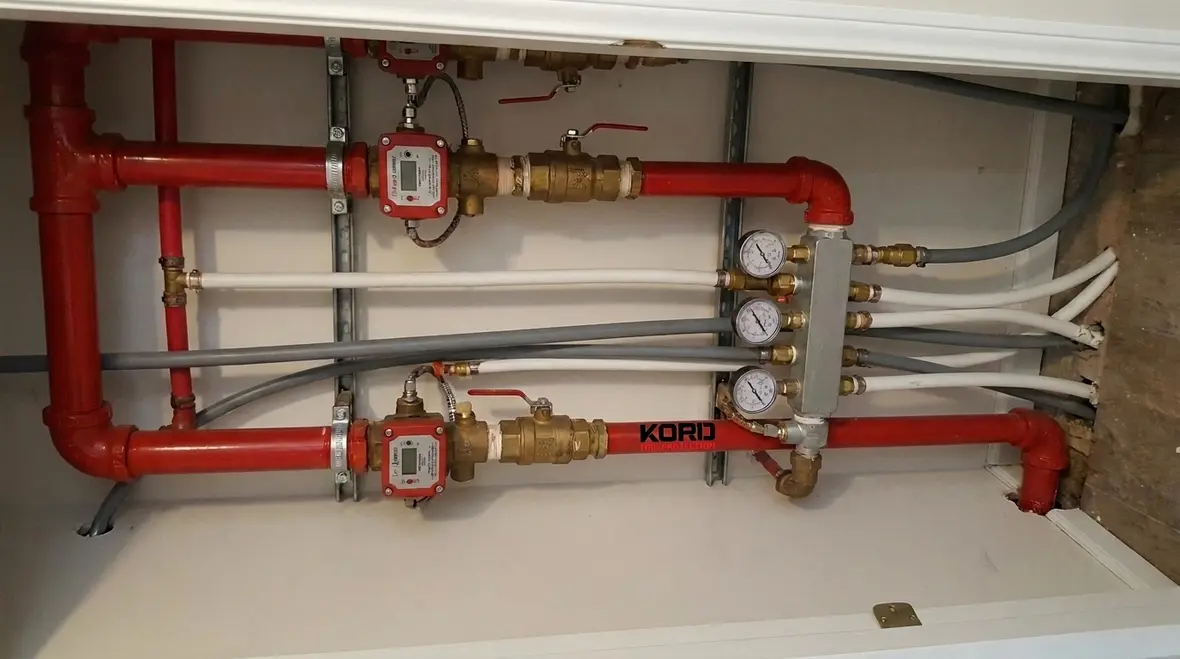
NFPA 13D Sections 6.3 to 6.5: Multipurpose Piping, Manufactured Homes, and Common Supply Pipes
Quick Answer
NFPA 13D Sections 6.3 through 6.5 govern when non sprinkler piping can serve multiple functions, how sprinkler piping is applied in manufactured homes, and how common supply pipes are arranged and maintained. These requirements reduce system failure risk, simplify inspections, and prevent cross connection hazards.
What these sections control, in plain compliance terms
NFPA 13D Sections 6.3 6.5 multipurpose piping manufactured homes common supply pipes focus on three operational realities: systems must operate reliably, they must match the intended occupancy and water distribution layout, and they must remain maintainable over the life of the installation. For commercial, industrial, and retail facilities that include residential type spaces, leasing operations, modular or manufactured units, or shared water service infrastructure, misapplication of these rules often becomes an inspection and enforcement problem during annual testing.
These sections do not treat the sprinkler system as “just another plumbing line.” They address how piping interacts with other services, how the configuration affects water delivery performance, and how the system remains accessible for ongoing inspection, testing, and service.
For facilities working through inspection planning or recurring service coordination, fire sprinkler services and repair from Kord Fire Protection is a practical place to start before diving deeper into these section specific requirements.
For an installation baseline and an overview of how these requirements fit into the larger NFPA 13D framework, see NFPA 13D overview and automatic fire sprinkler installation fundamentals.
Multipurpose piping under NFPA 13D Section 6.3: where compliance breaks in the field
Multipurpose piping allows the use of a single piping network for more than one function. NFPA 13D Section 6.3 requires careful limitations so the sprinkler system performance cannot be degraded by the other purpose. The core compliance theme is that the sprinkler system must receive reliable water flow under fire conditions, and the multipurpose arrangement must not introduce blockage, shutoff isolation, contamination, or air entrainment that interferes with sprinkler operation.
Common scenarios that inspectors scrutinize
- Shared piping that includes isolation valves: If the non sprinkler service requires routine shutdowns, valves must not prevent the sprinkler system from delivering water during fire.
- Valves or backflow devices in the sprinkler path: Many backflow and pressure regulating assemblies can create pressure losses or operational behaviors that reduce sprinkler discharge performance.
- Piping that collects debris or sediment: Multipurpose lines sometimes carry domestic, makeup, or process water that contains particulate or biological growth, increasing the likelihood of obstruction.
- Alternate pressure sources: Pumps or pressure boosters tied to the multipurpose function can create unacceptable pressures or pressure transients if not designed to meet fire sprinkler reliability targets.
Operational and maintenance failure points to prevent
Commercial and industrial maintainers often learn the hard way that multipurpose piping increases lifecycle complexity. A change in another service plan, such as modifying a process water line, can unintentionally affect sprinkler readiness. Kord Fire Protection routinely addresses this by reviewing the full water supply and valve train logic during inspection preparation, then confirming that testing access points and flow paths remain consistent with the approved design.
Maintenance best practice includes verifying valve position assumptions, confirming any test and drain arrangements do not become blocked, and ensuring routine housekeeping does not cover or conceal critical inspection and maintenance features.
Manufactured homes under NFPA 13D Section 6.4: layout, access, and reinspection realities
Manufactured homes introduce construction and installation variables that differ from conventional residential construction. NFPA 13D Section 6.4 addresses how the sprinkler system is installed, protected, routed, and accessed despite factory and on site handling constraints.
Why manufactured home systems fail in practice
- Routing conflicts during placement: Chassis transport and set up can strain or reposition piping if supports and clearance criteria were not maintained.
- Hidden damage from vibration: Micro movements can loosen fittings or stress sprinkler piping, leading to future leakage discovered during maintenance flushes or inspections.
- Access limitations: Inspectors need the ability to evaluate the installation without extensive removal. If concealed components limit verification, compliance becomes difficult to defend.
Inspection and maintenance procedures that match the risk
Effective compliance programs for manufactured homes focus on verifying the mechanical integrity of the system after installation, then building a repeatable maintenance plan. Kord Fire Protection supports commercial property managers and facility owners by coordinating inspection scheduling, documenting as found conditions, and aligning seasonal testing with the realities of occupancy and access.
In addition, maintenance teams benefit from having a clear labeling and access strategy that keeps critical shutoff and drain points reachable and prevents ad hoc modifications that compromise listing, clearance, or protection.
Common supply pipes under NFPA 13D Section 6.5: shared water, controlled outcomes
Common supply pipes distribute water to multiple sprinkler zones or systems. Under NFPA 13D Section 6.5, the arrangement must maintain predictable performance during fire conditions. The primary concern is that shared supply infrastructure must not allow one system to unintentionally interfere with another through isolation, pressure changes, or flow diversion.
Key compliance concerns that matter during commissioning
- Isolation and valve management: If common supply lines include valves that can isolate one portion, the operational assumption must be correct for fire. Inspectors frequently verify labeling, accessibility, and correct valve condition.
- Cross connection hazards: Shared piping can create pathways for unwanted transfer between services. Backflow prevention and separation requirements must be met so the sprinkler system does not become contaminated or deprived of water.
- Hydraulic interaction: Multiple branches can influence water availability and pressure at the most demanding location. That matters for sprinkler discharge timing and water delivery effectiveness.
Testing and documentation expectations
Common supply piping frequently complicates system testing because the tester must validate performance for the correct portion while protecting other services from unwanted disruption. This is where a structured maintenance workflow becomes essential: Kord Fire Protection uses consistent test planning, documentation, and post test verification so property teams can demonstrate reliability over time rather than rely on a one time acceptance test.
For additional technical context on pump and water supply considerations relevant to sprinkler performance, reference materials from Fire Pumps’ water supply guide.
How these rules connect to real facility operations, not just installation
Facility owners and maintenance providers often treat NFPA 13D as an installation standard. In practice, Sections 6.3 to 6.5 shape the ongoing operating reliability of the sprinkler system. That becomes especially important in commercial, industrial, and retail environments that share utilities, outsource maintenance, or change tenants and service scopes frequently.
Commercial compliance challenges to plan for
- Tenant driven piping modifications: Maintenance contractors may alter domestic, process, or utility piping, unintentionally affecting multipurpose piping conditions or common supply flow behavior.
- Valve tampering and “convenience” isolation: Common supply and multipurpose arrangements can tempt personnel to close valves for non sprinkler service work. Labels and lockout controls reduce this risk.
- Documentation gaps: If diagrams do not reflect the current configuration, inspectors cannot correlate the system’s behavior to the approved intent.
A practical compliance approach includes maintaining current as built documentation, conducting targeted pre inspection reviews, and scheduling testing so it aligns with facility uptime requirements. Kord Fire Protection provides ongoing service that helps facilities meet recurring inspection cycles with fewer last minute corrections.
Frequently Asked Questions
Conclusion and call to action
NFPA 13D Sections 6.3 through 6.5 require more than correct pipe routing. They demand controlled valve logic, protected and inspectable manufactured home installation details, and shared supply arrangements that deliver reliable water under fire without unintended interference. Kord Fire Protection can help your facility confirm compliance before inspection, document as found conditions, and maintain system readiness through consistent testing and service. Schedule a review with Kord Fire Protection to reduce corrective work and extend sprinkler system reliability.

Join Our Newsletter!
Get the latest fire safety tips delivered straight to your inbox From our Newsletter.



