
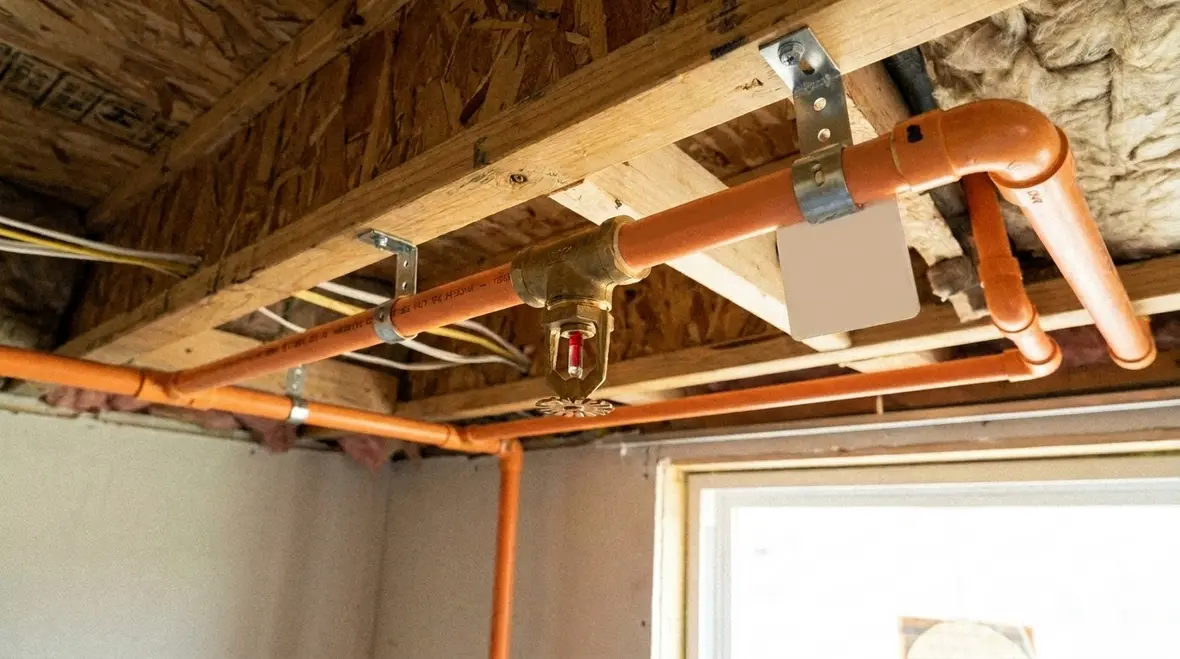
NFPA 13D Section 5.4: Pre-Engineered Sprinkler Packages for One- and Two-Family Homes
Quick Answer: NFPA 13D Section 5.4 covers how pre-engineered sprinkler packages get evaluated and installed for one and two-family homes. The intent focuses on reliable coverage, correct component matching, and documented compliance so installers and inspectors can verify system performance.
What NFPA 13D Section 5.4 requires for pre-engineered packages
NFPA 13D Section 5.4 governs the use of NFPA 13D Section 5.4 pre-engineered sprinkler packages one two family homes residential that provide a defined arrangement of sprinklers, piping, and fittings designed to meet the criteria of NFPA 13D. These packages reduce design variability, but they do not remove compliance responsibility. The package must be installed exactly as evaluated, and the system must still pass the inspections, testing, and documentation required by the authority having jurisdiction (AHJ).
For commercial, industrial, and retail stakeholders that manage multi building portfolios or oversee mixed residential and commercial construction, the key takeaway is operational discipline. Pre-engineered does not mean “install and forget.” Maintenance, valve accessibility, and recurring inspection readiness remain critical for lifecycle compliance.
For teams balancing residential sprinkler requirements with broader system readiness, Kord Fire Protection’s fire sprinkler system service page offers a useful look at inspection, maintenance, repair, and installation support that fits naturally into long term compliance planning.
How pre-engineered packages are “validated” in the real world
In practice, NFPA 13D Section 5.4 pre-engineered sprinkler packages rely on a pre-determined hydraulic and coverage basis. Compliance hinges on strict alignment between the package’s evaluated components and the installed system. That means installers and inspectors must be able to trace the system to the package documentation and confirm that the final configuration matches the approval criteria.
Component matching that inspectors look for
-
Sprinkler listing and type: The installed sprinklers must match the package specification, including sprinkler orientation, temperature rating, and coverage category where applicable.
-
Spacing and placement: Sprinkler spacing and layout must follow the package design intent. Common field drift occurs when ceiling features, soffits, or ducts are added late.
-
Pipe material and sizing: Substituting pipe schedules, diameters, or materials can invalidate the package basis. Field replacements must remain within the allowed substitutions stated in the package documentation.
-
Fittings and connections: The package expects a specific piping approach. Incorrect elbows, improper adapters, or unapproved coupling methods can create both compliance and reliability issues.
One missed detail that can break compliance
One frequent failure point is the mismatch between planned and actual ceiling conditions. Dropped ceilings, ceiling height changes, or changes in room use can alter obstruction characteristics and sprinkler effectiveness. Even if the correct sprinkler type is used, a layout that no longer matches the evaluated spacing or obstruction criteria can result in an AHJ rejection during inspection.
Installation procedures that protect the system during inspections
NFPA 13D Section 5.4 pre-engineered packages are designed to streamline design, but installation quality still determines pass or fail outcomes. The best operational approach focuses on documentation, verification points, and controlled changes.
Step-by-step controls for installers
-
Pre-install review: Verify the package number, sprinkler model, pipe type, and configuration against the approved plans before any pipe is cut.
-
Layout confirmation: Use ceiling and room measurements from the same construction phase. Confirm sprinkler locations before drywall or ceiling finishes obstruct access.
-
Pressure and leak integrity: Complete hydrostatic or required tests using the prescribed test procedure. Document results for turnover and future maintenance readiness.
-
Tagging and control points: Label valves, drains, and any required accessories to support inspection schedules. Maintain clear access routes.
-
Change management: Any substitution must be documented and approved according to the package evaluation and AHJ requirements.
Where systems commonly fail after occupancy
Even when installations pass initial acceptance, pre-engineered systems can degrade operational readiness over time. Typical issues include valve concealment behind finishes, corrosion in drains, or partial obstructions that were not present at the time of inspection. Kord Fire Protection supports long term compliance through structured inspection and maintenance aligned with system configuration and local requirements.
For broader installation context on automatic sprinkler systems and common compliance expectations, reference the installation overview here: NFPA 13 overview for automatic fire sprinkler system installation.
Inspection, testing, and maintenance expectations
NFPA 13D pre-engineered systems still require ongoing inspection discipline. The goal is to ensure the system remains capable of delivering water in the intended manner, and that components remain accessible, readable, and functional.
Operational inspection focus areas
-
Control valve supervision and accessibility: Verify control valves remain accessible, in the correct position, and unobstructed.
-
Sprinkler physical condition: Confirm sprinklers are not painted, capped, damaged, or impacted by storage or construction debris.
-
Drain and test connections: Ensure drains can operate and discharge appropriately. Blockages and misrouted discharge lines are common maintenance blockers.
-
Water supply performance: Confirm that supply conditions have not changed through renovations, landscaping, meter upgrades, or pressure variations.
Why documentation matters for portfolio owners
For commercial, industrial, and retail facilities managing multiple assets, consistent documentation supports audit readiness and reduces downtime when an AHJ requests proof of compliance. System acceptance test records, inspection tags, and maintenance logs reduce ambiguity during re inspections.
Kord Fire Protection provides practical compliance support built around inspection readiness, maintenance planning, and verification workflows that reduce the chance of repeat corrective actions. This approach also supports facilities that coordinate work with builders, maintenance teams, and local inspectors.
Related resources on pump and water supply systems are available at Fire Pumps, which can help stakeholders understand water supply components that often interact with sprinkler performance.
Common compliance challenges for pre-engineered residential packages
Pre-engineered packages reduce design time, but compliance risk shifts into installation accuracy and verification. These challenges appear frequently across residential builds, including attached homes, clustered developments, and small multifamily sites.
Challenge 1: Field changes that break the evaluated spacing
Late modifications to ceiling layouts, duct routing, or storage placement can move sprinklers out of the evaluated pattern. Even small deviations can affect coverage and obstructions, driving corrective work after inspections.
Challenge 2: Substitutions without a valid equivalency path
Substituting components is a frequent root cause of AHJ concerns. Contractors may swap parts for availability, but the replacement must match the package evaluation criteria. Without traceable equivalency, the AHJ may require redesign or partial rework.
Challenge 3: Limited access and poor maintainability
Many failures in occupancy come from reduced accessibility, such as valves buried in finishes or drain outlets routed in ways that create damage or block operation. Maintaining access during finish trades prevents future service delays.
Challenge 4: Coordination with other trades
Plumbing, HVAC, electrical, and framing trades can unintentionally interfere with the sprinkler arrangement. A coordination plan during rough in keeps penetrations, hanger locations, and sprinkler orientation within the package expectations.
How Kord Fire Protection supports ongoing compliance
Pre-engineered does not eliminate the need for professional oversight. Kord Fire Protection acts as a commercial and technical compliance partner that helps project teams reduce inspection friction and maintain sprinkler readiness throughout the building lifecycle.
-
Documentation and verification support: Helps align installed conditions with the package basis and inspection expectations.
-
Inspection and maintenance planning: Supports scheduled reviews, access readiness, and functional checks for system reliability.
-
Issue triage and corrective action coordination: Reduces repeat failures by addressing common causes such as accessibility, component matching, and obstructed coverage.
This service approach also fits organizations that must standardize compliance across multiple sites or manage contractors who install to drawings but face field conditions that require disciplined change control.
Frequently Asked Questions
Conclusion and Call to Action
NFPA 13D Section 5.4 pre-engineered sprinkler packages one two family homes residential solutions work when installers maintain strict package matching and verification discipline. To reduce inspection rework and protect long term reliability, engage a qualified fire protection partner for review, testing, and maintenance planning. Contact Kord Fire Protection to support compliance readiness, documentation workflows, and ongoing service that keeps systems inspectable, maintainable, and dependable.

Join Our Newsletter!
Get the latest fire safety tips delivered straight to your inbox From our Newsletter.



