
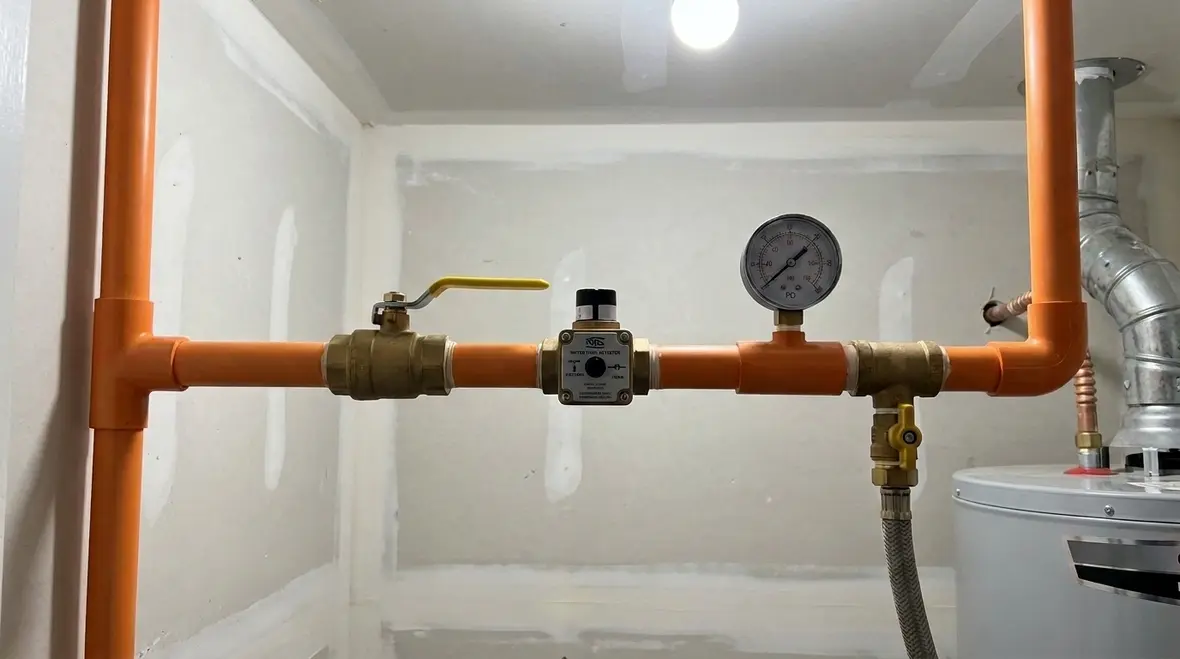
NFPA 13D Section 5.1: Overview of Approved System Components for Home Sprinkler Installations
Quick Answer: NFPA 13D Section 5.1 identifies which system components qualify for use in residential fire sprinkler installations. It focuses on listed and approved parts such as sprinklers, piping, fittings, valves, and devices that meet performance, compatibility, and inspection requirements.
Why NFPA 13D Section 5.1 matters for compliant home sprinkler work
NFPA 13D Section 5.1 general approved system components home sprinkler installations sets the baseline for what counts as an acceptable fire sprinkler system in residential occupancies. For contractors and facilities teams, the practical challenge is not only selecting components that are permitted, but also ensuring those components remain compatible across the full installation, from hydraulic design through commissioning, inspection, and ongoing maintenance.
Commercial facility standards influence residential projects in a few important ways. Retail and industrial owners often require documented maintenance programs, tamper control, rapid repair response, and clear ownership of testing records. Those expectations make strict component selection and traceable documentation essential, even when the target system is installed under residential rules.
If you need a broader look at system layout, installation flow, and how component decisions affect acceptance, start with NFPA fire inspection and code compliance solutions. For a broader installation overview and how system design and acceptance connect to component selection, see NFPA 13 overview and automatic fire sprinkler system installation.
What Section 5.1 is really doing behind the scenes
Section 5.1 establishes the approval framework for the main building blocks of a sprinkler system. In practice, it governs three core expectations:
- Listing and approval: Components must be acceptable for use in the type of system described by the standard.
- Compatibility: Approved parts must work together as a system, including threads, materials, pressure ratings, and temperature classifications.
- Maintainability and inspection readiness: Components must support acceptance testing, routine inspection tasks, and safe service work.
When teams treat Section 5.1 as a checkbox, the installation often fails later during acceptance or maintenance activities. The most expensive failures typically occur after the system is built, when retrofits require replumbing, requalification of sections, or partial replacement of valves and sprinklers that were installed using components that were not actually approved for the specific system context.
Which system components count as “approved” for residential sprinkler installations?
NFPA 13D residential systems rely on a set of components that must be acceptable for the design and installation method. While specific subclauses vary by edition and referenced standards, approved component categories usually include the following:
1) Sprinklers and sprinkler related devices
Sprinklers must be listed or approved for the installation conditions they will face, including temperature rating, spray pattern, and corrosion resistance. Teams commonly overlook matching the sprinkler temperature rating to the protected environment. Another common issue is substituting a similar looking sprinkler during late change orders, which breaks compatibility with the approved system concept and complicates inspection documentation.
Operational failure points tend to include incorrect bulb temperature rating, improper installation orientation, and obstruction by storage, building fixtures, or temporary finishes. These issues become maintenance risks in commercial settings because inspections often involve coordinating multiple trades who may unknowingly introduce obstructions or damage to sprinkler coverage.
2) Piping, tubing, and fittings
Pipe and fittings must be acceptable for the system method, expected pressures, and listed joining methods. Common commercial shop practices such as using non matching fittings, mixing joining technologies, or reusing damaged elbows can create leak paths or affect system hydraulic performance.
Maintenance teams also care about long term durability. Pipe material compatibility with water quality and environmental exposure, for example corrosion concerns in coastal areas or in retail back of house areas with cleaning chemicals, affects long term reliability. A robust maintenance approach includes scheduled leak checks and internal inspection strategies where permitted by local standards and the authority having jurisdiction.
3) Valves, main drain, and control devices
Valves used to control system water must meet the standard’s approval requirements for the specific application. Proper selection matters because it impacts how the system behaves during commissioning, how quickly it can be restored to service after a test, and how reliably the control points can be secured against unintended operation.
Failure points frequently include valves that are difficult to access, valves without correct identification, or improperly configured control trim. These become compliance and operational risks when facilities teams need to demonstrate serviceability and maintain accurate as built records.
4) Backflow protection and flow related devices
Many residential installations include or require backflow prevention depending on jurisdictional requirements. Approved devices must match the water supply configuration and the system piping arrangement. If backflow assemblies are installed without confirming approvals and required maintenance interfaces, service disruptions and inspection failures can follow.
For additional guidance on pump and water supply system components that intersect with sprinkler system performance, see this fire pump water supply guide.
5) Hangers, supports, and seismic related requirements where applicable
Even in residential systems, supports and hangers must be installed to maintain alignment, protect sprinkler discharge patterns, and avoid movement that can damage threads or fittings. Where local amendments introduce seismic or wind driven requirements, the approved component framework becomes even more important.
Operationally, support issues often show up as valve and sprinkler leaks after building settlement, or as coverage and head alignment problems after renovations.
How compliance breaks down in the field, and how to prevent it
In commercial, industrial, and retail operations, “approved” components are only part of compliance. The rest is documentation, inspection readiness, and maintenance discipline. Common problems that stem from weak adherence to NFPA 13D Section 5.1 include:
- Change order substitution: A later substitution uses a part that resembles the approved component but does not match the required listing for temperature, pressure rating, or system type.
- Inconsistent labeling and marking: Installed equipment lacks durable identification. Maintenance teams then cannot verify approved configurations during future inspections.
- Improper joining and workmanship: Even approved pipe and fittings can fail if joining methods are incorrect or if workmanship inspection is inadequate.
- Hydraulic mismatch: Component selection can impact friction loss and system performance. When design assumptions are not followed, inspection acceptance may fail.
- Maintenance damage: Sprinkler heads and valve controls can be impacted by renovations, cleaning routines, and storage practices.
Kord Fire Protection supports ongoing compliance through inspection planning, record keeping, and service strategies that align with how facilities teams actually manage risk. That includes verifying installed configurations against approved components, reviewing valve accessibility and test points, and coordinating maintenance windows so that systems remain reliable.
For a related perspective on how system design decisions affect installation acceptance, Kord Fire Protection also provides practical guidance through its NFPA 13 automatic fire sprinkler system installation overview.
What good commissioning and maintenance looks like for approved components
Approved component selection should translate into repeatable commissioning and maintainable installation behavior. A practical program typically includes these actions:
Commissioning checklist for approved system components
- Verify listings and submittals: Confirm sprinkler temperature ratings, model numbers, and applicable listings match the design and the installed quantities.
- Confirm correct installation orientation: Ensure sprinkler heads are installed at correct angles and are not installed upside down or misaligned.
- Validate joining and pressure integrity: Verify joining methods comply with approved instructions and perform leak testing as required by the installation plan.
- Operational check of valves and drains: Confirm main drain configuration and valve operation and verify that control points can be accessed and secured.
- Document as built: Capture serial numbers, device identifiers, and changes so later inspections do not require forensic guesswork.
Maintenance routines that protect “approved” status
- Routine inspection: Confirm sprinklers are unobstructed and free of damage and verify that control valves are in the correct condition.
- Water flow and test readiness: Ensure test points remain accessible and drains operate without damaging adjacent finishes or creating leaks.
- After renovation verification: When retail or industrial tenants modify storage layouts, partitions, or ceilings, revalidate sprinkler clearance and head protection.
- Record updates: Keep maintenance logs aligned with as built records so the facility can demonstrate ongoing compliance.
Kord Fire Protection helps commercial clients treat residential code work as part of a broader life safety asset management approach, reducing downtime during inspections and minimizing the risk of repeat nonconformance.
Where NFPA 13D component approval connects to broader sprinkler system planning
Home sprinkler systems installed under NFPA 13D still require disciplined planning, but the workflow differs from larger occupancy systems. Teams often benefit from cross referencing how design intent translates into installation practice. An actionable starting point is the NFPA 13 overview from Kord Fire Protection, which explains how system components, hydraulics, and commissioning practices interact.
For organizations that coordinate water supply infrastructure across buildings, pump and water supply knowledge also improves end to end system readiness. Referencing this fire protection pumps guide can help teams understand how water supply performance affects sprinkler reliability, especially where pressure and flow stability matter.
Frequently Asked Questions
Get the right components, documentation, and maintenance plan
NFPA 13D Section 5.1 compliance succeeds when approved system components are selected, installed, and maintained with verifiable records. Kord Fire Protection helps teams reduce acceptance delays, prevent costly rework, and maintain long term system reliability through inspections, commissioning support, and ongoing maintenance programs. Contact Kord Fire Protection to review your component submittals and maintenance approach before installation and during future service cycles.

Join Our Newsletter!
Get the latest fire safety tips delivered straight to your inbox From our Newsletter.



