
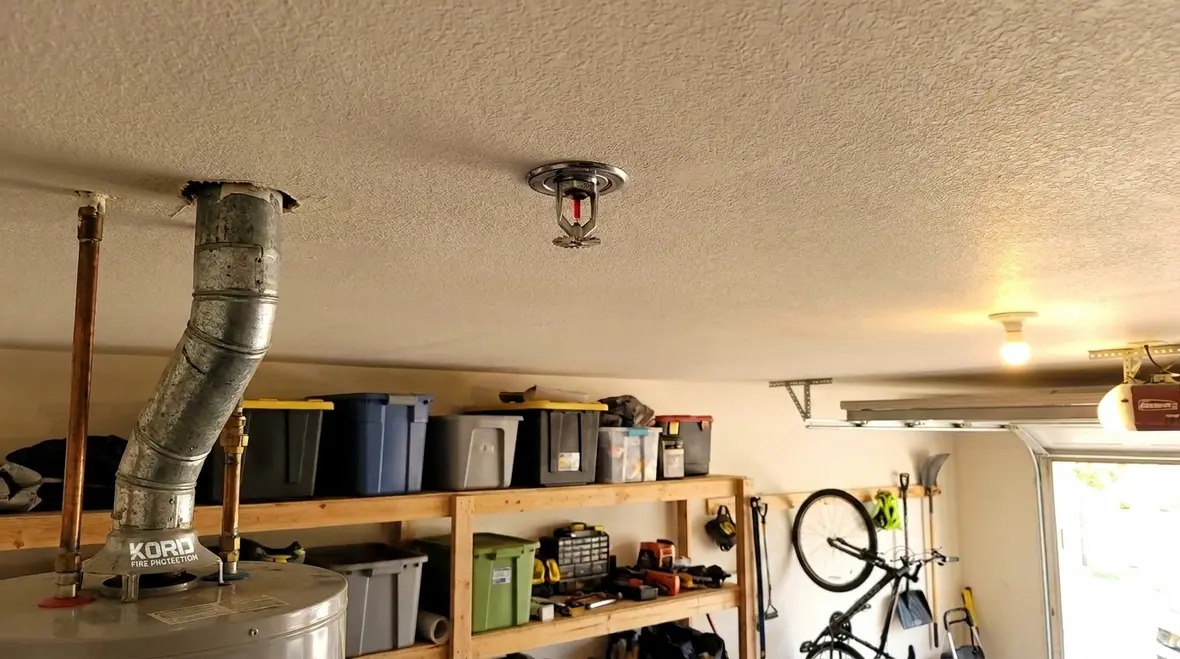
NFPA 13D Section 4.1: High Temperature Sprinkler Placement Rules for Homes and Garages
Quick Answer
NFPA 13D Section 4.1 establishes where high temperature sprinklers may be installed to manage elevated ambient conditions in homes and garages. Proper placement depends on sprinkler listing, obstruction rules, and ceiling configuration. Installers must verify coverage, spacing, and maintenance access to stay compliant.
What NFPA 13D Section 4.1 is trying to prevent
High temperature sprinklers reduce the risk of pre discharge from normal heat sources, but they do not relax fundamental installation controls. NFPA 13D Section 4.1 high temperature sprinkler placement homes garages residential focuses on ensuring sprinklers are still positioned to detect fire quickly after ignition, while remaining protected from unintended thermal effects. When designers place these devices without strict adherence to listed temperature ratings, obstruction limits, and spacing rules, they often create detection delays or maintenance failures.
For commercial facility teams overseeing tenant fit outs, the practical lesson is consistent: compliance depends on correct placement and documentation, not just selecting the “right” sprinkler type. When the installation is unclear, inspectors commonly require verification through model based plan review, as-built updates, and field checks.
Near the start of any project, it also helps to align sprinkler decisions with a broader fire sprinkler service strategy so design, installation, testing, and maintenance stay coordinated from day one.
Additional context on overall sprinkler system installation requirements is available here: NFPA 13 overview for automatic sprinkler system installation.
1) Confirm the intended high temperature application first
NFPA 13D Section 4.1 high temperature sprinkler placement homes garages residential begins with the selection and authorization of high temperature sprinklers for the environment. The sprinkler’s listing determines its acceptable ambient temperature range and installation limitations. Field teams must treat the sprinkler temperature rating as a system design input, not a cosmetic choice.
Common compliance gaps include:
Using the correct sprinkler type but placing it in the wrong ceiling space. Elevated ambient areas do not automatically justify a high temperature device everywhere above a garage ceiling.
Ignoring ceiling obstructions and draft conditions. Even in garages, airflow can shift combustion products and heat stratification, reducing the time to detection or, incorrectly, increasing it beyond safe assumptions.
Failing to reconcile the room’s thermal profile. Garages often include vehicles, space heaters, and seasonal heating patterns. If the expected ambient is not assessed, the high temperature device may become misapplied.
Commercial compliance teams also track the administrative side: the submittals must match what is installed. Plans, RFI responses, and sprinkler schedules must align with the final high temperature selection.
2) Place high temperature sprinklers with ceiling geometry control
In residential garages and similar spaces, placement hinges on how the ceiling is built. NFPA 13D Section 4.1 high temperature sprinkler placement homes garages residential requires positioning that supports intended spray patterns and maintains the ability to detect heat reliably.
Typical placement constraints installers must manage
Ceiling type and height. Flat ceilings, pitched ceilings, and dropped ceilings each change how heat travels and how sprinkler patterns develop. Even where high temperature sprinklers are allowed, the ceiling design still drives spacing, location, and obstruction distance controls.
Obstructions in front of the sprinkler. Beams, soffits, ducts, and ceiling mounted equipment can interfere with deflector flow. Teams must account for obstruction rules and confirm the sprinkler is not effectively shielded.
Concealed spaces. When sprinklers are installed in or near concealed spaces, access and drainage performance become recurring failure points during acceptance testing and later inspections.
From an operational standpoint, field verification matters. Kord Fire Protection supports ongoing compliance by performing practical checks that catch ceiling geometry conflicts, obstruction interference, and documentation mismatches before they become costly rework during inspections.
3) Layout verification: spacing, coverage, and response timing
Even with a high temperature sprinkler installed correctly, NFPA 13D requires adherence to spacing and coverage assumptions. Placement rules in Section 4.1 connect directly to the system’s expected performance, meaning that incorrect spacing or misaligned layout can negate the benefit of the temperature rating.
What crews should verify before rough-in signoff
Sprinkler count and distribution. Verify that the number of sprinklers and their grid or branch layout matches the approved plan set.
Distance from walls and major architectural features. Verify offsets at doors, service openings, and structural elements that can disrupt spray patterns.
Pipe schedule and hanger adjustments. Misaligned piping can move sprinklers into prohibited zones or create unacceptable obstruction relationships.
Thermal device classification consistency. Ensure the sprinklers marked “high temperature” are used only where intended and remain consistent with the system hydraulic and coverage design basis.
For teams that also reference national guidance on pump and water supply performance and how it affects sprinkler reliability, firepumps.org provides additional operational background: firepumps.org.
4) Design for inspection, testing, and long term maintenance
High temperature sprinkler placement homes garages residential often results in delayed discovery of issues. Garages introduce dust load, vehicle related contamination, and seasonal humidity changes that affect inspection readiness. A placement decision that blocks access or places sprinklers where they become repeatedly obstructed by stored items can cause compliance failures during follow up inspections.
Inspection and maintenance realities that drive compliance
Physical accessibility. Inspectors must be able to confirm identity, temperature rating, and condition. Concealed or hard to reach installations frequently require additional access provisions.
Sprinkler condition and cleanliness. Dust and residue can coat sprinkler components. This affects appearance during visual inspections and may trigger additional scrutiny by AHJs.
Obstruction drift over time. Storage patterns change. Items placed near sprinklers can create functional obstructions that undermine early detection.
Commercial site managers should treat garage storage rules as a fire protection maintenance requirement, not a housekeeping suggestion.
Kord Fire Protection helps commercial, industrial, and retail teams maintain compliance through inspection documentation, maintenance planning, and practical site coaching that protects both life safety and inspection outcomes.
5) Common failure points in the field and how to correct them
Installers and designers frequently encounter repeat problems when they apply NFPA 13D Section 4.1 high temperature sprinkler placement homes garages residential without a coordinated checklist. The following issues usually surface during commissioning, AHJ review, or inspection after occupancy.
Failure point: mismatch between plans and installed temperature ratings
If a high temperature sprinkler is installed where the schedule calls for a different temperature classification, inspectors may require replacement or documented variance justification. A disciplined submittal and labeling verification process prevents this.
Failure point: obstruction interference created by layout changes
Field changes to ductwork, lighting, or soffits can unintentionally shield the sprinkler deflector. Teams should verify obstruction distances after all trades complete overhead work, not only at initial rough in.
Failure point: inadequate access and poor maintainability
If sprinklers are placed in areas that become effectively inaccessible during normal use, testing, inspection, and future servicing become non compliant in practice. Maintain a clear access pathway and ensure that the ceiling and soffit design supports ongoing inspection.
Frequently Asked Questions
Get Section 4.1 placement right the first time
High temperature sprinkler placement in homes and garages requires more than correct product selection. It demands verified ceiling geometry, obstruction control, compliant spacing, and a maintenance plan that supports inspections over the life of the building. Kord Fire Protection can support commercial teams with plan review support, field verification, and ongoing inspection and maintenance documentation. Contact Kord Fire Protection to reduce rework, protect compliance outcomes, and keep residential and garage sprinkler systems performing as intended.

Join Our Newsletter!
Get the latest fire safety tips delivered straight to your inbox From our Newsletter.



