
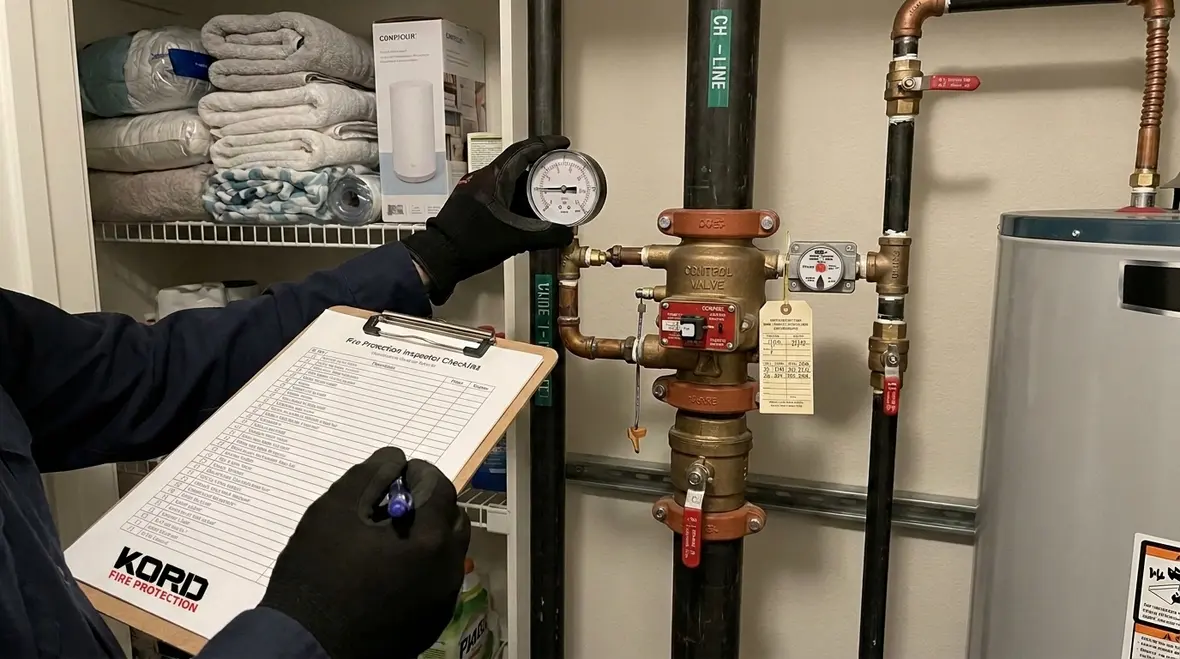
NFPA 13D Section 12.2: Annual and Monthly Inspection Schedules for Residential Sprinkler Systems
Quick Answer: NFPA 13D Section 12.2 sets inspection scheduling requirements that align with the need to detect impairment early. It establishes routine monthly checks and annual evaluations for residential sprinkler systems, supporting ongoing reliability of water supply, supervisory status, and system readiness.
Why NFPA 13D Section 12.2 matters for inspection scheduling
NFPA 13D Section 12.2 annual monthly inspection schedules residential sprinkler systems NFPA 13D are designed to prevent small, gradual changes from becoming system failures. In practice, the schedule is not simply calendar driven. It supports operational verification that the sprinkler system can deliver water when required, with particular emphasis on the condition of water supply components, control valves, and supervisory devices.
For commercial, industrial, and retail environments where residential style sprinkler arrangements are sometimes applied to specific occupancies, the inspection discipline still has to meet the intent of the standard. Facilities typically need documented compliance, consistent access to water flow testing records, and a repeatable process for correcting observed impairments.
Facilities that also coordinate broader sprinkler installation considerations can review NFPA 13 overview and installation considerations to connect inspection planning with how systems are originally laid out and protected.
What NFPA 13D Section 12.2 requires: annual versus monthly actions
NFPA 13D Section 12.2 organizes inspection responsibilities into monthly and annual intervals. Monthly checks are intended to identify evidence of impairment early. Annual inspections validate that system conditions have remained stable over time and that the system continues to meet the operational expectations established at installation.
Monthly inspection schedule: the impairment detection layer
Monthly inspection tasks generally focus on observable and readily verifiable conditions that can change quickly. The goal is to confirm that the system remains in a ready state. Common monthly inspection elements include:
Valves and controls condition: confirm that control valves are in the correct position and that tamper indications or supervisory conditions do not show abnormal states.
Water supply readiness: observe indicators that the water supply has not been isolated, reduced, or mechanically compromised.
System impairment indicators: verify that there are no signs of disabling conditions, missing components, or obvious physical obstructions.
Operationally, monthly inspections help catch the most frequent real world failure patterns such as accidental valve closure during maintenance activities, vandalism or unauthorized access, pressure disturbances that go unreported, or inadvertent removal of supervisory devices.
Annual inspection schedule: verification of stability and ongoing reliability
Annual inspection actions typically require a deeper validation of system condition and readiness. Annual work commonly strengthens monthly findings by confirming that system components have maintained their integrity and operational performance over time.
In practical terms, annual inspections often focus on:
Condition verification: confirm that no components have degraded, corroded, or become partially obstructed since the last check.
System status confirmation: verify that supervisory and monitoring elements remain functional and accurately reflect system readiness.
Correction tracking: confirm that previous impairments were addressed and that corrective actions remain effective.
This annual layer is especially important in mixed use commercial settings where building occupants, tenant fit outs, and maintenance schedules can indirectly affect sprinkler system readiness.
How to build compliant NFPA 13D monthly and annual inspection workflows
Compliance hinges on procedure, documentation, and response discipline. A robust workflow reduces the risk of missed impairments and minimizes downtime for corrective work. Kord Fire Protection typically supports organizations by converting the NFPA 13D Section 12.2 intent into repeatable inspection tasks that facilities can schedule and audit.
Step 1: Create a system specific inventory
Start by listing each sprinkler system and its key components that affect inspection outcomes. Ensure every system has traceable identifiers and access routes documented.
Water supply details and upstream isolation points
Control valves and location of supervisory devices
Any location where tenant activity commonly interferes with clearances or access
Step 2: Define inspection check points and evidence
Monthly tasks should be structured so inspectors capture consistent evidence. Evidence reduces disputes during audits and accelerates root cause analysis when impairments occur.
Photos of valve position indicators and supervisory status where applicable
Documented confirmation that access covers, protective enclosures, and seals remain intact
Recorded observations of anything abnormal, even when no impairment exists
Step 3: Maintain corrective action SLAs
Monthly inspections can identify issues that must be addressed before the next cycle. Facilities benefit when they use a clear service level agreement for repairs, retesting, and sign off. Common correction drivers include valve replacement, resealing, supervisory device adjustment, or removing obstructions.
For commercial facilities, linking corrective actions to maintenance tickets and procurement lead times prevents compliance gaps when parts are not instantly available.
Step 4: Ensure annual validation is planned, not improvised
Annual inspections require coordination because deeper verification often involves access that can conflict with normal operations. Plan the annual interval so the facility avoids operational disruption and ensures sufficient staffing for observation and documentation.
Common failure points revealed by real inspection schedules
Even when systems are installed correctly, recurring issues show up in inspection outcomes. These issues often relate to system readiness rather than sprinkler head performance.
Valve impairment and upstream isolation
Control valves can be moved inadvertently during plumbing repairs, tenant alterations, or seasonal maintenance. Monthly checks help catch this immediately, while annual reviews confirm that the condition remains stable.
Supervisory status drift
Supervisory components can fail quietly due to power loss, loose connections, water damage, or deterioration of components in damp environments. This failure mode becomes visible when an inspector compares status indication to known system conditions and documents discrepancies.
Physical obstruction and loss of access
Sprinkler system inspection points require unobstructed access. Retail and industrial environments often have storage growth, temporary barricades, or maintenance platforms that block inspection routes. Monthly inspection scheduling reduces the likelihood that accessibility loss persists into annual verification.
Documentation gaps
Some compliance failures originate from inconsistent records rather than equipment. When teams cannot prove what was inspected, when it was inspected, and what corrective actions were completed, audits become difficult. A structured schedule with standardized reporting supports defensible compliance.
Coordination with broader fire protection compliance programs
In commercial, industrial, and retail facilities, sprinkler systems are often part of a larger compliance ecosystem that includes fire pumps, alarms, and water based system monitoring. Even when NFPA 13D applies to a specific residential style configuration, organizations frequently align maintenance practices with higher volume testing discipline across the building.
Where fire pump systems or water supply performance monitoring exists in the larger building program, teams can also review related fire pump testing guidance for planning context in this NFPA 25 fire pump testing requirements guide.
Kord Fire Protection also supports integrated compliance by aligning inspection calendars, coordinating access with facility operations, and ensuring documentation consistency across systems so that monthly and annual obligations stay synchronized.
Frequently Asked Questions about NFPA 13D Section 12.2 inspection schedules
Next step: lock in your NFPA 13D inspection calendar
To maintain compliance and prevent system impairments from going unnoticed, facilities should confirm their NFPA 13D Section 12.2 annual and monthly inspection schedules residential sprinkler systems NFPA 13D are active, documented, and tied to corrective action tracking. Contact Kord Fire Protection to review your inspection workflow, verify system readiness documentation, and establish a reliable ongoing maintenance program. Clear scheduling and measurable evidence protect people, operations, and audit outcomes.

Join Our Newsletter!
Get the latest fire safety tips delivered straight to your inbox From our Newsletter.



