
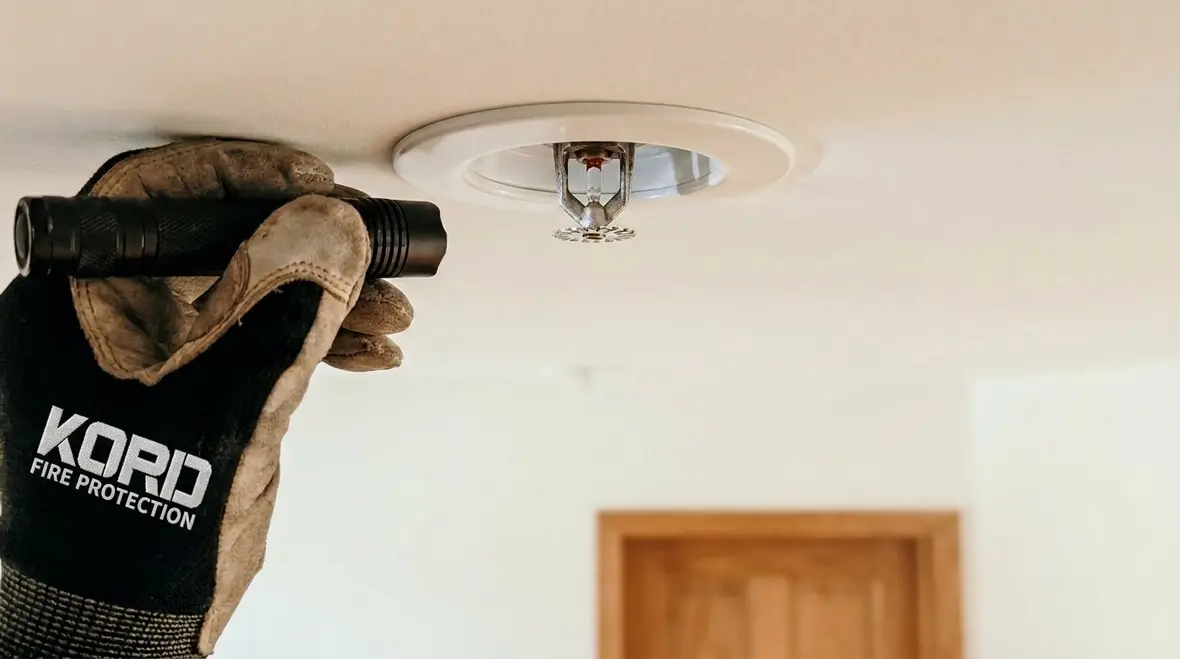
NFPA 13D Section 12.1: Overview of Inspection Testing and Maintenance for Home Sprinklers
Quick Answer: NFPA 13D Section 12.1 establishes what homeowners and property managers must inspect, test, and maintain to keep residential sprinkler systems reliable. It focuses on verification of system condition, correct water supply performance, unobstructed sprinklers, and timely functional testing to detect hidden failures.
If you’re reviewing system upkeep alongside broader sprinkler service needs, fire sprinkler service and repair support can help connect inspections, testing, corrections, and ongoing readiness in a way that actually holds up in the real world.
Why NFPA 13D Section 12.1 matters for home sprinkler reliability
NFPA 13D systems protect life and property in one and two-family dwellings, including many smaller residential structures. Even when the design and installation meet the intent of the standard, system reliability depends on ongoing inspection testing and maintenance. The NFPA 13D Section 12.1 overview inspection testing maintenance home sprinkler systems approach ties sprinkler performance to real-world conditions: water supply behavior, valve position integrity, obstruction control, and the readiness of detection and water delivery components.
In practice, inspection programs often fail not because sprinklers will not operate, but because operational readiness degrades over time. Common commercial analogs include missed supervisory control checks, accumulation of paint or drywall overspray on cover plates, unintended valve throttling during trades work, and water hammer events that quietly stress piping or fittings. Residential properties experience the same root issues, often driven by ongoing alterations and occupant-led changes.
What Section 12.1 requires: inspection, testing, and maintenance outcomes
NFPA 13D Section 12.1 is structured around three outcomes: confirm the system stays in service, verify periodic performance using practical functional checks, and maintain components so they remain capable of delivering water when needed. While frequencies and exact methods depend on system configuration and local adoption, the core logic remains consistent across NFPA 13D installations.
1) Inspection: confirm visible readiness and operational integrity
Inspection focuses on identifying conditions that prevent proper sprinkler operation or proper water delivery. Inspectors typically verify:
- Sprinklers remain unobstructed and free of physical damage, paint, or debris
- Escutcheon plates and deflectors remain properly positioned
- Control valves are in the fully open and accessible position
- Water supply conditions support the required system pressure and flow capability
- Dry or specialized configurations have components in the expected condition when applicable
Residential settings add a specific risk profile: homeowners often modify spaces and finish ceilings and walls. Overspray, stored items placed near sprinkler heads, or temporary coverings installed during renovations can create a functional failure mode that appears minor until it becomes critical.
2) Testing: verify performance through controlled functional checks
Testing in Section 12.1 style programs aims to confirm that the system will discharge water effectively when actuated and that system components respond as designed. Depending on the system arrangement and authority having jurisdiction, testing can include functional checks of valves and waterflow pathways and periodic verification steps that validate system response without creating undue disruption.
For commercial and industrial facilities, testing expectations often expand beyond the minimum. Facility standards may require more frequent checks, documentation retention, and coordination with building operations. Those same discipline practices translate well to residential ownership when systems are managed by third-party maintainers.
3) Maintenance: correct deficiencies and restore system readiness
Maintenance closes the gap between inspection observations and operational performance. Maintenance actions typically include replacing damaged sprinklers, cleaning obstructions, restoring valve positions, repairing leaks, and addressing water supply issues such as pressure irregularities. The goal is not to “pass” a checklist, but to restore the system to a known reliable state.
Inspection testing maintenance in the real world: common failure points
Section 12.1 compliance succeeds when inspection personnel focus on what fails under service conditions. The most frequent hidden failure points include:
Obstructions and sprinkler damage
Even when sprinklers look intact, their discharge pattern can be affected by physical damage, repeated reinstallation attempts, or noncompliant ceiling penetrations. Maintenance must include verifying proper spacing to soffits, architectural trim, and stored materials, especially in garages, basements, and utility closets.
Valve tampering, mispositioning, or inadvertent closure
Control valves can be moved during renovations, tenant improvements, and equipment access. A closed valve can convert the system from active protection to inert pipework. Inspection programs should include a clear valve accessibility requirement and verification that the valve supervisory state matches the system’s intended ready condition.
Water supply variability and performance drift
Water supply behavior can change over time. Pressure reduction devices, hydrant maintenance, municipal network work, or building plumbing modifications can shift flow and pressure characteristics. Testing must reflect not only component functionality, but also whether the water supply still supports system demand at the time of testing.
For more context on why water delivery performance matters once a system is called to operate, this fire pump performance article is a useful companion read.
Corrosion, leaks, and hidden impairment
Leakage can reduce available pressure and compromise readiness. Corrosion in unseen areas can thin components, especially where environmental exposure exists. Maintenance programs should track recurring dampness, loose fittings, and any evidence of weeping at joints, because repair delays can allow performance degradation to progress.
Noncompliant modifications during renovations
Trades work creates installation mismatch risk. Examples include relocation of drops, adding ceiling finishes without sprinkler cover plate compliance, and installation of new recessed lighting directly affecting sprinkler discharge. A strong inspection program includes review of alteration permits and post-renovation sprinkler protection verification.
How commercial facility standards influence residential maintenance discipline
Many owners manage residential properties alongside commercial, industrial, or retail assets. Commercial facility standards emphasize process control: documentation, scheduling, competency of technicians, and auditability. That discipline fits residential risk management and typically improves audit outcomes with authorities having jurisdiction.
Commercial-style practices that support effective NFPA 13D Section 12.1 overview inspection testing maintenance home sprinkler systems programs include:
- Using standardized inspection checklists with photo documentation where permitted
- Maintaining a deficiency register with targeted remediation and verification follow-up
- Verifying water supply readiness using consistent test conditions
- Coordinating inspection timing with occupancy patterns and renovation cycles
- Tracking sprinkler replacement history and valve operational status over time
When a property is part of a broader managed portfolio, the ability to demonstrate consistent maintenance becomes a practical advantage in inspections and renewals.
Practical next steps: build a compliant maintenance program
A compliant program should connect three elements: verified inspection frequency, appropriate functional testing methods for the specific system type, and documented maintenance actions. Property owners and managers typically improve compliance by aligning scheduling with seasons, tenant turnover, and renovation cycles.
Develop a system-specific checklist
A checklist should match the installed configuration and include access points, valve locations, and areas where obstructions most often occur. Teams should also note any dry or special operating modes if they exist on the property.
Confirm documentation and traceability
Keep inspection and test records tied to the property address and system identity. Document valve positions, test results, and corrective actions, including verification that repaired components restored system readiness.
Use experienced fire protection service partners
For ongoing compliance, testing, and maintenance, Kord Fire Protection supports property owners with inspection planning, deficiency remediation, and verification workflows. That matters because residential systems often experience change after installation, and only competent technicians can quickly distinguish cosmetic issues from functional impairment.
To strengthen installation and system understanding that directly affects inspection readiness, review additional installation context here: NFPA 13 overview automatic fire sprinkler system installation. While NFPA 13D applies to residential settings, installation principles, water delivery reliability, and operational readiness concepts carry across sprinkler standards and reduce maintenance surprises.
Frequently Asked Questions
Call to action
If the home sprinkler system is installed, but maintenance records are unclear or overdue, Kord Fire Protection can help bring the system back to a known reliable state. Contact Kord Fire Protection to schedule an inspection, review valve and sprinkler readiness, identify deficiencies, and complete corrective maintenance with documented verification. Acting early reduces rework costs and protects the performance your NFPA 13D design intends to deliver.

Join Our Newsletter!
Get the latest fire safety tips delivered straight to your inbox From our Newsletter.



