
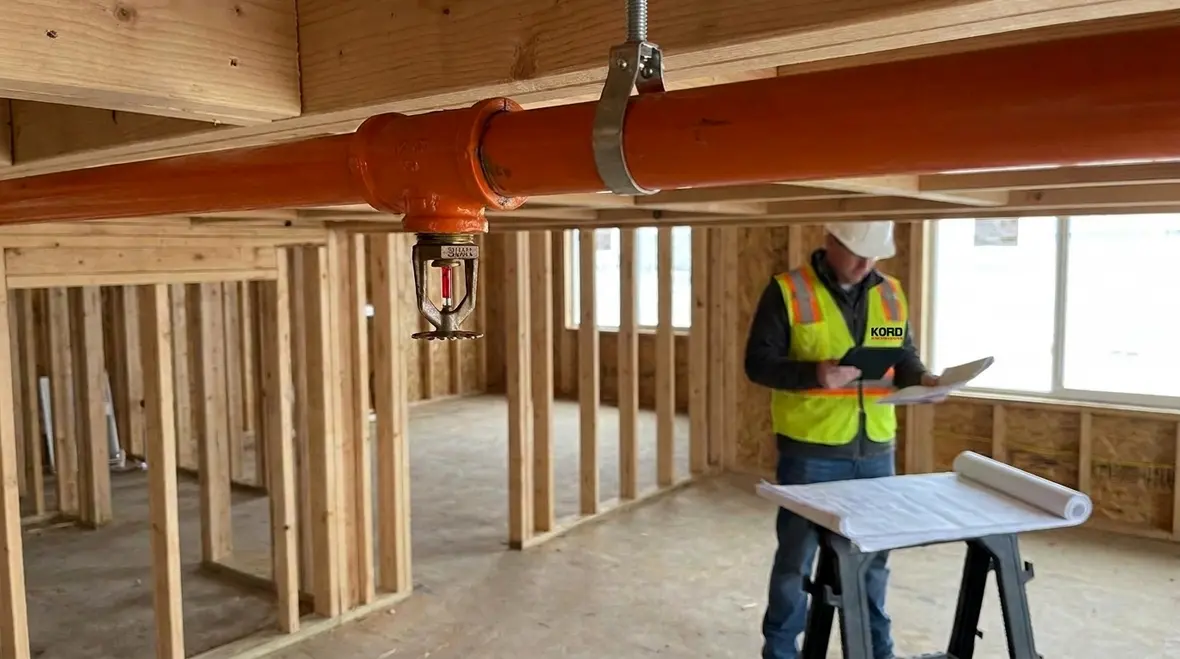
NFPA 13D Annex A: Explanatory Notes That Clarify Residential Sprinkler Code Intent
Quick Answer: NFPA 13D Annex A provides explanatory material that clarifies intent behind residential sprinkler requirements. It helps designers, installers, and inspectors understand how the system should perform, why specific limitations exist, and what compliance outcomes matter during acceptance, testing, and ongoing maintenance.
Why Annex A Matters When NFPA 13D Is Read as “Code,” Not “Law”
NFPA 13D focuses on residential and light hazard occupancies, but the biggest compliance risks often come from misinterpreting the “why” behind the wording. NFPA 13D Annex A explanatory material residential sprinkler code intent clarification supports a consistent interpretation of performance goals, installation practices, and practical tradeoffs that the main text cannot fully explain.
In day to day commercial and industrial facility environments, the same discipline applies even when the occupancy is not strictly “13D.” Facility teams still manage water supply assumptions, obstruction rules, inspection access, and system reliability requirements. Annex A becomes a useful reference model for how to document intent, resolve plan review comments, and avoid field decisions that pass inspection today but fail long term.
For teams that want a practical service angle near the top, fire sprinkler system service naturally fits this conversation because long term reliability depends on more than reading code language. It depends on keeping the installed system compliant, accessible, and ready when it matters most.
What Annex A Is Doing: Translating Requirements into Performance Intent
The annex is not a checklist and it is not a replacement for the main text. It functions as interpretive guidance that helps the user understand how requirements should be applied to achieve the intended fire control and protection outcomes.
1) Annex A explains the “purpose behind the constraint”
Many 13D requirements exist to protect system effectiveness under real conditions. Annex A explanatory material residential sprinkler code intent clarification often references the underlying performance reasoning, such as why certain spacing, coverage assumptions, and layout rules exist. When a plan reviewer asks for clarification, the annex can help articulate what outcome the layout is designed to achieve.
2) Annex A clarifies design assumptions that impact field acceptance
Sprinkler systems fail most often from incorrect assumptions: pipe routing that changes effective coverage, pressure losses ignored during layout verification, and inaccessible components. Annex A’s explanatory approach supports documentation and cross checking before installation is complete.
3) Annex A supports consistent interpretation during inspection and service
Fire protection is an operational asset. Annex A supports the idea that systems require ongoing inspection, testing, and maintenance. That matters for commercial facility standards as well, where deferred service can turn a code compliant design into an unreliable one due to corrosion, altered occupancies, or obstructed spray patterns.
Common Compliance Challenges Annex A Helps Resolve
Residential standards still intersect with commercial practices: procurement accuracy, competent installation, and reliable water delivery. These are recurring pain points that Annex A intent guidance can help address.
Obstructions and spray pattern integrity
A frequent field issue involves ceilings, soffits, bulk storage, and concealed spaces that later become obstructed. The design may have been correct at plan review, but the installed condition changes. Annex A explanatory material residential sprinkler code intent clarification supports understanding why obstruction control is not optional. For commercial and retail spaces, tenant fit outs and seasonal merchandising create rapid change. Kord Fire Protection typically recommends a documented obstruction management process that includes reassessment at renovation milestones.
Water supply and the practical meaning of “available”
System design intent depends on water supply performance: pressure, flow, and reliability. Field teams sometimes interpret supply adequacy based on paper calculations alone. Annex A helps emphasize the practical goal: the system must perform as intended under fire conditions. Commercial, industrial, and retail facilities often have multiple influences, including hydrant arrangement, supply network changes, booster pump behavior, and control valve condition. Maintenance records and retest schedules become essential.
Control valve positions, access, and readiness
Even when the system is installed correctly, operational readiness can fail through poor access, incorrect valve labeling, or valves that are left in an unintended condition after maintenance. Annex A’s explanatory approach helps teams keep the system in a state that matches the design intent.
Documentation quality that supports acceptance and future service
Inspection and service outcomes depend on what the system team can verify quickly: as builts, hydraulic calculations, and component schedules. The annex conceptually supports record clarity so future technicians do not rely on assumptions. Kord Fire Protection focuses on maintaining system documentation that supports testing efficiency and reduces costly rework.
Operational Procedures and Maintenance: Turning Intent into Reliability
Annex A clarifies intent, but reliability comes from disciplined operations. The following practices align with the underlying intent that Annex A tries to communicate.
1) Pre acceptance verification before system handover
Commercial facility teams often schedule verification walks that include route confirmation, identification of control valves, and review of sprinkler type selection and temperature classification. This reduces mismatches discovered during acceptance testing.
2) Inspection, testing, and maintenance that matches the occupancy reality
In commercial and retail environments, occupancy changes can affect system effectiveness. Changes include storage height, ceiling modifications, added ductwork, and transient obstructions. A service partner should verify that installed conditions remain consistent with the original intent over time.
3) Addressing common failure points
- Corrosion and mineral buildup that reduce effective flow
- Leaking or stuck control assemblies that compromise readiness
- Sprinkler damage from construction activity or handling
- Improper pipe support that affects alignment and coverage
- Inadequate documentation leading to incorrect future service actions
For a broader installation framework and system lifecycle perspective, facility teams commonly reference Kord Fire Protection’s overview guidance here: NFPA 13 overview and automatic fire sprinkler system installation. While that article focuses on NFPA 13, the operational discipline it promotes translates well to residential and light hazard systems managed under a consistent service program.
How Commercial and Industrial Teams Can Use This Approach Without Overstepping Scope
NFPA 13D applies to specific occupancies, but Annex A’s explanatory method still improves compliance decision making. Commercial facility teams should apply the same intent based thinking to their own standards, inspection programs, and maintenance governance.
Plan review and contractor coordination
When designers and installers align on intent, the project team reduces change orders and rework. This reduces downtime and improves schedule certainty, which matters in operational retail and industrial sites where shutdowns are expensive.
Service strategy aligned to risk
Companies that handle ongoing testing should adopt a service strategy that reflects occupancy risk and the likelihood of modifications. For additional background on fire pump considerations that can affect sprinkler performance in certain commercial configurations, teams often consult diesel pump requirements for sprinklers.
Frequently Asked Questions
Conclusion and Call to Action
NFPA 13D Annex A explanatory material residential sprinkler code intent clarification strengthens interpretation, acceptance consistency, and long term system reliability. Kord Fire Protection supports commercial, industrial, and retail facility teams with maintenance governance, operational readiness verification, and documentation discipline that keeps installed conditions aligned with performance intent. If your facility is undergoing renovation, tenant change, or system maintenance cycles, schedule a compliance and service review with Kord Fire Protection to reduce risk, avoid rework, and protect readiness.

Join Our Newsletter!
Get the latest fire safety tips delivered straight to your inbox From our Newsletter.



