NFPA 10 Section 4.1: Why UL Listing and Labeling Matter for Fire Extinguishers
Quick Answer: NFPA 10 Section 4.1 requires fire extinguishers to be listed and labeled by a recognized testing body such as UL. This matters because it proves the unit meets safety and performance standards. For industrial, retail, commercial, and facility settings, proper labeling supports compliance, faster inspections, and safer fire readiness.
That requirement sounds simple on paper, but it carries real weight in the field. A listed and labeled extinguisher is easier to verify, easier to service, and easier to trust when a problem goes from small to serious in a hurry. Near the top of any compliance conversation, it also helps to work with a provider that handles full fire protection services so the extinguisher program does not drift away from the rest of the building’s life safety systems.
Why labeling fire extinguishers matters from day one
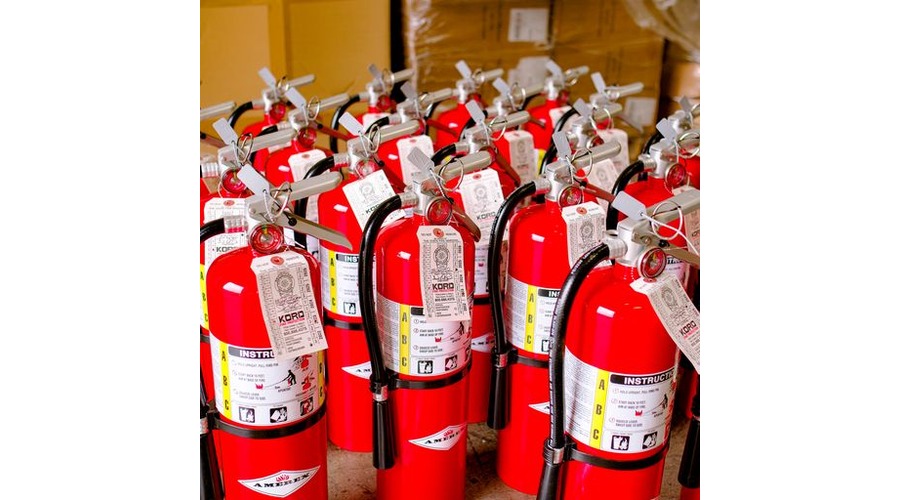
Labeling Fire Extinguishers is not just a tidy finish on a metal cylinder. It is the first proof that the unit belongs in the building, can do its job, and meets the right standard. In busy commercial spaces, that little label helps managers, safety officers, and inspectors know the extinguisher is not just present, but properly approved.
NFPA 10 Section 4.1 sets the tone early. It says fire extinguishers must be listed and labeled by an approved testing lab. In plain speech, that means the extinguisher has been tested for real world performance, not just dressed up to look ready. It is a bit like a stunt double showing up in a superhero suit. The costume may look right, but the job only gets done when the real thing appears.
What NFPA 10 Section 4.1 actually requires
Section 4.1 places a simple but serious rule at the front of fire extinguisher compliance. The extinguisher must carry a listing and label from a recognized authority, such as UL or an equal approved body. This tells the buyer and the inspector that the unit passed testing for safety, reliability, and proper use.
That small label also supports larger decisions behind the scenes. Purchasing teams use it when comparing equipment. Technicians use it during maintenance and replacement planning. Inspectors use it to confirm the unit was evaluated as intended rather than selected because it looked close enough. In fire protection, “close enough” is rarely the phrase that makes anyone relax.
For organizations building a stronger extinguisher program, related guidance like NFPA 10 portable fire extinguishers guidelines helps connect listing and labeling requirements with placement, maintenance, and long term service expectations.
Why this requirement shows up so early in the standard
Standards usually start with fundamentals for a reason. If the extinguisher itself is not properly listed and labeled, every inspection, tag, and service note that follows becomes much less useful. You can have a perfect maintenance log, but if the unit was never approved correctly in the first place, that paperwork starts looking a little too confident for the situation.

How UL listing supports fire safety in busy facilities
UL listing matters because it shows the extinguisher was tested as a complete unit. That includes the tank, the pressure system, the valve, and the agent inside. Therefore, the label does more than decorate the shell. It confirms the extinguisher can handle the pressure, the heat, and the conditions it may face in a real fire event.
In warehouses, retail stores, workshops, and plant rooms, that level of trust matters. Staff need a unit that works fast. Inspectors need clear proof of compliance. Management needs fewer headaches. Meanwhile, the label helps maintenance teams identify the right model, service needs, and extinguisher class without playing detective on a Monday morning.
| Listed and labeled extinguisher | Unlisted or unclear extinguisher |
| Shows recognized testing and approval | Creates doubt during inspection |
| Supports service and compliance checks | Can slow audits and raise risk |
| Helps confirm correct use and class | May cause confusion in emergencies |
| Fits stronger safety and insurance expectations | Can lead to costly replacements |
The label helps the right extinguisher end up in the right place
A clearly marked extinguisher reduces avoidable mistakes. Teams can confirm whether the unit is appropriate for electrical hazards, flammable liquids, ordinary combustibles, or mixed risk zones. That means less second guessing during placement reviews and less chance that someone discovers a mismatch only after the inspection starts asking awkward questions.
Why labeling fire extinguishers helps inspections move faster
Clear labeling cuts down delay. When a technician or auditor arrives, the label gives key details at a glance. It identifies the extinguisher type, rating, agent, and approval status. Consequently, the inspection process becomes cleaner and faster, with less guesswork and fewer site interruptions.
This also helps across larger facilities with many extinguisher types. A retail centre may use dry chemical units in service areas, CO2 units near electrical equipment, and foam units in other risk zones. If each unit is clearly labeled, the team can confirm placement faster and correct mistakes before they grow teeth. That is the kind of boring excellence that saves the day.
Just as important, labeling supports documentation. Service records are easier to match to the right cylinder. Replacement planning becomes more precise. Internal reviews become less of a treasure hunt. The more organized the extinguisher program is, the less likely a site is to burn time solving problems that should have been obvious from the front of the unit.
How Kord Fire Protection can support compliance and service
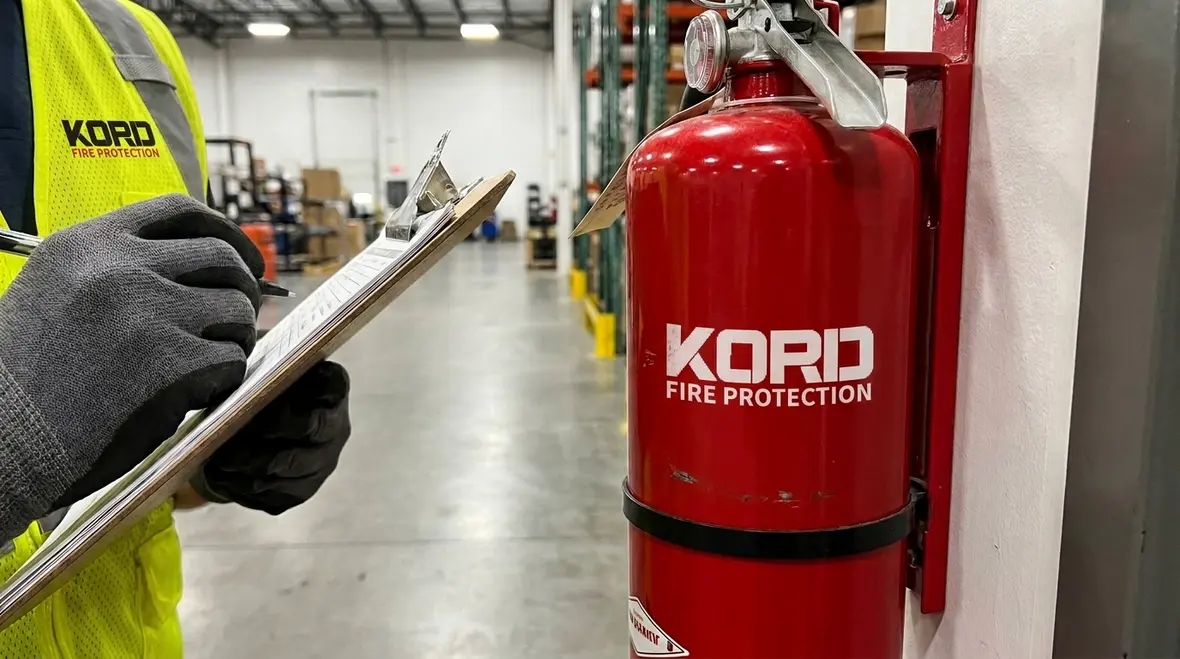
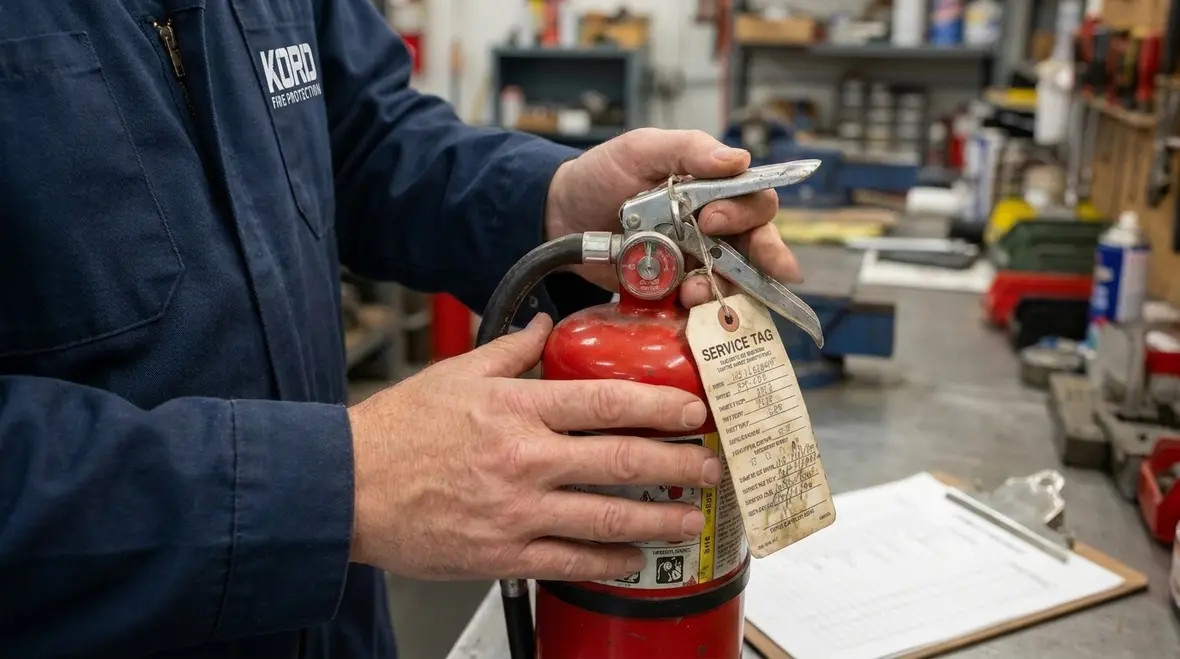
Kord Fire Protection can become a vital partner for businesses that want reliable extinguisher support, careful labeling, and strong compliance across their sites. The company can help keep units inspected, marked, and ready for service so teams do not scramble at the last minute when an audit shows up with its clipboard and serious face.
More importantly, a partner like Kord Fire Protection can help facilities manage the full life cycle of extinguishers. That includes supply, placement, labeling, routine checks, and ongoing service. As a result, businesses can focus on operations while still meeting safety needs. For industrial sites and commercial properties, that kind of support is not a luxury. It is good risk control.
Businesses that want more context on long term upkeep can also explore related Kord Fire resources such as the six year fire extinguisher maintenance guide and professional extinguisher servicing and liability. Those topics fit naturally with labeling because the information on the extinguisher affects maintenance, tracking, and accountability from start to finish.
What facility teams should check on every extinguisher
Facility teams should make a habit of checking a few basic points. First, they should confirm the label is present and easy to read. Next, they should verify the extinguisher type matches the risk area. Then, they should confirm service tags, pressure readings, and placement all remain correct. Finally, they should make sure no unit has damage, corrosion, or missing parts.
- Label is present, legible, and not damaged
- Extinguisher type matches the nearby hazard
- Pressure gauge is in the proper range where applicable
- Service tag is current and easy to review
- Pin, tamper seal, hose, and nozzle are intact
- Unit is visible, accessible, and mounted correctly
These checks help reduce failure during an actual fire event. They also keep the site ready for audits and insurer review. In other words, a little attention now can prevent a much bigger mess later. Fire safety rarely rewards the “we will do it next month” plan.
Why this matters for industrial and commercial sites
Industrial, retail, and commercial sites face mixed fire risks. Electrical faults, packaging waste, hot work, fuel storage, and busy foot traffic can all raise the stakes. Therefore, proper labeling and approved extinguisher listing matter more than ever. They help teams choose the right unit, maintain it well, and prove it meets a recognized standard.
When the fire protection program stays organized, the whole site benefits. Staff gain confidence. Audits run smoother. Equipment stays traceable. And safety leaders get one less issue to chase after lunch. It is not the flashiest part of a life safety plan, but it is one of the most useful.
FAQ
Keep fire protection ready before the next audit
Businesses that treat extinguisher labeling as a serious safety step stay ahead of trouble. A listed and properly labeled unit is easier to trust, easier to inspect, and easier to manage over time. That means fewer surprises during audits and fewer weak links in the fire protection plan.
Kord Fire Protection can help keep that process clear, practical, and dependable. For sites that want compliant fire extinguisher support without the drama, now is the time to act and keep every unit ready for the real test.

Join Our Newsletter!
Get the latest fire safety tips delivered straight to your inbox From our Newsletter.