Fire Protection Infrastructure Upgrades for Commercial Buildings
Quick Answer
Modernizing aging fire protection infrastructure in commercial buildings keeps people safe, reduces costly shutdowns, and brings systems in line with today’s codes. It also protects insurance, downtime budgets, and long term compliance. A trusted partner like Kord Fire Protection can coordinate upgrades, testing, and documentation so the work stays smooth.
If your building is due for broader system support, Kord Fire Protection’s full fire protection services can help connect alarms, sprinklers, inspections, and compliance planning into one coordinated approach.
Commercial buildings in Australia do not fail all at once. Instead, they fade into “good enough” maintenance cycles, until inspectors, insurers, and operations teams all start asking the same question. How did we end up with fire protection infrastructure that looks fine on paper but behaves differently in real life?
When facilities move from patchwork repairs to fire protection infrastructure upgrades, they gain more than compliance. They improve reliability, reduce nuisance events, and strengthen response times. And crucially, they get a partner that can plan the job, manage disruption, and support the ongoing inspections and testing that make systems actually work when it matters. That is where Kord Fire Protection steps in, turning a complex modernization program into a controlled, business minded project.
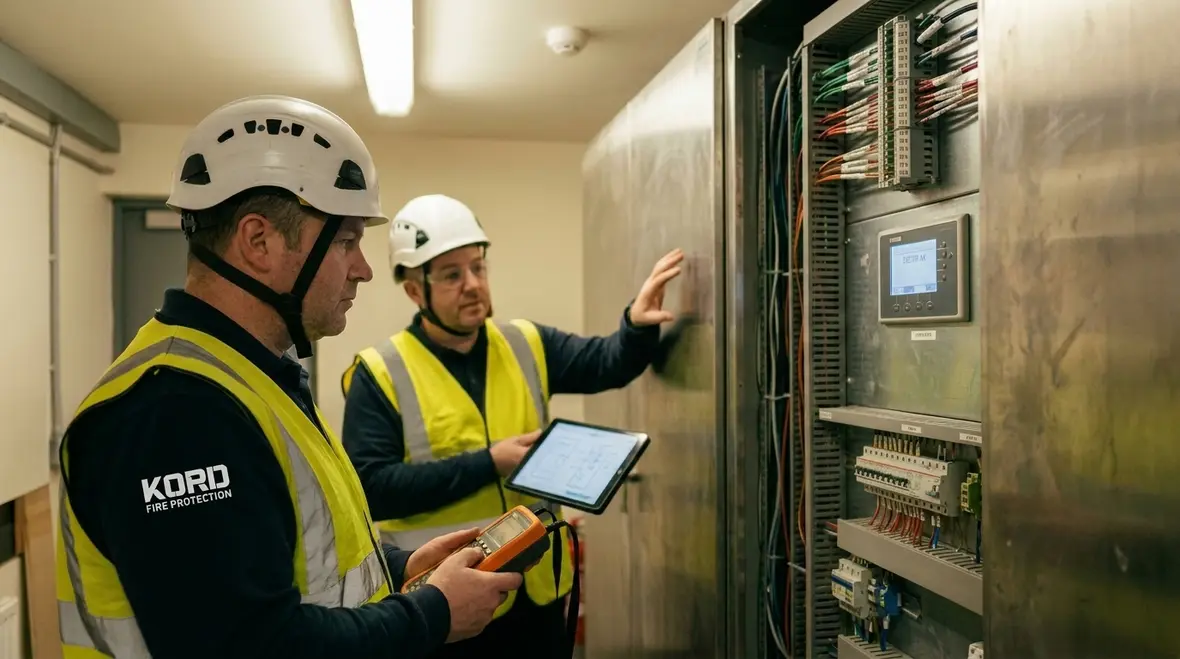
Why aging systems quietly raise risk
Older commercial fire systems often share the same story. They were installed for a different tenant mix, a different occupancy pattern, and sometimes even a different set of design assumptions. Over time, renovations add services and walls, racks move, and storage changes. As a result, detection and coverage can drift away from what the system was meant to protect.
Additionally, components age in ways that people do not notice during routine checks. Sensors become less responsive, panels get harder to service, and wiring insulation can degrade with heat cycles and environmental exposure. Then operations ends up doing what every busy site does: they keep the system running, but they stop short of fixing the root problem. Think of it like keeping an old car alive with snacks and hope. It might start today, but tomorrow becomes a surprise.
Why “still working” is not the same as “still reliable”
That gap matters more than most teams realize. A panel that still powers up may still be difficult to troubleshoot. A detector that still reports may still respond poorly in the environment it now lives in. And a system that passed years ago may no longer match the building’s current layout. Quiet deterioration is the annoying magician of fire safety. It hides the problem right up until everyone wishes it had been much less talented.
Common upgrade paths for commercial buildings
Modernization does not always mean ripping everything out. Instead, good planning pairs system replacement with targeted improvements, so the building stays open and the budget stays controlled. Typical upgrade paths include fire detection modernization, panel and wiring refurbishment, and system upgrades that improve event handling.
Here is how teams usually approach it, step by step, before anyone orders a truck of equipment that will sit in a loading dock gathering dust.
- Life safety audit: Review drawings, install records, and test history to spot weak links in coverage and reliability.
- Inspection and testing: Verify device types, spacing, sensitivity, and interface behavior with alarms and other systems.
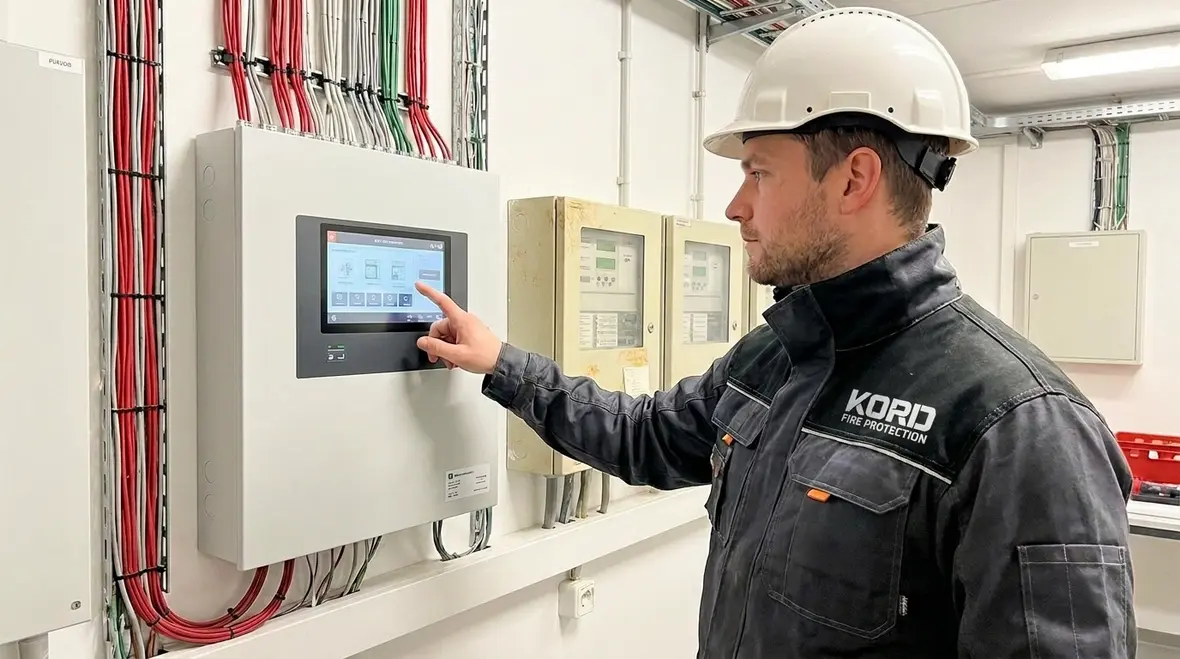
- Panel and loop upgrades: Replace obsolete control panels and modernize wiring where it no longer meets performance needs.
- Device replacement: Swap aging detectors, call points, and interfaces with current equivalents that match the design intent.
- System integration: Improve how alarms, smoke control interfaces, and emergency processes work together.
Then, as facilities restructure, they can revalidate coverage and adjust zones without turning every alarm into a theatre production. Kord Fire Protection helps coordinate these paths across industrial, retail, and facility environments across Australia, so upgrades align with real operational constraints.
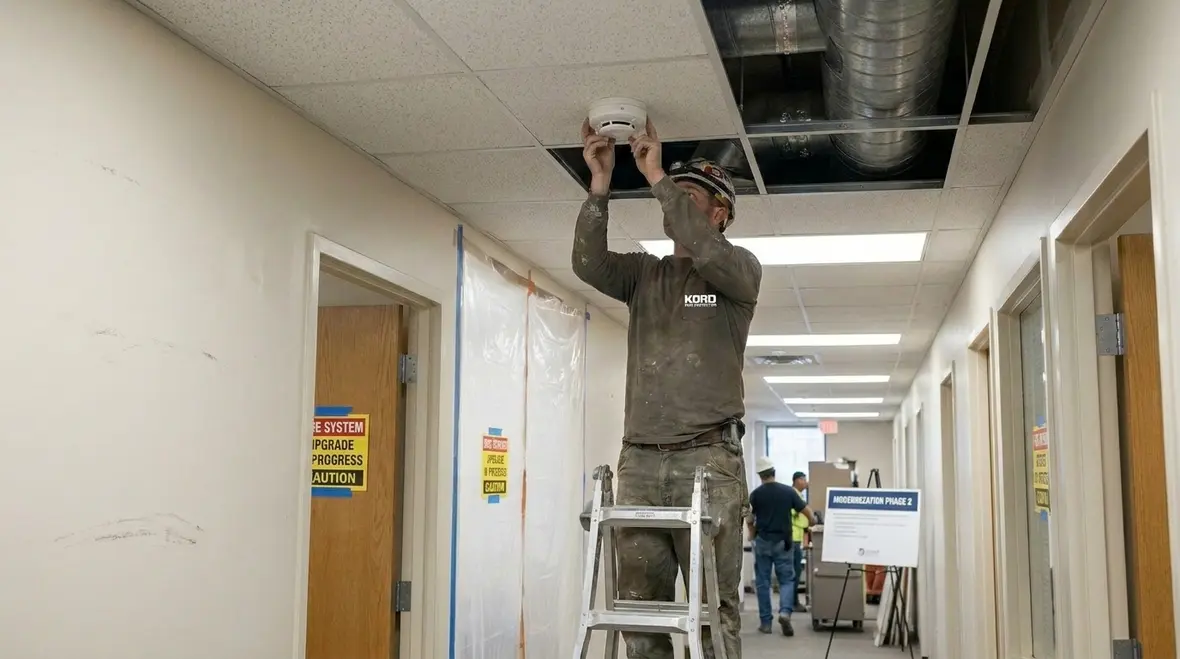
Targeted upgrades beat random replacements
The smartest projects do not chase shiny equipment for its own sake. They focus on what is obsolete, unsupported, poorly documented, or no longer appropriate for the space. That approach usually avoids overspending and gives facility teams a clearer path for future changes. In other words, you are not buying gadgets. You are buying fewer headaches with better paperwork.
How compliance and inspection pressure shape modernization
Fire protection infrastructure upgrades often accelerate once inspection findings land on a desk. However, smart teams treat compliance as a roadmap, not a punishment. They use it to set priorities that reduce risk while protecting operations.
When inspectors review documentation, device listings, and test results, they look for consistency. Older buildings may struggle with missing records, outdated as built plans, or mismatched device types. Therefore, modernization should include record updates and verification that the system matches the current configuration of the building.
At the same time, facilities want fewer disruptions. Upgrades can be staged, sections can be isolated safely, and temporary controls can be arranged so the site does not lose protected capability longer than necessary. In other words, the goal is compliance that does not derail the day to day business.
This is also where services like commercial and residential fire alarm installation fit naturally into a modernization plan. When a building needs new equipment, not just another repair, installation expertise and proper system matching become part of the bigger compliance picture.
Tech upgrades that improve reliability, not just “new gear”
Upgrades should do more than look modern. They must improve response quality, reduce maintenance calls, and strengthen event clarity. For example, newer detection technologies can better manage dust and building conditions, while upgraded panels can improve signaling logic and interface behavior. That means when an event occurs, the building can respond faster and with less confusion.
Also, modernization should address nuisance alarms. When systems false alarm too often, staff start treating alerts like background noise. Then real events become harder to manage. So, teams should tune sensitivity, verify placement, and ensure correct device selection for each environment.
Furthermore, integrated workflows matter. Industrial sites, retail centres, and commercial office buildings often use different processes for evacuations and overrides. A modernized system should support those workflows through clearer zoning, improved annunciation, and dependable interfaces. That is a practical gain, and it reduces the “we will figure it out later” approach that every business manager secretly fears.
Modern systems should make emergencies less confusing
In a real incident, clarity is not a luxury. Staff need to know what happened, where it happened, and what the next step is. Better annunciation, cleaner zoning, and dependable interfaces help people act faster instead of standing around doing the corporate version of blinking at each other.
Why Kord Fire Protection becomes a vital partner
Many upgrade projects fail because they treat fire safety like a single trade task. In reality, modernization requires planning, coordination, testing, and ongoing support. Kord Fire Protection can act as a vital partner by bringing structure to the whole process.
For facilities across Australia, that often means aligning upgrade schedules with tenancy changes, shutdown windows, and operational risk. It also means coordinating documentation so that as built data, test records, and device schedules remain accurate after the work completes. When a site later needs maintenance or future modifications, those records prevent the “hunt the drawing” headache.
Additionally, Kord Fire Protection helps teams think beyond the install day. They support verification and testing so that fire protection infrastructure upgrades perform as designed, not as hoped. Then, ongoing compliance becomes easier because the system starts from a stable baseline.
In short, Kord does not just show up with materials. It helps manage the modernization journey from planning to validation, which is exactly what multi site industrial and commercial environments need.
Planning a modernization project across industrial and retail sites
Commercial buildings rarely operate on a neat calendar. Industrial sites run continuous schedules, retail centres rely on customer traffic, and facilities must keep services running during upgrades. Therefore, modernization needs a plan that respects reality.
A strong project plan includes the following moving parts, and it keeps teams from improvising under stress.
- Site walk and risk mapping: Identify high impact zones, critical production areas, and sensitive operating rooms.
- Staged works: Upgrade in phases so the building retains protection while parts are isolated safely.
- Temporary arrangements: Use controlled measures during works to maintain life safety coverage.
- Tenant and operations coordination: Align timing with operational peaks, deliveries, and maintenance shutdowns.
- Verification and handover: Conduct testing, update documentation, and train key site contacts.
Then comes the part everyone underestimates: communication. When teams communicate clearly with facility managers, security, and staff, the modernization feels less disruptive. In that sense, a good modernization plan does not just upgrade equipment. It improves how the site responds to events.
What to ask before approving upgrades
Facilities should evaluate upgrade proposals like they evaluate any critical system: by checking outcomes, not buzzwords. They should ask how the work will reduce risk, how it will avoid long shutdowns, and how the provider will validate performance.
Useful questions include how the plan addresses coverage changes, what documentation will be updated, and how testing will be handled after commissioning. It also helps to ask how future modifications will be managed so the building does not fall back into patchwork maintenance.
When the answers show a methodical approach and clear responsibility, modernization becomes simpler to approve. Kord Fire Protection supports this approach with project clarity and a focus on long term system performance across facilities.
FAQ
Conclusion
Modernizing aging commercial fire protection is one of those jobs that feels manageable right up until it isn’t. With thoughtful planning, staged upgrades, and proper testing, facilities can improve reliability and stay compliant without constant disruption.
Kord Fire Protection can become the partner that coordinates the details and supports performance after handover. Contact Kord Fire Protection today to map an upgrade plan that fits your site and your schedule.

Join Our Newsletter!
Get the latest fire safety tips delivered straight to your inbox From our Newsletter.