NFPA 1 Section 10.22 ABHR Dispenser Fire Safety Guide
Quick Answer
NFPA 1 Section 10.22 sets clear fire safety rules for alcohol based hand rub dispensers in commercial and industrial spaces. It helps teams reduce ignition risk, control placement, and manage dispenser size and spacing. For facilities trying to keep day to day safety practical, these requirements fit naturally alongside broader full fire protection services that support inspections, layout reviews, and cleaner compliance planning.
NFPA 1 Section 10.22 matters because alcohol based hand rub dispensers can add hidden fire risk in busy workplaces. In factories, retail centres, hospitals, warehouses, and office towers, the wrong setup can turn a simple hygiene tool into a problem. That is where hand sanitizer dispenser fire code guidance, ABHR dispenser fire safety, and alcohol dispenser fire protection come into play. They help facilities keep people safe while still meeting cleaning needs. And when the rules get messy, Kord Fire Protection can step in as a vital partner and make the job far less painful. Fire safety should not feel like a plot twist in a workplace drama.

What NFPA 1 Section 10.22 Covers
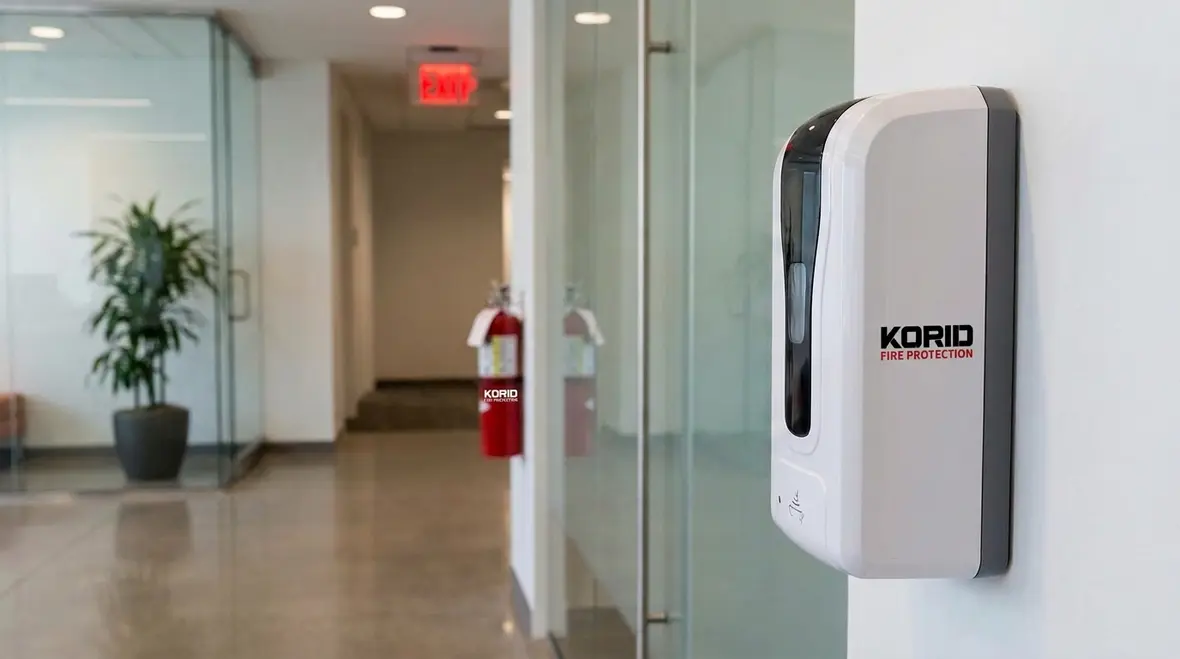
NFPA 1 Section 10.22 focuses on how alcohol based hand rub dispensers must be installed and used so they do not raise fire risk. The main issue is the alcohol content. Because the product can ignite under the right conditions, the code limits where dispensers go, how much product they hold, and how they sit near exits, corridors, and ignition sources.
In practical terms, the rule helps facilities avoid placing dispensers where vapour, sparks, heat, or crowd flow can create trouble. It also pushes owners to think about the dispenser as fire related equipment, not just a hygiene item that lives near the tea room and quietly minds its own business.
This section is especially useful because it turns a vague concern into specific design and maintenance thinking. Instead of asking whether a dispenser seems fine, site teams are encouraged to ask better questions. Is it too close to an ignition source. Does it narrow movement through a doorway. Could leakage collect where it should not. Would emergency traffic make the location unsafe during a stressful moment. Those are the kinds of practical questions that prevent tiny hardware choices from becoming very expensive stories later.
The practical idea behind the rule
The code is not trying to make hygiene harder. It is trying to make hygiene safer. Alcohol based hand rub products are useful, common, and easy to overlook because they feel harmless in small doses. But when many units are installed across a site, especially in high traffic areas, the cumulative fire load and placement risk matter. That is why the section looks at both the dispenser itself and the conditions around it.
Why This Code Matters for Modern Facilities
Even when a facility is already managing broader code obligations, ABHR dispenser fire safety can slip through the cracks because the devices are small, familiar, and often installed quickly. That is exactly why this code matters. It covers a simple item that can be treated too casually in environments that otherwise take risk seriously.
The value of NFPA guidance also grows on sites juggling multiple hazards. A dispenser near a charging station, workshop bench, electrical room path, or crowded lobby may create very different concerns depending on use patterns. By applying one consistent rule set, facility managers can avoid the chaos of ad hoc decisions made by different departments, contractors, or tenants who all think their wall is the perfect wall.
- Shopping centres with heavy foot traffic
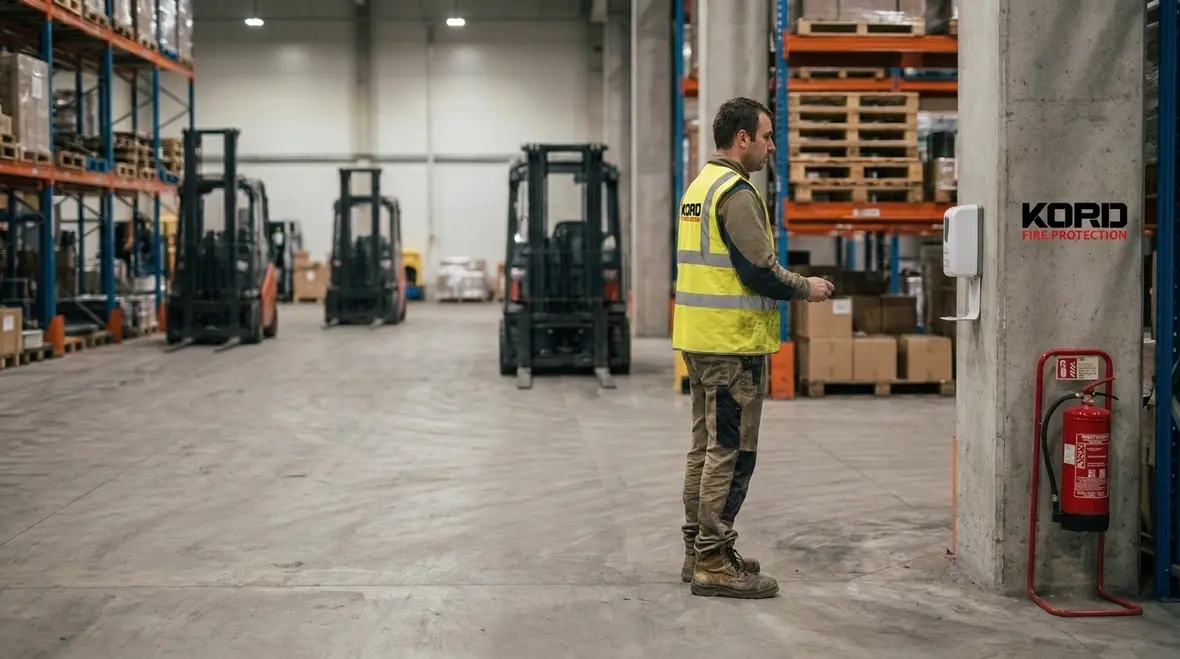
- Warehouses with forklifts, chargers, and hot work areas
- Healthcare sites with strict hygiene demands
- Manufacturing plants with solvent use and ignition hazards
- Office buildings with many shared access points
Where Dispensers Can Create Risk
The danger does not usually come from one dispenser alone. It comes from placement, volume, and the surrounding environment. For example, a dispenser near a heat source can raise risk. Likewise, a unit placed where people crowd a doorway can block escape flow if an incident starts. In addition, poor maintenance can cause leaks or damage that increases the chance of fire exposure.
Here is the short version: alcohol dispenser fire protection works best when the site treats each dispenser as part of the fire load. That means looking at the whole area, not just the bottle on the wall. Fire risk loves bad habits. It also seems to enjoy corner offices.
Common trouble spots that deserve a second look
- Entry and exit pinch points where people bunch up during busy periods
- Walls near powered equipment, chargers, or local heat sources
- Corridors where projections can interfere with movement
- Areas with repeated refilling, drips, or poor housekeeping
- Locations where units can be hit by carts, trolleys, or stock handling equipment
Risk also increases when nobody clearly owns the issue. One team installs the dispenser, another refills it, another handles fire safety, and another manages maintenance tickets. When responsibility is split too many ways, small defects survive far longer than they should. Leaks get ignored, mounting becomes loose, and awkward placement stays awkward simply because everyone is busy pretending it belongs to someone else.
How the Code Guides Safe Placement and Use
NFPA 1 Section 10.22 gives facilities a better way to manage dispenser placement. It supports safe spacing from ignition sources and encourages careful control of dispenser size and fill levels. It also helps teams think about access, visibility, and routine checks.
In daily use, the code supports these actions:
- Keep dispensers away from flames, heat sources, and electrical risks
- Avoid placing units where they can block exits or pinch traffic flow
- Use secure mounting so dispensers do not fall or leak
- Check units often for damage, misuse, or poor refilling
- Train staff so they understand why placement matters
A smarter program also connects dispenser placement to the rest of the building fire strategy. If your team already reviews emergency planning, corridor use, or equipment layout, dispenser checks should sit inside that process rather than floating around as a lonely side task. Kord Fire Protection regularly connects code intent to real building conditions, and teams looking for broader context can also review NFPA 1: A Comprehensive Guide to Fire Prevention and Safety to understand how this section fits into wider prevention thinking.
Dual Column Guide for Site Teams
Operational concern
- High foot traffic at entry points
- Heat and ignition sources nearby
- Frequent refilling and wear
- Mixed compliance demands
Fire safety response
- Place dispensers so they do not slow escape routes or crowd exits
- Increase separation and review the layout with fire safety staff
- Set inspection routines and replace damaged units fast
- Use one clear site standard across all buildings and contractors
How Kord Fire Protection Becomes a Vital Partner
Kord Fire Protection can play a key role in helping sites manage hand sanitizer dispenser fire code expectations with less stress. Their team can assess risk, review dispenser locations, and support fire safety planning across large sites and multiple facilities. That matters because most businesses do not need a lecture. They need a workable solution that fits the building, the workflow, and the audit trail.
With the right support, Kord Fire Protection can help a site align alcohol dispenser fire protection with broader fire safety systems. That may include reviewing site layout, advising on safer installation, and helping managers document control measures. In short, they help turn a vague concern into a clear plan.
That support becomes especially valuable on properties with multiple entrances, changing tenancy, or several buildings managed under one program. In those settings, consistency matters almost as much as the hardware itself. A professional review can help standardise placement rules, document inspection routines, and reduce the chance that one overlooked dispenser becomes the weak link that auditors, insurers, or safety teams notice first.
What a Good Compliance Check Looks Like
A proper compliance check should not be a quick glance and a nod. It should look at where each dispenser sits, what sits near it, who uses it, and how it is maintained. It should also test whether the dispenser supports safe movement during busy periods and emergency exits during an incident.
Good teams also keep records. That way, if an auditor asks why a dispenser sits in a certain place, the answer is ready. No drama. No guesswork. Just facts, which is rare enough in business to deserve a small applause.
Simple checkpoints worth documenting
- Exact location of each dispenser and nearby hazards
- Mounting condition, leakage signs, and refill practices
- Distance from exits, travel paths, and likely congestion points
- Staff awareness of placement rules and reporting expectations
- Review dates, corrective actions, and closeout notes
Once this process is documented, the facility gains more than compliance. It gains repeatability. New staff can follow the same logic, contractors can work from the same expectations, and leadership can see whether corrective actions actually stay corrected. That is a far better outcome than rediscovering the same avoidable issue every quarter like it is a treasured company tradition.
FAQ
Conclusion
Alcohol based hand rub dispensers may seem small, but their fire risk is real. With the right hand sanitizer dispenser fire code approach, sites can protect people, property, and operations. The smartest response is not to remove convenience. It is to place, inspect, and manage dispensers like the fire safety elements they actually are.
Kord Fire Protection can help facilities apply practical ABHR dispenser fire safety with confidence through planning, reviews, and broader system support. For teams that want safer layouts and stronger compliance, now is the time to review the site and act before a simple dispenser earns a starring role it never needed.

Join Our Newsletter!
Get the latest fire safety tips delivered straight to your inbox From our Newsletter.