NFPA 1 Section 43.1 Spray Painting Fire Safety AU
Quick Answer
NFPA 1 Section 43.1 sets the rules for spraying and coating application so industrial, retail, and commercial sites can reduce fire risk during painting and finishing work. It covers safe handling, ventilation, ignition control, and cleanup. For teams across Australia, Kord Fire Protection can help turn those rules into practical site safety, not just paper compliance.
NFPA 1 Section 43.1 matters because spraying coating fire code NFPA guidance helps control one of the most common ignition risks in work areas: flammable vapours. In flammable coating application tasks, even a small spark can cause a major incident. That is why spray painting fire safety must sit at the center of planning, training, and daily job control. In busy industrial sheds, retail fit out zones, and commercial maintenance spaces, the rules are not there to slow work down. They exist to keep people, property, and business continuity intact.
For sites that need broader system support around these hazards, Kord’s Australia fire protection services fit naturally into compliance planning and day to day readiness without turning the whole process into a paperwork scavenger hunt.
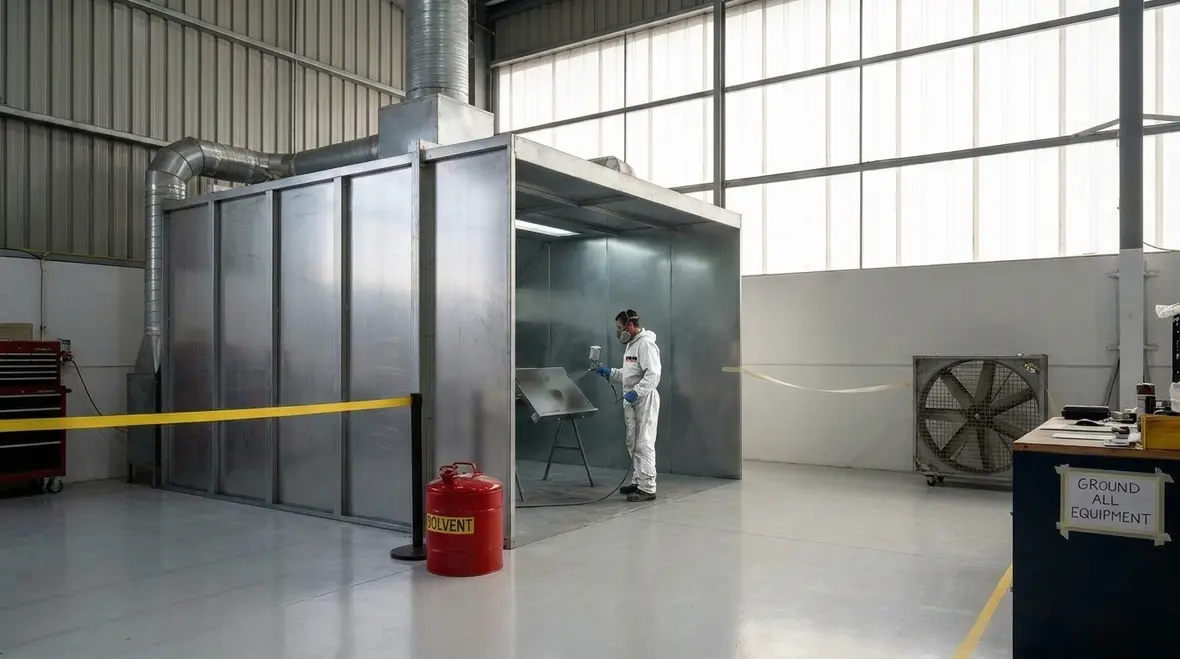
What NFPA 1 Section 43.1 Means on Site
Section 43.1 focuses on how spraying and coating work should be managed where fire or explosion risk may exist. It applies to activities such as spray painting, coating, touch up work, and finish application using liquid products that can ignite. The main goal is simple. Keep vapours under control, remove ignition sources, and make sure the work area supports safe operation from start to finish.
For many facilities, that means more than placing a sign on a door and hoping for the best. It means checking electrical equipment, reviewing product safety data, and making sure the space has the right airflow. It also means confirming that staff understand what can go wrong when solvent based products, heat, and poor housekeeping meet. As the old saying goes, fire does not care about deadlines.
The practical purpose behind the rule
On a real site, this section is about controlling the chain of events that turns routine coating work into a fire. Vapours do not need much encouragement. If product selection is sloppy, airflow is poor, or someone nearby decides it is the perfect time for hot work, the whole area can shift from productive to dangerous very quickly. The code is trying to stop that sequence before it starts.
That matters in Australia because many industrial and commercial spaces are shared environments. A maintenance crew may be doing touch up work while deliveries keep moving, contractors are setting up equipment, and the rest of the business is trying to carry on like nothing smells suspiciously flammable. Section 43.1 pushes teams to treat spraying work as a controlled activity, not just another task squeezed between lunch and knockoff.
Why Spray Painting Fire Safety Needs a Real Plan
Spray painting fire safety starts long before the gun pulls trigger. First, the site must identify all ignition sources. That includes open flames, hot surfaces, smoking, temporary electrical gear, and careless work by other trades. Then, the team must control the space so vapours cannot spread into unsafe areas.
Next, the product itself needs review. Some coatings carry higher flash point risks than others, and solvent based materials can build dangerous vapours fast. Therefore, workers should know what they are using, how it behaves, and what controls the manufacturer recommends. A site that skips this step is playing a very expensive version of “guess who.”
Ventilation also matters. Proper air movement reduces vapour buildup and helps keep concentrations below unsafe levels. However, ventilation must suit the product and the room size. A fan that sounds impressive but moves air poorly is not a safety solution. It is just a louder fan.
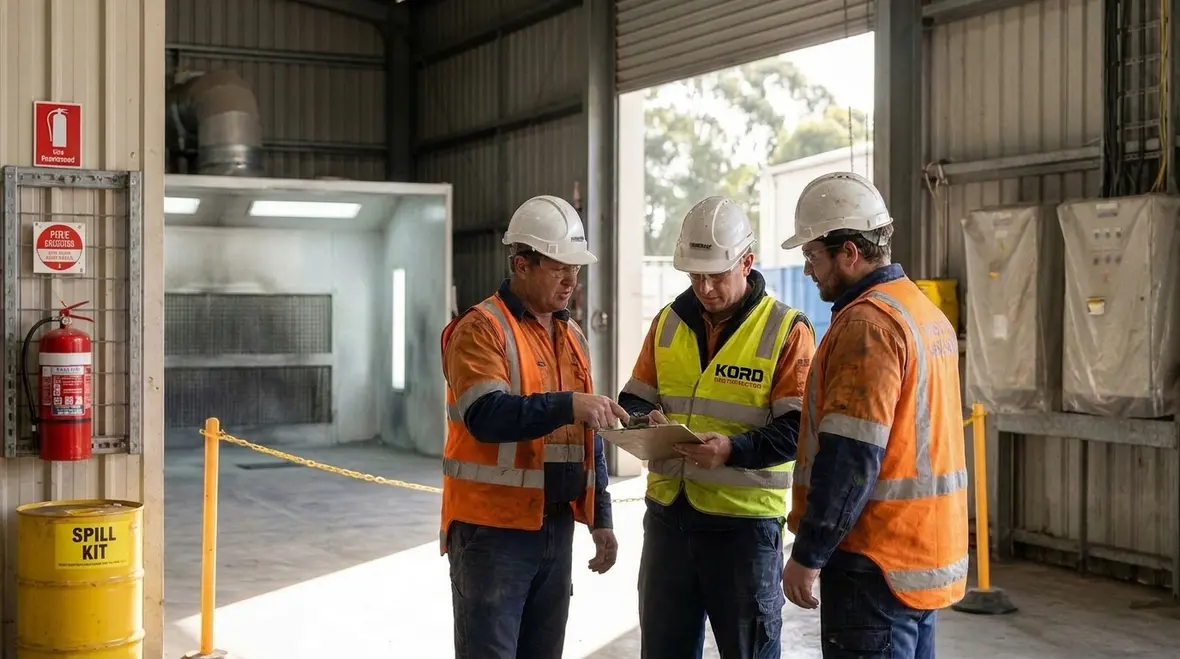
Planning details that save headaches later
A real plan also sets out who can approve the job, what area limits apply, and what happens if conditions change mid task. If ventilation fails, if the wrong thinner arrives, or if another crew rolls in with grinders and extension leads, someone needs the authority to stop work immediately. That is not overreacting. That is how small warning signs stay small.
Training is another part of the plan that often gets treated like a box to tick. It should not. Workers need to know what products are in use, where vapours travel, how spills are handled, what firefighting equipment is available, and when to escalate. The safest crews are usually not the ones with the flashiest paperwork. They are the ones who understand the risks well enough to spot trouble early.
How the Job Area Should Be Set Up
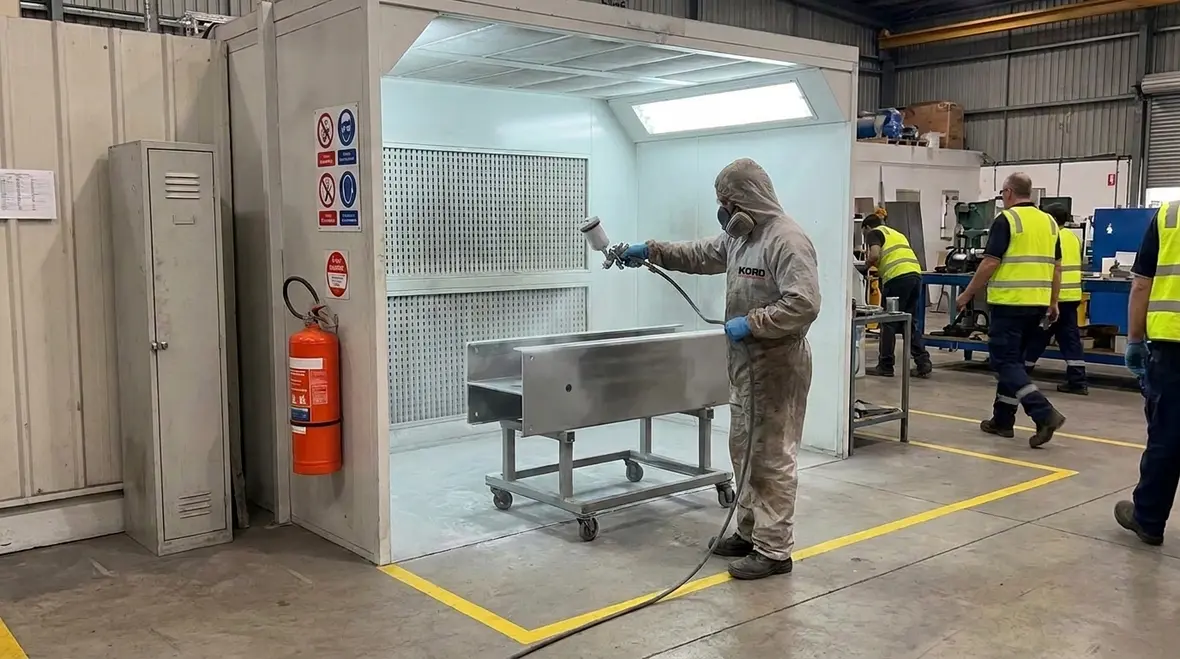
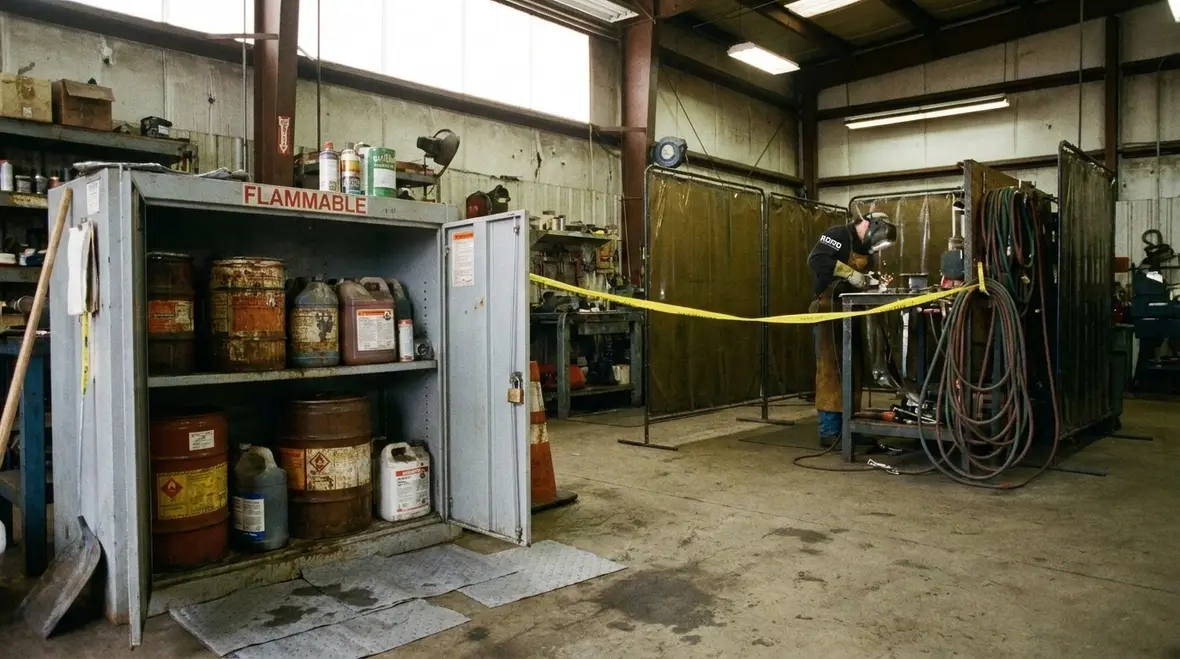
A safe spraying area needs strong housekeeping, clear access, and strict control of nearby activities. Floors should stay clean and free of overspray waste. Containers must stay closed when not in use. In addition, temporary barriers should separate the coating area from other work zones where sparks, grinding, or welding may occur.
Fire protection equipment should also be ready. Depending on the site, that may include portable extinguishers, spill controls, and emergency response steps suited to the coating process. Workers should know who shuts down the job if a risk appears. In fast moving operations, that authority matters. No one should need a committee meeting while fumes are already doing their thing.
Setup mistakes that quietly build risk
A lot of trouble starts with things that look minor at first glance. Open waste bins, half sealed containers, overspray residue left too long, blocked exits, and tools lying around all make the area harder to control. None of them sound dramatic on their own. Together, they create exactly the kind of cluttered environment where people miss warning signs and response time gets slower.
The better approach is boring in the best possible way. Mark out the zone clearly. Limit access. Keep stock and rubbish under control. Separate incompatible work. Check extinguishers and spill materials before the task begins, not after someone asks where they are. In fire safety, boring usually means reliable, and reliable is what keeps everyone going home in one piece.
Where Kord Fire Protection Becomes a Vital Partner
This is where Kord Fire Protection becomes more than a supplier or service provider. It becomes a practical safety partner. For industrial, retail, and commercial sites across Australia, Kord can help assess risk, support compliant fire protection measures, and guide teams through safer spraying and coating work.
That support may include reviewing site fire systems, helping identify gaps in protection, and aligning controls with the demands of flammable coating application. It may also include advice on fire equipment placement, emergency planning, and site specific protection for work areas where coatings, solvents, and ignition sources can collide. In short, Kord helps turn code requirements into working site habits.
For facilities teams, that matters. Compliance can feel like a moving target, especially when work happens in live environments with staff, customers, contractors, and production all sharing the same space. Kord helps simplify that mess, which is a welcome change from the usual “we thought someone else handled it” moment.
Teams dealing with higher risk paint operations may also find Kord’s guide to spray booth fire suppression for safer paint operations useful, especially when the conversation needs to move from general awareness to practical protection choices.
How Industrial and Commercial Teams Can Stay Compliant
Compliance works best when it becomes part of the job, not an extra step added at the end. Teams should train workers before spray tasks begin. They should also document inspections, check ventilation, confirm product controls, and review work permits where needed. This approach reduces confusion and improves accountability.
Moreover, supervisors should keep communication clear between trades. If one team plans coating work, nearby crews must know it. That helps stop hot work, power tools, and other hazards from entering the zone. Good fire safety is often less about dramatic equipment and more about simple discipline done every day.
In large facilities, a risk review should also consider storage. Flammable coatings, thinners, and cleanup products need secure handling and proper separation. If these materials sit anywhere and everywhere, the site is not managing risk. It is hosting it.
A simple compliance rhythm that works
The most effective teams usually follow a repeatable rhythm. Review the product. Prepare the area. Confirm ventilation. Lock down ignition sources. Brief the crew. Check protection equipment. Document the task. Then, once the job is done, clean the area and inspect for leftover residue, waste, and storage issues. It is not glamorous, but neither is explaining to management why a preventable fire interrupted operations.
If teams want a broader code context around prevention, control measures, and operational discipline, they can also explore NFPA 1: A Comprehensive Guide to Fire Prevention and Safety. It fits naturally with Section 43.1 because the bigger picture matters just as much as the spray area itself.
FAQ
Final Word
NFPA 1 Section 43.1 gives facilities a clear path to safer spraying and coating work. However, real protection comes from action, not theory. For businesses that want practical support, Kord Fire Protection can help build safer, smarter fire controls around every coating job.
When the work matters, the protection should too. Reach out to Kord and make the next spray project safer from the first coat to the last. Because when flammable vapours, busy worksites, and tight timelines share a room, hoping for the best is not much of a fire strategy.

Join Our Newsletter!
Get the latest fire safety tips delivered straight to your inbox From our Newsletter.