NFPA 1 Section 2.1 Referenced Publications for Compliance
Quick Answer
NFPA 1 Section 2.1 tells fire teams which referenced publications to follow when applying the code. For industrial, retail, and commercial sites across Australia, that means clear alignment, fewer gaps, and better safety control. Kord Fire Protection can help turn those standards into practical action, from review to installation, testing, and ongoing compliance support.
For facilities that need broader support across inspections, testing, sprinklers, alarms, and maintenance, Kord Fire Protection’s full fire protection services fit naturally into a stronger compliance plan. Teams that want a wider code context can also review NFPA 1: A Comprehensive Guide to Fire Prevention and Safety for a broader look at how the code supports day to day fire safety decisions.
NFPA 1 Section 2.1 in plain terms
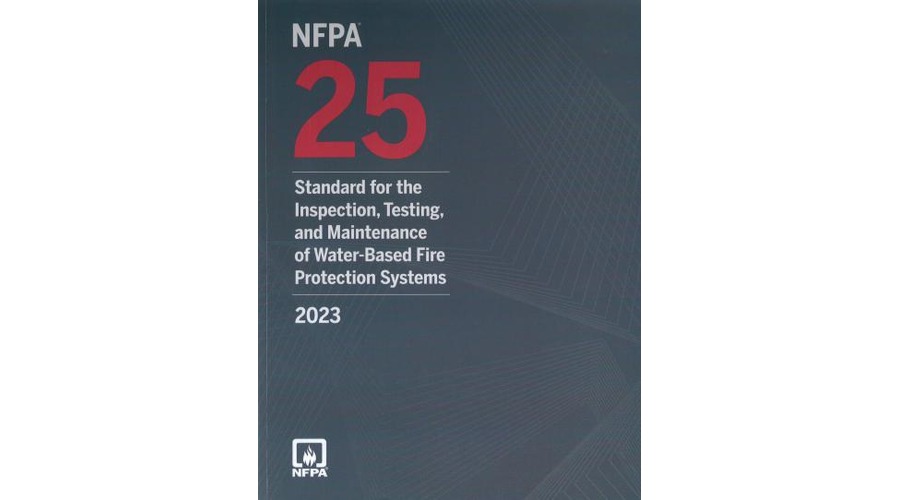
NFPA 1 Section 2.1 sets the base rule for referenced publications. In simple terms, the fire code points to other standards that must be used with it. That matters because NFPA 1 does not stand alone. Instead, it leans on related documents that explain design, testing, inspection, maintenance, and safe use.
For busy commercial and industrial sites, this is where the real work begins. The code may say what must be done, while the referenced documents explain how to do it. That split keeps fire safety from becoming a guessing game. And frankly, guessing in fire protection is a terrible hobby.

Why the referenced documents carry so much weight
A lot of teams read a code section and assume the answer is sitting right there in a tidy little paragraph. Section 2.1 says, not so fast. The code relies on outside standards because those documents hold the technical detail. One standard may explain sprinkler system design. Another may define inspection intervals. Another may set testing methods or maintenance expectations. When those references are ignored, compliance starts looking solid on paper while quietly slipping in the real world.
That matters for managers, contractors, and site teams because the wrong assumption can travel. One missed publication may lead to a wrong maintenance interval, an incomplete test scope, or a record that does not prove much during an audit. It is a small crack that turns into a much bigger headache later, usually at the exact moment nobody has time for it.
How code referenced publications shape compliance
When a site follows NFPA referenced standards, fire code referenced publications, and a code compliance standards list, it builds a stronger path to compliance. These documents help guide decisions for alarms, sprinklers, extinguishers, suppression systems, emergency planning, and more.
In practice, this means the team managing a warehouse, shopping centre, factory, or office complex must know which documents apply to each system. The standards can affect layout, equipment selection, maintenance intervals, and record keeping. As a result, one missed reference can create a chain of problems that spreads faster than gossip in a break room.
Compliance gets stronger when the code is treated as part of a full operating framework rather than a one page checklist. That framework links devices, inspection routines, maintenance planning, documentation habits, contractor scope, and change control. It also makes it easier to explain decisions to auditors, insurers, and internal stakeholders who would really prefer not to hear the phrase “we thought that was covered.”
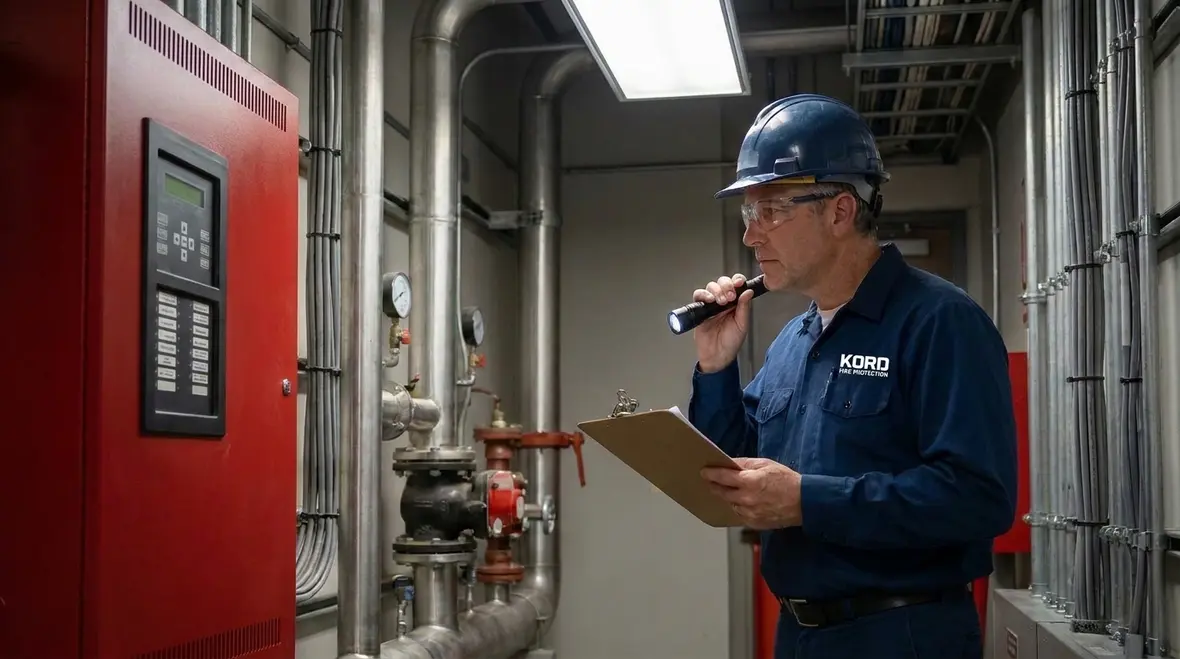
Common compliance areas affected by referenced publications
- System design and hazard matching
- Inspection and testing frequency
- Maintenance methods and evidence trails
- Equipment suitability for the occupancy
- Upgrade planning when building use changes
- Audit readiness and insurer confidence
What this means for Australian industrial and commercial sites
Across Australia, many sites work with a mix of local rules, site policies, insurer demands, and international standards. Because of that, NFPA 1 Section 2.1 becomes useful as a clear reference point. It helps managers, contractors, and compliance teams understand what must support the fire safety program.
Compliance focus
- Referenced standards review
- Inspection schedule control
- Maintenance records
- System updates
Why it matters on site
- Confirms the right rules apply to the right system
- Helps avoid missed checks and failed audits
- Shows systems stayed ready, not just installed
- Keeps older equipment aligned with current needs
This approach matters most in sites with high risk loads, large floor areas, or complex plant rooms. Therefore, managers need a partner who can read the code, interpret the documents, and turn paperwork into action. That is where a practical compliance mindset earns its keep. It keeps the site from drifting into a pattern where everyone assumes someone else checked the important part.
Where site complexity usually raises the stakes
Industrial facilities often combine storage, process areas, loading zones, electrical infrastructure, plant rooms, and shift based access restrictions. Retail and commercial properties bring another kind of complexity through mixed occupancies, tenancy changes, public traffic, and service coordination. In both cases, referenced publications help keep protection systems tied to actual site conditions rather than wishful thinking.
Which standards usually sit behind Section 2.1?
NFPA 1 often points to a range of related standards depending on the system or hazard. These may include documents for sprinklers, alarms, fire pumps, extinguishers, emergency lighting, and storage control. However, the exact list depends on the site and the system in use.
The key point is not to treat the fire code as a short checklist. Instead, it works like a map with many roads. Each road leads to a separate standard, and each standard adds detail that supports safe performance. Without that map, even a well meaning team can miss a critical step. And yes, fire compliance has a way of punishing shortcuts with dramatic flair.

Typical categories teams should review
- Automatic sprinkler requirements
- Fire alarm and notification expectations
- Portable extinguisher selection and servicing
- Fire pump testing and water supply support
- Suppression systems for special hazards
- Inspection, testing, and maintenance procedures
None of that means every site needs every document. It means every site needs the right ones. A warehouse with changing storage arrangements may need close attention to suppression and storage related standards, while an office tower may place more weight on alarms, occupant notification, and maintenance control. The code reference trail should follow the building’s real use, not a generic template copied from another property with completely different risks.
How Kord Fire Protection supports Section 2.1 compliance
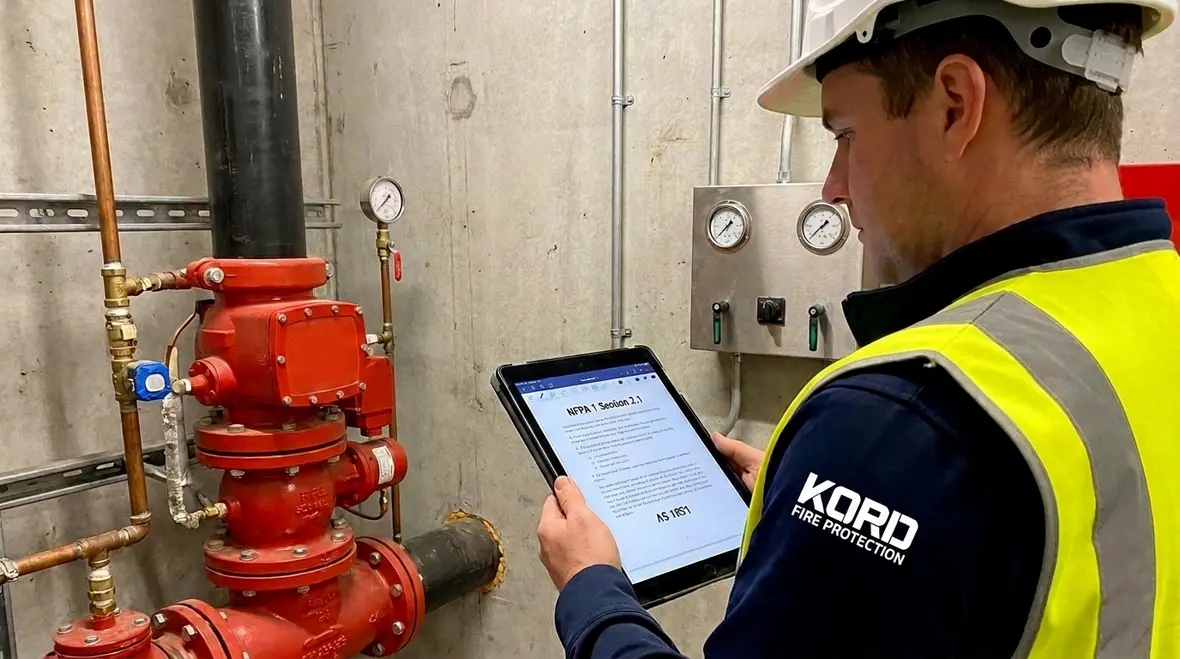
Kord Fire Protection can become a vital partner because it helps sites move from code language to real world compliance. That support can cover standard review, system advice, inspection planning, testing, rectification, and ongoing maintenance. In other words, Kord helps connect the code to the equipment on the ground.
For industrial, retail, and commercial facilities, this matters because fire protection cannot sit in a binder and hope for the best. It must work in the building, on the shift, and under pressure. Kord Fire Protection can help teams identify the right referenced publications, align site systems with them, and keep the work moving with less stress and fewer surprises.
That kind of support is especially useful when a site needs to manage multiple assets at once. A loading dock, a plant room, a retail tenancy, and a warehouse floor may all need different checks. Therefore, a strong fire protection partner brings order to the mess and keeps everyone looking less like they are improvising in a season finale.
Support that makes the process easier to manage
The best support model is not just technical. It is operational. Teams need help scheduling access, coordinating test windows, documenting work clearly, and closing deficiencies without turning the week into chaos. Kord’s broader compliance content also echoes that theme in resources like the fire protection compliance auditing guide and the article on fire safety system documentation for compliance, both of which fit naturally with Section 2.1’s focus on referenced standards and traceable action.
What a strong compliance process should include
A practical compliance process should start with a review of the fire code and the referenced publications that apply to the site. Then the team should confirm system status, document gaps, and schedule any needed work. After that, they should keep records current and easy to trace.
Good process usually includes
- A clear list of the applicable standards
- Site checks against the current fire code
- Testing and inspection records for each system
- Repairs and upgrades where gaps appear
- Ongoing monitoring to support audit readiness
When this process runs well, the site gains more than compliance. It gains confidence. That matters when auditors arrive, when insurers ask questions, or when an incident puts pressure on every weak point at once. Calm, boring, well documented compliance may not sound glamorous, but it beats frantic explanations every single time.
FAQ
Final word for site teams
NFPA 1 Section 2.1 gives sites a clear path through the maze of referenced standards. For Australian industrial, retail, and commercial operations, that clarity can save time, reduce risk, and strengthen fire safety. Kord Fire Protection can help turn that framework into practical site action.
If the goal is better compliance with less noise, Kord is ready to help move it forward. The smartest teams do not just ask what the code says. They ask which referenced publications support it, how those standards apply on site, and whether the records prove the systems are ready when it counts.

Join Our Newsletter!
Get the latest fire safety tips delivered straight to your inbox From our Newsletter.