NFPA 1 Section 17.3 for Wildland Fire Prone Areas Australia
Quick Answer
NFPA 1 Section 17.3 gives clear fire safety guidance for wildland fire prone areas, especially where industrial, retail, and commercial sites sit close to brush, forest, or open land. It helps facilities reduce ignition risk, improve site planning, and strengthen emergency readiness. Kord Fire Protection can support this work with practical systems, inspections, and compliance help.
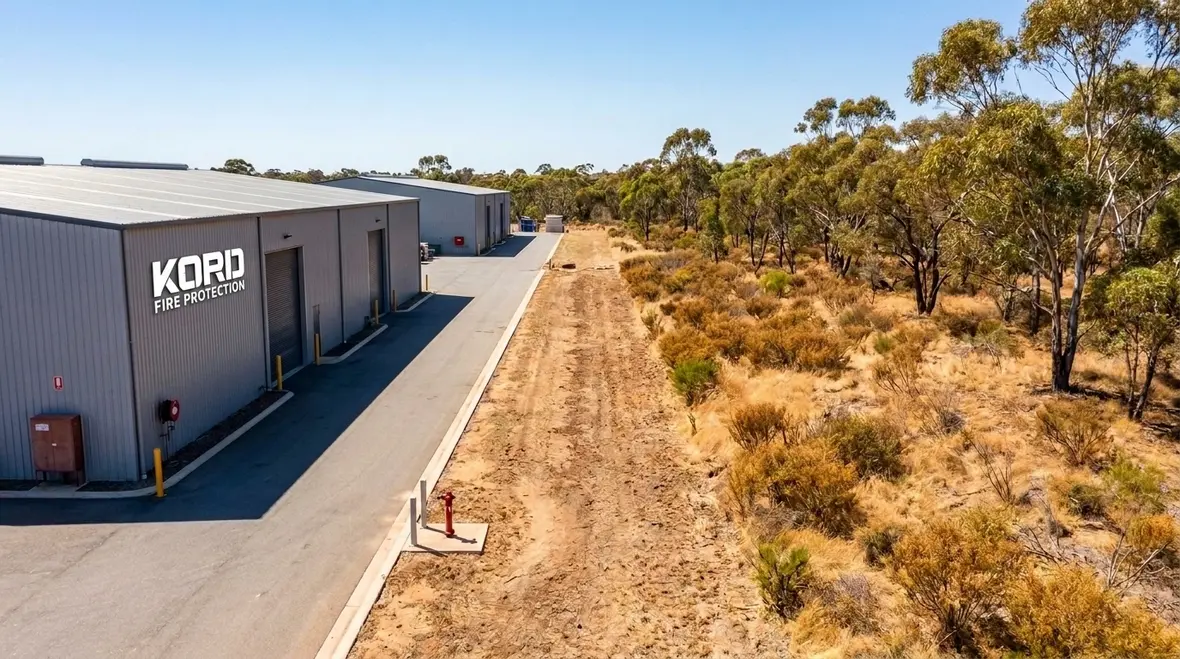
Across Australia, many industrial parks, retail centres, depots, and large facilities sit in or near wildland fire prone areas NFPA guidance would classify as high concern. In these settings, the WUI zone designation matters because it marks the space where built assets and wild land fuels meet. That same overlap creates wildland fire hazard areas, where a single ember can turn a normal workday into a very expensive lesson. NFPA 1 Section 17.3 helps businesses manage that risk with practical rules that support safer sites, better access, and stronger protection. For organisations with critical assets, that is not just code talk. That is business continuity with boots on the ground.
For facilities already reviewing pumps, alarms, sprinklers, and hydrants as part of a wider compliance program, Kord Fire Protection’s full fire protection services fit naturally into the discussion because wildland exposure does not politely stay outside the property line. Once embers reach the site, the quality of internal fire protection systems and the discipline behind inspections start mattering in a hurry.
What NFPA 1 Section 17.3 Means for Sites in Wildland Fire Prone Areas
NFPA 1 Section 17.3 focuses on fire safety for properties exposed to wildland fire risk. It guides how owners and operators reduce fuel load, improve defensible space, protect structures, and support safe fire response. For commercial and industrial facilities, this matters because operations often include storage yards, loading areas, plant equipment, tanks, waste zones, and roof layouts that can spread fire fast. In other words, the site may look tidy from the office, yet still behave like a matchbox in the wrong weather.
The section also helps facilities think beyond the building shell. It pushes attention toward access routes, emergency entry, utility shutoff, and ignition control around the site. That broader view is essential for business sites in bush edge areas, peri urban zones, and regional commercial corridors where fire weather can move quickly. It also pairs well with broader code understanding, especially if your team wants a bigger picture view from Kord Fire Protection’s NFPA 1 comprehensive guide to fire prevention and safety.
Why WUI Zone Designation Matters for Commercial and Industrial Facilities
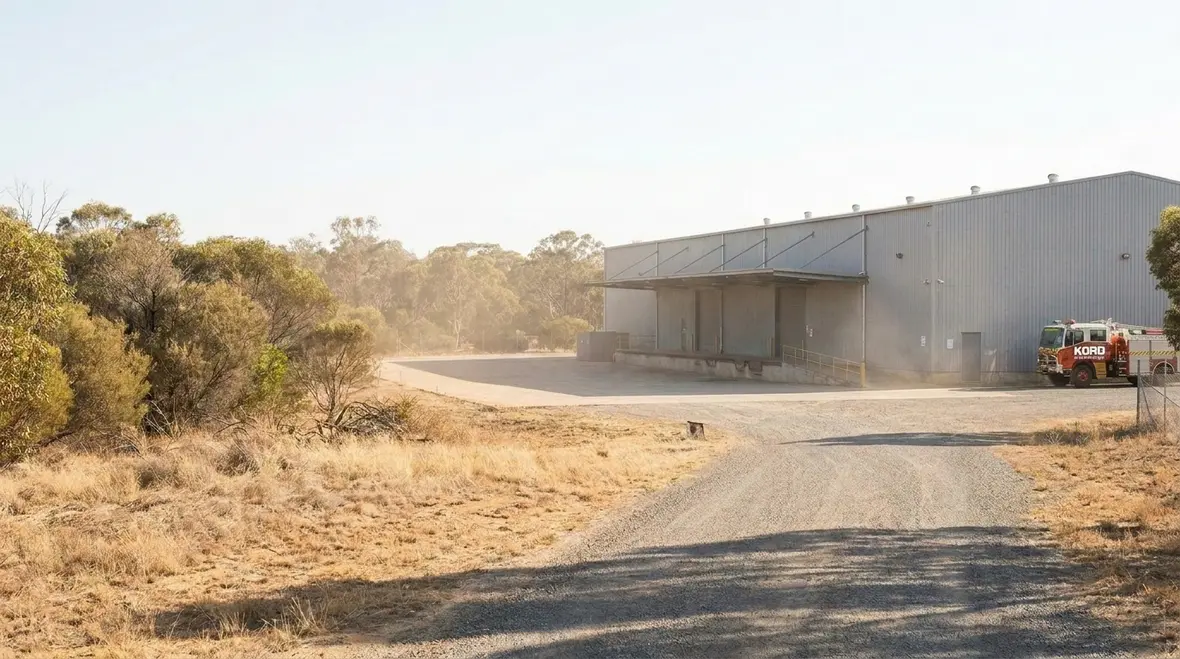
The WUI zone designation is more than a map label. It helps planners, consultants, and fire protection teams understand how exposure changes by location, terrain, vegetation, and surrounding land use. A warehouse near grassland faces one type of risk. A logistics hub near dense scrub faces another. A food plant beside open buffer land faces another still.
Because of that, no single control fits every site. However, the designation helps guide the right mix of measures. These may include site clearing, ignition resistant materials, safer storage layouts, and water supply planning. It also supports better communication with local authorities, insurers, and fire engineers. That can save time, reduce confusion, and lower the odds of a last minute scramble that feels very much like a Hollywood fire drill, minus the script and the stunt team.
Why location changes the fire protection conversation
When facilities sit near bushland, open grass, unmanaged lots, or long fence lines with debris buildup, the fire conversation changes from internal system readiness alone to external exposure plus internal resilience. That means managers should think about how embers travel, how vehicles enter and leave the site, how outdoor storage is arranged, and whether response crews can move quickly once conditions turn ugly. The point is not to make every property look like a bunker. The point is to keep everyday business from becoming tomorrow’s insurance case study.
Key Controls That Support NFPA 1 Section 17.3
Facilities in wildland fire prone areas need layered protection. One control rarely does the whole job. Instead, strong programs combine site design, maintenance, detection, and response planning.
- Reduce dry fuel around buildings and along fence lines
- Keep roofs, gutters, vents, and ledges clear of debris
- Use fire safe materials where practical for exterior surfaces
- Maintain clear access for fire crews, trucks, and equipment
- Protect exposed openings and service penetrations
- Mark and test utility shutoff points for faster response
- Review landscape layout, especially near storage and plant areas
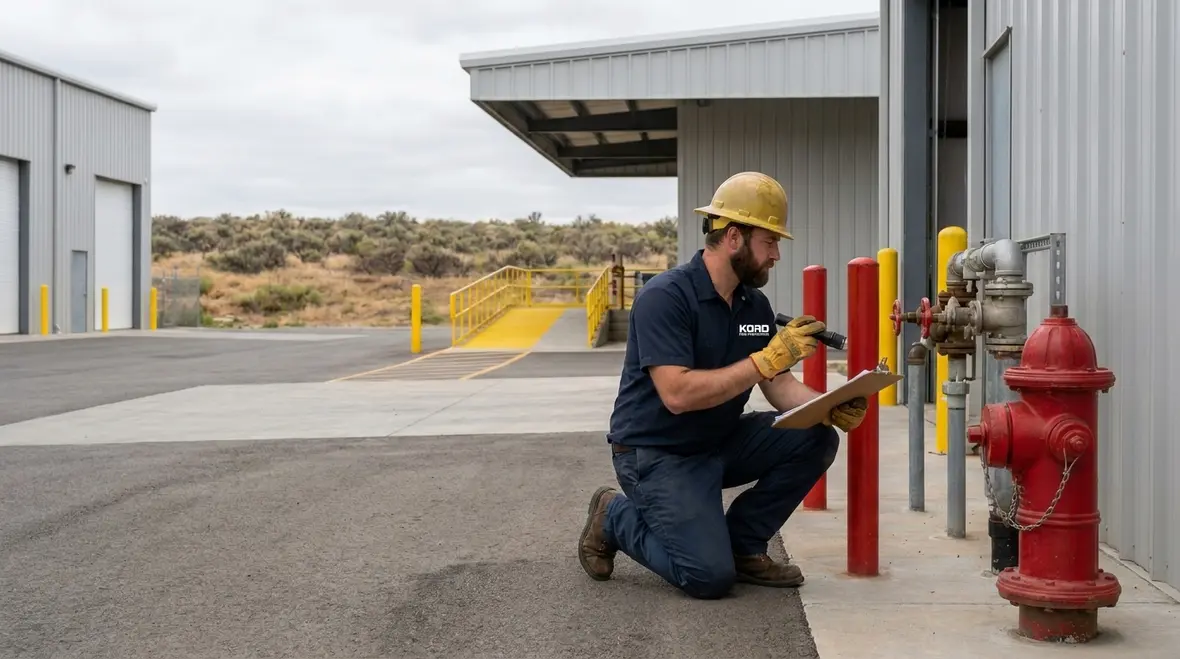
- Inspect water supply, hydrants, pumps, and hose points often
These controls work best when they are part of a routine program, not a once a year panic session before summer hits. After all, fire risk does not wait for a convenient calendar invite.
How these controls work together on real sites
Each measure supports the others. Vegetation control reduces available fuel. Clean roofs and protected vents reduce ember entry. Reliable hydrants, pumps, and hose points improve suppression capability when minutes matter. Access management helps crews reach the right area without fighting gates, blind corners, or poorly marked shutoffs. If even one of those pieces is weak, the whole response can slow down. And unfortunately, fire has never been known for its patience or its interest in operational excuses.
How Kord Fire Protection Can Support Compliance and Site Safety
Business need
Facilities need help turning code guidance into practical action.
Business need
Sites need reliable systems that stay ready in hot, dry, and windy conditions.
Business need
Teams need clear guidance that fits operations, not just paper compliance.
Kord Fire Protection support
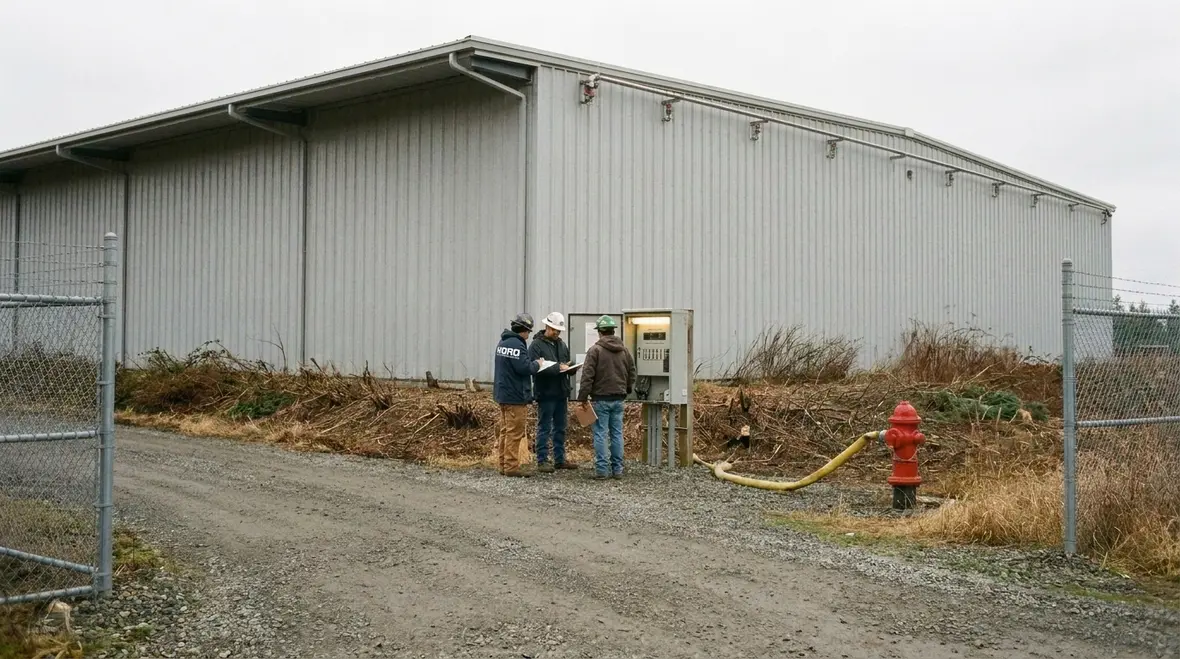
Kord Fire Protection can assess site risks, recommend suitable fire systems, support inspection schedules, and help align protection measures with the property layout.
Kord Fire Protection support
Kord Fire Protection can help with hydrant checks, sprinkler system support, detection solutions, emergency readiness planning, and ongoing maintenance.
Kord Fire Protection support
Kord Fire Protection can work with site managers, builders, and facility teams to create a practical fire safety plan that supports daily operations and emergency response.
That kind of partnership matters because wildland risk is not only about flame spread. It is about time, access, and system reliability. Kord Fire Protection can help facilities build a program that supports both compliance and business resilience.
What Industrial and Retail Facilities Should Check First
When a site sits within or near a WUI zone designation, the first review should be simple, direct, and honest. Where can fire enter? What can feed it? What can fail first?
For many sites, the biggest weak points include waste storage, unmanaged vegetation, roof debris, weak hose access, poor lighting for emergency use, and exposed service areas. Retail centres may also face risk from loading docks, shared boundaries, and nearby landscaping. Industrial sites often add higher fuel loads, larger footprints, and more complex utilities. So, the review must cover both the land around the site and the assets inside it.
A sensible first pass beats a fancy delayed one
A first review does not need to be dramatic or overcomplicated. It needs to identify obvious fuel sources, vulnerable entry points, and anything that could slow emergency response. Walk the perimeter. Check roofs and drains. Look at external storage, contractor work areas, and service penetrations. Review access after hours, not just during tidy daytime operations. Fire has a special talent for arriving when the site is least flattering.
How to Build a Practical Wildland Fire Plan
A useful plan does not need to sound heroic. It needs to work.
- Identify site exposure and classify hazard zones
- Set inspection dates before peak fire seasons
- Assign tasks for vegetation, roofs, drains, and access roads
- Test fire protection systems and backup water sources
- Train staff on shutoff steps and evacuation support
- Review contractor work near ignition sensitive areas
- Update the plan after layout changes or expansions
This approach keeps fire safety tied to daily operations. As a result, the site becomes easier to manage, easier to defend, and less likely to suffer avoidable loss.
The strongest plans also assign ownership. Someone should know who checks vegetation, who confirms hydrant condition, who updates shutdown instructions, and who reviews changes after a yard expansion or storage reshuffle. If everyone owns it, nobody owns it, and that is not the kind of suspense any facility manager needs. A practical plan should be short enough to use, clear enough to train from, and solid enough to hold up when conditions are hot, dry, and windy.
FAQ
Conclusion
For Australian industrial, retail, and commercial sites, NFPA 1 Section 17.3 offers a smart path to safer operations in wildland fire prone areas. It gives structure to decisions about fuel management, access, layout, system readiness, and emergency planning. More importantly, it helps turn risk from a vague seasonal worry into a checklist of actions people can actually complete.
Kord Fire Protection can help turn that guidance into real protection with clear planning, strong systems, and steady support. For facilities that want to stay ready before fire season arrives, now is the time to act, because wildland fire has poor timing, zero manners, and absolutely no interest in whether the maintenance meeting got postponed again.

Join Our Newsletter!
Get the latest fire safety tips delivered straight to your inbox From our Newsletter.