NFPA 1 Section 28.2 Marine Terminal Fire Safety
Quick Answer: NFPA 1 Section 28.2 sets the fire safety baseline for marine terminals by focusing on safe operations, clear emergency access, proper storage control, and fire protection systems that match the risks on site. For ports, wharves, and cargo areas across Australia, it helps reduce fire spread, protect workers, and keep operations moving.
Marine terminals do not forgive lazy planning. One hot engine, one leaking line, one poor storage habit, and the whole site can turn into a very expensive lesson. That is why marine terminal fire code, pier fire safety NFPA, and wharf fire protection requirements matter so much for industrial, commercial, and port facilities. NFPA 1 Section 28.2 gives a practical framework for controlling risk in places where ships, fuel, cargo, machinery, and people all meet at once. For Australian operators, the standard also offers a strong reference point when building a safer, more compliant site.
Near the top of the job, the practical side matters just as much as the policy side. That is where full fire protection services fit naturally for terminals that need inspections, testing, maintenance, repairs, and coordinated system support without turning site management into a daily scavenger hunt.
What NFPA 1 Section 28.2 Means for Marine Terminals
NFPA 1 Section 28.2 addresses the fire safety needs of marine terminals, where hazards move fast and space is often tight. It focuses on keeping fire loads low, making exits and access clear, and supporting fast emergency response. In simple terms, it tells site operators to manage the place before the fire manages them.
This section matters because marine terminals often handle fuel, oils, containers, vehicles, and equipment in the same area. As a result, a small ignition source can spread quickly. The code pushes owners to plan for that risk, not just react to it. That approach suits busy industrial sites well, because prevention always costs less than damage control. Even the best fire truck cannot outrun bad housekeeping.
Where the code becomes practical on site
On a real terminal, this usually comes down to predictable basics done well every single day. Storage zones need to stay sensible. Access ways need to stay clear. Fuel handling needs discipline. Maintenance needs follow-through. Fire protection in this setting is not theatrical. It is procedural, repetitive, and slightly boring in the best possible way. That boredom is usually a sign that nothing is on fire.
How Marine Terminal Fire Code Shapes Daily Operations
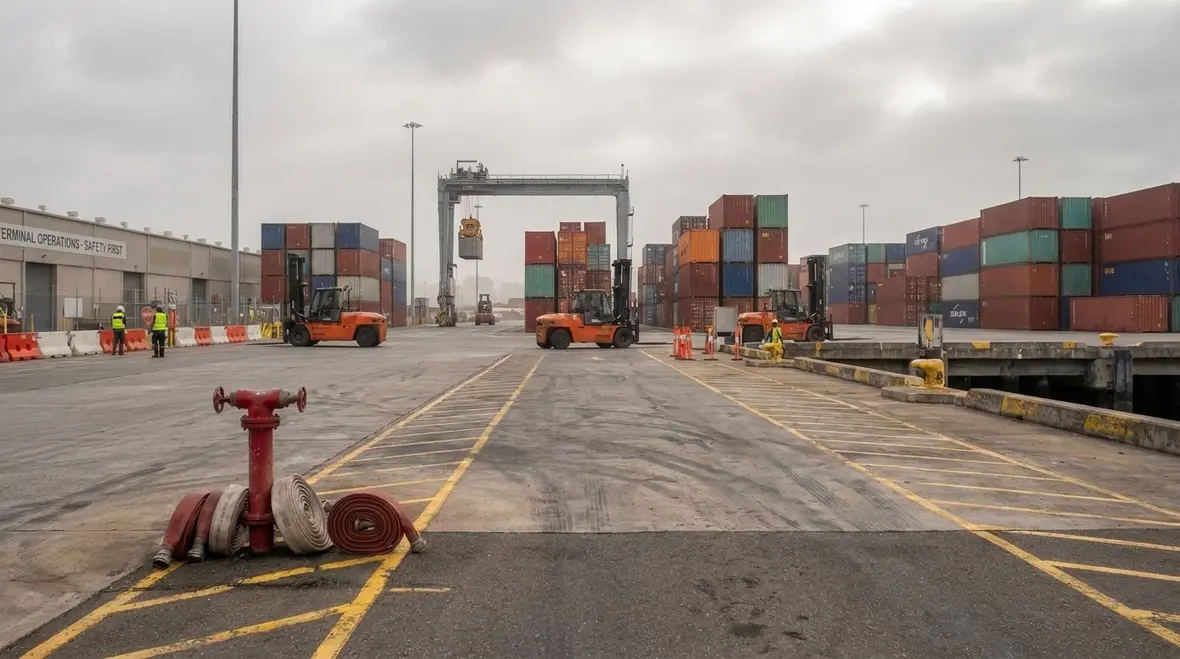
The marine terminal fire code affects more than emergency drills. It reaches into everyday work, from cargo stacking to vehicle movement and maintenance. Strong fire protection starts with control. Therefore, operators should keep ignition sources away from flammable materials, maintain safe separation between loads, and remove waste before it piles up into a hazard buffet.
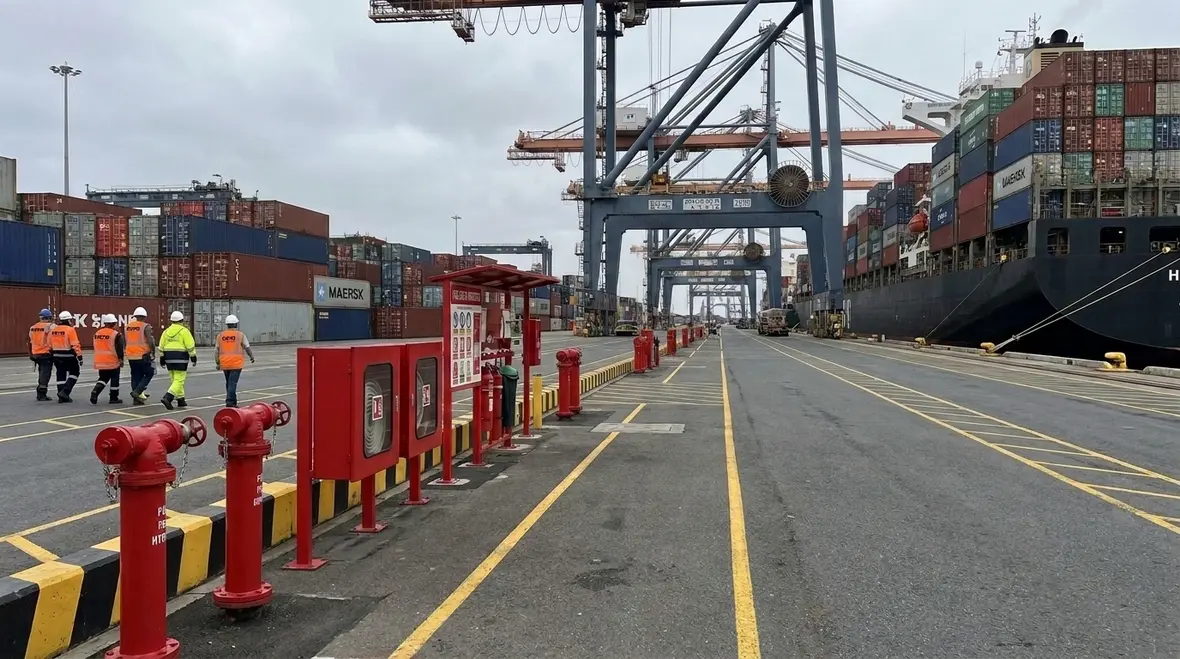
Good site control also means checking that fire lanes, hydrants, and extinguishers stay open and usable. If a response team cannot reach the problem, the problem gets a head start. In addition, terminals should train staff to spot leaks, overheated equipment, damaged wiring, and blocked access points. These small checks often prevent the big headline.
Daily habits that reduce the chance of fire spread
A sound operating rhythm usually includes pre-shift area checks, housekeeping rounds, equipment inspections, and quick reporting pathways when something looks off. It also means supervisors do not shrug at small warning signs. A weak cable, a blocked hose point, or a pallet stacked where it should not be can stay harmless for weeks right up until it absolutely does not. Marine terminals reward attention and punish assumptions.
Keep loading and unloading areas free of unnecessary combustible clutter
Separate fuel sources and ignition sources wherever practical
Check plant, vehicles, and power equipment for heat and leakage issues
Protect access to hydrants, extinguishers, alarms, and response equipment
Review traffic flow so emergency response is not boxed in by normal operations
What Wharf Fire Protection Requirements Usually Cover
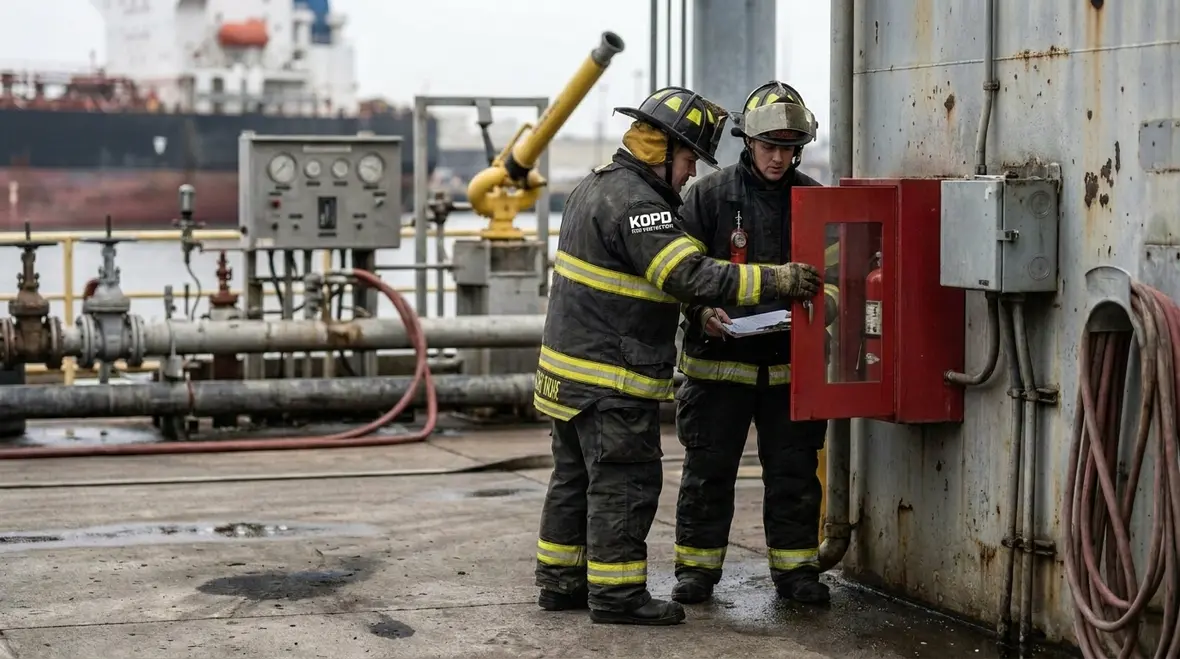
Wharf fire protection requirements usually focus on access, detection, suppression, and emergency planning. They also require a strong link between the fire plan and the real layout of the site. A fine plan on paper means little if forklifts park in front of a fire point or cargo blocks the approach path.
Common focus areas include:
Clear emergency vehicle access
Fire extinguishers in the right locations
Hydrants, hoses, and water supply support
Control of combustible waste and storage areas
Training for staff who work near loading and unloading zones
These controls matter because wharves face extra pressure from wind, salt air, heavy traffic, and mixed cargo types. Therefore, fire protection needs regular checks, not once a year and a prayer.
Matching equipment to site realities
No two terminal layouts are exactly alike, which is why the best protection plans account for berth arrangement, loading methods, traffic density, hazardous material presence, and distance to response points. A system that looks complete during design can still underperform if site use changes over time. That is one reason related guidance like NFPA 1: A Comprehensive Guide to Fire Prevention and Safety remains useful as a broader reference for keeping prevention, access, and readiness aligned.
| Fire Safety Area | What the Site Should Do |
| Access | Keep fire lanes open and easy to reach |
| Storage | Separate hazardous materials and limit fuel loads |
| Detection | Use suitable alarms and inspection checks |
| Suppression | Install and maintain systems that fit the risk |
| Training | Teach workers how to respond fast and safely |
Why Risk Control Matters at Busy Port Sites
Busy port sites carry layered risks. Fuel transfers can release vapour. Vehicles can overheat. Electrical gear can fail. Meanwhile, shipping containers can hide dangerous goods that need careful separation and handling. As a result, fire safety must match the full operation, not just one corner of it.
Good risk control also protects business continuity. A fire at a terminal can stop loading, damage stock, delay shipping, and trigger long recovery times. In many cases, the direct fire loss is only the first bill. Insurance issues, missed contracts, and cleanup costs often follow. So, fire safety is not just about compliance. It is also about keeping the business in the game.
The compounding cost of one preventable failure
Terminal managers know that downtime spreads far beyond the burn area. A single fire can jam scheduling, upset carriers, interrupt receiving plans, and force site-wide reviews that ripple across contracts and staffing. That is why disciplined prevention earns its keep long before an emergency ever arrives. The goal is not merely to pass inspection. The goal is to keep the place functioning when pressure is high and timing is tight.
How Kord Fire Protection Can Support Marine Terminals
Kord Fire Protection can become a vital partner by helping sites turn code requirements into practical action. That includes fire system design, inspection support, maintenance planning, compliance advice, and risk focused upgrades. For marine terminals, that kind of help matters because the site is never static. Cargo changes. Workflows change. Risk changes. The fire plan must keep up.
For industrial and commercial facilities across Australia, Kord Fire Protection can help align systems with pier fire safety NFPA expectations and wider site needs. More importantly, it can help reduce gaps before they become incidents. That may involve checking coverage for hydrants, monitoring fire equipment condition, or reviewing whether suppression systems still suit the current terminal layout. In a place where one weak point can create a chain reaction, expert support is worth its weight in steel.
Support that keeps pace with changing terminal conditions
Marine terminals are not static facilities with static risks. Expansion projects, temporary storage surges, rerouted traffic paths, seasonal operations, and equipment turnover can all change how a fire might start or spread. Practical support means reviewing the whole environment, not just ticking a box next to installed hardware. That is where coordinated inspection, maintenance, and upgrade planning become far more useful than isolated one-off fixes.
How Compliance Checks Keep the Site Ready
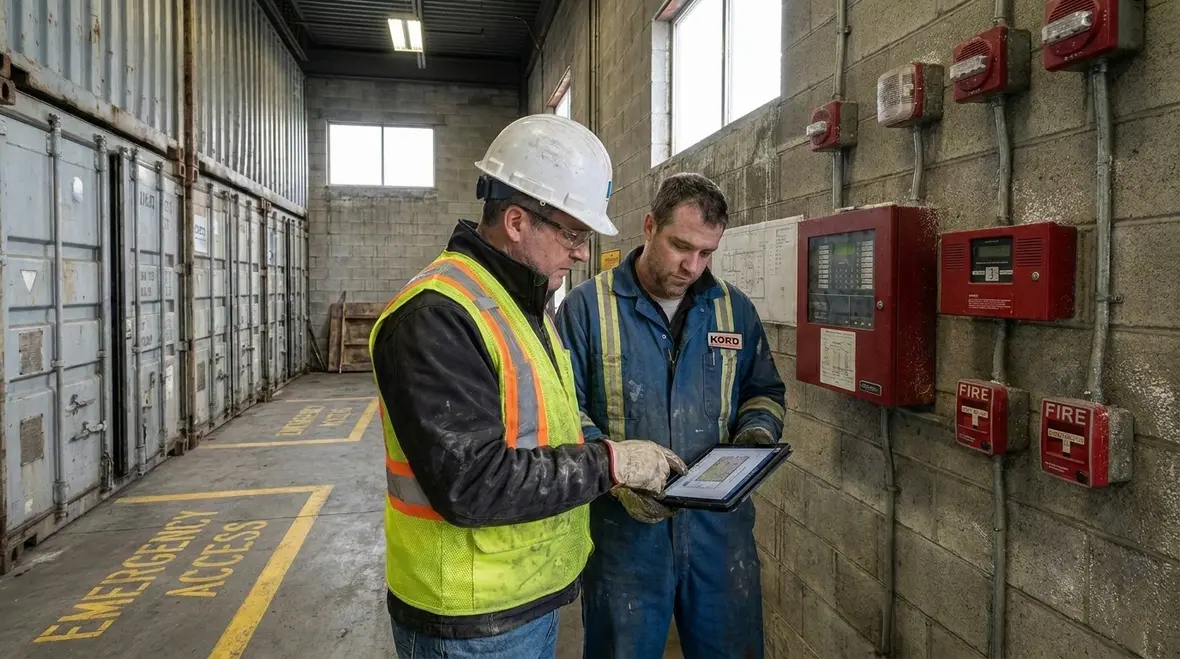
Compliance checks are not just paperwork. They confirm that systems still work and that people still know what to do. Regular inspections help catch blocked equipment, damaged signs, expired service items, and layout changes that increase risk. They also help site managers show due care, which matters in audits, insurance reviews, and safety reporting.
To stay ready, terminal managers should build a routine that covers inspection, testing, maintenance, and staff refreshers. Furthermore, they should review the plan after any layout change, major repair, or new cargo type. Fire safety becomes stronger when it grows with the site instead of chasing it from behind like a confused extra in a disaster movie.
What a readiness routine should include
A useful routine usually combines scheduled equipment checks, documented testing, corrective maintenance, worker refresher training, and site walkthroughs that compare the fire plan to the space as it actually operates. If a terminal adds new storage patterns, new transfer points, or new machinery, the protection strategy should be reviewed before those changes quietly become tomorrow’s incident report.
FAQ
Final Word for Marine Terminal Operators
NFPA 1 Section 28.2 gives marine terminals a clear path to better fire safety, but the real win comes from action. With the right systems, trained staff, and expert support from Kord Fire Protection, sites can strengthen compliance and reduce risk without slowing the business down.
For terminals, wharves, and port facilities across Australia, that is a smart move and a safer one. When access stays clear, systems stay maintained, and risk control becomes part of the daily routine, the site has a much better chance of staying operational, compliant, and out of the wrong kind of spotlight.

Join Our Newsletter!
Get the latest fire safety tips delivered straight to your inbox From our Newsletter.