NFPA 1 Section 15.4 FDSDCE Documentation Guide in Australia
Quick Answer
NFPA 1 Section 15.4 sets the rules for FDSDCE documentation, including clear records for fire delivery evaluation reports and service delivery documentation. For industrial, retail, commercial, and facility teams across Australia, this means better proof of compliance, safer operations, and fewer surprises. Kord Fire Protection can help manage the process with precision and calm control.
NFPA 1 Section 15.4 matters because documentation is not just paper, it is proof. For industrial, retail, commercial, and large facility teams across Australia, FDSDCE documentation NFPA, the fire delivery evaluation report, and service delivery documentation help show that fire safety systems were checked, tested, and handled correctly. When a site must answer to auditors, owners, insurers, or regulators, the records carry weight. And yes, boring paperwork can sometimes be the hero of the story, which is not how most people expected their week to go.
For businesses that want broader support beyond a single inspection cycle, full fire protection services can fit naturally into ongoing compliance planning. That kind of support helps connect inspections, documentation, testing, follow-up work, and system readiness into one process instead of several scattered tasks that all somehow land on the same Monday morning.
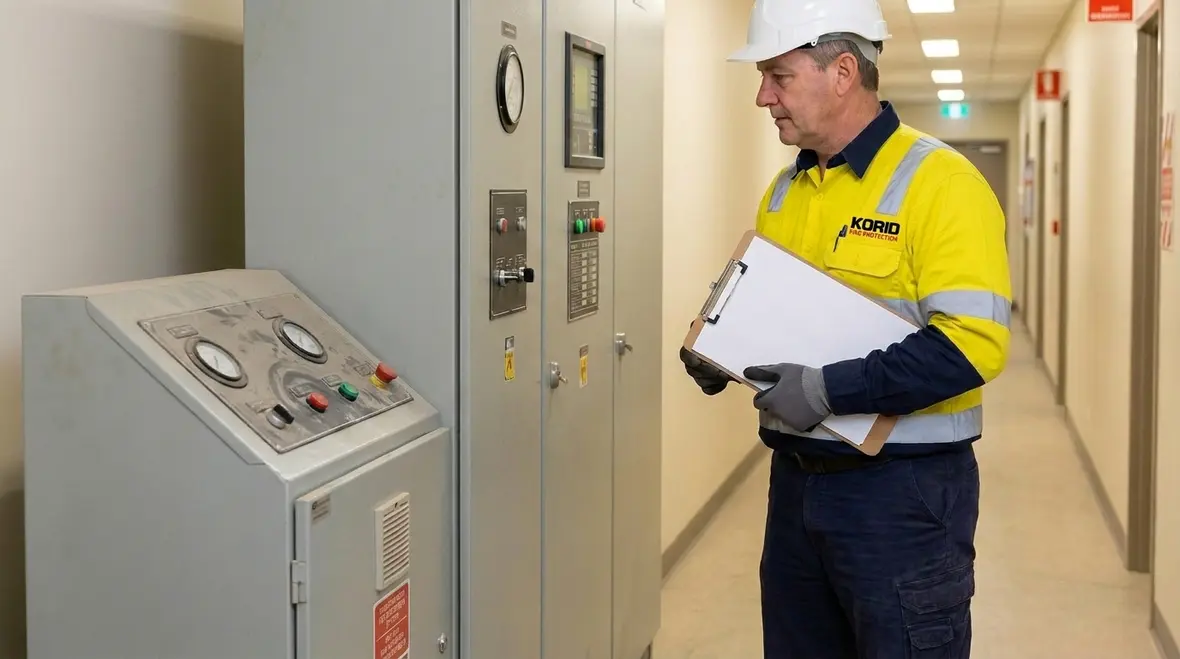
What NFPA 1 Section 15.4 Requires
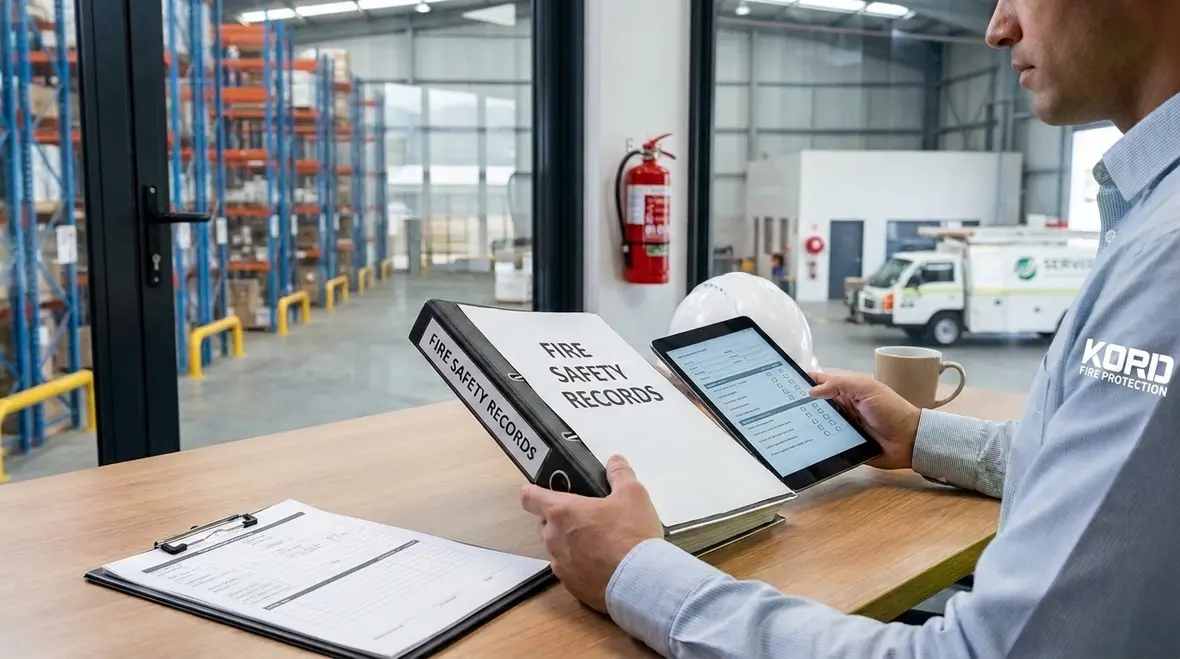
NFPA 1 Section 15.4 focuses on keeping fire safety records clear, complete, and available when needed. It expects a site to maintain documentation that shows what work was done, when it was done, who did it, and what was found. That includes fire system checks, service actions, evaluation results, and any follow up work. In simple terms, the rule says, “If it was inspected, tested, fixed, or reviewed, write it down properly.”
This matters because fire systems do not run on guesswork. They need proof. Therefore, teams that manage warehouses, shopping centres, factories, offices, and logistics hubs must keep a clean record trail. When documentation is weak, even a good system can look like a bad one. That is the kind of plot twist nobody wants.
Core records that should never go missing
Inspection logs that show dates, areas covered, and system status
Testing records for alarms, pumps, sprinklers, suppression systems, and related equipment
Service notes that explain defects, repairs, replacements, and return-to-service details
Evaluation reports that help identify recurring problems or compliance gaps
Responsible personnel names so the record has accountability, not mystery
The goal is not to create paperwork for the sake of paperwork. The goal is to preserve a reliable operational history. If a regulator asks what happened six months ago, or an insurer wants proof of service after an incident, the site should be able to answer with confidence instead of squinting at a half-complete spreadsheet and hoping for mercy.
Why FDSDCE Documentation Matters in Day to Day Operations
FDSDCE documentation supports daily control, long term safety, and legal confidence. It helps site managers track system history, compare past results, and catch issues before they become costly. Moreover, it gives fire protection teams a shared record that reduces confusion across shifts, contractors, and internal staff.
In a busy commercial site, details get lost fast. A valve gets tagged. A pump gets tested. A fault gets found. Then a manager changes, and the memory of the event disappears into the office void. Proper documentation stops that from happening. It keeps the truth in one place, which is handy when everyone suddenly remembers a different version of events.
How documentation improves real operating decisions
A strong documentation process makes planning easier because it shows trends, not just one-off events. If the same riser, zone, panel, or access point keeps creating service issues, the records make that pattern visible. Instead of reacting to each problem as if it appeared from nowhere, the team can decide whether a repair, redesign, replacement, or broader maintenance plan makes more sense.
This is especially useful in larger Australian facilities where different contractors, maintenance leads, and operations staff all touch the same systems over time. Documentation becomes the one version of events that does not rely on memory, hallway conversations, or someone saying, “I am pretty sure that got done.” Pretty sure is not a compliance strategy.

What a Fire Delivery Evaluation Report Should Include
A fire delivery evaluation report should do more than list results. It should explain the condition of the system, show any issues found, and note the steps taken to resolve them. It should also record dates, locations, equipment details, and the name of the technician or contractor involved. Clear notes matter because future inspections depend on past records.
For sites with complex fire systems, this report helps managers see patterns. For example, if one area keeps showing pressure loss or access issues, the report can reveal a deeper problem. As a result, the team can act early instead of waiting for a failure to arrive like an uninvited sequel.
Useful fields inside a report
| Report Item | Why It Matters |
|---|---|
| Date and service location | Shows when and where the work occurred |
| System or equipment ID | Links findings to the exact asset |
| Observed condition | Explains current performance or defect status |
| Action taken | Confirms what was repaired, adjusted, or tested |
| Outstanding issues | Prevents unfinished items from disappearing into a paperwork fog |
| Technician or contractor name | Creates accountability and future reference |
When these fields are complete, the report becomes useful to everyone who touches the site later. It helps maintenance teams, external auditors, insurers, compliance staff, and owners understand not only what happened, but what should happen next. That is a much better outcome than a report full of abbreviations that only one person understands and that person is now on annual leave.
Service Delivery Documentation for Audit Ready Sites
Service delivery documentation gives proof that fire protection work was completed to a set standard. It should show what service was performed, what parts were used, what defects were found, and whether the system returned to normal operation. In addition, it should show any work still pending so nothing slips through the cracks.
For Australian businesses, this is especially useful when a site must support an insurance review, internal audit, or compliance check. Strong records reduce risk, speed up decisions, and make it easier to show good faith after an incident or near miss. In other words, it helps the business look organized even when the week itself is acting like a fire drill.
The records that make audits less painful
Completed service reports with readable findings
Lists of parts used or replaced during work
Defect records with priority and follow-up status
Evidence that systems were restored to normal condition
Central storage so site teams can retrieve records quickly

How Kord Fire Protection Becomes a Vital Partner
Kord Fire Protection can play a vital role in managing NFPA based documentation with care and consistency. A skilled partner does not just inspect equipment and leave. Instead, it builds a reliable record system, keeps reports clear, and helps site teams understand what each document means. That support becomes valuable across industrial plants, retail networks, commercial towers, and large facilities.
That approach also fits naturally with broader fire protection planning in Australia, where documentation, inspections, and readiness all need to work together instead of operating like distant cousins who only see each other at audit time.
Below is a simple view of where Kord Fire Protection adds value:
| Documentation Need | How Kord Fire Protection Helps |
|---|---|
| Accurate inspection records | Provides clear, complete reports |
| Compliance tracking | Helps align records with NFPA 1 Section 15.4 |
| Service follow up | Notes defects and next steps |
| Audit support | Supplies organized documents for review |
| Risk control | Helps teams spot repeat issues early |
Because fire compliance can feel heavy, a partner that handles detail well can save time and stress. Kord Fire Protection helps turn scattered paperwork into a clean trail of evidence. That is the kind of support that lets facility teams focus on operations instead of chasing missing forms like they are starring in a bureaucratic treasure hunt.
How to Keep Records Clean Across Multiple Sites
Multi site businesses need one standard process. Otherwise, one branch keeps great records while another stores them in a folder named “misc.” To avoid that mess, teams should use the same naming system, same report format, and same review process across all locations. They should also assign clear responsibility for document storage and updates.
Regular checks help too. For example, managers can compare service delivery documentation across sites each month. If a report is missing, incomplete, or hard to read, the issue can be fixed before audit time arrives. Consistency saves time, and it saves face as well.
Simple rules that keep records usable
Use one file naming structure across every site
Store reports in one approved shared location
Review documents monthly, not only before audits
Flag unreadable, incomplete, or unsigned reports early
Assign ownership so updates are someone’s job, not everyone’s assumption
Why Strong Documentation Lowers Risk
Good records lower risk because they help people make better decisions. They show what has been tested, what has failed, and what still needs attention. They also support faster repairs and better planning. As a result, the business avoids repeat faults, missed deadlines, and compliance gaps.
In fire protection, silence is not always golden. Sometimes silence means nobody documented the problem. That is why NFPA 1 Section 15.4 and related documentation should sit at the center of a site’s fire safety process, not tucked away like old concert tickets.
If you want more background reading on the broader code context, Kord Fire Protection also covers it in NFPA 1: A Comprehensive Guide to Fire Prevention and Safety. That makes a useful companion piece when documentation questions sit alongside wider prevention and compliance planning.

FAQ
Final Word
For businesses that need clear fire records and less compliance stress, NFPA 1 Section 15.4 is not optional reading. Kord Fire Protection can help build the documentation trail, support audits, and keep sites ready for inspection.
For industrial, retail, commercial, and facility operations across Australia, that partnership can make the difference between chaos and control. The smart move is simple: get the records right and keep them that way.

Join Our Newsletter!
Get the latest fire safety tips delivered straight to your inbox From our Newsletter.