NFPA 1 Section 15.3 FDSDCE Evaluator Qualifications
Quick Answer: NFPA 1 Section 15.3 sets the stage for who may evaluate fire and life safety systems, and that matters for industrial, retail, commercial, and facility sites across Australia. A qualified evaluator must bring the right training, field skill, and code knowledge. That is where Kord Fire Protection can step in as a dependable partner.
NFPA 1 Section 15.3 focuses on FDSDCE evaluator qualifications, fire service evaluator credentials, and concurrency evaluation qualifications so the right people handle critical inspections and reviews. In plain terms, the standard asks for people who know the system, know the code, and know how to spot risk before it becomes a costly problem. That is not drama. That is prevention with a hard hat on.
For facilities trying to connect evaluation requirements with day to day readiness, Australia fire protection for compliance and readiness offers a natural next step in building a stronger site wide protection plan.
What NFPA 1 Section 15.3 Means for Site Safety
NFPA 1 Section 15.3 helps define who can assess fire systems with confidence and care. For industrial plants, shopping centres, warehouses, and commercial complexes, this matters because a weak review can leave gaps in fire protection. Moreover, strong evaluator qualifications support safer operations, smoother audits, and fewer surprise repairs.
In practice, the section supports a simple idea: the evaluator should be trained, tested, and current with the rules. Therefore, businesses should treat these reviews as more than a box ticking task. They protect people, assets, stock, and uptime. And uptime, as any operations manager knows, is the real superhero in the room.
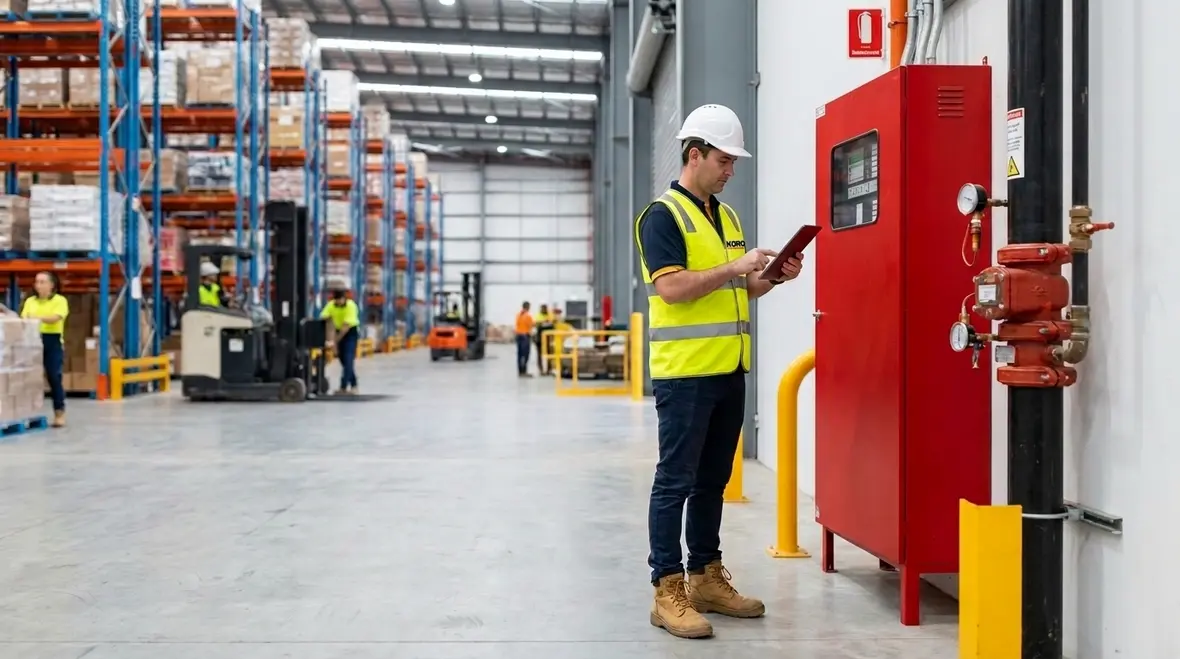
That is especially relevant on sites where layouts shift, equipment changes, or occupancy patterns evolve faster than the paperwork does. A system that looked perfect on a drawing can become far less effective once aisles move, machinery gets added, or tenant works start nibbling into protected space. Section 15.3 pushes against that drift by emphasizing evaluator capability, not just evaluator availability. In other words, not every clipboard belongs in the arena.
Why FDSDCE Evaluator Qualifications Matter
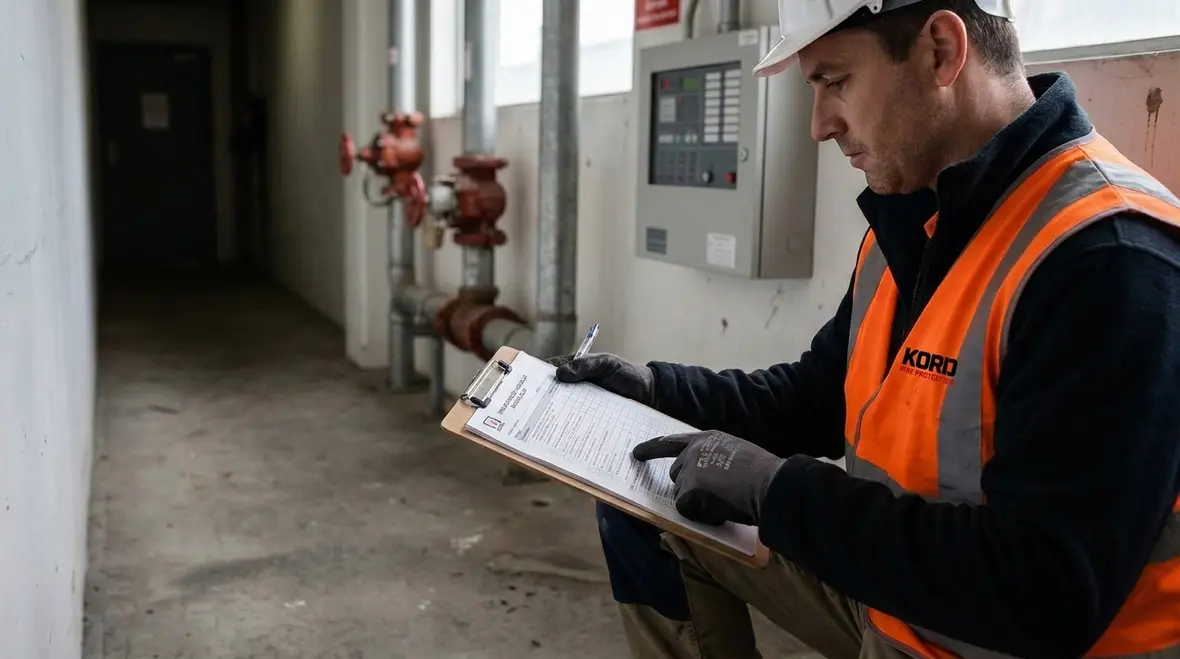
FDSDCE evaluator qualifications refer to the skills and knowledge needed to assess fire detection, suppression, and related life safety systems with accuracy. However, the value goes beyond paperwork. A qualified evaluator can identify poor device placement, missed maintenance, outdated equipment, and system faults that may not show up in a casual walk through.
For Australian facilities, this is especially important in spaces with high foot traffic, heavy machinery, storage risks, or mixed tenant use. In those settings, a qualified evaluator helps reduce downtime and improve compliance. Furthermore, the right qualification supports better decision making when a site needs upgrades, remediation, or a staged improvement plan.
A seasoned evaluator also brings context. They do not merely note that a device exists. They ask whether it is positioned where current hazards actually live, whether it remains accessible, and whether surrounding conditions have changed its effectiveness. Dust, vibration, heat, obstruction, and altered stock loads can all undermine system performance in ways that a simple checklist misses. That difference between looking and truly evaluating is exactly where qualifications start earning their lunch.
Training, Judgment, and Real Site Awareness
The strongest evaluator combines formal learning with real site awareness. Code familiarity matters, but so does practical judgment under messy conditions. Warehouses do not always stay neat, retail spaces are rarely frozen in time, and industrial areas tend to collect complexity the way hard hats collect scratches. A qualified reviewer understands how to connect technical rules with lived operating conditions, which makes their findings far more useful to site teams.
Fire Service Evaluator Credentials in Practice
Fire service evaluator credentials show that a person has the training and field background to judge fire safety systems against accepted standards. These credentials matter because fire systems often look simple from the outside, yet they rely on exact settings, spacing, access, and performance. One missed detail can turn a good system into an expensive headache.
Evaluators must understand how different systems behave in real conditions. For example, a warehouse with high racks will not face the same risks as a retail centre with open public access. Therefore, the evaluator must adjust the review to the site, not force the site to fit a generic checklist. That is where experience earns its keep.
Credentials also help create confidence between stakeholders. Owners, facility managers, contractors, and compliance teams all want to know that findings are grounded in expertise rather than guesswork with a branded pen. When reviews are performed by properly qualified people, recommendations become easier to trust, prioritize, budget, and act on. That can shorten the path from problem found to problem fixed, which is a lovely outcome for everyone except the defect.
How Concurrency Evaluation Qualifications Support Complex Sites
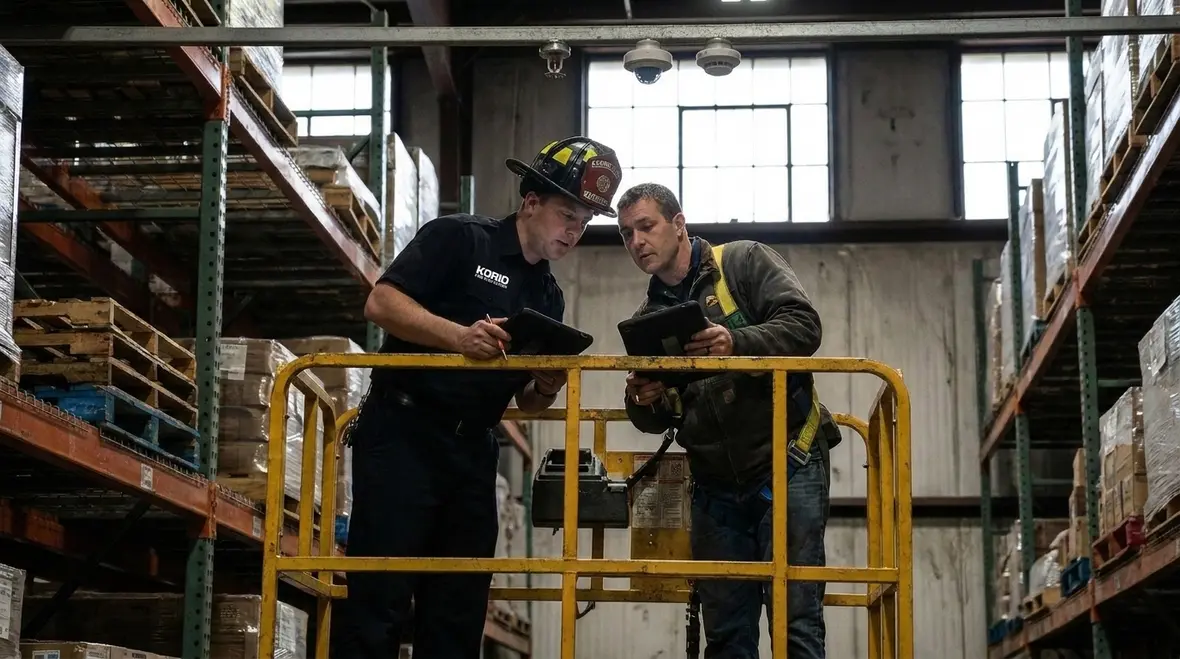
Concurrency evaluation qualifications matter when multiple systems, trades, or site conditions overlap. In large commercial and industrial settings, fire protection does not live alone. It shares space with electrical systems, HVAC work, production gear, tenant fitouts, and ongoing maintenance. As a result, the evaluator must understand how these pieces affect each other.
Here is a simple view of how this works:
Site Challenge
- Mixed tenant fitouts
- Heavy equipment areas
- Large storage zones
- Ongoing maintenance
Why Qualified Evaluation Helps
- Prevents conflicts between new works and existing systems
- Checks exposure to heat, dust, vibration, and access issues
- Confirms coverage stays effective as layouts change
- Reduces the chance of missed defects during active operations
In short, concurrency is where risk likes to hide. Fortunately, a qualified evaluator knows where to look, and more importantly, what questions to ask.
This kind of overlap becomes even more important during renovations, staged upgrades, and occupied works. New partitions may alter detection paths. Mechanical additions may change airflow. Storage growth may affect suppression performance. Access routes may become cluttered by temporary works that somehow become permanent because everyone got busy. Concurrency aware evaluation helps catch these interactions before they snowball into noncompliance or impaired protection.
When Overlap Creates Hidden Risk
The tricky part is that none of these issues usually announce themselves with dramatic music. They arrive quietly through accumulated changes. That is why concurrency evaluation qualifications matter so much on complex sites. The evaluator must be able to read the whole environment, not just one isolated component, and identify where one trade’s progress may become another system’s problem.
What a Qualified Evaluator Checks on Site
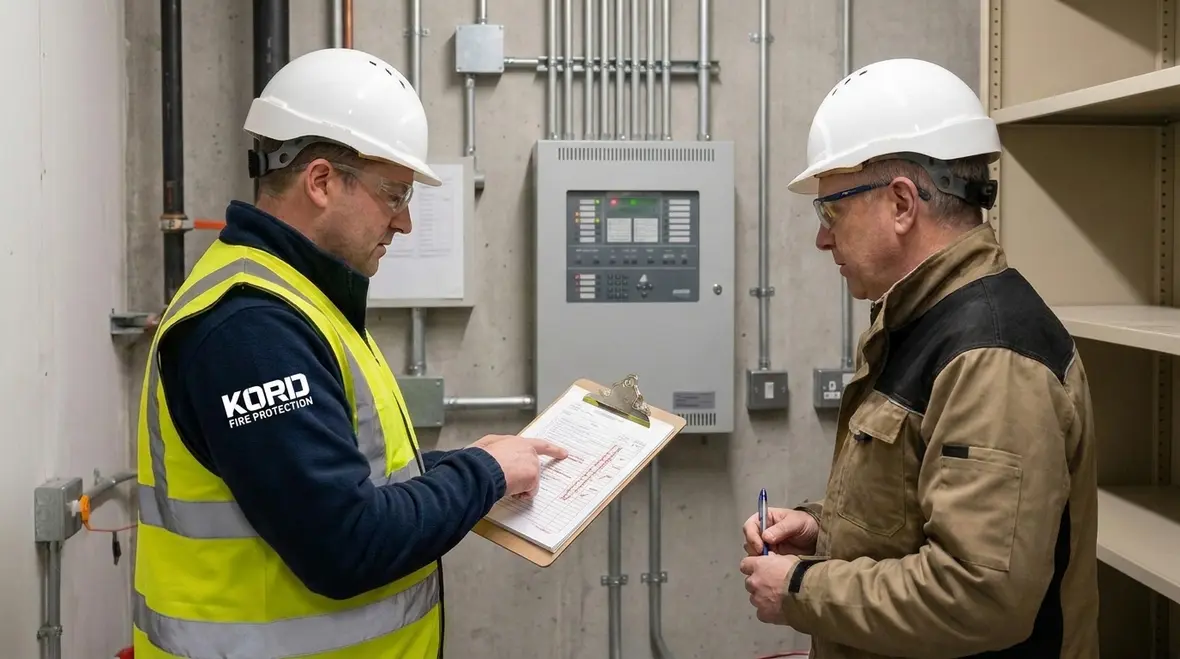
A proper evaluation does more than confirm that a system exists. It checks whether the system still works as intended under real conditions. Moreover, it reviews access, visibility, condition, documentation, and compatibility with the current use of the site.
Common points include:
- Device placement and coverage
- Alarm and detection performance
- Sprinkler and suppression system condition
- Clear access to critical equipment
- Maintenance records and fault history
- Changes in site layout or use
Each point matters because buildings change. A site that passed last year may now have new racking, new tenants, or new plant. Therefore, the evaluator must treat each review as current, not historical. Fire safety does not care what the site used to be.
Good evaluation also depends on documentation that makes sense to the people using it. Findings should be clear, prioritized, and tied to real actions. If a report reads like it was written by a smoke detector having a very confusing dream, it will not help much. Site teams need practical direction they can use to plan repairs, upgrades, maintenance, and follow up verification without turning every item into a decoding exercise.
How Kord Fire Protection Becomes a Vital Partner
Kord Fire Protection can become a vital partner by helping facilities meet evaluator expectations with practical support, technical knowledge, and clear service planning. Because NFPA 1 Section 15.3 relies on skilled judgment, businesses benefit from a partner that understands both the code and the real world of busy sites.
Kord Fire Protection can support audits, evaluations, corrective actions, and ongoing compliance planning. Furthermore, its role can help site teams close gaps faster, reduce repeat issues, and keep operations moving. That matters in Australia, where industrial and commercial sites often run on tight schedules and tighter margins. Nobody wants a fire safety issue showing up like an uninvited sequel.
By working with Kord Fire Protection, facilities can build a more stable compliance process. In addition, they gain a partner that can help translate technical findings into plain action. That saves time, supports better risk control, and makes the next inspection a lot less dramatic.
That support becomes even stronger when it fits into a broader knowledge base. For readers who want more context on fire prevention strategy, NFPA 1: A Comprehensive Guide to Fire Prevention and Safety helps connect this section to the bigger compliance picture. It is a useful reminder that evaluator qualifications are not a side issue. They are part of how strong fire protection programs stay strong.
Kord Fire Protection’s wider service perspective also matters because evaluation rarely ends with a report. Sites often need follow up testing, system changes, maintenance coordination, or staged improvements after findings are documented. Having a practical partner involved helps turn recommendations into action rather than letting them age gracefully in an inbox.
FAQ
Final Word for Australian Facilities
NFPA 1 Section 15.3 is not just a rule. It is a safeguard for sites that cannot afford guesswork. When facilities choose qualified evaluators, they strengthen compliance and reduce risk. For industrial, retail, and commercial operators across Australia, Kord Fire Protection can be a smart partner in that process.
The safer the system, the smoother the operation. Simple, solid, and worth doing right. And when the right evaluator is involved from the start, facilities are far more likely to catch issues early, plan fixes clearly, and keep protection aligned with the way the site actually works.

Join Our Newsletter!
Get the latest fire safety tips delivered straight to your inbox From our Newsletter.