NFPA 1 Section 15.2 Fire Service Level Objectives Explained
Quick Answer: NFPA 1 Section 15.2 sets clear level of service objectives for fire and emergency response. In plain terms, it helps facilities know what “good service” looks like, from response times to readiness. For industrial, retail, commercial, and facility teams across Australia, Kord Fire Protection can help turn those standards into practical, reliable action.
NFPA 1 Section 15.2 matters because fire service level objectives, response time goals NFPA, and fire department service standards shape how fast and how well a fire service responds when seconds count. For industrial sites, retail hubs, commercial towers, and complex facilities across Australia, these standards are not just paperwork. They guide risk control, planning, and performance. And while the rules set the target, a capable partner helps reach it without the drama. Nobody wants a fire plan that looks great in a folder and fails in the real world.
If your site is already reviewing broader compliance needs, Kord Fire Protection’s full fire protection services fit naturally into this conversation by connecting inspections, maintenance, alarms, sprinklers, and readiness planning into one practical approach. And if you want wider context around code-driven prevention, their guide to NFPA 1 fire prevention and safety helps frame where Section 15.2 sits in the bigger picture.
What NFPA 1 Section 15.2 Means for Service Levels
NFPA 1 Section 15.2 focuses on the level of service a fire department should provide. It helps define what the community or service area can expect, such as response speed, staffing readiness, equipment access, and service consistency. In simple terms, it answers a very serious question: how prepared is the system when trouble arrives?
This matters to facility operators because service levels affect risk. If a site sits in a dense commercial zone, a logistics hub, or a large industrial estate, then delays can raise the chance of loss, injury, and shutdown. Therefore, the standard gives owners and managers a useful benchmark. It creates a shared language between fire services, site leaders, and protection providers.
Why this is more than a paperwork exercise
A service objective sounds formal, but the real value is practical. It tells facilities what kind of response environment they are working with and what assumptions they should not make. If the responding agency has defined goals for turnout, travel, staffing, and operational readiness, a site can build its own emergency procedures around those realities instead of wishful thinking. That is a much safer basis for planning than crossing fingers and hoping the nearest truck appears like magic.
Fire Service Level Objectives in Real Facilities
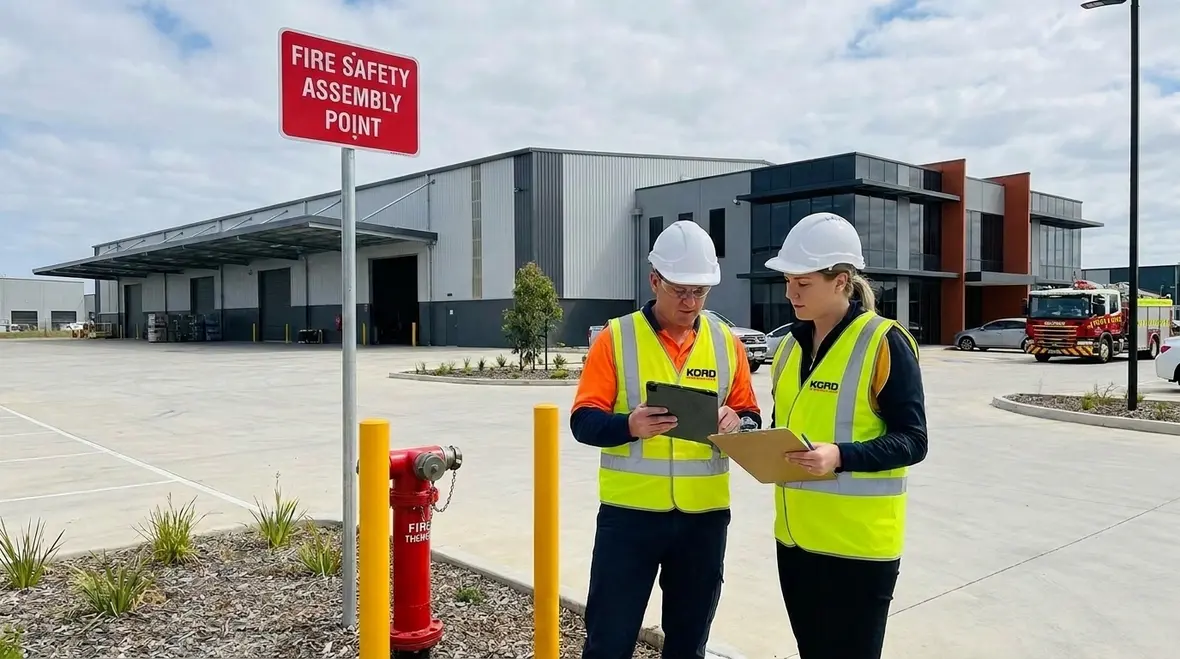
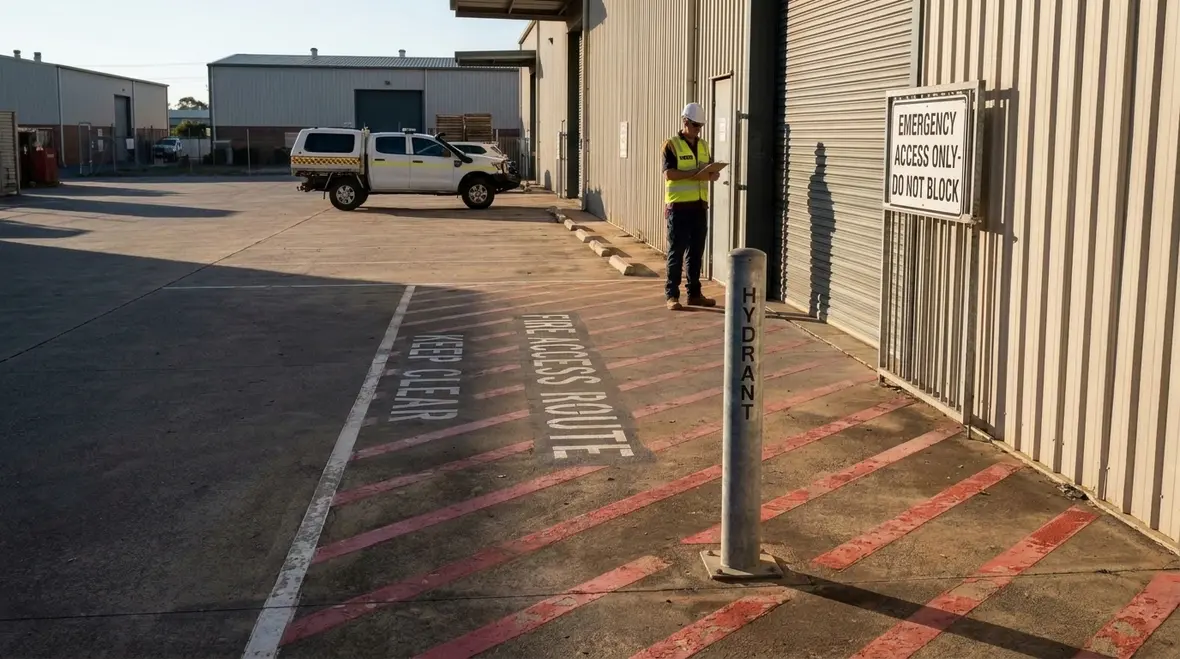
Fire service level objectives are not abstract theory. They shape day to day planning. For a warehouse, this may affect access routes, hydrant visibility, and emergency call flow. For a retail centre, it may affect alarm response, evacuation planning, and tenant coordination. For a commercial office, it may influence compliance checks, system upkeep, and site drills.
Also, these objectives help facilities ask better questions. For example, does the site support fast access for crews? Are fire systems maintained to match the expected service level? Can staff act early while emergency teams are on the way? These questions matter because a strong response starts before the first appliance arrives. It is a bit like chess, only with higher stakes and far less applause.
Examples by property type
An industrial plant may need especially disciplined access control around gates, laydown areas, and vehicle movements so crews are not slowed by site congestion. A shopping centre may need stronger tenant communication and evacuation coordination because public movement adds complexity fast. A commercial office may rely heavily on alarm performance, record keeping, and drill discipline because a smooth first few minutes can make the difference between a controlled incident and a long afternoon nobody wanted.
How Response Time Goals NFPA Shape Planning
Response time goals NFPA do more than set a clock. They help leaders understand whether a site can survive the time between ignition and arrival. That gap can decide the outcome. As a result, fire planning must account for travel access, on site detection, alarm performance, and crew readiness.
For multi site operators across Australia, the lesson is clear. Different locations face different risks. A distribution centre in one region may need another level of planning than a shopping precinct in another. Therefore, service standards should match the property type, occupancy load, site layout, and local response capability.
What to review before the emergency happens
- Detection speed and alarm transmission reliability
- Vehicle access, gate control, and wayfinding for responding crews
- Hydrant, hose reel, sprinkler, and suppression system condition
- Staff training for first actions before fire services arrive
- Site-specific risks such as storage density, process heat, or high occupant load
Fire Department Service Standards and Facility Duty
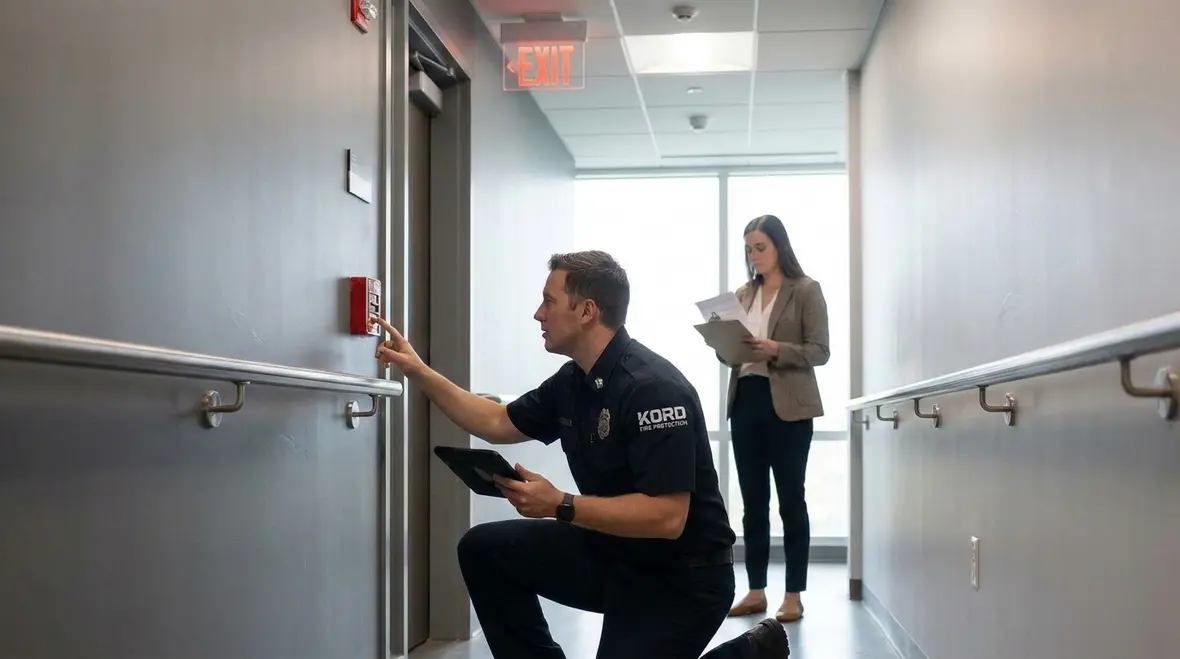
Fire department service standards do not sit in isolation. They connect with the duty of the facility owner, manager, and maintenance team. When a site understands the expected service level, it can align its own systems to support it. That includes fire alarms, suppression systems, evacuation routes, signage, hose reels, hydrants, and inspection schedules.
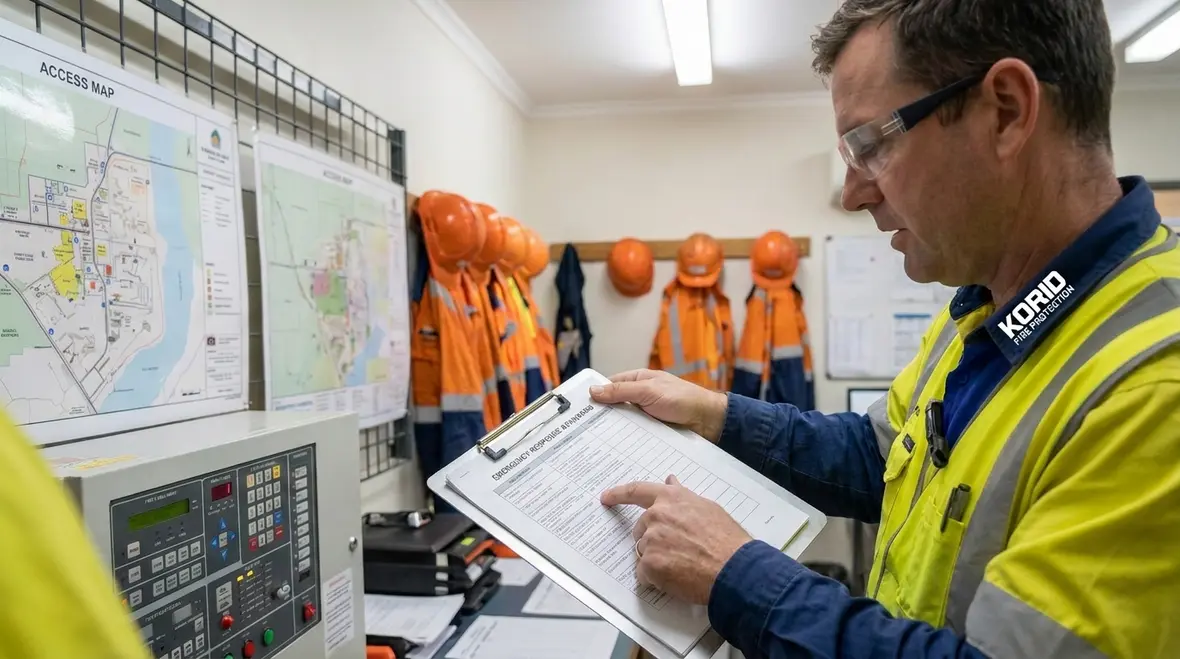
In practice, a business should treat these standards as part of everyday operational control. If a service standard expects quick access and reliable system function, then the site must remove barriers, fix faults fast, and keep records current. This is where many businesses save themselves later pain. As the old saying goes, the best fire drill is the one that never has to become a real fire story.
Where Kord Fire Protection fits in
Kord Fire Protection can become a vital partner by helping facilities close the gap between standard and reality. While NFPA 1 Section 15.2 defines the service target, Kord Fire Protection can support the work that makes those targets easier to meet. That support may include inspections, maintenance, compliance guidance, system upgrades, and practical advice for site readiness.
For industrial, retail, and commercial clients, this kind of partner brings value in two ways. First, it reduces uncertainty. Second, it helps teams act before small issues become larger ones. A blocked access path, a faulty device, or a missed inspection may seem small until it is not. Kord Fire Protection helps keep those small issues from becoming expensive headlines.
Service Standards by Site Type
| Site Type | What the Service Objective Often Means |
| Industrial facilities | Fast access, strong suppression systems, clear routes, and reliable maintenance |
| Retail centres | Quick alarm response, safe evacuation, tenant coordination, and public safety |
| Commercial offices | System uptime, good records, staff readiness, and clear emergency plans |
| Warehouses and logistics sites | Open access, early detection, storage risk control, and inspection discipline |
This table shows a simple truth. Different properties need different planning. However, all of them need service standards that support rapid action and dependable protection.
How Facilities Can Stay Aligned
Facilities stay aligned when they treat service objectives as part of risk management, not as a once a year compliance chore. They should review site layouts, test fire systems, train staff, and keep maintenance current. Moreover, they should work with a protection partner that understands both the standard and the site.
That partnership matters because facilities change. Tenants move. Equipment shifts. Storage loads grow. A plan that worked last year may need a tune up now. Therefore, regular review keeps the site ready and the fire department supported. In other words, the standard stays useful only when the property keeps pace.
A sensible review rhythm
The smartest sites build service objectives into routine operations. They review access after layout changes, revisit emergency contacts when tenants or contractors change, test notification paths, and keep maintenance evidence easy to find. None of that is glamorous, but neither is explaining to leadership why a known issue stayed known for six months. Quiet competence is underrated. In fire protection, it is also very profitable compared with chaos.
FAQ: NFPA 1 Section 15.2 and Fire Service Objectives
Conclusion
NFPA 1 Section 15.2 gives facilities a clear view of expected service levels, and that clarity matters when every second counts. For businesses across Australia, Kord Fire Protection can help turn fire service level objectives into workable protection.
Speak with Kord Fire Protection to strengthen compliance, improve readiness, and build a safer, more dependable fire protection plan today. The goal is simple: fewer surprises, faster action, and a site that performs better when pressure is highest.

Join Our Newsletter!
Get the latest fire safety tips delivered straight to your inbox From our Newsletter.