NFPA 1 Section 11.8 Smoke Control System Requirements
Quick Answer
NFPA 1 Section 11.8 sets the rules for smoke control systems in buildings that need safe escape routes and better fire response. It guides design, testing, and upkeep for systems tied to pressurization smoke control and NFPA smoke management. For industrial, retail, and commercial sites, Kord Fire Protection can help deliver compliant, practical results.
If your building team is already reviewing broader life safety needs, it also helps to look at Kord Fire Protection’s full fire protection services near the start of planning. Smoke control rarely lives alone. It usually shares the stage with alarms, suppression, inspections, and ongoing service support, so a coordinated approach saves headaches later.
NFPA 1 Section 11.8 matters because smoke moves faster than most people do when the alarm sounds. In a fire, it can block exits, damage equipment, and turn a clear path into a maze. That is where the smoke control system fire code comes in, along with pressurization smoke control and NFPA smoke management. These rules help buildings keep smoke in check, protect occupants, and support firefighters. For industrial plants, retail centres, warehouses, and commercial facilities, the right system is not just a box tick. It is part of life safety, business continuity, and calm under pressure.
What NFPA 1 Section 11.8 Covers
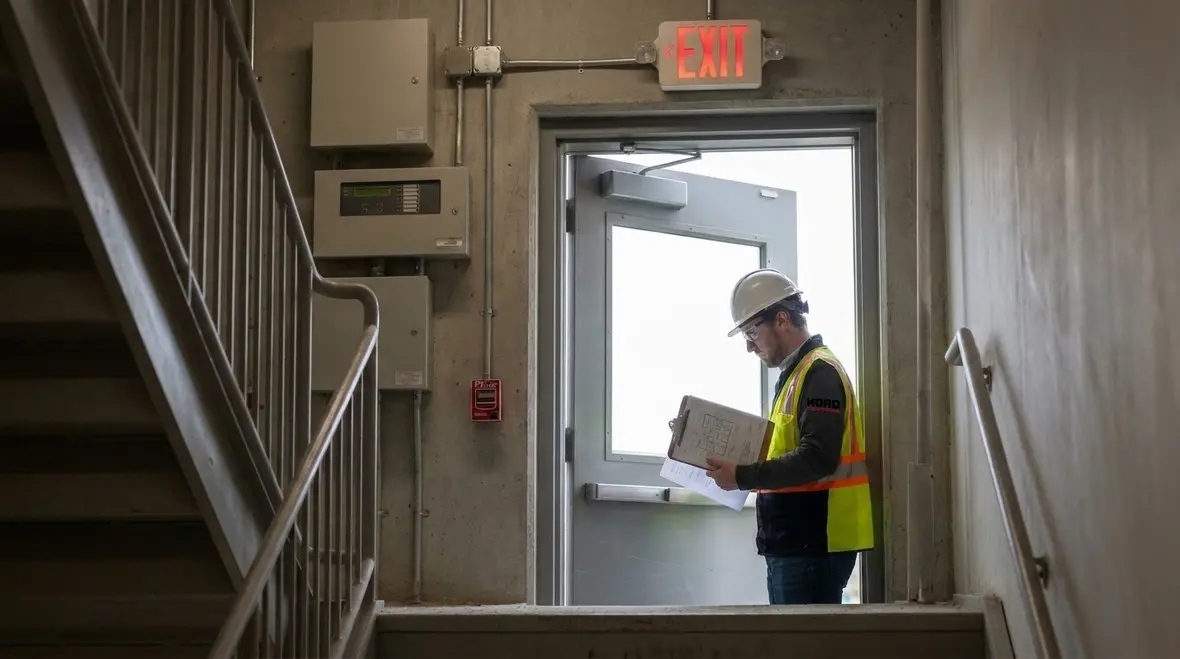
NFPA 1 Section 11.8 focuses on smoke control system requirements for buildings that need active smoke handling. In simple terms, it tells owners and designers how to keep smoke from spreading where people need to move, work, or respond. It supports safe evacuation, protects critical areas, and gives fire crews a better chance to do their job.
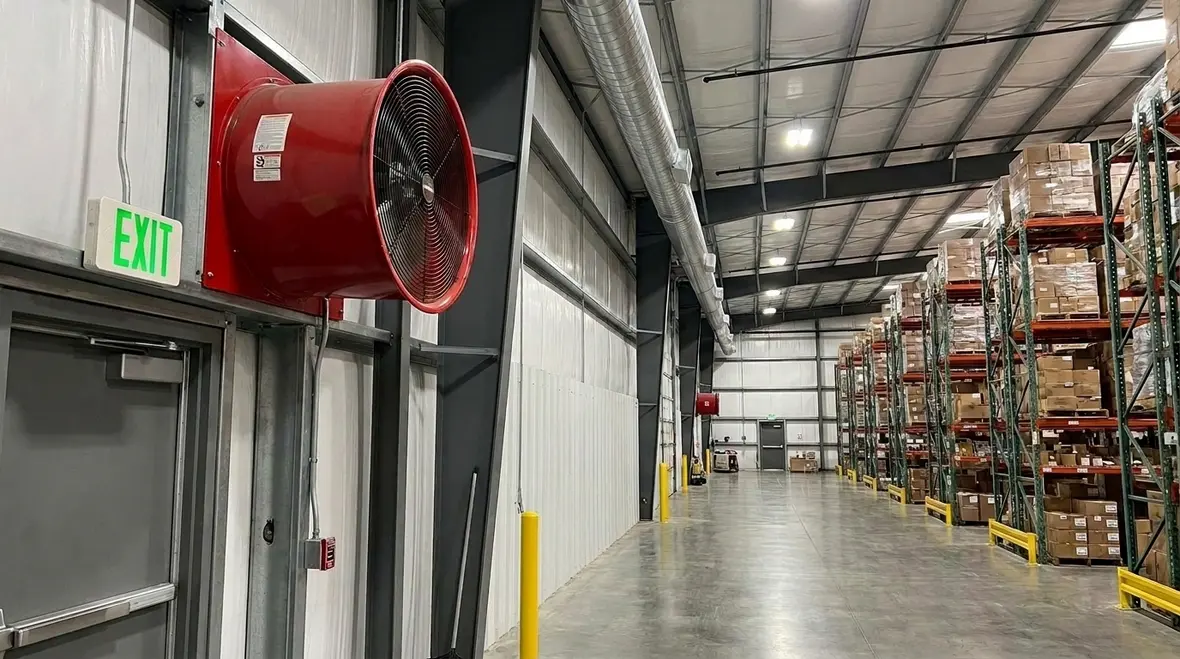
These systems often include mechanical fans, dampers, controls, and air balance features. As a result, smoke can be pushed, held, or exhausted in a planned way. That sounds technical, and it is, but the goal stays simple. Keep the air clearer where it matters most. No one wants a building to turn into a smoke filled episode of a bad action movie.
Why this section matters in real buildings
The practical value of Section 11.8 shows up when building use gets complicated. A warehouse with high storage, a shopping centre with long travel paths, or a multi tenant commercial property with enclosed stairs all face the same truth. Smoke will find the path of least resistance unless the building gives it a different assignment. A proper smoke control strategy helps direct that movement, instead of letting chaos make the decisions.
Owners also benefit because smoke management is not only about evacuation. It can reduce damage spread, protect mission critical spaces, and support a more orderly emergency response. In other words, it helps people leave, helps crews enter, and helps operations avoid turning one fire event into a full business soap opera.
How Smoke Control Systems Work in Commercial Buildings
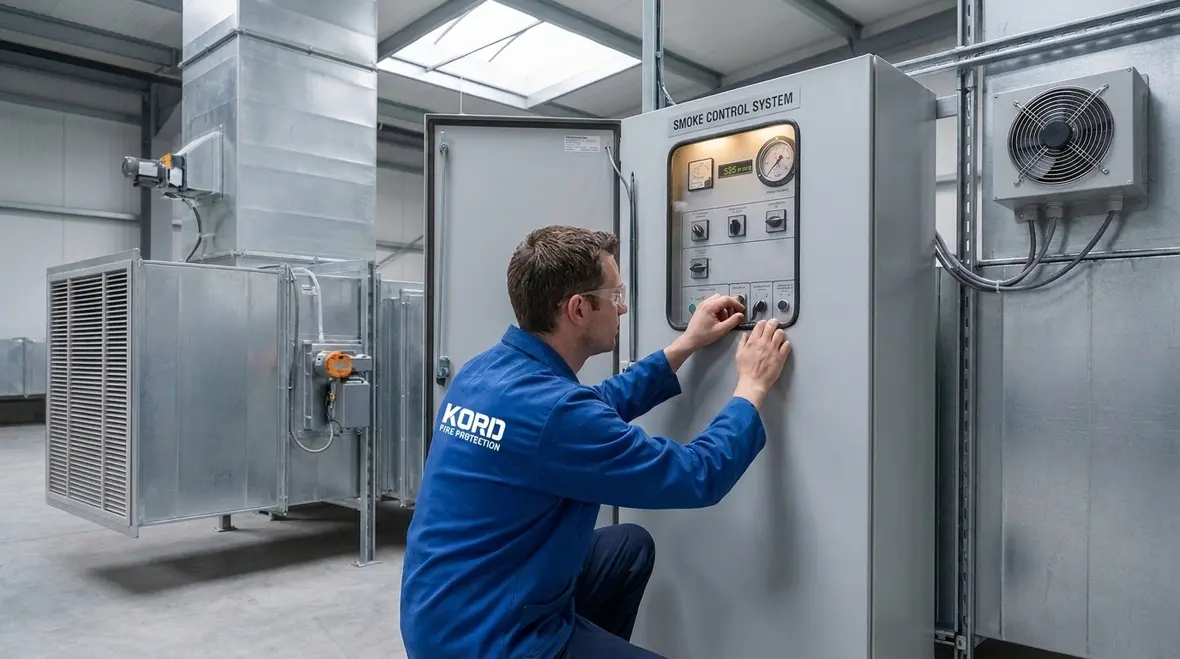
Smoke control systems use pressure, airflow, and compartment design to manage smoke movement. In many projects, pressurization smoke control plays a major role. This method creates higher pressure in stairwells, exit corridors, or other protected spaces so smoke stays out. Meanwhile, smoke exhaust systems remove hot gases from the fire area or common zones.
Because these systems rely on coordination, every part must work as one. If one piece fails, performance can drop fast. That is why design and testing matter as much as the hardware itself.
Core components and what they do
| Component | What it does |
|---|---|
| Fans | Move air and smoke through the building |
| Dampers | Open or close to direct airflow |
| Sensors | Detect smoke, heat, or pressure changes |
| Controls | Start and coordinate the full system |
| Power backup | Keeps the system running during an outage |
The list looks neat on paper, but the real trick is integration. Fans need correct sequencing. Dampers must react on cue. Sensors have to detect the right conditions. Controls need to tell the truth quickly, not eventually. Backup power must show up like a reliable friend, not like someone who texts “on my way” while still at home.
That is why commissioning matters so much. A smoke control system can have impressive equipment and still underperform if field conditions, airflow balance, or control logic do not match the design intent. Buildings are wonderfully talented at exposing weak assumptions.
Why Pressurization Smoke Control Matters
Pressurization smoke control protects escape routes by keeping cleaner air in stairwells and other safe zones. This becomes especially important in multi level commercial buildings, warehouses with enclosed access points, and large retail sites with complex floor plans. When smoke cannot enter these protected spaces, people can move out more safely and fire crews can enter with better visibility.
In practice, this means the system must balance air pressure without making doors too hard to open. That balance is a quiet hero. Too little pressure and smoke sneaks in. Too much pressure and doors become stubborn, like a toddler refusing bedtime. The right setup needs exact design, then proper testing in the real building conditions.
Common issues owners should watch for
Pressurization problems often come from details that seem small until they are not. A stuck damper, a drifted setpoint, a door gap that changed during renovations, or a fan sequence that no longer matches the building layout can all reduce performance. Even occupancy changes matter. A space converted from one use to another may change how air moves, how doors are used, and what level of protection is needed.
This is where routine review pays off. Owners should not assume a system that passed once will always pass forever. Buildings evolve, tenants change, and maintenance gaps have a way of sneaking in when nobody is looking. Smoke control is less “set it and forget it” and more “check it before it starts acting like a diva.”
NFPA Smoke Management for Industrial, Retail, and Commercial Sites
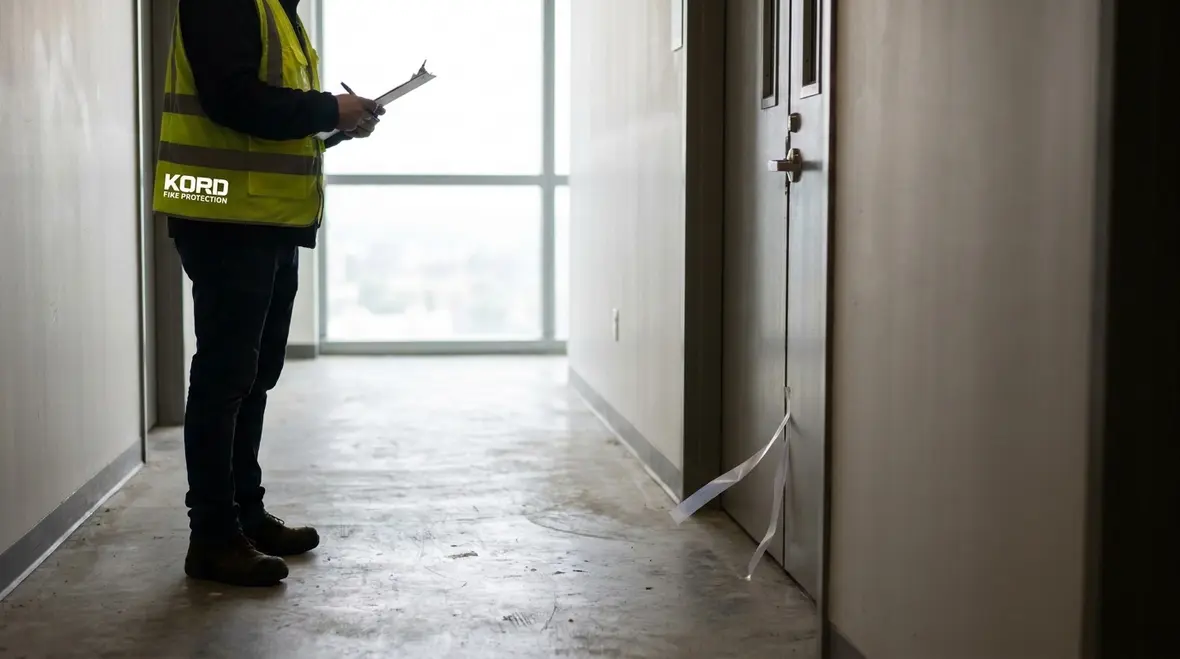
NFPA smoke management helps facilities reduce risk in spaces where people, stock, and equipment all matter at once. Industrial sites often deal with larger open areas, machinery, and high value assets. Retail and commercial buildings may face heavy public traffic, varied layouts, and long evacuation paths. Each setting brings its own smoke control needs.
For facilities, this means smoke systems should match the building use, occupancy, and fire plan. They must also align with local code expectations and project goals. A one size fits all approach rarely works. Buildings are too different, and smoke is not known for playing fair.
Why tailored planning beats generic design
A good smoke management approach starts with the real building, not a recycled template. Owners should consider how people move, where products are stored, what spaces need continued access during a response, and how other systems interact with smoke control. This includes alarms, suppression systems, emergency power, and inspection workflows. Kord Fire Protection’s article on NFPA 1: A Comprehensive Guide to Fire Prevention and Safety also gives helpful context on how broader code requirements support practical fire safety planning.
When those layers are planned together, the result is a system that is easier to test, easier to maintain, and more likely to perform when conditions get ugly. That is the difference between a coordinated life safety strategy and a pile of expensive equipment hoping for the best.
How Kord Fire Protection Supports Compliance and Performance
Kord Fire Protection can become a vital partner for smoke control system work because this job needs more than parts and drawings. It needs experience, clear coordination, and a practical eye for compliance. Kord Fire Protection can assist with system planning, installation support, testing, and ongoing maintenance so the smoke control system fire code requirements are met with confidence.
That support matters because smoke control systems must work during the worst possible moment, not just look good on paper. Kord Fire Protection helps facilities reduce gaps between design intent and real world performance. Moreover, for busy industrial and commercial operators, that means less guesswork, fewer delays, and a stronger safety outcome.
What strong support looks like
In real projects, strong support usually means better communication between trades, clearer documentation, more disciplined testing, and fewer nasty surprises near handover. It also means someone is tracking whether the system still fits the building after changes in layout, occupancy, or operations. That kind of attention is not glamorous, but neither is explaining to an inspector why the system logic now resembles interpretive dance.
For owners, the goal is simple. Work with people who understand that life safety systems do not get judged by good intentions. They get judged by whether they perform when smoke, pressure, alarms, and human stress all show up at once.
What Owners Should Check Before Signing Off
Before approving any smoke control project, owners and facility managers should ask a few direct questions. Is the system designed for the actual use of the building? Has pressurization smoke control been tested under realistic conditions? Are controls, power supply, and alarms linked properly? Has the system been documented for future inspections?
In addition, owners should confirm that maintenance plans exist. Smoke control systems age, just like everything else that works hard. Fans wear down, dampers stick, and settings drift. Regular checks keep the system ready, rather than hoping it remembers its lines on opening night.
A simple pre sign-off checklist
- Confirm the smoke control strategy matches the building’s current use
- Review test records and commissioning results
- Verify stairwell and corridor pressurization performance where required
- Check that alarms, controls, and backup power operate together correctly
- Make sure documentation is complete for future service and inspections
- Set a maintenance schedule before the project fades into memory
That last point matters more than it sounds. If a system is signed off without a realistic service plan, the building may slowly drift away from compliance while everyone assumes someone else is on it. That is a classic facilities plot twist, and not a fun one.
FAQ
Conclusion
NFPA 1 Section 11.8 gives building owners a clear path to better smoke safety. For industrial, retail, and commercial sites, the right smoke control system protects people, property, and operations. It also supports safer evacuation routes, clearer emergency response, and stronger confidence that the system will perform when it is supposed to, not just when somebody is watching.
Kord Fire Protection can help make that happen with practical service and steady support. From planning and testing to maintenance and broader system coordination, the goal is compliance without chaos. For facilities that want better smoke control without the drama, now is the time to act.

Join Our Newsletter!
Get the latest fire safety tips delivered straight to your inbox From our Newsletter.