NFPA 1 Section 11.11 Medical Gas and Vacuum Fire Safety
Quick Answer: NFPA 1 Section 11.11 sets the fire safety rules for medical gas and vacuum systems in healthcare spaces. It helps reduce ignition risks, protect patients, and keep critical systems ready when needed. For Australian facilities, strong planning, testing, and maintenance matter. Kord Fire Protection can help keep these systems safe, compliant, and dependable.
In healthcare and specialist facilities, medical gas fire safety, medical vacuum fire code, and healthcare gas system fire protection are not background details. They are part of the life support story. NFPA 1 Section 11.11 gives clear direction on how to reduce fire risk around medical gas and vacuum systems, especially where oxygen, suction, and other critical services run through walls, ceilings, and service areas. In plain terms, it helps stop a small spark from becoming a very bad day.
For facilities reviewing broader healthcare fire protection strategy, it also helps to connect this topic with a reliable fire suppression system service approach that supports inspection, maintenance, and compliance focused planning. And when the job gets technical, Kord Fire Protection can become a vital partner by supporting fire safety planning, system protection, and compliance focused service.
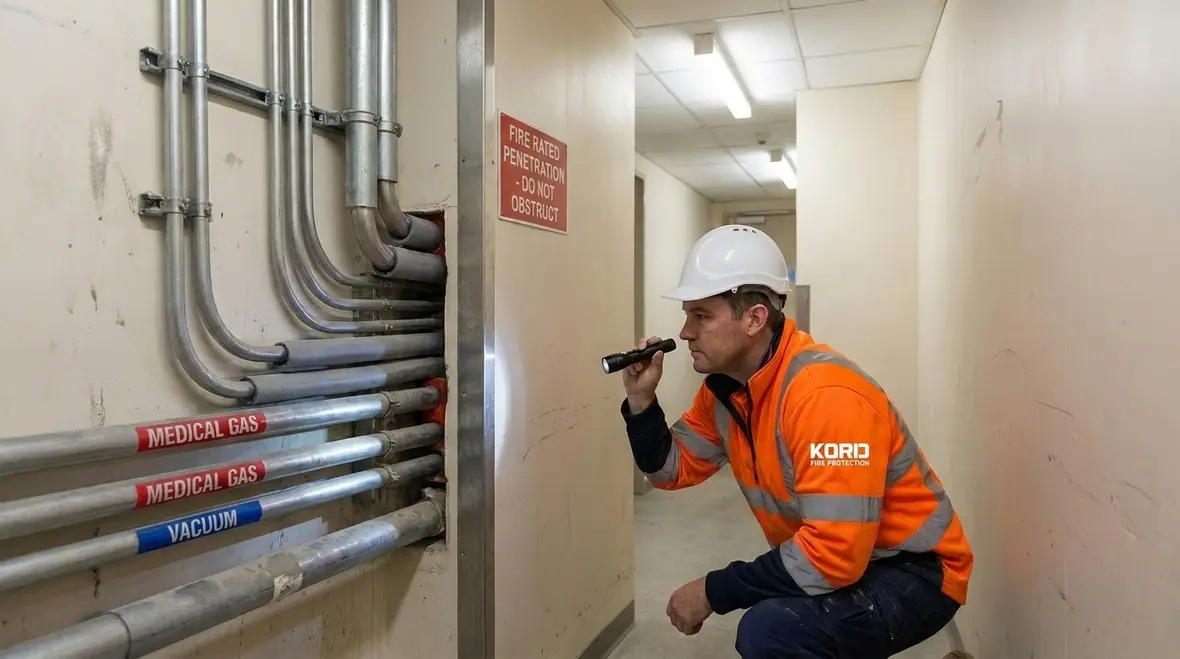
What NFPA 1 Section 11.11 Covers in Practical Terms
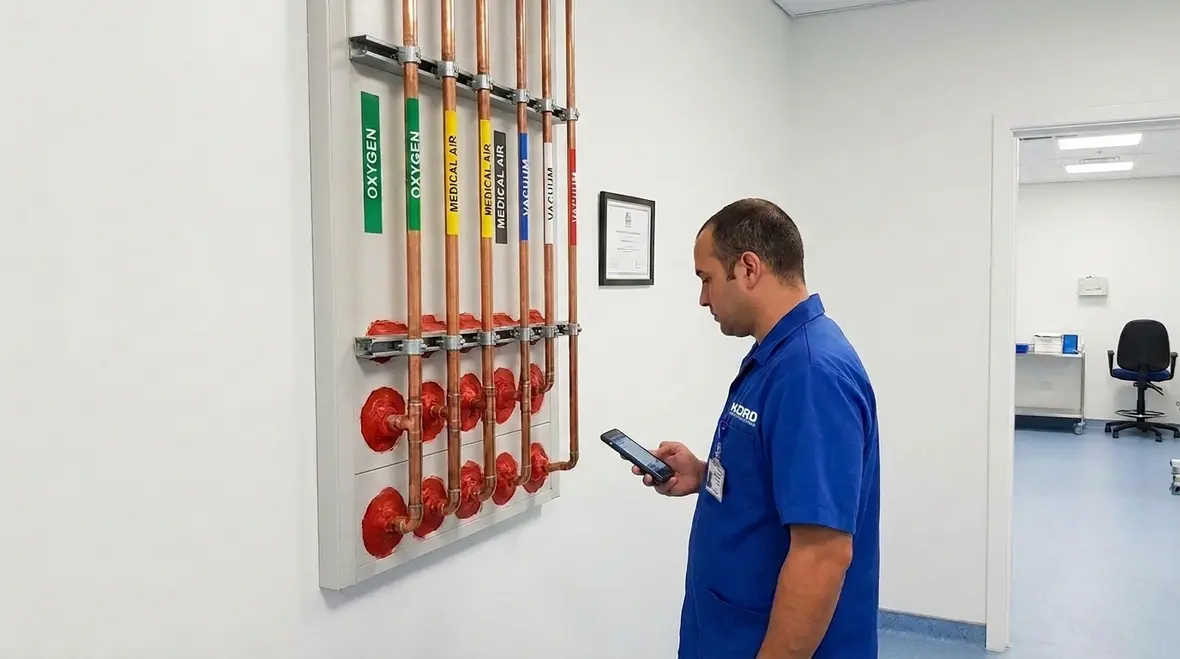
NFPA 1 Section 11.11 focuses on the fire safety side of medical gas and vacuum systems. These systems move oxygen, medical air, nitrous oxide, and vacuum services through a building. Since oxygen rich areas can help fire spread faster, the standard pushes owners and facility teams to control hazards before they grow legs and run.
The section looks at where systems are installed, how they are protected, and how work around them should be managed. It also supports safe access, proper labeling, and maintenance that does not weaken fire barriers or create hidden risks. Therefore, the section is not only about the pipework. It is about the whole environment around it.
Why the surrounding environment matters just as much as the pipe
That broader view is where many facilities either get sharp or get sloppy. A medical gas line can be installed correctly, but if nearby penetrations are left unsealed, access panels are poorly managed, or later contractor work damages a fire rated assembly, the protection story falls apart. The pipe may be innocent, but the surroundings can still cause trouble. Fire safety has a way of exposing the weak links nobody wanted to talk about during the last maintenance meeting.
Why Medical Gas Fire Safety Matters for Healthcare Sites
Medical gas systems support patient care, but they also raise the stakes during a fire. Oxygen can make flames spread faster, while poor maintenance can create leaks, damage, or unsafe work conditions. As a result, fire safety teams must treat these systems with care, especially in hospitals, day surgery centers, aged care facilities, labs, and large medical precincts.
Good medical gas fire safety starts with the basics. Staff need clear labeling, safe isolation points, and regular checks. In addition, any repair or upgrade must keep fire rated walls, seals, and penetrations intact. That is where many problems start. A wall opening that looks tiny can still be a major weak point. Fire does not care if the hole is “just this little.” Fire is not sentimental.
The hidden risk in routine work
Routine work is often where preventable risk sneaks in wearing a hard hat and carrying a work order. A valve replacement, ceiling access, pipe adjustment, or cable reroute can affect a nearby gas line or compromise a fire barrier if nobody checks the full area properly. Healthcare spaces run on coordination, which means trades, facility teams, and fire protection professionals all need the same map and the same expectations.
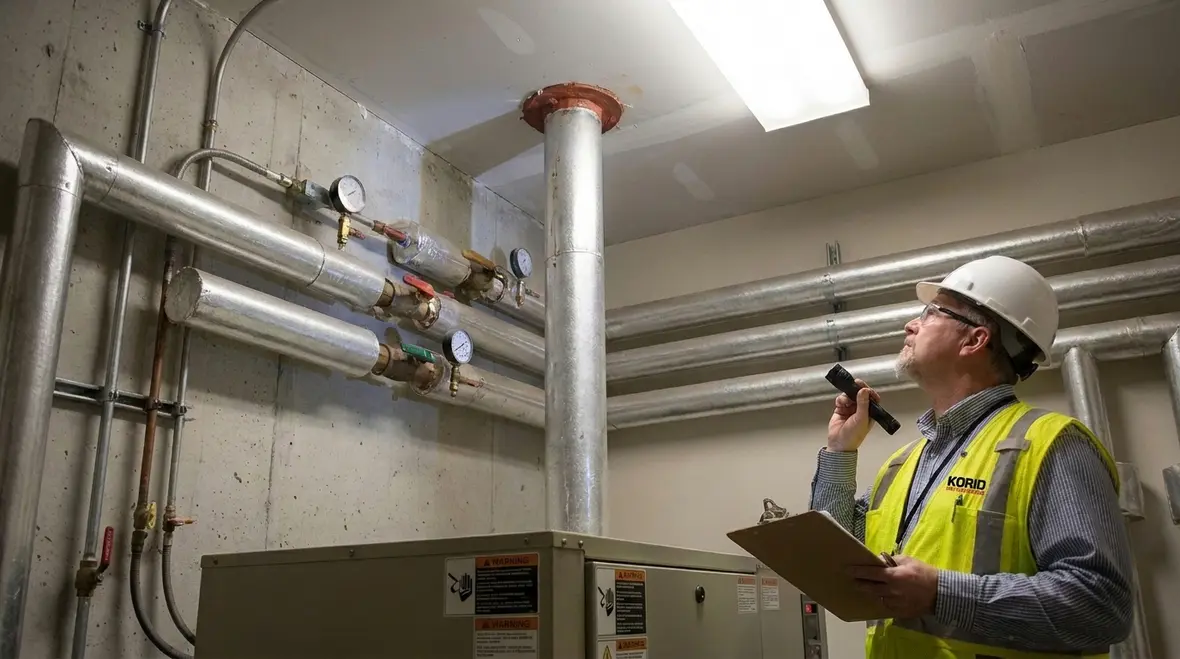
How Medical Vacuum Fire Code Requirements Support Safe Operations
The medical vacuum fire code side of the rule matters because vacuum systems often run close to other services and need proper protection during installation and service work. If a line fails or a fire barrier gets damaged, the result can affect patient care and building safety at the same time.
Facilities should make sure vacuum piping, valves, and support systems do not pass through fire rated areas in a way that reduces protection. Moreover, maintenance teams should coordinate shutdowns and repairs with the fire safety plan. That means better planning, better communication, and fewer surprises. Nobody wants a surprise in a critical care area, unless it is a surprise coffee run.
Coordination beats last minute improvisation
Vacuum systems may not sound dramatic, but they support essential clinical functions, which means disruption can get serious quickly. That is why safe operations depend on documented shutdown procedures, isolation planning, contractor controls, and careful review of adjacent fire protection features. A team that plans ahead looks efficient. A team that improvises beside a critical line looks like the opening scene of a compliance headache.
Healthcare Gas System Fire Protection: What Facilities Should Check
Healthcare gas system fire protection works best when the site team checks more than one thing at once. The fire risk is not only in the gas itself. It is also in the rooms, shafts, penetrations, access panels, and work methods around it. Therefore, a proper review should cover the following:
- Fire rated wall and ceiling integrity around medical gas and vacuum pipework
- Proper sealing of penetrations with approved fire stopping systems
- Clear identification of shutoff valves and control points
- Routine inspection of alarm interfaces and emergency shut down functions
- Safe contractor access and permit control for hot work or service work
In addition, facilities should keep records that show inspections, repairs, and changes. Good paperwork may not stop a fire, but it can help stop confusion, and confusion has a habit of showing up uninvited.
Teams that want a broader prevention lens may also find it useful to review NFPA 1: A Comprehensive Guide to Fire Prevention and Safety as a supporting resource for how code principles connect to practical building protection and compliance thinking.
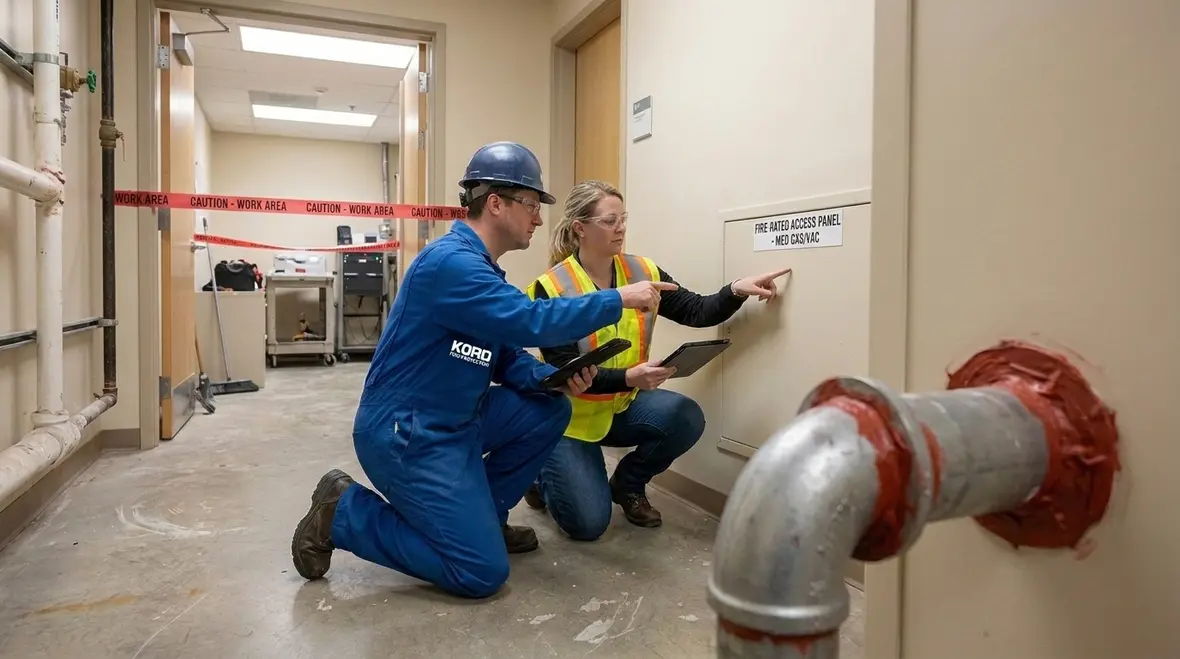
How Kord Fire Protection Can Support Compliance and Risk Control
Kord Fire Protection can become a vital partner in this work because it understands that fire safety in healthcare spaces must be accurate, practical, and dependable. The job is not just about ticking a box. It is about protecting people, equipment, and the continuity of care.
| Facility Need | How Kord Fire Protection Helps |
|---|---|
| Fire barrier protection around medical gas lines | Supports inspection and fire stopping solutions that help maintain rated construction |
| Compliance planning | Helps teams understand fire safety duties and reduce gaps in service records |
| Maintenance coordination | Assists with safer scheduling so critical systems stay protected during works |
| Risk reduction | Identifies weak points before they become expensive problems |
Because facilities across Australia face different building layouts, service loads, and compliance pressures, a partner like Kord Fire Protection adds real value. It brings practical support, not just theory. And when the system is complex, practical support is worth its weight in gold, or at least in very expensive copper and valves.
What good support actually looks like
Good support is not vague advice and a disappearing act. It means clear site reviews, better documentation habits, practical recommendations, coordinated service timing, and follow through when issues are found. In healthcare settings, that kind of support matters because every unresolved weakness can affect both life safety and continuity of care. In other words, small details in plant spaces can create very large conversations later.
What Australian Facilities Should Do Next
Australian healthcare and commercial sites should compare their current systems against NFPA 1 Section 11.11 principles, along with local fire safety duties and building rules. Then, they should review fire stopping, system access, documentation, and maintenance practices. After that, they should close any gaps before an audit, project, or emergency forces the issue.
In many cases, the fastest path to better protection starts with a site review. That review can show where medical gas systems, vacuum lines, and fire rated building elements need attention. As a result, the site can move from “we think it is fine” to “we know it is covered.” That is a much better place to live, at least if one enjoys fewer emergencies.
FAQ
Final Thought and Next Step
NFPA 1 Section 11.11 gives facilities a clear path to safer medical gas and vacuum system protection. For sites that want stronger compliance, better fire safety, and less risk during maintenance or upgrades, Kord Fire Protection can help guide the process.
The smartest move is simple: review the system, fix the weak points, and keep care spaces ready for the work they were built to do. That is not flashy advice, but in fire safety, flashy is usually what happened right before the incident report.

Join Our Newsletter!
Get the latest fire safety tips delivered straight to your inbox From our Newsletter.