NFPA 1 Section 10.8 and Fire Equipment Tampering
Quick Answer: NFPA 1 Section 10.8 makes it clear that tampering with fire safety equipment is not a small mistake. It can put people, property, and business operations at risk. For industrial, retail, and commercial sites, strong fire protection equipment protection, regular checks, and a trusted partner like Kord Fire Protection help keep systems ready, compliant, and reliable.
In the world of fire equipment tampering violations, there is very little room for casual mistakes. NFPA fire safety tampering can take many forms, from blocked extinguishers to disabled alarms, and each one can turn a manageable risk into a costly event. For industrial, retail, and commercial sites, fire protection equipment protection is not just a box to tick. It is a serious duty, and one that deserves steady attention from trained professionals.
That is exactly where a practical service partner fits in naturally. Businesses that need inspections, maintenance, repairs, or readiness support can explore full fire protection services from Kord Fire Protection to keep life safety systems visible, functional, and inspection-ready.
What NFPA 1 Section 10.8 means for businesses
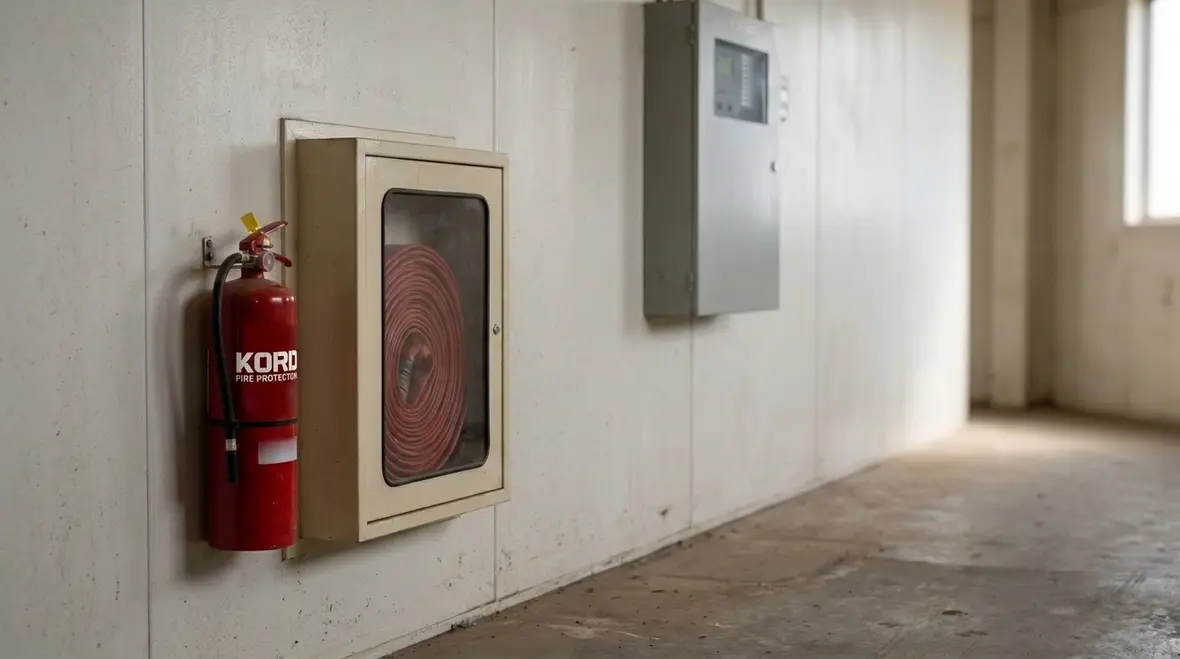
NFPA 1 Section 10.8 focuses on keeping fire safety equipment in working order and free from interference. In plain terms, it tells people not to damage, disable, or misuse fire protection systems. That includes extinguishers, hose reels, alarms, sprinklers, cabinets, and related equipment.
For a business, this matters because fire systems are not decoration. They are there for the moment things go wrong. And when that moment arrives, a missing pin or a shut valve can do more harm than a bad coffee machine on Monday morning.
Many businesses also use NFPA guidance as part of broader fire prevention planning, internal safety programs, and contract expectations. For extra context, Kord Fire Protection also covers the broader code framework in NFPA 1: A Comprehensive Guide to Fire Prevention and Safety, which helps connect this section to the bigger picture of prevention, readiness, and compliance habits.
The practical takeaway for day to day operations
The practical message is simple. Fire equipment must remain accessible, intact, and ready to work without delay. If a system is hidden, damaged, isolated, or treated like spare wall furniture, the site is already drifting into risk. Most businesses do not plan to tamper with equipment, of course, but plenty still create the same outcome through clutter, shortcuts, rushed works, or poor handover after maintenance.
This is why Section 10.8 has such staying power. It is not only about deliberate vandalism. It is also about everyday interference that chips away at reliability one small decision at a time. In a busy facility, those small decisions can stack up fast.
How tampering with fire safety equipment creates risk
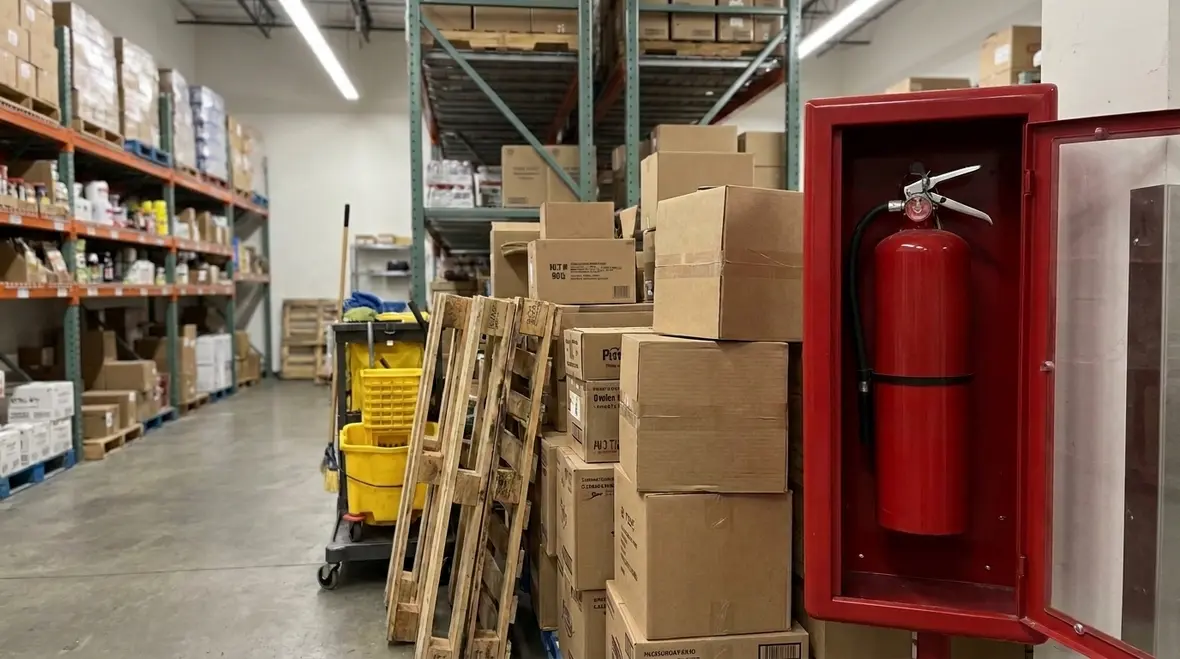
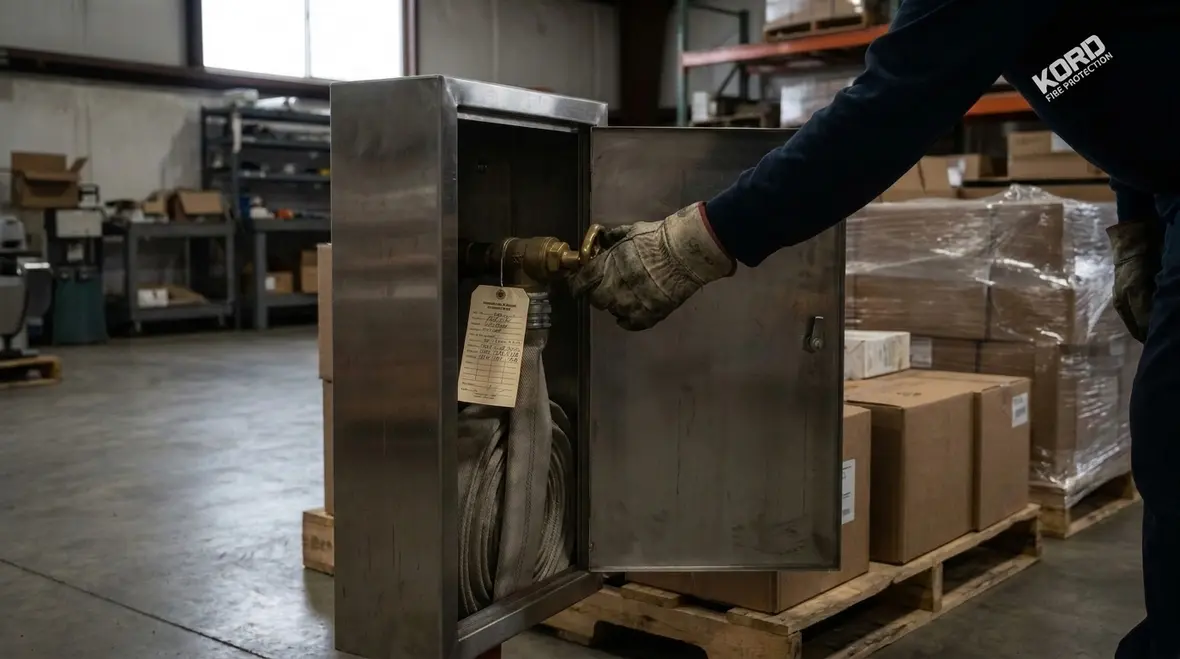
Fire safety systems only work when they stay ready. However, tampering can happen in small ways that seem harmless at first. A door blocks access to an extinguisher. A hose reel gets tied up with storage. Someone removes a tag, resets a device without reporting it, or shuts off a valve and forgets to reopen it.
Each of these actions weakens the safety net. Then, if a fire starts, response time slows and damage grows. In a warehouse, that may mean product loss and downtime. In a retail site, it may mean customer danger and trading disruption. In a commercial building, it can also mean insurance trouble, legal exposure, and reputational damage.
That is why NFPA fire safety tampering should never be treated like a minor site issue. It is a control failure. And control failures tend to arrive with paperwork, costs, and a very bad mood.
Why small interference becomes a big problem
Fire response depends on seconds, visibility, and access. Equipment that is blocked or disabled does not merely fail a checklist. It steals time from the people trying to respond. That could mean staff hunting for an extinguisher, emergency crews facing a system that is partly offline, or alarms not giving people enough notice to move safely. The difference between ready and not ready often looks minor until the exact moment it matters most.
Common fire equipment tampering violations on site
Many fire equipment tampering violations happen because people do not understand the equipment or underestimate the risk. Some of the most common examples include:
- Blocking access to extinguishers, exits, or panels
- Removing tags, seals, or inspection labels
- Covering alarms or detectors during work
- Disabling sprinklers or isolating systems without authorisation
- Using fire equipment for storage support or site clutter
- Failing to report damage after maintenance or building works
These issues often appear during fitouts, deliveries, repairs, or housekeeping lapses. Therefore, strong site awareness matters. A clean and organised facility is not just easier to run. It also helps protect life safety systems from accidental abuse.
Where violations usually start
Most tampering problems do not begin with dramatic intent. They begin with convenience. Someone needs floor space. Someone wants a detector covered during dusty work and forgets the follow-up. Someone moves an extinguisher and assumes the next person will put it back. Over time, these habits create blind spots. The site still feels normal, but the protection around it is less dependable than it was yesterday.
How businesses can prevent NFPA fire safety tampering
Prevention starts with clear rules. Staff, contractors, and visitors should know where equipment sits, how it should look, and who to call if something seems wrong. However, rules alone are not enough. They need regular checks, visible signage, and follow through.
Businesses can strengthen fire protection equipment protection by doing the following:
- Train staff to recognise tampering and report it fast
- Keep access paths clear at all times
- Inspect equipment during routine site walks
- Record changes after maintenance or building work
- Use only qualified technicians for system work
In addition, site leaders should treat fire equipment as critical assets. That means it should be part of daily operations, not a forgotten corner of compliance. A small habit of checking can stop a large problem later. As they say, it is easier to spot trouble before it becomes the star of the show.
Simple controls that actually hold up
The best prevention plans are not fancy. They are consistent. A well-marked extinguisher location, a routine walk-through, a sign-off after contractor work, and quick reporting of damage can prevent the majority of avoidable interference. Fire safety performs better when it is treated like part of operations instead of a surprise guest invited only when inspectors appear.
Kord Fire Protection as a practical partner
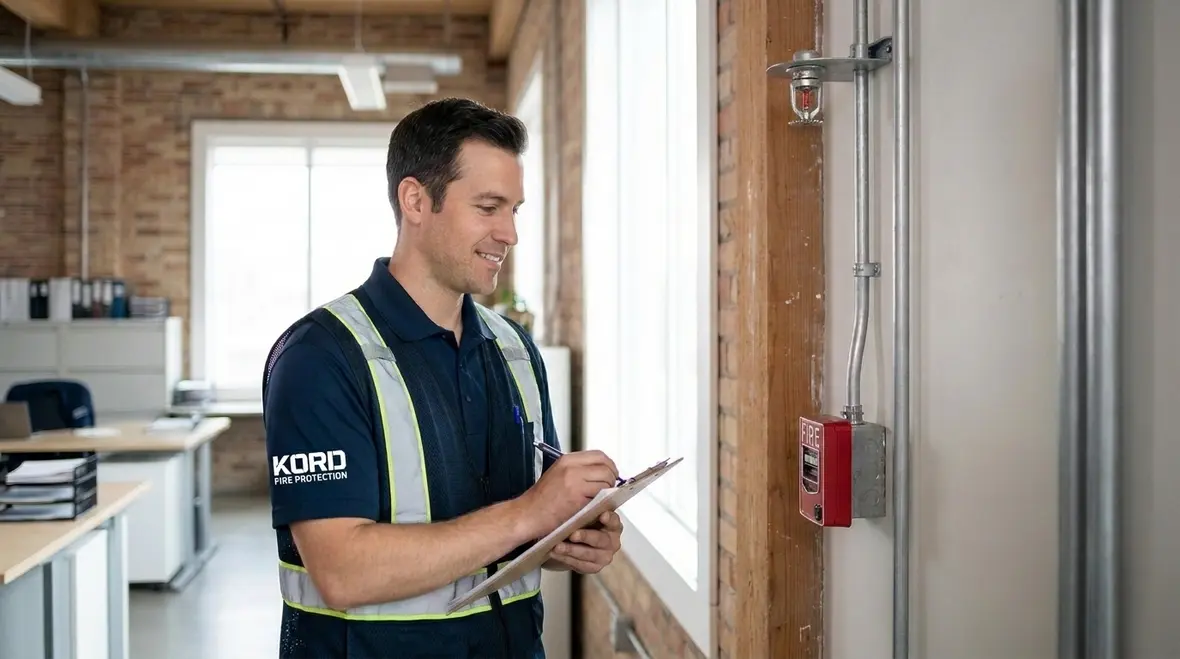
For businesses that need reliable support, Kord Fire Protection can become a vital partner in this service job. Their role is not only about installing or servicing equipment. It is also about helping businesses build safer habits around inspection, maintenance, and compliance.
Kord Fire Protection can support sites by helping identify tampering risks, carrying out scheduled checks, and keeping fire systems in proper working condition. In addition, their team can help businesses understand where weak points exist, whether that is poor access, damaged equipment, or gaps in site process. That kind of support is especially useful in industrial and commercial settings where many teams, contractors, and tasks move through one space each day.
| Site Need | How Kord Fire Protection Helps |
| Routine compliance | Regular inspections and servicing |
| Tampering risk | Spotting damage, misuse, and poor access |
| Operational safety | Keeping equipment ready for real emergencies |
| Long term control | Helping teams build better fire safety habits |
That support matters because fire safety is not a one time event. It is an ongoing job, and like most good systems, it works best when someone pays attention before anything goes wrong.
Why industrial, retail, and commercial sites need stronger controls
Industrial, retail, and commercial facilities face different risks, but the same basic truth applies. When fire safety gear is tampered with, the whole site becomes less safe. Large warehouses may face higher fuel loads. Retail sites may deal with public access and fast foot traffic. Office and commercial buildings may rely on shared responsibility, which can blur ownership of safety tasks.
Because of that, these sites need clear control measures, regular servicing, and a trusted fire protection partner. Strong fire protection equipment protection supports continuity, protects workers and customers, and reduces costly interruption. It also helps businesses show they take compliance seriously, which matters when regulators, insurers, and clients start asking questions.
The broader point is not complicated. If equipment is supposed to save time during an emergency, then anything that delays or weakens it is a business risk. That applies whether the site is a busy stockroom, a customer-facing retail floor, or a multi-tenant commercial property where everyone assumes someone else is watching the details.
FAQ
Take the next step with confidence
Fire safety systems should never be left to chance. Businesses that act early can reduce risk, protect people, and stay ahead of compliance problems. Kord Fire Protection can help keep fire equipment ready, visible, and properly managed across industrial, retail, and commercial sites.
For businesses that want stronger control and fewer surprises, the next step is simple. Get the right support before a small issue turns into a very expensive lesson. When fire equipment stays protected, the entire site stands on firmer ground.

Join Our Newsletter!
Get the latest fire safety tips delivered straight to your inbox From our Newsletter.