NFPA 1 Section 10.9 Smoking Regulations and Fire Code
Quick Answer: NFPA 1 Section 10.9 sets clear smoking rules to lower fire risk in commercial and industrial spaces. It limits where smoking can happen, supports safer indoor smoking fire safety, and helps sites manage ash, butts, signs, and storage. For many facilities, Kord Fire Protection’s full fire protection services can help turn these rules into a practical, compliant system.
Smoking restrictions matter because one small ember can cause a large and costly fire. In busy workplaces, the smoking restrictions fire code and NFPA smoking regulations help protect people, property, and operations. Indoor smoking fire safety is not just about banning cigarettes in the wrong spot. It is about planning the space, training staff, posting signs, and keeping ignition sources away from fuel. For commercial, industrial, retail, and multi use facilities, that kind of control can save more than time. It can save the whole day, and sometimes the building too.
What NFPA 1 Section 10.9 Covers
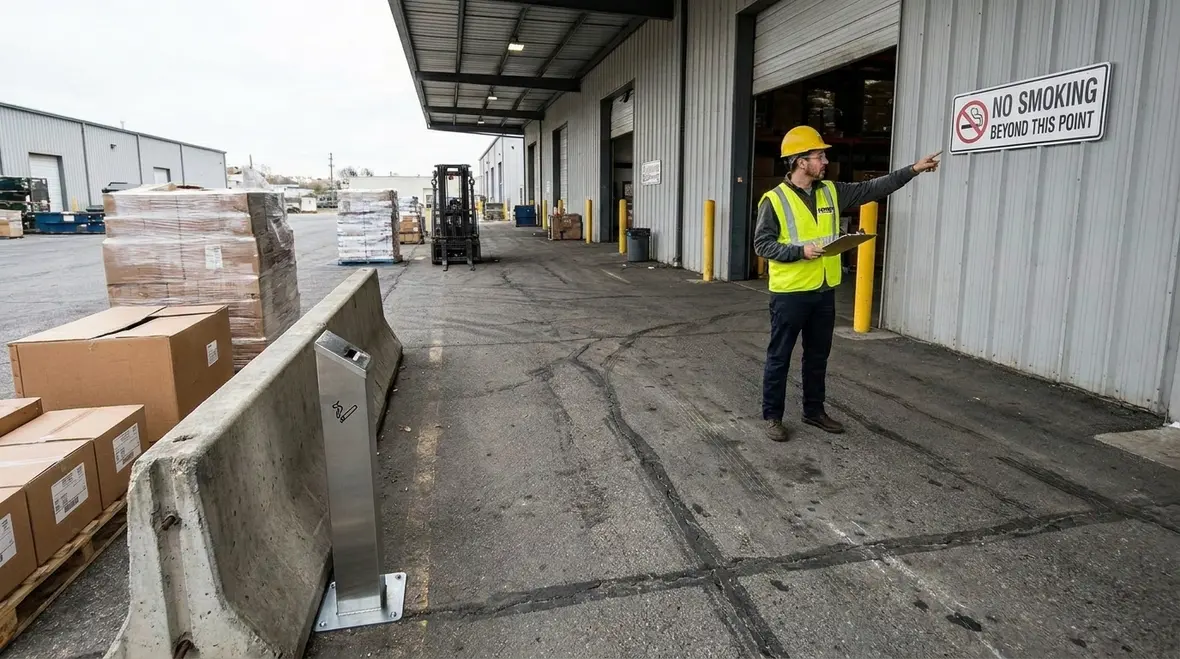
NFPA 1 Section 10.9 focuses on where smoking is allowed, where it is not, and how a site should manage smoking hazards. It gives fire code guidance that helps reduce the chance of ignition in areas with paper, packaging, flammable liquids, dust, or other fire loads. In practice, the rule supports clear smoking control zones, proper disposal, and warning signs where needed.
For commercial and industrial operators, this section matters because smoking often becomes a small habit with a big fire risk. A break area near storage, a cigarette near a loading dock, or an ash bin placed in the wrong spot can create trouble fast. Therefore, the code aims to reduce those risks before they turn into reports, downtime, and awkward meetings with insurers. Nobody wants that meeting. It never comes with snacks.
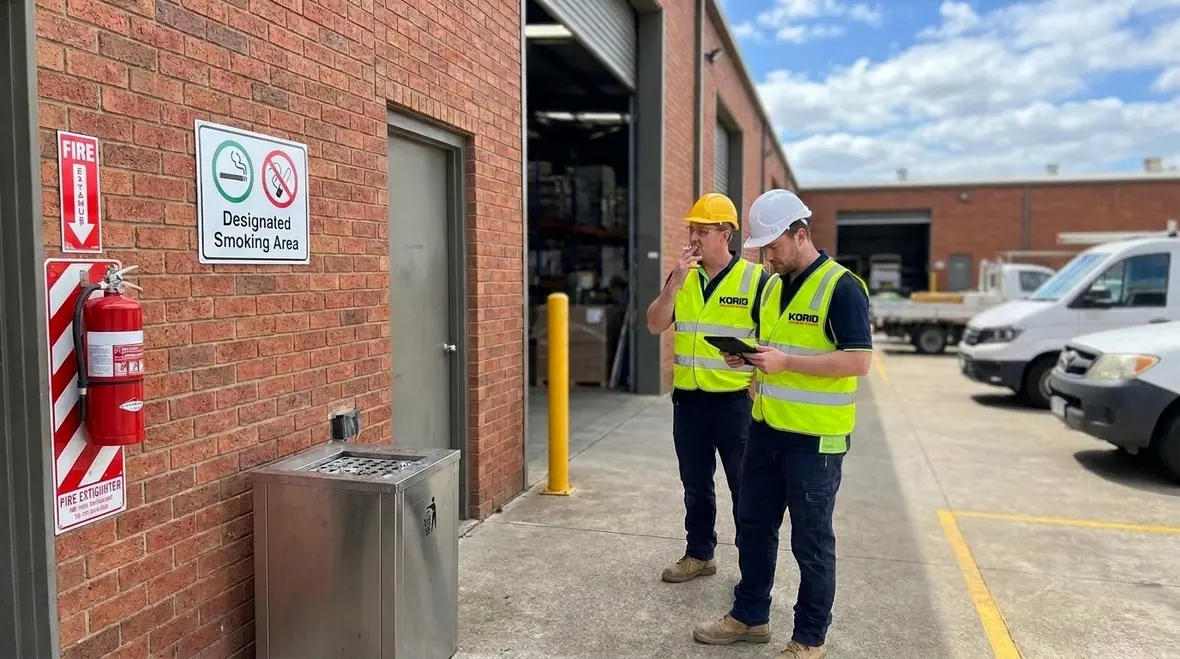
This is also where policy meets layout. A rule on paper means very little if workers step outside and find the only available smoking spot sitting too close to pallets, dumpsters, cardboard, or mechanical equipment. A stronger approach is to make the safe option the easy option. If the designated area is clean, obvious, and properly equipped, people are far more likely to use it instead of inventing their own unofficial version behind the building.
Core control points facilities should review
- Whether smoking is prohibited in hazardous or sensitive areas
- How designated smoking zones are marked and maintained
- What type of ash and butt disposal containers are provided
- How supervisors address visitors, contractors, and repeat violations
- Whether signs are visible at entrances, docks, and work zones
Why Smoking Rules Matter in Workplaces
Smoking related fires still start when people get casual with disposal, distance, or common sense. That is where strong smoking restrictions fire code planning helps. It keeps a site from relying on memory or luck, which are both terrible fire control plans. Instead, it creates a simple system that staff can follow every day.
The best programs do more than say “no smoking.” They define where smoking may happen, how waste gets handled, and how supervisors enforce the rules. As a result, the site lowers its fire load and improves overall safety culture. This is useful in warehouses, shopping centres, factories, maintenance yards, and office campuses. In other words, it works where real people do real work and sometimes forget the cigarette in the pocket until the wrong moment.
There is another benefit that gets less attention but matters just as much. Clear smoking rules reduce friction. Staff know where to go. Contractors are not left guessing. Visitors are less likely to wander into a bad location with a lit cigarette and a confident expression. When expectations are visible and consistent, the site becomes easier to manage, and managers get to spend less time repeating themselves like a very tired public address system.
How Sites Can Apply NFPA Smoking Regulations
NFPA smoking regulations work best when facilities build them into daily operations. A strong plan usually includes posted signs, fixed smoking points, metal ash containers, routine checks, and clear rules for contractors and visitors. It also helps when managers map smoking zones away from fuel storage, waste bins, vents, and process areas.
Dual view of a practical smoking control plan
| Control Area | What It Does |
| Designated smoking zones | Keep smoking away from hazardous areas and reduce ignition risk |
| Metal ash disposal | Contain hot waste and prevent smouldering fires |
| Signage | Remind workers, guests, and contractors of site rules |
| Regular inspections | Catch broken bins, poor placement, and unsafe habits early |
Moreover, these steps help facilities prove they are not just talking about safety. They are showing it. That matters when auditors, insurers, or fire officers ask for evidence. A neat policy is good. A working policy is better. A working policy with proof is even better, and the paperwork finally earns its keep.
It also makes interdepartmental life easier. Operations teams, facility managers, safety leads, and maintenance crews can all work from the same playbook instead of four separate interpretations and one mystery ashtray that keeps appearing near the rear exit. Consistency is not glamorous, but it is extremely effective.
When sites are already reviewing broader compliance strategies, it also helps to connect smoking controls with larger fire planning efforts. That is one reason articles such as NFPA 1: A Comprehensive Guide to Fire Prevention and Safety fit naturally into the conversation. Smoking rules do not sit alone. They work best as part of a wider prevention system.
What Indoor Smoking Fire Safety Looks Like in Practice
Indoor smoking fire safety starts with a simple truth: indoor smoking should be controlled with extreme care or removed from the site where possible. If a facility allows smoking in any indoor area, the space must have strict controls. That means non combustible ash disposal, strong separation from combustibles, and tight supervision. It also means cleaning routines that remove cigarette waste before it builds up.
In many modern facilities, the better move is to place smoking areas outside and away from the building envelope. This reduces smoke migration, lowers fire risk, and keeps the air cleaner for staff and visitors. It also avoids the classic “someone left the bin too close to the wall” problem, which has a strangely impressive talent for causing chaos.
Good indoor smoking fire safety is less about tolerance and more about control. If a site cannot monitor the area, maintain the disposal point, and keep combustibles well clear, then the arrangement is probably weaker than it looks. A shiny sign and a hopeful attitude are not a system. A managed space with rules, maintenance, and accountability is a system.
Why Kord Fire Protection Becomes a Vital Partner
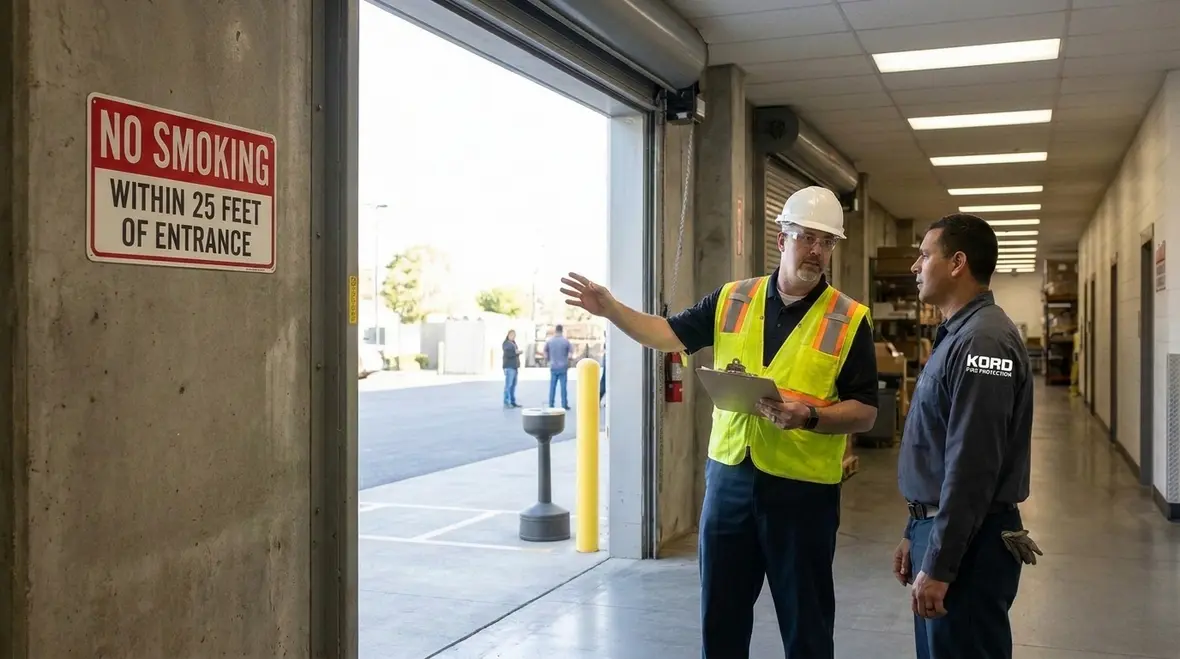
Kord Fire Protection can play a vital role in helping facilities meet smoking restrictions fire code needs with confidence. A partner like Kord can assess site risk, review smoking zones, recommend safer disposal options, and help build a plan that fits the layout of the property. That support matters because one size never fits every site.
Just as important, Kord Fire Protection can help with inspections, staff guidance, and practical fire safety solutions that support NFPA smoking regulations. For commercial and industrial sites, that means fewer gaps, clearer controls, and better day to day compliance. In a world full of shortcuts, a proper fire partner is the steady hand on the wheel. Very reassuring. Less dramatic than a fire, which is the goal.
Facilities that are updating aging systems or tightening their compliance process often benefit from looking at smoking controls as one part of a bigger safety picture. Kord’s guidance on fire protection infrastructure modernization for compliance supports that broader view, especially for sites that need practical improvements without turning every upgrade into a major headache.
How Compliance Supports Operations and Insurers
Good smoking control does more than reduce fire risk. It also supports smoother operations. When a site has clear smoking rules, staff waste less time asking where smoking is allowed. Visitors follow the same standard. Contractors know the drill. As a result, the site runs with less confusion and fewer safety conflicts.
Insurance teams also look closely at fire controls. Strong smoking restrictions show that management takes prevention seriously. This can support claims, audits, and risk reviews. Therefore, a well managed smoking policy can help protect uptime, assets, and reputation at the same time. That is a useful return on a very small policy change.
Documentation plays a major role here. Inspection notes, policy updates, photos of designated smoking areas, and evidence of corrective action all help show that the site is managing risk instead of simply reacting to it. This level of organization tends to impress the right people, or at least keep them from raising one eyebrow and asking difficult questions.
FAQ
Take the Next Step
NFPA 1 Section 10.9 gives facilities a strong path toward safer smoking control. However, the real value comes from turning rules into action. Kord Fire Protection can help build that action into a clear, practical plan. For commercial, retail, and industrial sites, that support can make compliance easier and fire risk lower.
If the site needs smarter smoking controls, Kord is ready to help. Whether the next step is a site review, a broader compliance plan, or support through ongoing inspections, the goal stays simple: fewer hazards, clearer rules, and no surprise fires trying to steal the afternoon.

Join Our Newsletter!
Get the latest fire safety tips delivered straight to your inbox From our Newsletter.