NFPA 1 Section 10 12 Vacant Building Fire Safety Tips
Quick Answer
NFPA 1 Section 10.12 gives clear fire safety direction for seasonal and vacant buildings. It helps owners lower fire risk, protect assets, and stay ready for inspections. With the right plan, and support from Kord Fire Protection, businesses can keep unoccupied spaces safer, compliant, and far less likely to become a fire problem.
Seasonal and vacant sites are easy to overlook, yet they can create serious risk fast. In industrial, retail, commercial, and facility settings, vacant building fire safety, seasonal building fire code, and unoccupied building fire protection are not just nice to have. They help stop small issues from turning into costly damage, shutdowns, or a very unpleasant meeting with the insurer. NFPA 1 Section 10.12 gives a practical framework for keeping empty buildings safer when regular operations slow down or stop.
This matters because an unoccupied site does not mean a low risk site. In fact, it often means the opposite. Fewer people are present to spot smoke, report faults, or catch unsafe activity. As a result, fire systems, access control, housekeeping, and maintenance all need sharper attention. That is where a strong fire protection partner becomes essential. Near the top of that list is having dependable full fire protection services that keep inspections, testing, and maintenance from slipping through the cracks.
What NFPA 1 Section 10.12 Covers for Empty Sites
NFPA 1 Section 10.12 focuses on the fire safety duties that apply when a building becomes seasonal, vacant, or otherwise unoccupied. It sets out the need to reduce hazards, maintain protection systems, and control conditions that may make a fire easier to start or spread. In simple terms, it asks owners to treat the building like a place that still matters, because it does.
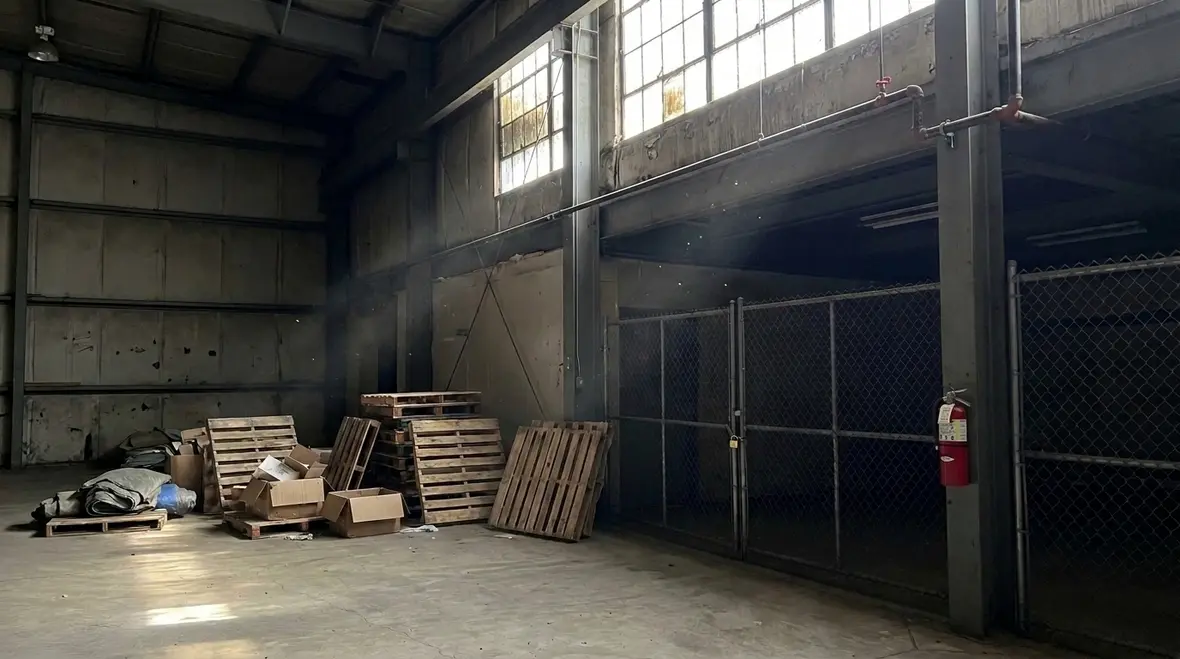
For commercial and industrial properties, this often means checking that fire alarms, sprinkler systems, emergency lighting, and access routes still work as intended. It also means making sure rubbish, packaging, pallet waste, and combustible stock do not build up. The code is not there to make life difficult. It is there so a quiet building does not turn into a headline.
Why this section matters in the real world
Vacancy changes how risk behaves. A fully occupied site has eyes, ears, routine, and people who notice when something smells odd or a panel starts showing trouble. An empty site has silence, delayed reporting, and a habit of hiding problems until they become expensive. That is why this section is less about theory and more about practical discipline. If the building is empty, the plan cannot be.
Why Unoccupied Buildings Need a Different Fire Strategy
Occupied sites usually have staff movement, routine checks, and fast reporting when something looks wrong. Unoccupied sites do not enjoy that luxury. Therefore, fire can grow longer before anyone notices. A failed pump, a small electrical fault, or an unauthorised entry can create serious loss before help arrives.
Seasonal sites face a similar issue. They may run hard during peak periods and then sit mostly empty during slower times. However, fire risk does not take a holiday just because the roster shrinks. A seasonal building fire code approach must account for limited attendance, changed use, and slower emergency response inside the property itself.
This is also where planning overlaps with documentation. If the site enters a reduced occupancy period, teams should know what remains active, what gets isolated, what gets checked, and who owns each task. Kord Fire Protection regularly emphasizes this kind of structure in its approach to fire safety system documentation for compliance, because good records are not fluff. They are proof that someone was actually steering the ship.
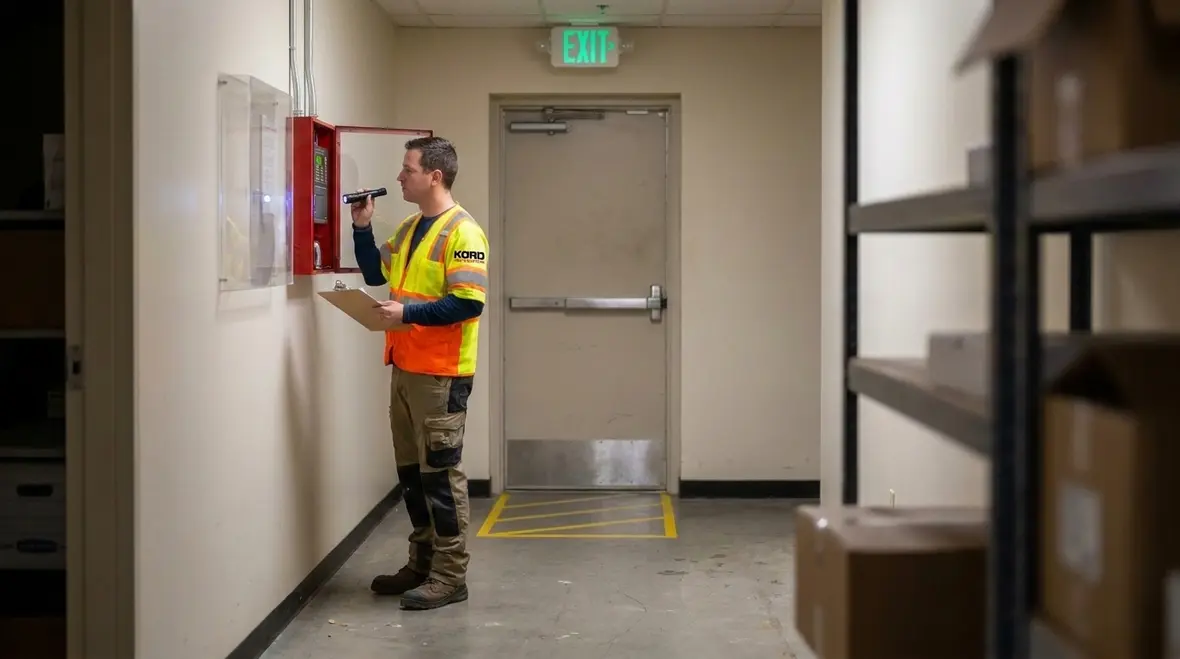
Key Controls That Support Vacant Building Fire Safety
Fire system checks
Inspect alarms, sprinkler systems, pumps, extinguishers, and emergency lighting on a set schedule.
Housekeeping control
Remove rubbish, packaging, and combustible storage that can feed a fire.
Security and access control
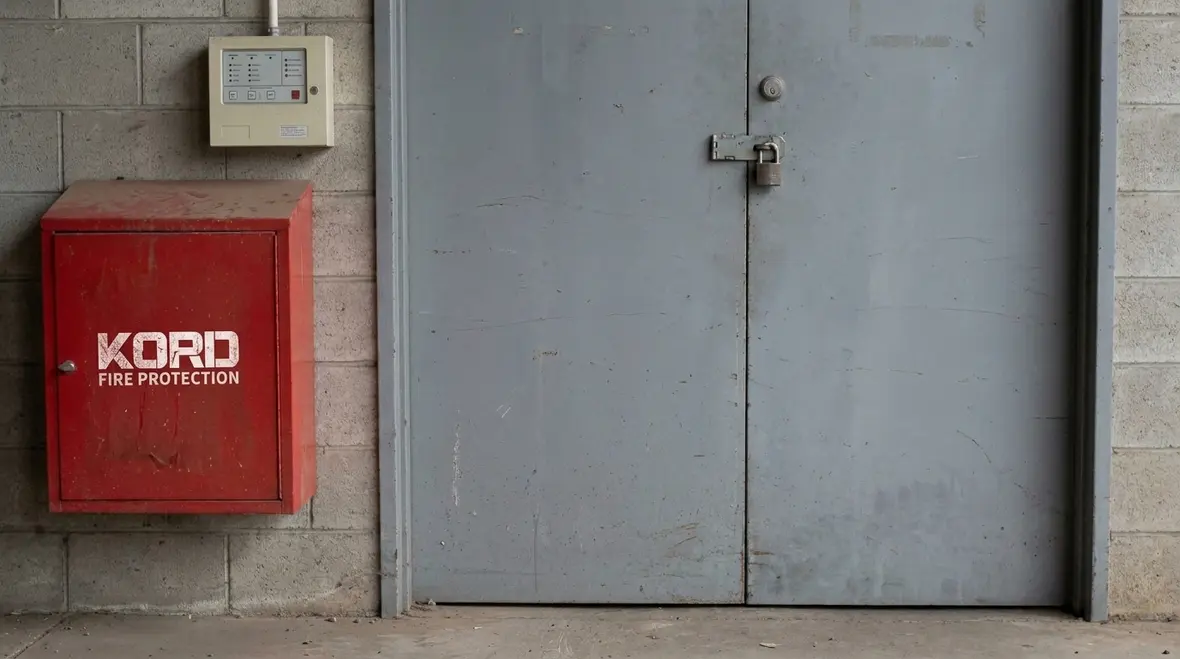
Limit entry, secure openings, and watch for vandalism or trespass.
Utility and shutdown review
Isolate non essential services where safe, while keeping required fire protection active.
These controls do more than tick a box. They cut risk at the source. Moreover, they help facility teams show they have taken reasonable steps to protect the property and people nearby. They also create a steadier routine for contractors, managers, and ownership groups who may not be on site every day but still carry the responsibility.
Simple habits that make a big difference
- Walk the site on a documented schedule rather than relying on memory.
- Check for new fuel sources such as pallets, cardboard, and stored waste.
- Confirm fire doors, exits, and access roads remain clear.
- Review intrusion risk around doors, windows, yards, and loading areas.
- Keep required systems monitored, maintained, and ready to operate.
How Kord Fire Protection Supports This Work
Kord Fire Protection can become a vital partner because vacant and seasonal sites need more than a quick glance and a clipboard. They need a fire protection team that understands compliance, maintenance timing, and the practical reality of empty premises. That includes inspection programs, system servicing, risk advice, and help preparing a site for reduced occupancy or long periods of vacancy.
For industrial, retail, and commercial clients, this support can also reduce the burden on internal teams. Instead of chasing separate contractors or guessing what needs attention next, the business can rely on one trusted service partner. That makes the process smoother, clearer, and far less likely to go off the rails like a bad sequel nobody asked for.
It also helps to connect vacancy planning with the bigger picture of system readiness. Kord Fire Protection’s full lifecycle of fire protection servicing is a useful related resource because empty buildings still rely on systems that were designed, installed, inspected, maintained, and occasionally upgraded over time. Vacancy does not pause that lifecycle. It just raises the stakes if it is ignored.
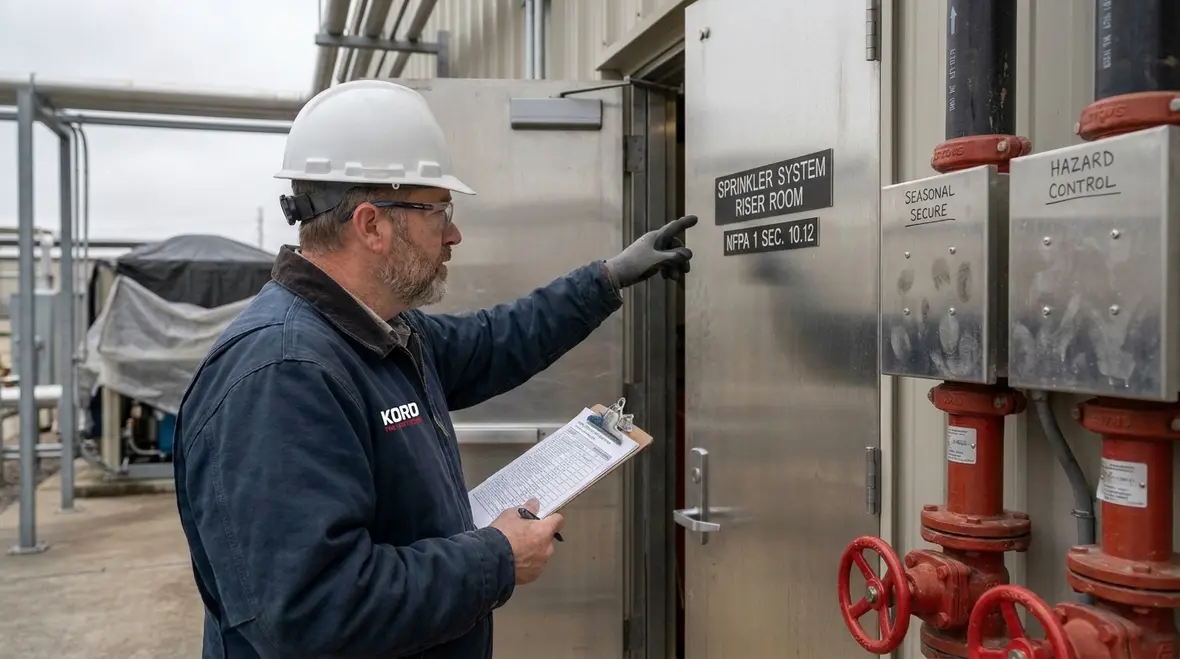
Compliance Checks Facilities Should Not Skip
Facilities often need to align local fire rules with good practice from NFPA 1 Section 10.12. While exact duties may vary by site and jurisdiction, the core ideas stay familiar. Owners should confirm that fire protection equipment remains in service, that escape paths stay clear, and that changed building use does not create new hazards.
They should also keep records of inspections, repairs, and site condition checks. Good records help prove care and support faster action if a problem appears later. In short, paperwork may not be glamorous, but it does a fine job of proving the building did not just sit there hoping for the best.
This is a smart place to connect owners with broader code education too. If readers want more context on the larger prevention framework behind these duties, the guide to NFPA 1 fire prevention and safety fits naturally here and helps place Section 10.12 within the bigger compliance picture.
Seasonal Building Fire Code Planning That Works in Practice
A good seasonal plan starts before the building empties out. First, the site should be reviewed for fuel loads, equipment risks, and areas that attract trespass or theft. Next, the fire protection system should be tested and confirmed. Then, responsibilities should be assigned so someone always knows who checks what and when.
During the vacant period, regular inspections matter just as much. A building can change quickly when no one is around. Small leaks, blocked exits, damaged detectors, and missing extinguishers can all appear between visits. Therefore, a living plan works better than a dusty file sitting on a shelf like it is waiting for a museum opening.
What a solid vacancy plan should include
- A schedule for site visits and condition checks.
- Clear ownership of maintenance and follow-up actions.
- Verification that alarms, sprinklers, lighting, and access routes remain functional.
- Updated records of shutdowns, impairments, repairs, and reactivations.
- Triggers for extra review after storms, break-ins, renovations, or storage changes.
What a Strong Service Partner Delivers
A capable fire protection partner does more than service equipment. They help identify weak points, keep inspections on track, support documentation, and respond when the site changes. For clients managing multiple facilities, that can bring real relief. It also creates a clearer standard across sites, which matters when different buildings face different occupancy patterns.
In addition, strong partner support can help owners decide which protection steps are essential, which are site specific, and which can be phased in over time. That practical guidance keeps fire safety focused on real risk, not just paperwork theatre.
Another benefit is consistency during transitions. Buildings rarely stay static forever. They get renovated, sold, partially reopened, repurposed, or staffed differently across the year. A steady partner helps those transitions happen with fewer blind spots. That is especially useful when a facility team is juggling operations, contractor management, insurance expectations, and the small daily surprises that love to arrive five minutes before lunch.
FAQ
Conclusion
NFPA 1 Section 10.12 gives owners a clear path to better vacant building fire safety and stronger seasonal fire planning. For industrial, retail, and commercial sites, the right protection plan matters. Kord Fire Protection can help keep unoccupied building fire protection on track, reduce risk, and support compliance with confidence.
Now is the time to review the site before silence turns into smoke. With consistent inspections, proper housekeeping, reliable system readiness, and a partner that knows how compliance works in practice, owners can keep empty buildings from becoming expensive cautionary tales.

Join Our Newsletter!
Get the latest fire safety tips delivered straight to your inbox From our Newsletter.