Navigating Part 70 and Part 71 for Title V Air Permits
Quick answer: Navigating Part 70 and Part 71 of Title 40 of the CFR helps facilities meet U.S. air permitting duties and connect them to Risk Management Program planning. Meanwhile, companies managing fire protection benefit from tighter integration, faster response planning, and documentation that supports smoother reviews. Kord Fire Protection can help make those connections practical.
Title V air permit requirements set the foundation for how an operation stays compliant, keeps emissions limits clear, and maintains the paperwork the regulators expect. Yet many facilities discover that “having a permit” does not automatically mean “having a complete system.” That is where Part 70 and Part 71 of Title 40 CFR enter the picture. They shape permit processes and, for certain sources, the Risk Management Program that ties operational hazards to risk prevention.
In this article, third person guidance walks through the steps facilities typically need to coordinate air permitting and RMP expectations, then shows how Kord Fire Protection can become a vital partner to support safer operations, better documentation, and calmer days during inspections. Facilities looking to connect that planning with dependable system support can also explore full fire protection services near the start of the process so inspections, maintenance, alarms, sprinklers, and extinguishers are not operating like distant cousins at a family reunion.
Part 70 and Title V air permit requirements: the compliance backbone
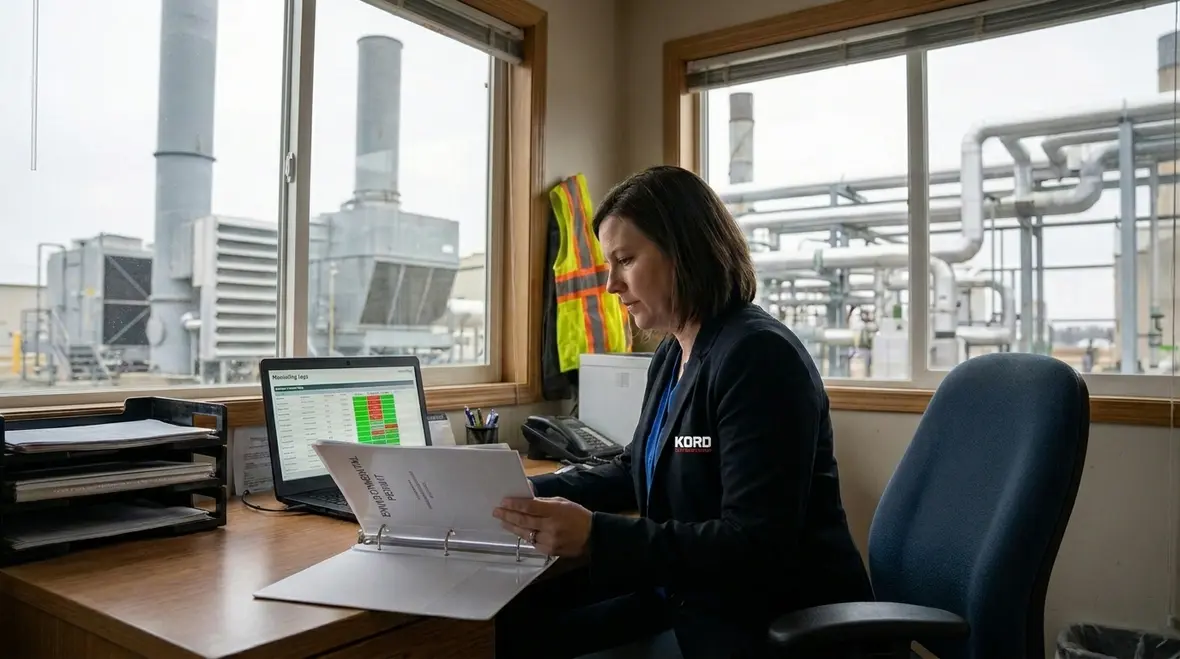
Part 70 establishes the air permitting program run by state or local agencies. Facilities that qualify must obtain permits that consolidate operating requirements into one place. As a result, operations gain a structured way to prove compliance with limits, monitoring, and reporting. Title V air permit requirements often require that permit terms remain enforceable, measurable, and consistently followed.
Typically, facilities under Title V must do more than submit forms. They must understand which units drive emissions, which monitoring methods apply, and how deviations get handled. Furthermore, they need internal ownership for compliance actions. Without that, the permit becomes a binder on a shelf, not a working tool.
A simple way to think about it: Part 70 creates the “rules of the road,” and Title V air permit requirements keep the vehicle in the lane. Yet if the facility also handles hazardous materials, the story quickly expands into risk planning. That expansion matters because air compliance and emergency readiness rarely stay in separate boxes for long, especially when equipment changes, production shifts, or maintenance events start piling up.
Why permit language needs operational ownership
A permit can look polished on paper and still fail in practice if the people running the site do not know how each condition ties back to daily activity. Monitoring requirements, deviation response steps, testing intervals, and record retention duties all need clear ownership. If one department assumes another team is handling it, gaps appear fast. And unlike a missing coffee order, permit gaps tend to attract far less sympathy.
Part 71 and the RMP link: hazards get specific
Part 71 covers states that do not implement the federal RMP program through their own plan. For many facilities, the Risk Management Program connects potential release hazards to prevention steps, emergency response planning, and documentation. Even when Part 71 does not apply directly, the RMP logic often influences how internal teams design controls and training.
RMP expectations can touch several operational areas. For example, they can require that the facility maintains mechanical integrity for certain equipment, uses procedures to reduce the chance of an accidental release, and plans for consequences if something goes wrong. In other words, the program asks: if the worst happens, does the facility respond fast, safely, and consistently?
Facilities across industrial, retail, and commercial sectors often handle chemicals, fuels, or compressed gases, sometimes in smaller quantities than large manufacturing sites, but still enough to matter. That is why the integration of permitting, operational controls, and emergency planning should start early instead of after a problem occurs. Teams that want a practical companion on the response side can also review Kord Fire Protection’s guide to building fire safety emergency planning for commercial facilities as a natural extension of scenario planning.
Where Part 71 thinking sharpens internal controls
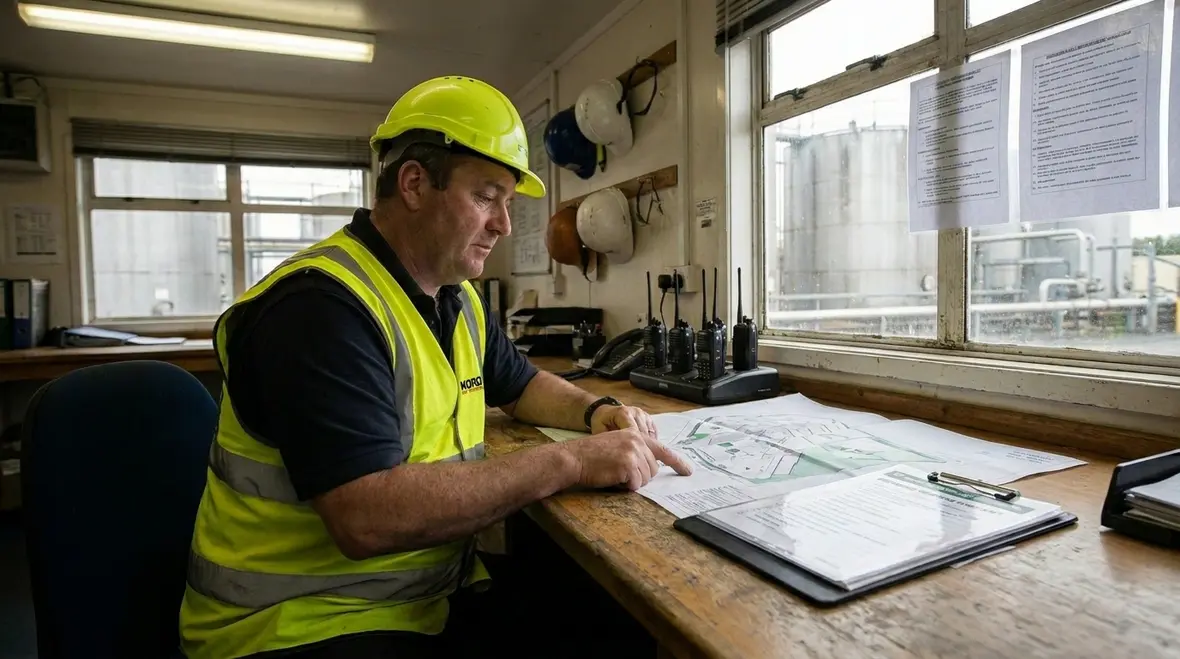
Even when a facility is not squarely living inside a Part 71 process, the discipline behind it is useful. It pushes teams to name credible hazards, define prevention steps, test response assumptions, and document responsibilities before an auditor or emergency makes the introductions for them. That structure can turn reactive scrambling into deliberate planning, which is always the less dramatic option and usually the more affordable one too.
Integrating permitting and RMP planning without creating a paperwork maze
Facilities frequently run into friction when air permitting teams and risk management teams work separately. One group tracks monitoring and permit conditions; another tracks hazard inventories, release scenarios, and response procedures. Then, at review time, the questions start.
To prevent that, a facility should align three things from the start: unit identification, operational triggers, and response expectations. First, the facility should map which units are covered by permit conditions and which materials are tied to RMP obligations. Next, it should connect operating scenarios to the controls the permit expects. Then it should confirm that the emergency response plans cover the realistic pathways that could lead to an incident.
This integration reduces gaps that cause delays. And yes, regulators can smell a mismatch from across the room, like a pop song blasting through a quiet office. The best approach keeps consistency between permit language, control devices, and response actions.
Three alignment points that save time later
- Unit mapping: match emission units, storage areas, and response zones so everyone is talking about the same real-world equipment
- Trigger tracking: identify what operating changes, downtime events, or maintenance activities affect both compliance and response assumptions
- Procedure syncing: make sure field procedures, plan documents, and inspection records tell the same story without requiring detective work
Where fire protection becomes a key partner: practical emergency readiness
Fire protection does not exist as a separate universe. Instead, it supports the “what happens next” portion of risk planning and helps facilities prove they can respond to credible fire and release scenarios. When a facility integrates fire protection into permitting and RMP workflows, it strengthens prevention, detection, and emergency action.
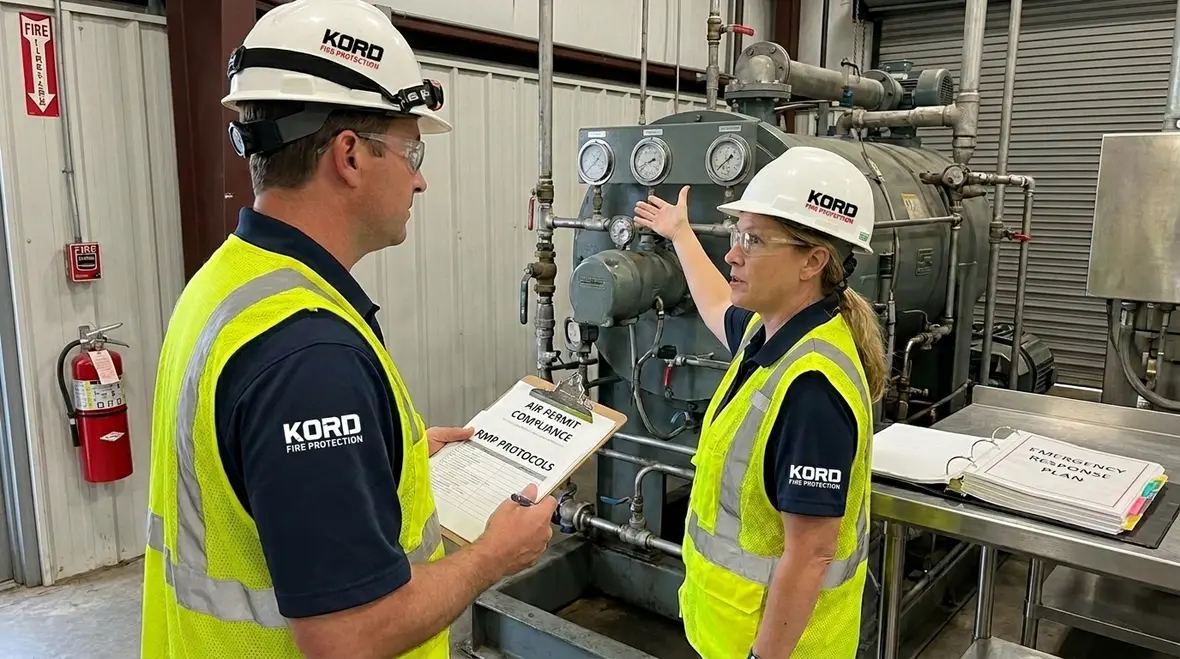
Kord Fire Protection can become a vital partner by helping facilities connect fire protection design and maintenance to the operational realities that air permitting and RMP planning require. That means supporting the documentation trail, aligning maintenance schedules, and confirming that systems function as intended when an incident unfolds.
Here is what integration can look like in day to day operations.
- Consistent equipment readiness: fire suppression, detection, and alarm components supported by inspection and maintenance processes that match operational schedules and risk pathways
- Emergency response coordination: procedures that align with the scenarios used in RMP planning, including roles, response times, and coordination steps
- Documentation that reduces rework: clear records and system status that support audits and permit review questions, instead of last minute scrambling
- Site specific risk awareness: a practical understanding of facility layout, access, and potential release contexts that affect fire response outcomes
In short, when the fire protection partner understands both the regulatory expectations and the operational environment, the facility spends less time chasing answers and more time demonstrating control. And that is good for compliance and even better for morale.
Operational data, monitoring, and reporting: keep it aligned
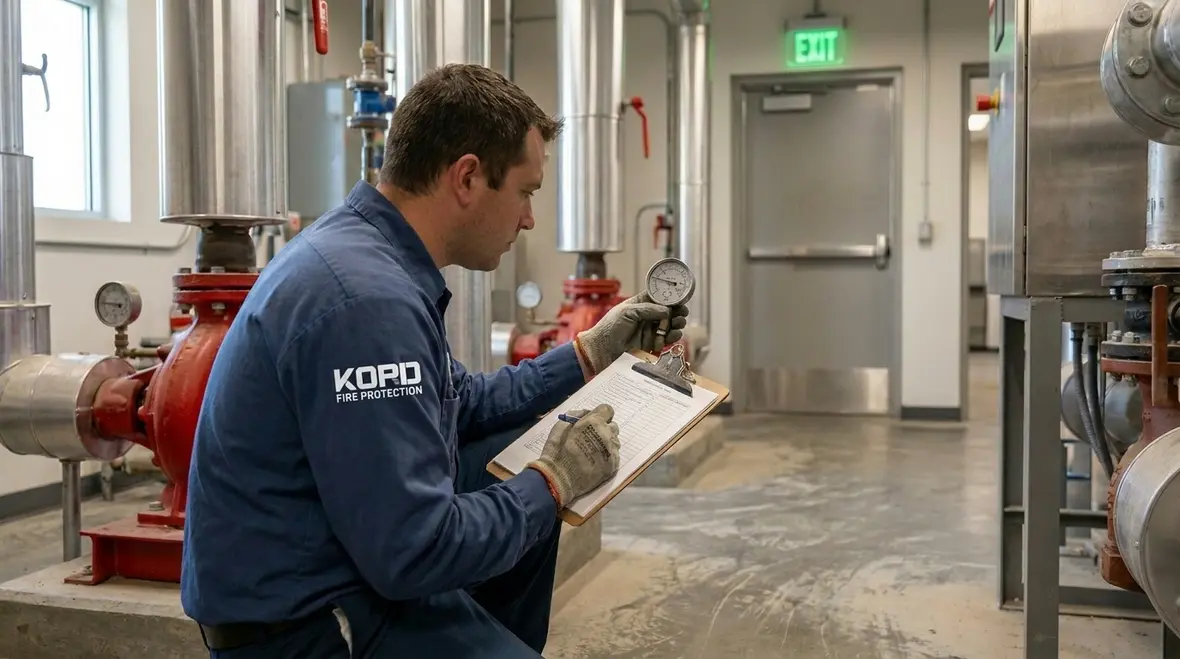
Once Title V air permit requirements define monitoring and compliance duties, the facility should treat operational data like a shared language between departments. That means aligning logbooks, monitoring outputs, maintenance records, and incident reporting. Furthermore, the facility should ensure deviations get reviewed through a risk informed lens rather than a purely procedural one.
A useful internal practice involves setting up a routine “cross check” between air permit conditions and risk management plans. For example, when a control system requires maintenance, the facility should verify that the emergency readiness plan still covers the operating conditions during that period. Additionally, when the facility updates procedures after an incident, it should confirm whether the change triggers updates to permitted processes, training records, or risk management documentation.
Many compliance headaches come from changes that happen in the field but never make it into the document set. So the facility should establish a small, repeatable workflow for updates, approvals, and record retention. That keeps the compliance story consistent even when operational teams move fast. A similar mindset appears in Kord Fire Protection’s article on fire alarm monitoring centers and faster emergency response, where reliable signals and reliable records work better together than apart.
Australia facing facilities: build robust processes that travel
Facilities across Australia serving industrial, retail, commercial needs often handle regulated equipment, hazardous materials, and complex service contractors. Even when U.S. regulations do not directly govern local permits, the concepts behind Part 70 and Part 71 still teach valuable process discipline: map obligations to units, integrate hazard planning with emergency readiness, and keep documentation consistent.
That is where a local partner mindset helps. A facility can design internal controls that mirror the RMP logic: credible scenarios, prevention actions, response readiness, and clear recordkeeping. Then, for fire protection, Kord Fire Protection can strengthen execution by supporting maintenance practices and emergency response alignment across the site.
As a result, the facility benefits even beyond a single regulatory project. It gains a system that handles change requests, audits, and emergency drills with less chaos. Good processes travel well because they are built on clarity, repeatability, and communication, not on hoping nobody asks the hard follow-up question.
Risk reviews, audits, and updates: what to do before regulators ask
Most facilities do not fail because they tried to do nothing. They fail because they tried to do everything at the last minute. Therefore, the facility should plan for three update moments: process changes, equipment changes, and material inventory changes.
When a facility plans a modification that affects emissions, it should check whether permit conditions shift. When it plans changes to storage, transfer, or handling of hazardous substances, it should check whether RMP assumptions need updates. When it plans to alter fire protection systems, it should check whether emergency response procedures still match the scenarios used in risk planning.
To keep this coordinated, the facility should create a clear owner for each area and agree on a communication cadence. For instance, fire protection readiness should be reviewed alongside risk management triggers. Additionally, the compliance team should keep a record of the “why” behind decisions, not only the “what.” Regulators and auditors often look for that reasoning trail.
Featured snippet FAQ
Dual column reference once:
| Compliance area | Integration focus |
| Title V air permit requirements | Confirm monitoring, deviations, and operational controls match the units and operating scenarios the facility uses |
| Part 70 permitting duties | Align permit conditions with maintenance schedules and operational ownership for consistency |
| Part 71 RMP expectations | Validate prevention steps and emergency response planning against credible release and fire scenarios |
| Kord Fire Protection support | Strengthen readiness and records so response procedures and system status stay consistent under review |
Conclusion and CTA
Navigating Part 70 and Part 71 does not have to feel like chasing clues through a crowded warehouse. Facilities that align permitting duties, risk management planning, and emergency readiness move faster through reviews and handle changes with less disruption. Kord Fire Protection can serve as a vital partner by connecting fire protection readiness and documentation to the facility’s compliance workflow.
Reach out to discuss how the teams can integrate your permitting and RMP planning for smoother outcomes. For facilities that also need a related code reference in one place, the California Title 19 PDF is a useful companion resource when reviewing broader readiness and inspection expectations.

Join Our Newsletter!
Get the latest fire safety tips delivered straight to your inbox From our Newsletter.