Material and Energy Balance Requirements for Fire Safety
Quick answer: Post 1999, many Australian projects must prove they track material and energy balances for process performance, safety, and compliance. These balances are not “nice paperwork.” They are how plants avoid surprises. Kord Fire Protection can support the job by connecting fire risk controls to process realities, so safety plans match the actual process data.
In Australia, after 1999, many facilities and post 1999 processes face a non optional expectation: they must demonstrate clear material and energy balance requirements. In plain terms, they must show where mass and energy come from, where they go, and what happens when operations change. This proof reduces guesswork during commissioning, upgrades, and audits. And because reality loves to be messy, the balances also help teams plan responses to abnormal conditions.
In the rest of this article, the work gets unpacked in a practical way for industrial, retail, and commercial facilities across Australia. Then, it shows how Kord Fire Protection can become a vital partner, not as an afterthought, but as a safety ally that aligns fire protection design with the actual process behavior. For facilities that need broader system support near the top of the process, Kord’s full fire protection services fit naturally into planning once process risks start getting translated into site controls. For teams also handling compliance records and inspection expectations, the downloadable California Title 19 PDF can serve as a useful reference point for documentation discipline.
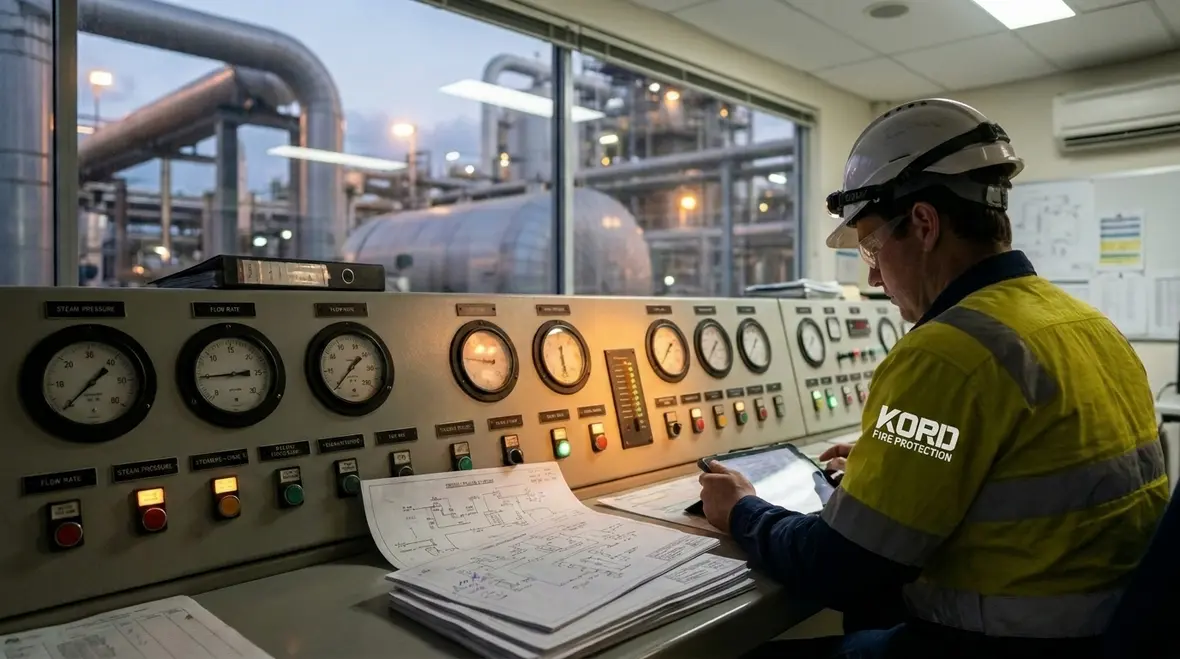
1. What material and energy balance requirements mean in daily operations
Material balances track the flow of substances through a system. That means inputs, outputs, and any buildup inside equipment. Energy balances do the same, but for heat, work, and thermal losses. When these material and energy balance requirements are handled correctly, operations teams can predict temperatures, flows, reaction behavior, and system stability.
For facilities, this is the difference between confident decisions and reactive firefighting. Sure, some people treat calculations like salad math, the kind you do once and never again. Yet when a line slows, a tank vents, or a heat exchanger fouls, those balances become the early warning system.
What teams usually need to make balances useful
- Clear boundaries of the process system, so every stream gets counted
- Defined operating states, such as normal, start up, shut down, and upset
- Data quality rules, because bad sensor data turns “analysis” into fiction
- Consistent units and assumptions, so different departments speak the same language
As a result, balances become more than compliance. They become a decision tool for maintenance planning, capacity studies, safety reviews, troubleshooting, and more reliable communication between engineering and operations. Once a site can explain its process with numbers that actually agree with each other, it becomes much harder for hidden issues to camp out in the background and wait for a terrible Tuesday.
2. How post 1999 processes create compliance pressure
Many facilities adopted stronger governance after 1999, especially for processes where energy release, containment, and control integrity matter. Regulators, insurers, project reviewers, and internal technical leaders often expect evidence that the facility understands how the process behaves across realistic scenarios, not just ideal ones.
- Commissioning verification, including whether measured outcomes match predicted ones
- Change control, so modifications do not accidentally shift hazards
- Management of risk documentation for audits and incident investigations
- Engineering sign off, especially where fire load and heat transfer affect outcomes
Even when the facility does not call it “post 1999,” the operational effect is the same: teams must justify process logic. And when that justification is missing, projects get slowed down. Because nobody enjoys waiting weeks for a “simple clarification,” right? Balance work often becomes the bridge between what the design claims, what the plant observes, and what auditors ask the moment everyone thought the hard part was already over.
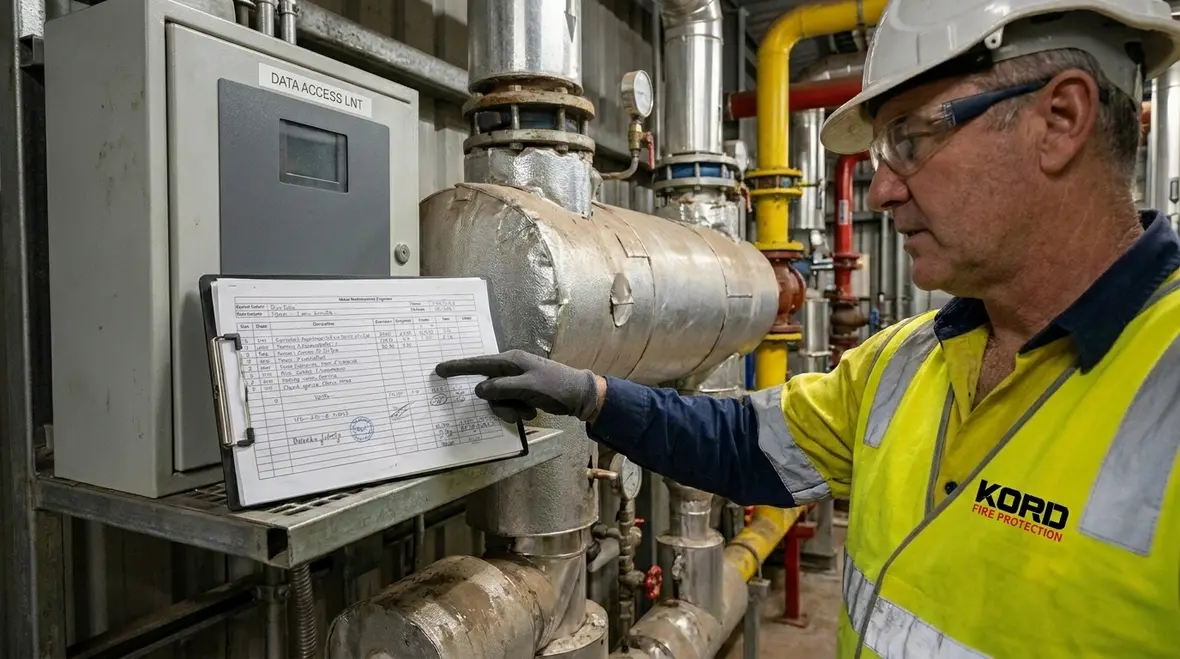
3. Common balance mistakes that create safety and design gaps
People often think balance work fails because of complex chemistry. Sometimes that is true, but more often it fails due to plain workflow issues. Moreover, these mistakes can ripple into safety design, including fire protection strategies.
Where the mistakes usually begin
- Unclear system boundaries, so certain streams get ignored at exactly the wrong time
- Over simplified heat loss assumptions, which can understate temperature rise during upset events
- Using stale operating data, especially after process revamps or seasonal changes
- Neglecting purges, vents, blowdowns, and recycle loops, which can shift both mass and energy outcomes
- Assumptions that conflict with equipment limits, such as pump curves or exchanger performance degradation
Next, consider how that links to fire. If a process estimate understates energy release, the protected design basis can become weak. Then the facility ends up with protection that looks fine on paper but underperforms during real fire scenarios. In short, balances and fire safety cannot live in separate spreadsheets forever. Eventually they have to meet, compare notes, and stop pretending they are not related.
4. Where fire protection planning benefits from real process balances
Fire protection design does not just protect people. It helps protect equipment, operations continuity, and business value. However, to do that well, it needs a clear view of what the process can do under stress.
- Heat release potential and thermal exposure, which drive detection and suppression requirements
- Vapor and aerosol generation during vents, spills, or component failures
- Release duration, because steady state assumptions often miss transient spikes
- Control room alarms and emergency shutdown logic, since timing and conditions matter
To put it playfully, fire protection without process balance insight is like guessing a plot twist without reading the first two chapters. You might eventually get there, but you are going to be wrong a lot before you are right.
This is where Kord Fire Protection can operate as a vital partner. Their work around compliance and readiness in Australia lines up naturally with sites that need process-aware safety decisions, not isolated device choices. When balance data identifies credible upset conditions, fire protection planning can respond with more practical assumptions instead of generic placeholders that make everyone feel organized until the first real deviation shows up.
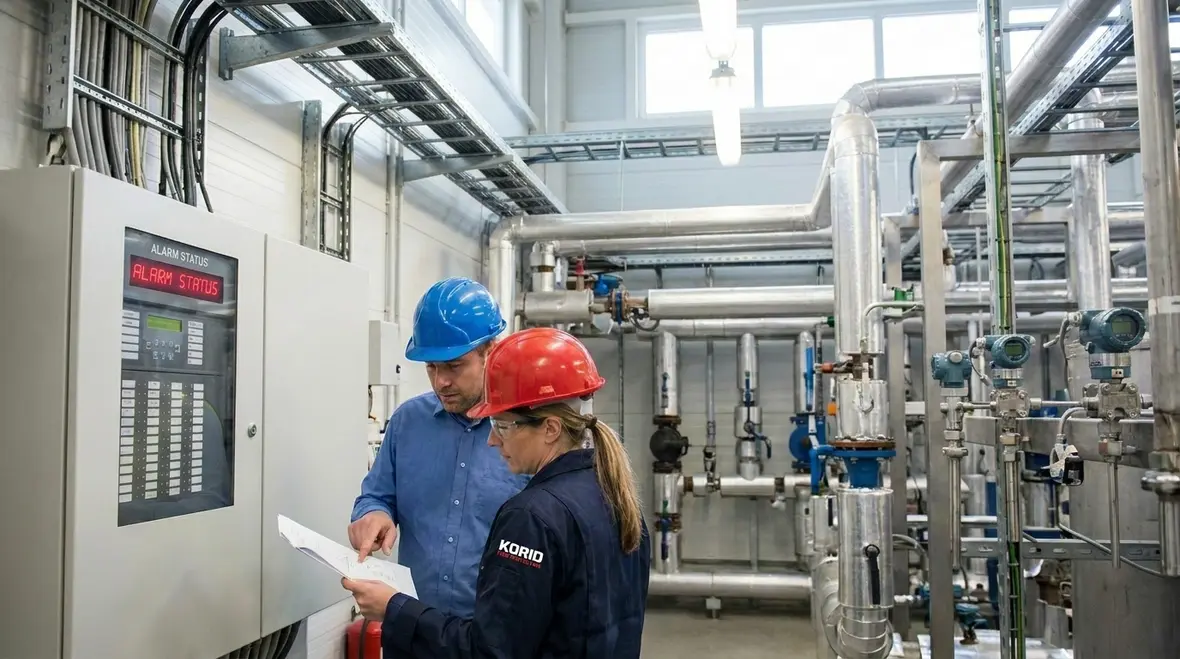
5. Kord Fire Protection as a partner for process driven safety
Kord Fire Protection can support facilities by aligning fire protection design and documentation with the process reality described by balance work. That alignment matters for industrial sites, retail back-of-house areas, commercial plant rooms, and mixed use facilities where hazards vary by zone and duty cycle.
What that partnership can look like in practice
- Translate balance outputs into safety design assumptions, so teams avoid “estimated” hazards
- Validate that fire detection and suppression strategies match expected release behavior
- Improve emergency response planning by grounding scenarios in credible process states
- Coordinate documentation for audits, because consistency across departments reduces delays
Moreover, because balance work often spans multiple systems, coordination keeps boundaries clear. Instead of passing one large report between teams like a cursed hot potato, the facility gains a shared view of what the process does and how fire protection should respond.
Teams also reduce rework. And rework is expensive. It is also the reason people sigh when they hear the words “quick change.” A coordinated review can save time later because assumptions used in process engineering, fire detection logic, suppression layout, and emergency planning stop drifting apart like four different group chats discussing four different problems.
6. An implementation approach facilities in Australia can use
A smooth approach supports both engineering progress and fire safety outcomes. Therefore, facilities can use a staged workflow that keeps the process balance work useful, not just compliant.
Step 1: Define system boundaries and scenarios
Teams list process streams, energy pathways, and upset cases. They include start up, shut down, and likely abnormal operations. Then they agree on the analysis basis.
Step 2: Build balanced models with data quality checks
Next, engineers use reliable instrumentation and documented assumptions. If data is uncertain, the model flags that uncertainty and tracks how it affects outcomes.
Step 3: Link balance outcomes to hazard parameters
Then they map predicted mass release and energy behavior to fire protection relevant factors. This supports better design logic for zones, detectors, suppression coverage, and emergency shutdown sequences.
Step 4: Engage Kord Fire Protection early for alignment
Finally, Kord Fire Protection reviews the process driven safety basis, so fire protection design and documentation stay consistent with the material and energy balance requirements rather than floating beside them.
With this flow, the facility reduces disconnects. And it avoids the classic “we already bought the equipment, why are we changing the assumptions?” conversation. That question usually appears right when budgets, schedules, and patience are all feeling extra delicate, which is exactly why early alignment matters so much.
7. Featured FAQ
Conclusion: move from paper compliance to coordinated safety
Material and energy balance requirements help facilities prove how the process behaves, which then supports stronger risk decisions, safer design, and smoother audits. However, the real win comes when fire protection aligns with those verified process outcomes.
Kord Fire Protection can become a vital partner by connecting process behavior to practical fire protection strategies. If a facility wants fewer surprises and less rework, it should start that alignment early. Reach out to Kord Fire Protection today to plan the next step.

Join Our Newsletter!
Get the latest fire safety tips delivered straight to your inbox From our Newsletter.