Mining Equipment Fire Suppression With Kord Protection
When fire shows up in a mine, it does not ask for permission. It moves fast, it hides its smoke, and it can turn an equipment room into a real-time emergency. That is why mining equipment fire suppression matters. A well planned fire response system helps control flames, reduces damage, and supports safer evacuation. However, the real win comes when the service is handled by people who understand mining sites, dust, vibration, and the way heat behaves around engines, electrical panels, and hydraulic systems.
In this article, third person experts will explain how fire suppression works for mining machinery, what risks matter most, and how Kord Fire Protection can become a vital partner for this service job. Yes, it is the kind of partnership that feels boring on paper and lifesaving in real life. Like wearing a seatbelt, but with alarms that actually do something.
What risks do mining sites face during equipment fires
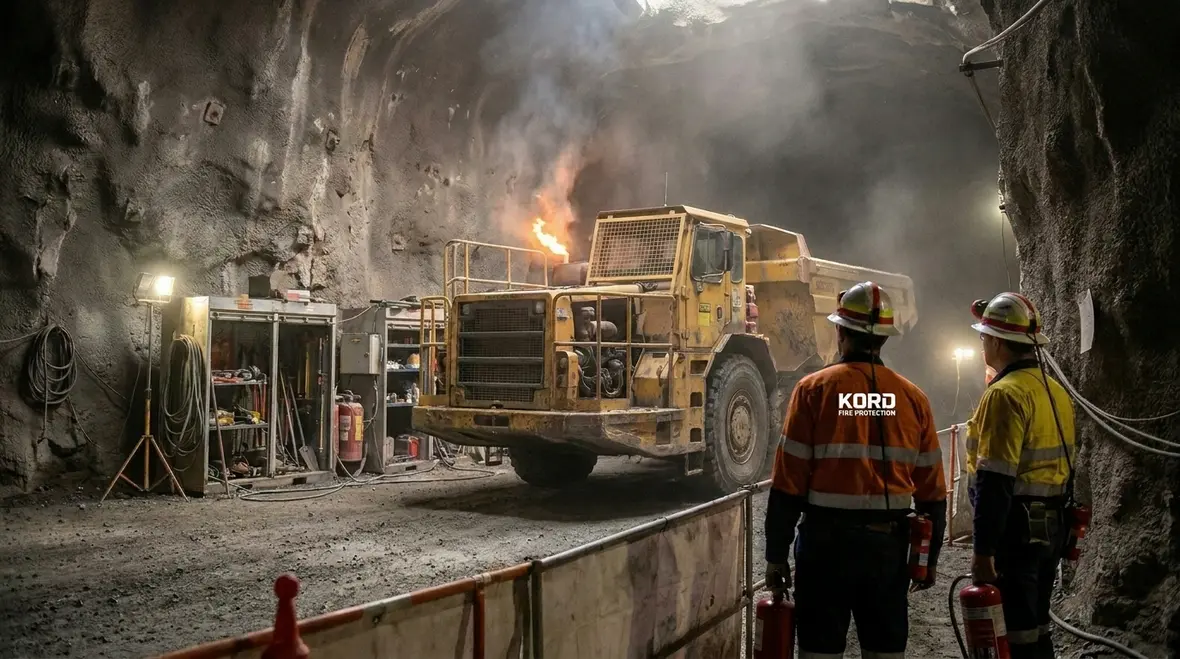
Mining operations face a mix of heat sources, fuel loads, and tight spaces. Equipment like loaders, haul trucks, conveyors, and mobile generators brings diesel, lubricants, and electrical circuits into one active environment. Moreover, mining dust can spread and intensify damage. It also makes smoke harder to read visually, which means crews may miss early warning signs.
In addition, vibration and rough handling can wear components over time. As a result, hoses, fittings, and wiring can fail sooner than expected. Meanwhile, hydraulic leaks and overheating brakes can create smoldering conditions that only look minor at first. Then, when airflow changes or a cover gets moved, the situation escalates quickly.
Because every site has its own pattern, experts typically start with a risk review. They look at ignition sources, what fuel is nearby, how smoke travels, and which areas need fast action. After that, they build suppression coverage around the actual layout instead of a generic template. This same risk-first thinking shows up in Kord’s vehicle fire suppression systems approach, where protection is matched to the machine instead of guessed from a brochure.
Why mine conditions make fires harder to control
A mine does not offer the kindness of a clean, quiet testing lab. Dust hangs in the air, equipment runs hot for long hours, and service access can be awkward even on a calm day. That means a small fault can hide longer and spread faster. In practical terms, the site environment is not just the backdrop. It is part of the hazard itself.
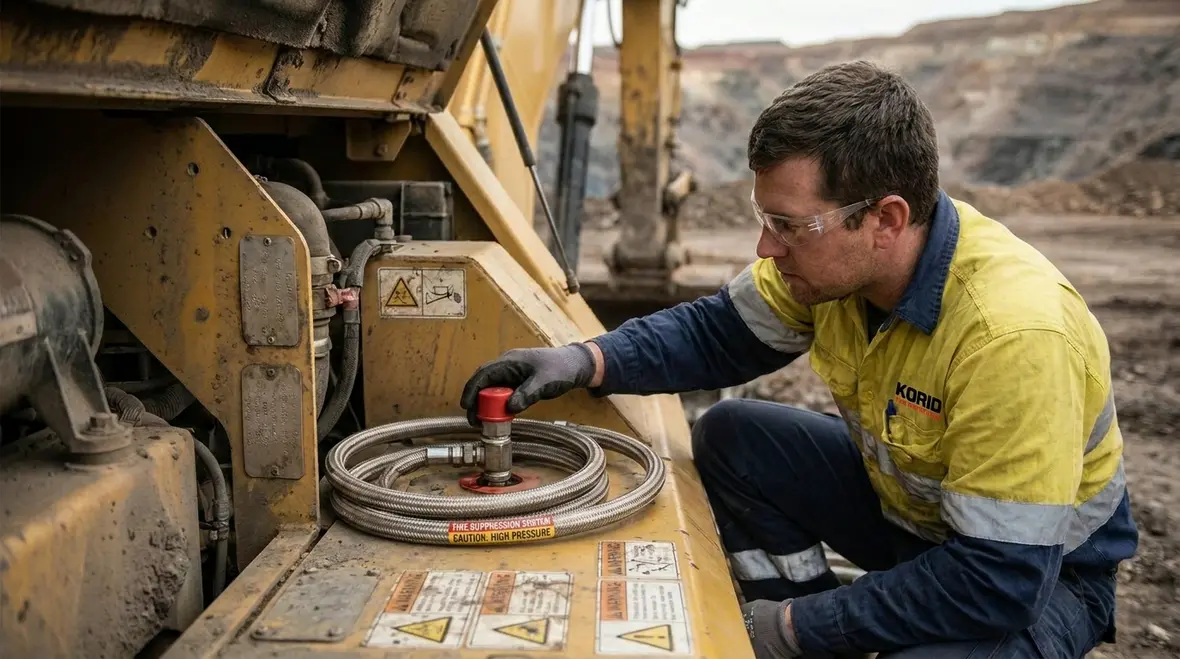
How mining equipment fire suppression systems work on real machinery
A fire suppression system does not just “spray and pray.” It uses detection, agent selection, and discharge timing to control the fire. First, the system senses heat, flame, or smoke depending on the design. Next, it triggers release from fixed nozzles or engineered discharge points. Then, it limits oxygen access, cools hot surfaces, or interrupts the fire reaction, depending on the agent type.
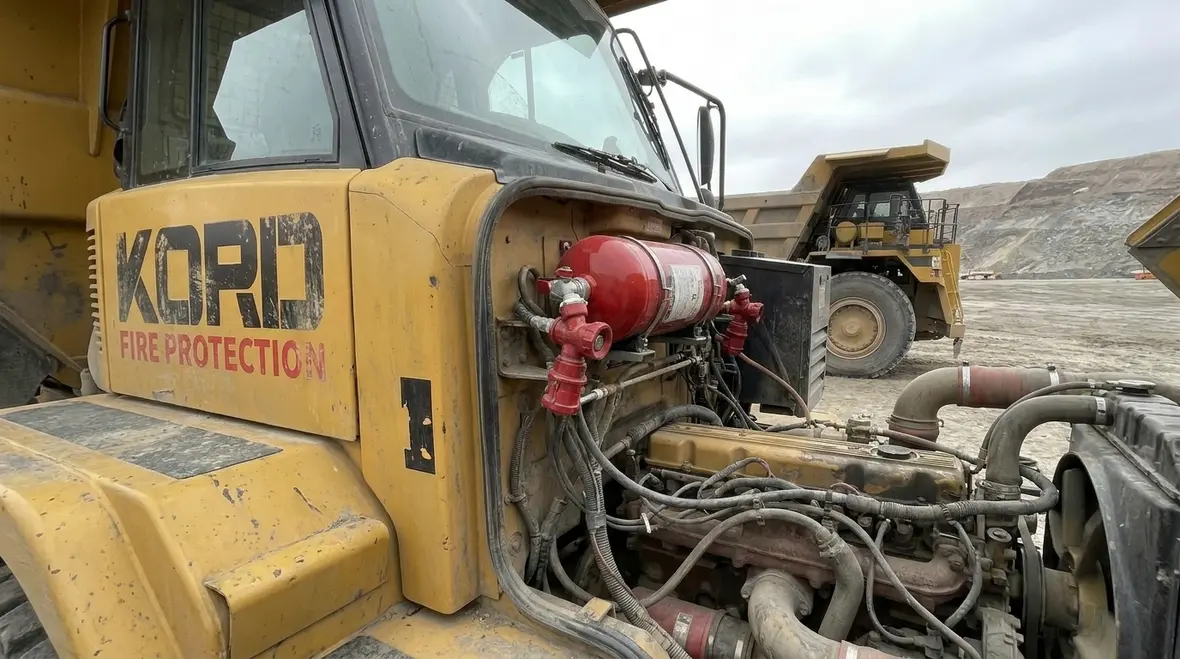
On mining equipment, the system must survive high temperatures, shock, and mechanical stress. Therefore, experts choose components rated for industrial conditions and mount them where heat and flame likely start. They also place nozzles to reach key compartments such as engine bays, battery areas, pump housings, and enclosed operator spaces where occupants need time to exit.
Furthermore, good systems include correct placement of detection devices. If a sensor sits in the wrong airflow pocket, it may wait too long. So the installation must match the equipment geometry, ventilation patterns, and typical fire paths. And yes, the equipment does not always behave like the drawing. That is why field validation matters.
What the system is actually made of
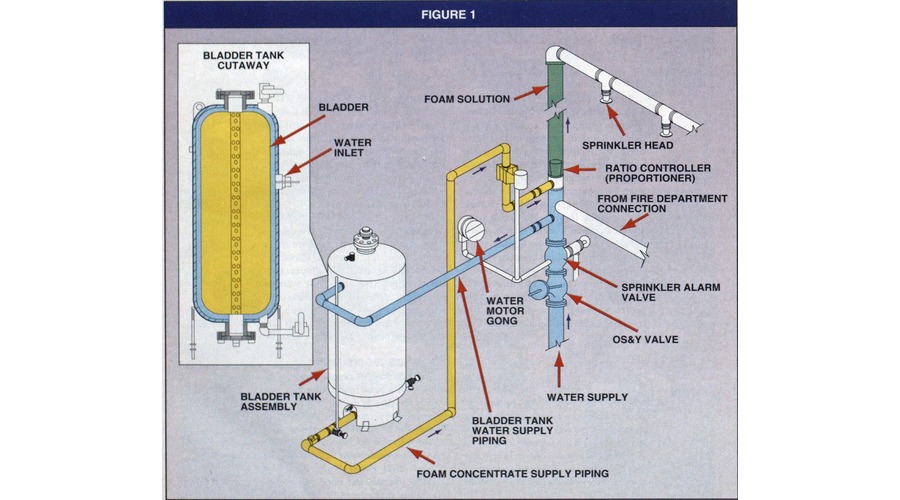
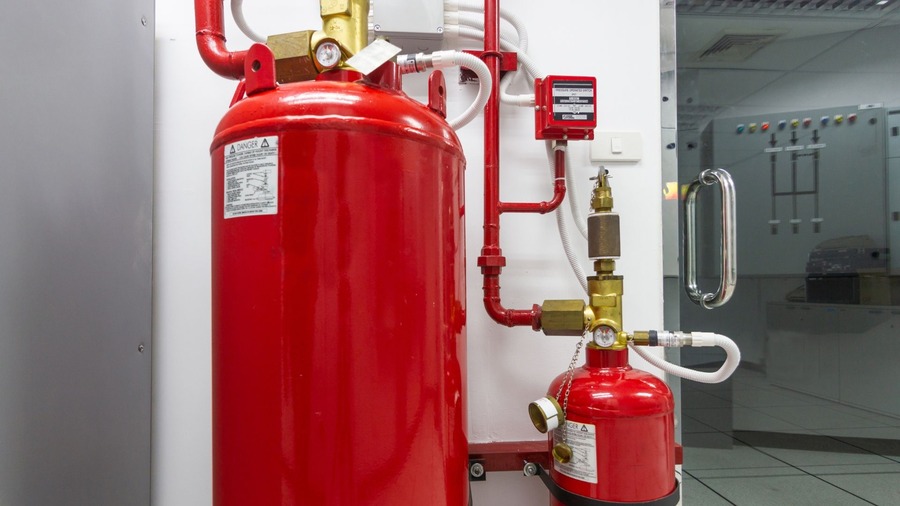
Most mining equipment fire suppression setups include detection sensors or tubing, a releasing mechanism, storage cylinders filled with the chosen agent, a distribution network, and nozzles aimed at the right hazard zones. When these pieces work together, the system reacts in seconds instead of waiting for someone to spot trouble and sprint for an extinguisher. That delay matters, especially around engine compartments and hydraulic systems where flames can go from rude to catastrophic almost immediately.
Which suppression methods fit different mining equipment types
Different pieces of equipment demand different approaches. For engine compartments and fuel driven hazards, crews often focus on agent discharge that quickly blankets the space and reduces flame spread. For electrical bays, the goal includes protecting sensitive components and using agents that handle energized risks safely.
For mobile fleets and conveyor systems, experts may design systems that work for both indoor and semi enclosed zones. At the same time, they consider maintenance access, recharge intervals, and how quickly crews can restore service after an event.
To keep operations running, the design also considers downtime. If the suppression system requires long shutdown periods to service, that plan becomes expensive in a hurry. Kord Fire Protection, as a partner, can support the job by aligning the system selection with the site schedule and safety goals, instead of forcing crews to “make it fit” after the fact.
- Engine and hydraulic zones: focus on fast detection and compartment coverage to slow escalation
- Electrical compartments: prioritize safe discharge design and protection of critical circuits
- Enclosed operator areas: design for occupant time, visibility, and safe egress
- Conveyors and fixed equipment: plan for smoke movement and access for maintenance
Kord’s broader fire suppression services also help frame this choice. The point is not to throw the fanciest agent at the problem and clap politely. The point is to match the hazard, the machine, and the operating environment so the system works when the day gets ugly.
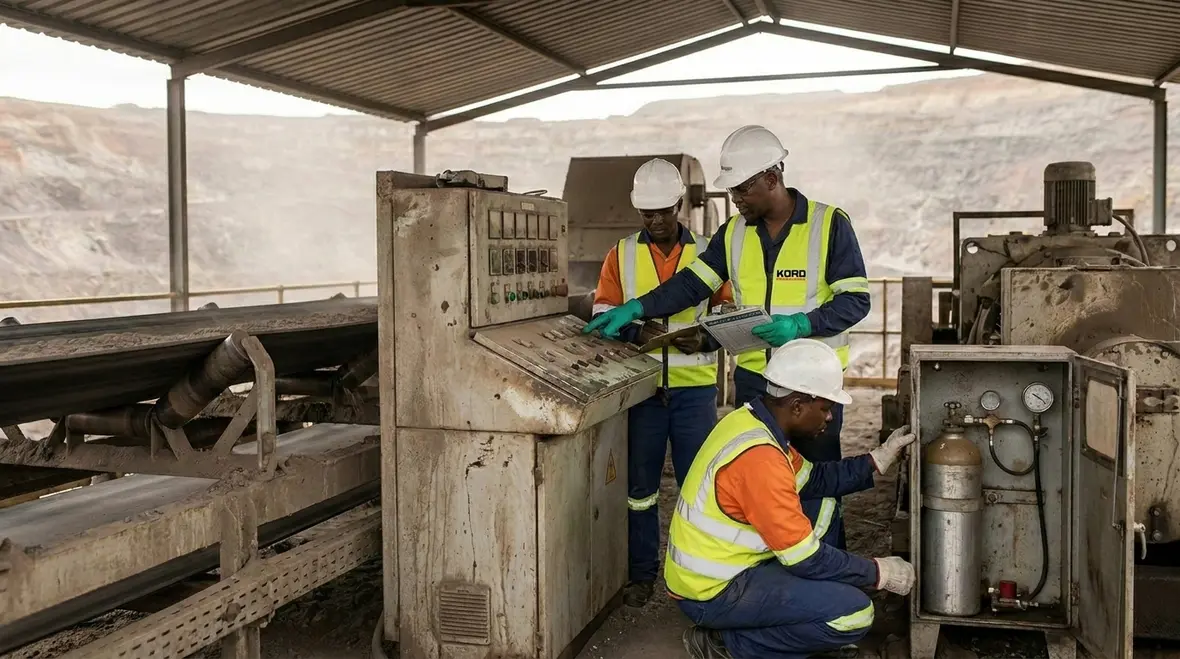
What a fire suppression installation should include
When a team installs fire suppression for mining machinery, they need more than hardware. They must set up the whole system lifecycle. First, they perform equipment identification and hazard mapping. Then, they verify how the compartment vents, where heat accumulates, and which surfaces face the highest ignition exposure.
Next comes engineering and mounting. Technicians secure tubing and wiring against vibration. They also confirm that detection placement aligns with thermal behavior during real fault conditions. After that, they test the system logic and discharge performance using the procedures that match the equipment and site needs.
Moreover, a real installation includes documentation that crews can use during audits and maintenance work. That includes inspection steps, part identifiers, and recharge requirements. As a result, the site avoids the “we think it was installed correctly” problem, which is a phrase that never sounds good in an incident review.
Kord Fire Protection can act as a vital partner here by coordinating system design, installation, and ongoing support, which helps keep the fire suppression program consistent across fleets rather than scattered across contractors and time. In other words, they help the site stop reinventing the wheel every time a component changes or a new unit arrives.
Installation details that matter more than people expect
Small details can decide whether a system performs cleanly or disappoints at the worst possible time. Mounting points need to account for vibration. Detection lines cannot rub where equipment flexes. Nozzles need clear discharge paths instead of aiming politely into obstructions. Service labels and documentation also need to be easy to find, because nobody wants a treasure hunt during an emergency or inspection.
How inspections, testing, and training prevent failures
Even the best system can fail if it goes unmaintained. Therefore, inspections and testing must become routine. Technicians check pressure, integrity of lines, detector status, and nozzle cleanliness. They also test alarms and confirm that activation triggers respond as designed. In addition, they review labels and access points so crews can find components fast during an emergency.
Training matters just as much. Crews need to understand what the alarms mean, how to shut down relevant systems, and when to evacuate. Moreover, they must know the difference between a minor fault and a real fire event. When training is clear, people respond faster. And when people respond faster, fire damage shrinks, which saves money and protects lives.
Kord Fire Protection supports this phase by helping sites build a realistic maintenance rhythm. Instead of treating inspections like a box-check, the team connects system upkeep to operational continuity. That means fewer surprises, fewer downtime spikes, and a better chance that the first response actually works when it counts. That same practical rhythm shows up in Kord’s vehicle fire suppression systems maintenance guide, which reinforces why service intervals and real-world inspections matter.
Common failure points crews can catch early
Some failures are dramatic, but most start out boring. A cracked hose, a clogged nozzle, a damaged detection line, a cylinder outside its pressure range, or a system left unrecharged after a discharge can all quietly undermine protection. Routine checks are what keep “quietly” from turning into “why is everything on fire.”
How to choose the right fire protection partner for mining operations
Mining equipment fire suppression is not a one-time purchase. It is a service program that lives with the operation. So the right partner should bring mine aware experience, disciplined engineering, and a practical support plan. They should understand how to work around active production schedules and how to coordinate installation work without turning a workday into a demolition movie.
When evaluating providers, experts typically look at response capabilities, documentation quality, and how they handle system updates for new equipment. Additionally, the partner should offer clear inspection and recharge scheduling. If a provider cannot explain the lifecycle, it means they have not built one.
Finally, the partnership should feel like collaboration. That is where Kord Fire Protection can become a vital partner for the service job. They can help ensure that the fire suppression program stays aligned with site changes, compliance needs, and crew practices, so the system remains reliable as the operation grows.
FAQ about fire suppression for mining equipment
Ready to strengthen safety with expert support
Mining crews need confidence that their protection systems will work under real conditions, not ideal paperwork. By building a complete mining equipment fire suppression plan that covers design, installation, inspections, and training, a site reduces risk and downtime while protecting people and assets. Kord Fire Protection can support the service job end to end, helping align the system with equipment needs and site operations.
If the next step is turning that plan into action, connect with Kord through their vehicle fire suppression systems page or explore their full fire protection services for broader site support. Schedule a site review today and start making fire control feel less like hope and more like a plan.

Join Our Newsletter!
Get the latest fire safety tips delivered straight to your inbox From our Newsletter.