Lomita Fire Alarm Systems Installation and Safety
In every thriving city, safety hums quietly in the background. In Lomita, that quiet hum often comes from Lomita fire alarm systems working around the clock. These systems do more than make noise. They detect danger, trigger response, and protect lives before smoke even finishes its first curl toward the ceiling. Throughout this article, the focus will turn to how modern fire detection works, why proper installation matters, and how Kord Fire Protection technicians explain each step with clarity and calm authority. Because when it comes to protecting buildings, guessing is not a strategy. Preparation is.
The Role of Fire Alarm Systems for Lomita Buildings
Fire alarm systems for Lomita buildings serve as the first line of defense against disaster. While sprinklers fight flames, alarms fight time. They buy occupants precious minutes to exit safely. In commercial spaces, those minutes can mean the difference between a minor disruption and a major tragedy.
Moreover, California fire codes require strict compliance. Property owners cannot rely on outdated panels or neglected detectors. Instead, they must ensure systems meet current standards. Kord Fire Protection technicians often explain this point in simple terms. Codes change because buildings change. Technology evolves. Therefore, protection must evolve as well.
Additionally, different properties demand different solutions. A warehouse has unique airflow challenges. An apartment complex has sleeping residents. A medical facility houses vulnerable occupants. Consequently, a one size fits all approach simply does not work. Thoughtful system design matters.
How Do Lomita Fire Alarm Systems Actually Work?
At its core, a fire alarm system operates like a well rehearsed orchestra. Each device plays a part. When one instrument detects trouble, the entire ensemble responds.
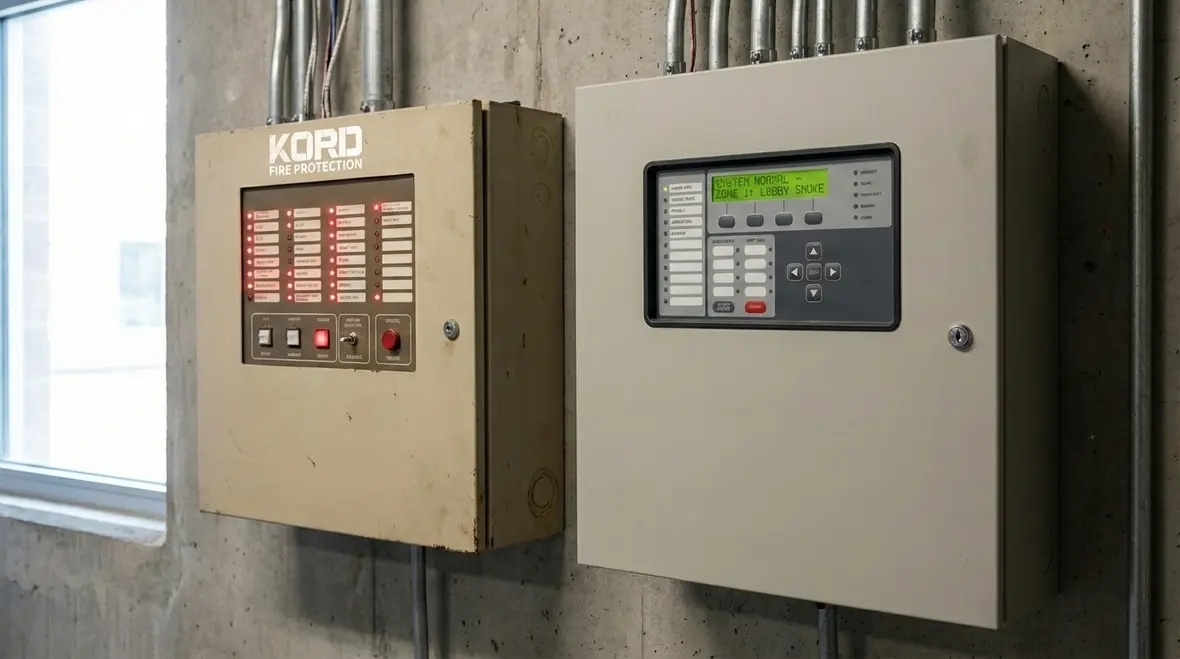
Smoke detectors sense airborne particles. Heat detectors activate when temperatures rise rapidly. Pull stations allow occupants to trigger alerts manually. Control panels interpret signals and send instructions. Finally, notification devices such as horns and strobes alert everyone inside.
Because early detection saves lives, placement is critical. For example, detectors near kitchens must account for steam. Units in high ceilings require special calibration. Kord Fire Protection technicians often walk property managers through this logic step by step. They explain why a detector belongs in one location and not another. And yes, they do it without sounding like a robot reading a manual.
Furthermore, modern systems integrate with monitoring services. When an alarm activates, signals transmit directly to emergency responders. As a result, help moves quickly even if no one is near a phone. In a world where people sometimes ignore ringing phones but never ignore flashing lights, that direct link matters.
Choosing the Right System for Your Building
Selecting the right fire alarm system in Lomita requires more than browsing a catalog. Instead, it demands a careful review of building size, occupancy type, ceiling height, and daily operations.
Below is a simple comparison property owners often review with technicians.
While conventional systems work well in compact spaces, addressable systems offer pinpoint accuracy. Therefore, large commercial properties often benefit from the advanced option. When an issue arises, staff can identify the exact device triggered. That level of detail saves time and reduces disruption.
Kord Fire Protection technicians frequently explain that investing wisely upfront prevents costly upgrades later. After all, replacing a panel because it cannot support expansion feels a bit like buying a flip phone in the age of smartphones. Nostalgic, perhaps. Practical, not so much.
Installation Done Right the First Time
Even the most advanced equipment fails if installed poorly. Consequently, proper installation stands as one of the most critical phases in fire protection.
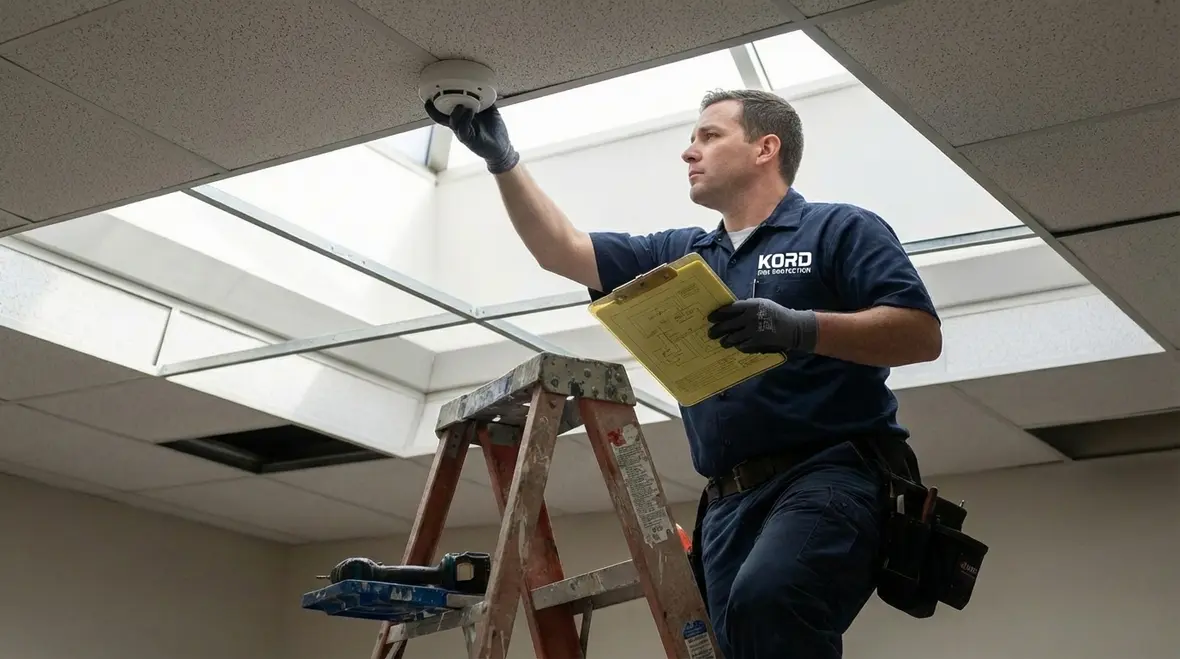
First, technicians conduct a thorough site assessment. They review architectural plans and inspect the existing infrastructure. Next, they design a layout that meets both local codes and national standards. Wiring routes, device spacing, and panel locations receive careful consideration.
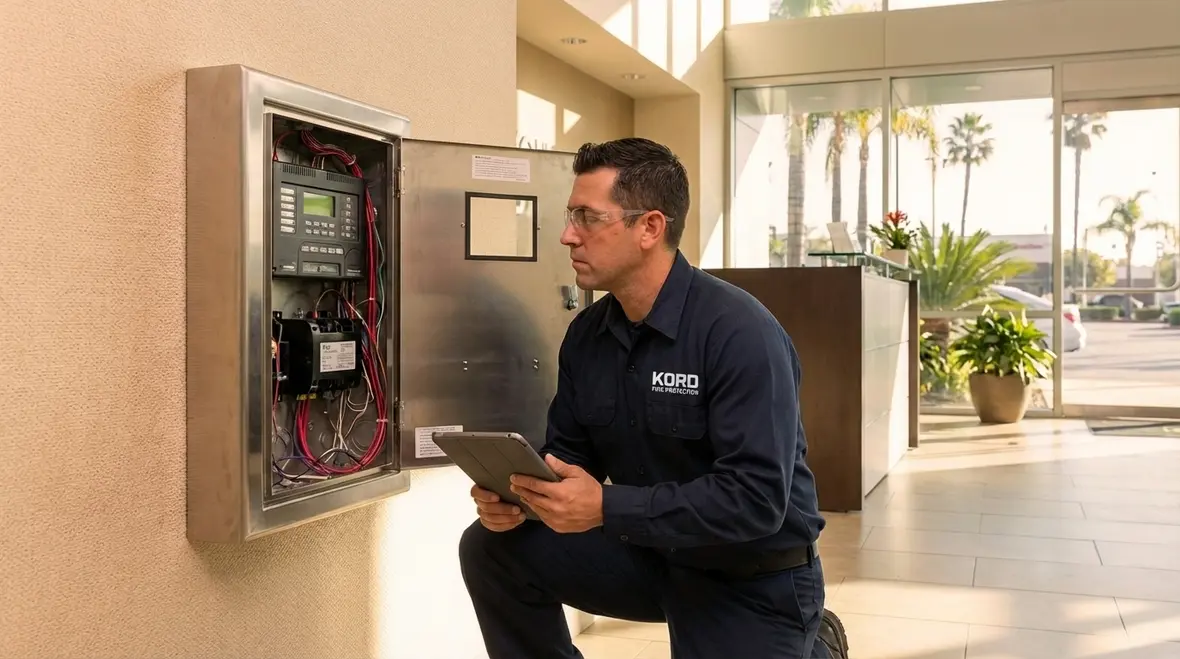
During installation, precision matters. Loose connections, improper mounting heights, or incorrect programming can create vulnerabilities. Therefore, experienced professionals test every component before activating the system.
Kord Fire Protection technicians take time to explain each stage to building owners. They describe what is being installed and why. That transparency builds trust. It also prevents confusion later when annual inspections roll around.
Furthermore, proper documentation ensures compliance. Inspection reports, system drawings, and maintenance logs create a clear record. In the event of an audit or emergency, those records speak volumes.
Inspections, Testing, and Ongoing Maintenance
Installing a system marks the beginning, not the end. Fire alarm systems require regular inspection and testing to remain reliable.
California regulations mandate periodic checks. Depending on the building type, inspections may occur annually, semi annually, or quarterly. During these visits, technicians test smoke detectors, verify signal transmission, inspect batteries, and confirm notification devices operate correctly.
Additionally, environmental factors affect performance. Dust buildup can reduce sensitivity. Renovations may block detectors. Even minor changes in room layout can impact coverage. Therefore, routine maintenance protects both people and investments.
Kord Fire Protection technicians often remind clients that alarms should never become background noise. When a system chirps or displays a trouble signal, it demands attention. Ignoring it is like ignoring the check engine light. It rarely fixes itself.
Moreover, proactive service reduces false alarms. And while everyone enjoys a surprise party, no one enjoys surprise fire trucks at 2 a.m. Regular calibration and testing help prevent those awkward neighborhood wake up calls.
Smart Technology and Modern Integration
Today, technology has transformed traditional alarms into intelligent safety networks. Many Lomita fire alarm systems now integrate with access control, security cameras, and building automation platforms.
For example, when smoke is detected, doors can automatically unlock to allow safe exit. Elevators can recall to designated floors. HVAC systems can shut down to prevent smoke spread. Because these systems communicate seamlessly, response becomes coordinated rather than chaotic.
Remote monitoring also adds convenience. Property managers receive alerts through secure platforms, allowing them to respond quickly even when off site. Consequently, decision making improves and downtime decreases.
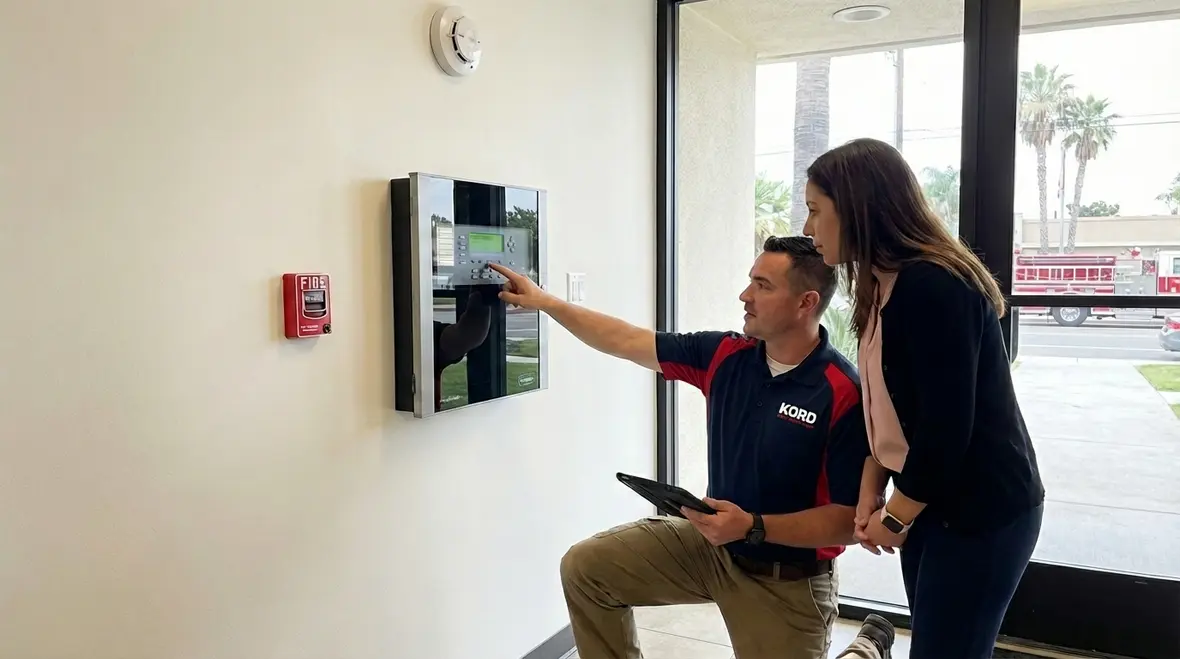
Kord Fire Protection technicians often demonstrate these features during consultations. They show how data flows from device to panel to monitoring center. While the technology sounds complex, they explain it in plain language. No tech jargon. No dramatic sci fi soundtrack required.
Compliance, Liability, and Peace of Mind
Beyond safety, fire alarm compliance protects property owners from serious liability. Insurance providers review system status during claims. Inspectors verify code adherence. In some cases, failure to maintain proper fire detection can result in fines or closures.
Therefore, staying current is not optional. It is responsible ownership.
Accurate documentation, timely repairs, and certified inspections create a clear paper trail. This documentation proves diligence. Moreover, it demonstrates commitment to occupant safety.
Kord Fire Protection technicians frequently emphasize that compliance should not feel intimidating. Instead, it should feel empowering. When a building meets standards, owners gain confidence. Tenants feel secure. And daily operations continue without looming uncertainty.
Ultimately, peace of mind may not appear on a balance sheet. However, it carries immense value.
For property owners looking beyond Lomita, Kord Fire also supports nearby communities with dedicated services such as Lynwood Fire Protection Services, helping keep buildings across Los Angeles County compliant and ready.
FAQ About Fire Alarm Systems in Lomita
Conclusion and Next Steps
Fire protection is not a luxury. It is a responsibility woven into every wall and ceiling. With properly designed and maintained Lomita fire alarm systems, buildings gain more than compliance. They gain confidence. Kord Fire Protection technicians stand ready to assess, explain, and guide each step with steady expertise. Property owners who value safety should act now, schedule an evaluation, and ensure their systems stand prepared long before the first spark ever tries its luck.
If you manage properties elsewhere in Los Angeles County, you can also explore nearby services such as Lynwood Fire Protection Services for broader regional coverage. Whether your building is in Lomita or a neighboring city, partnering with a qualified fire protection team keeps alarms ready, inspections smooth, and occupants protected day and night.
Know Your Weapon Before You Fight the Flame
Kord Fire Protection is your go-to when it comes to all things fire protection. For over 20 years, we’ve been serving Southern California with the quality service and equipment to keep your home or business safe at all times. Our competitive prices reflect our unwavering commitment to protecting what matters most in the event of a fire emergency. Give us a call, send an email, or use that form!

Join Our Newsletter!
Get the latest fire safety tips delivered straight to your inbox From our Newsletter.