Legacy Fire Protection Upgrades for Historic Commercial Buildings
Quick Answer
Upgrading legacy fire protection systems in historic commercial buildings keeps tenants safe and protects operations without destroying architectural character. A smart plan replaces outdated parts, validates performance, and coordinates with heritage rules. Kord Fire Protection can act as a steady, detail driven partner to deliver safer building fire protection systems while minimising downtime.
Historic commercial buildings carry weight in more ways than one. They hold heritage, reputation, and the daily grind of industry and retail across Australia. Yet many of these sites still rely on older fire protection systems that were installed when standards, materials, and technology looked very different. Because building fire protection systems must protect lives and assets, owners and facilities teams often face a hard choice: upgrade now, or gamble with ageing equipment that may not perform as intended.
Before that decision turns into another round of patchwork repairs, it helps to work with specialists who already handle fire alarm services and system upgrades across commercial properties. Early planning gives owners a better shot at protecting both occupancy and architectural character without letting the project turn into a long running episode of avoidable disruption.
So, this article lays out how professionals upgrade legacy systems in a way that respects the building’s character, meets modern requirements, and reduces operational disruption. And yes, there is a little pop culture honesty here: “retro” can be charming in a vinyl shop, but not in a fire life safety strategy.
Why legacy fire systems struggle in today’s risk environment
Older systems were designed around older threat assumptions, older wiring practices, and equipment that may now be reaching end of service life. As a result, alarms can respond slower, detection coverage can drift, and components can fail without much warning. Moreover, maintenance teams often deal with parts that are no longer made, meaning repairs take longer and cost more.
When operations change over time, the mismatch grows. A warehouse that once stored pallets of one type might now host different materials. A retail tenancy might add storage racks, electrical displays, or new power loads. Even lighting upgrades can change heat output and airflow. Therefore, the building fire protection systems need to match the building’s current use, not just its original drawings.
Where the real risk starts to show
The trouble with legacy systems is not always dramatic at first. Sometimes it shows up as recurring faults, inconsistent signals, unexplained nuisance alarms, or service calls that seem to multiply every quarter. Then the pattern becomes hard to ignore. What looked like a minor maintenance headache often points to a deeper reliability problem that no amount of wishful thinking can solve.
That is especially true in commercial buildings with tenants, stock, equipment, and public traffic moving through them every day. If the system cannot support current risk conditions, even a small fault can trigger wider operational trouble. Nobody wants the safety plan held together by old labels, crossed fingers, and one technician who “just knows where the weird wire goes.”
What upgrade planning looks like for historic commercial buildings
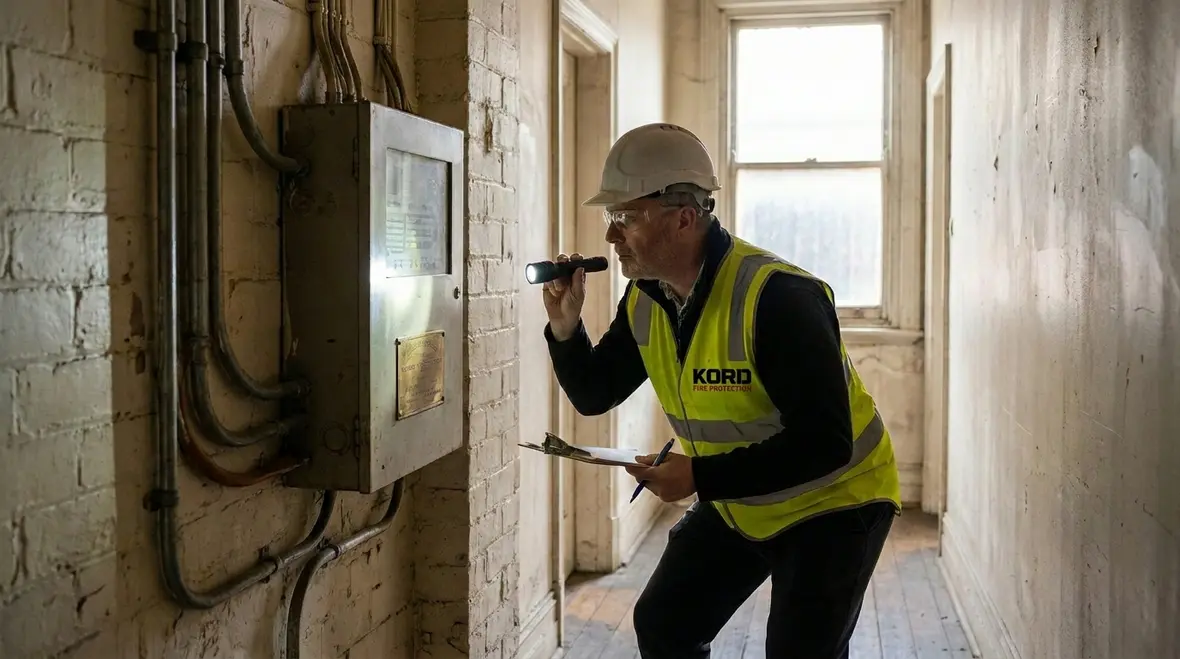
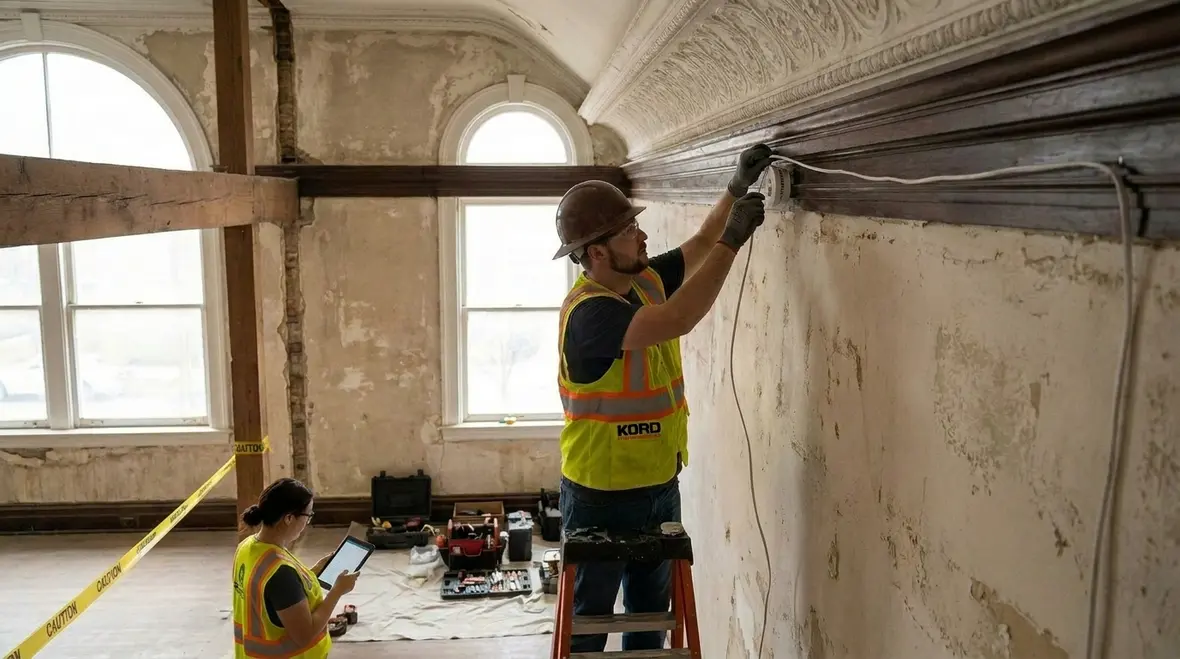
Upgrading in a heritage or character rich environment starts with respect and ends with evidence. First, professionals review existing documentation, test records, and as built layouts. Then they inspect the system components and compare performance to current expectations.
After that, the team maps the building’s constraints. Ceiling void access might be limited. Ducting may block pathways. Fire doors may have custom hardware. Even the way signage sits can matter when authorities review the proposal. As a result, a solid plan focuses on both safety and the practical reality of the site.
At this stage, coordination is everything. Facilities managers, contractors, building owners, and heritage consultants need a shared schedule. Transition words like then, so, and however matter because they signal sequence, decision points, and risk control, not just filler.
And here is the playful truth: nobody wants a fire alarm test day that feels like a haunted house tour. Good planning keeps nuisance events low and keeps everyone’s schedule intact.
Documentation first, demolition never
In historic properties, the planning phase usually decides whether the job feels controlled or chaotic. A proper survey helps teams identify what can stay, what must go, and what needs protection during the works. It also reduces the chances of opening up finishes only to discover a forgotten retrofit from twenty years ago sitting where the new pathway should be.
That same planning discipline supports better phasing. Work can be grouped by floor, tenancy, zone, or risk priority. Temporary measures can be arranged where needed. Notification windows can be scheduled around business activity. In short, the building gets a pathway forward instead of a giant shrug wearing a hard hat.
How Kord Fire Protection supports phased system replacements
Many owners fear that upgrading a system means shutting the building down. That is rarely necessary when the work is phased and controlled. Kord Fire Protection can become a vital partner in this process because it helps teams move from uncertainty to a clear pathway: audit, design, staged installation, testing, and handover.
Instead of swapping everything at once, the project can target the parts that most affect performance and compliance first. For example, the team may update detectors in critical zones, renew panel interfaces, and verify alarm sound patterns. Then it can proceed to expand coverage or modernise interfaces with other safety systems.
Just as important, Kord Fire Protection supports commissioning and documentation so the building fire protection systems perform as expected after the upgrade. That includes test evidence, calibration checks, and practical training for on site teams. Because compliance without usable instructions is like a roadmap without street names.
Where the building includes pump supported protection, owners can also review broader infrastructure needs through Kord Fire Protection’s fire pump services so the upgraded system works as a coordinated whole rather than a set of disconnected improvements.
Common legacy components that usually need attention
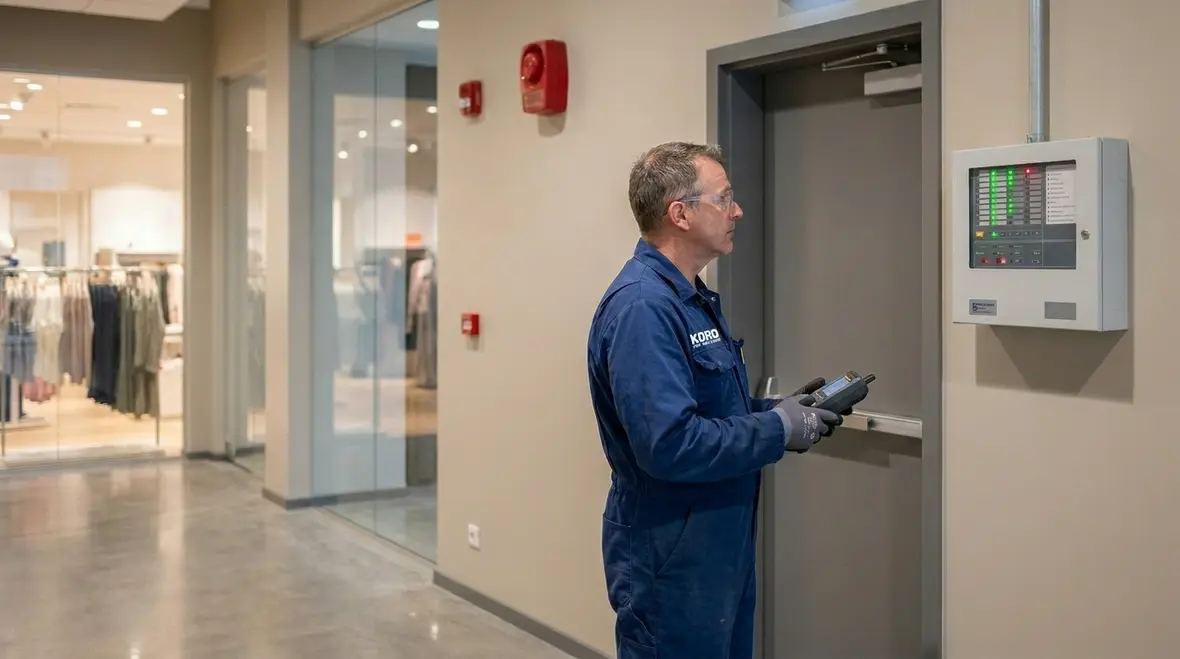
Historic buildings often include older detector types, outdated control panels, and wiring that no longer meets current practices. In addition, some systems rely on analogue approaches that may still function, but offer limited diagnostic detail.
Below are areas that frequently drive upgrade decisions:
- Fire alarm control panels: older panels can struggle with modern interface requirements and troubleshooting needs
- Detection devices: detectors may not provide the coverage or sensitivity needed for current occupancy and layout
- Notification devices: sounders and visual alarms might not meet audibility and visibility requirements in updated spaces
- Field wiring and terminations: ageing cables and historical wiring practices can increase faults and reduce reliability
- Interfaces: links with doors, lifts, emergency systems, and monitoring services may require modern signalling methods
Furthermore, facilities teams often discover “unknowns” during inspections: improvised modifications, missing labels, or detectors installed in ways that do not align with current coverage expectations. Therefore, upgrade work benefits from a structured discovery phase, not guesswork.
Why the “small stuff” matters
It is tempting to focus only on the big ticket items, but smaller components often create the biggest headaches. A tired interface module, a poorly labelled loop, or a device installed in the wrong environment can compromise the performance of the whole system. That is why detailed inspection findings matter so much in older commercial properties.
The goal is not to replace equipment for the sake of it. The goal is to understand what still performs, what introduces risk, and what prevents the system from supporting the building as it exists today. Sensible upgrades save time, money, and a surprising number of future arguments in plant rooms.
Design and installation strategies that protect heritage and safety
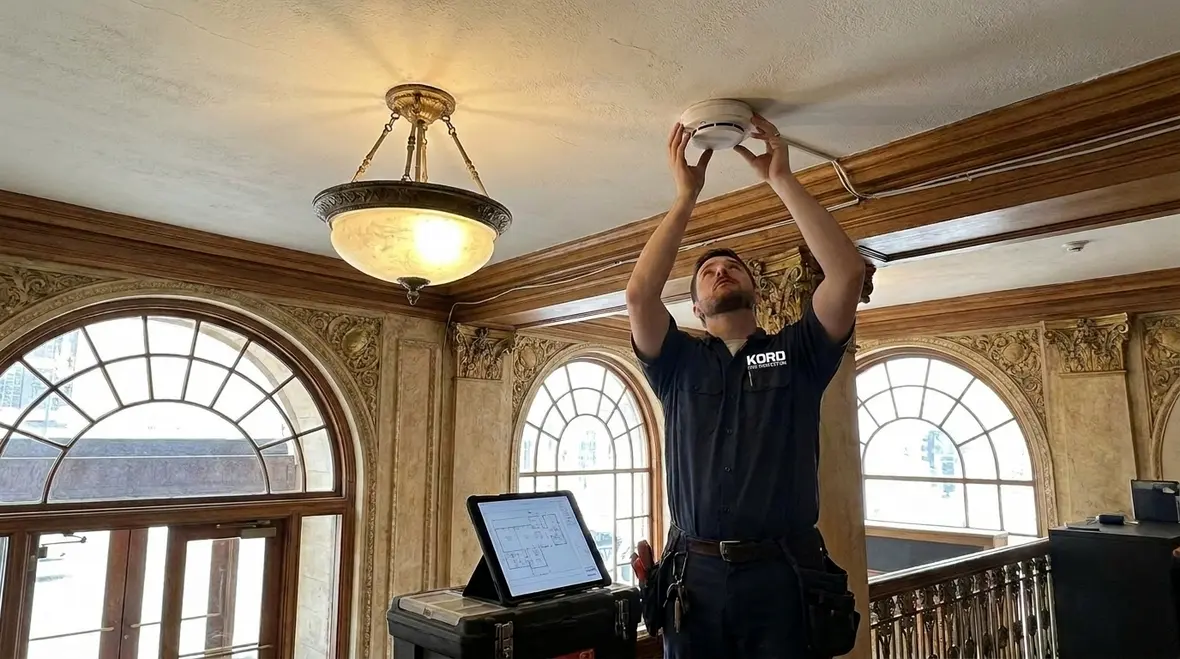
Modern safety design does not have to ruin a building’s character. Professionals can route wiring in ways that minimise visible impact. Then they can place devices carefully so they meet functional needs while respecting architectural features.
When upgrading building fire protection systems, the approach often includes these strategies:
- Discrete device placement to maintain sightlines and preserve finishes
- Compatible mounting methods that avoid damaging heritage materials
- Careful cable management so pathways remain tidy and serviceable
- Staged isolation plans that keep active protection where possible
- Clear testing boundaries to prevent unexpected alarms across occupied areas
However, the priority stays clear: safety performance comes first. If a device location affects detection coverage, the team adjusts even when it would be easier to keep it “where it looks nicer.” In other words, heritage can be preserved and people can still be protected. Both goals belong in the same sentence.
Balancing visibility, access, and long term serviceability
A good installation is not just neat on day one. It must also remain maintainable five and ten years later. Devices need access for testing. Cable routes need logic. Labels need to help the next technician, not send them on a treasure hunt through ceiling voids and risers. Historic buildings add pressure to get that balance right because every intervention tends to be more sensitive, more visible, or both.
That is why experienced teams think ahead during design. They consider future maintenance windows, replacement access, and how later works might affect the upgraded system. It is the opposite of the classic “we will figure it out later” approach, which is famous for creating exactly the kind of headaches everyone claimed they were avoiding.
Testing, commissioning, and proof that the system works
Once devices and panels sit in place, the real work begins. Testing and commissioning confirm that the upgraded building fire protection systems react correctly in real scenarios. This includes verifying alarm operation, fault monitoring, and correct operation across zones and interfaces.
Good commissioning also checks sound and visibility so occupants can respond. Then it verifies that the system communicates properly with monitoring services where applicable. Additionally, teams produce documentation that supports ongoing maintenance.
Why does this matter? Because “it’s installed” is not the finish line. It is the starting line for reliability. After all, even a well written safety plan fails if nobody can prove the system meets required performance when it counts.
At handover, training helps facilities teams understand what changed, how to interpret system status, and what to do during alarms or faults. Therefore, the upgraded system stays dependable long after the contractor leaves.
Featured snippet FAQ: legacy upgrades and compliance
Conclusion: make the upgrade decision before the next failure
Upgrading legacy fire protection systems in historic commercial buildings protects people, reduces downtime risk, and supports long term compliance. With careful audits, phased installation, and strong commissioning, teams can modernise safety without losing architectural character. The right process brings order to a job that can otherwise feel messy, reactive, and more expensive than it needed to be.
If your facility needs a clear plan and dependable execution, Kord Fire Protection can help you move from guesswork to verified performance. Reach out to discuss your site and schedule a structured upgrade pathway today. Better to make the call before the next failure than after the building decides to provide its own dramatic plot twist.

Join Our Newsletter!
Get the latest fire safety tips delivered straight to your inbox From our Newsletter.