Shurjoint Fire Protection Systems: Mechanical Piping Explained
Fire protection is one of those topics people hope they never need, yet it still has to work when it matters. In the real world, mechanical piping systems in fire protection form the backbone of how water, air, or other agents reach the right spot fast. With Shurjoint Fire Protection Systems, the design and installation focus on how mechanical piping behaves under real pressure, vibration, building movement, and time. Meanwhile, kord fire protection technicians walk teams through the “why,” not just the “how,” so the system is both code compliant and practical. And yes, like most things in life, the boring parts are what save the day. Consider this the calm, business friendly tour behind the scenes.
How Shurjoint Fire Protection Systems move water and air
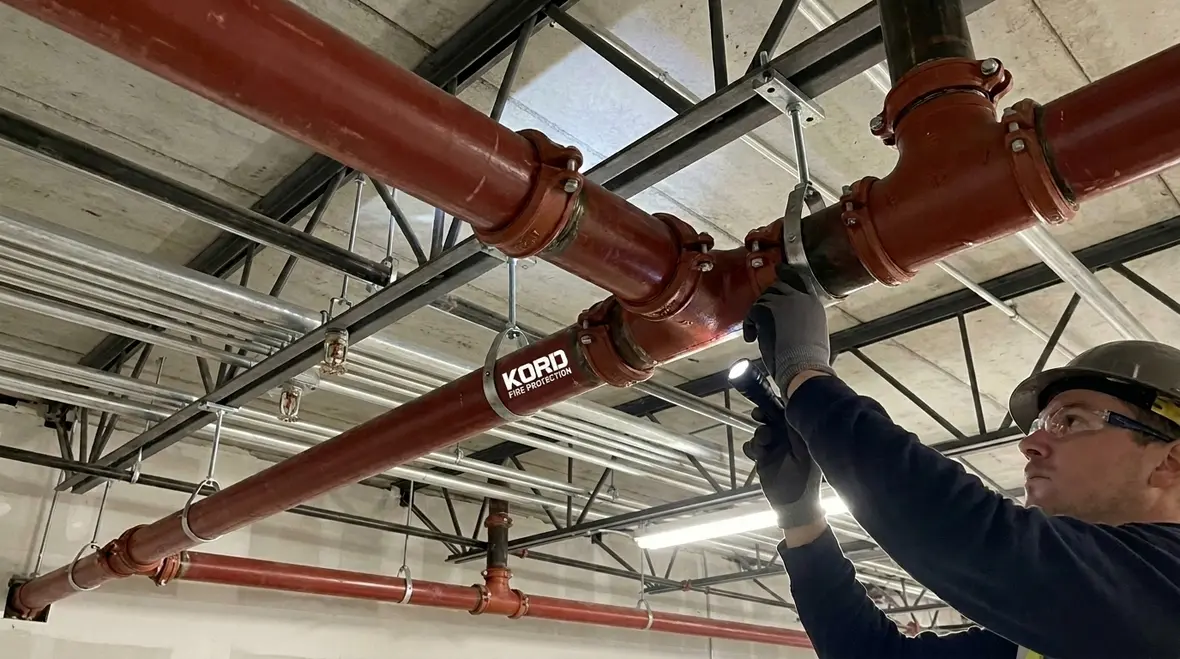
At a high level, these systems use a network of pipe, fittings, and connections that deliver fire protection discharge to sprinklers, standpipes, or other outlets. However, the real story sits in the mechanical details. First, the routing of piping sets up balanced flow. Next, the connection method helps control leak risk and supports stable alignment. Finally, the materials and installation practices influence corrosion resistance and long term performance.
In typical wet sprinkler systems, pressurized water stands ready. When heat activates sprinklers, water flows through the pipe network to the activated head. That means mechanical piping must handle steady pressure most of the time and then react quickly to dynamic flow when a valve or head opens. In dry or pre action systems, air or water staging plays a role, and mechanical piping systems in fire protection must still maintain integrity across that status shift.
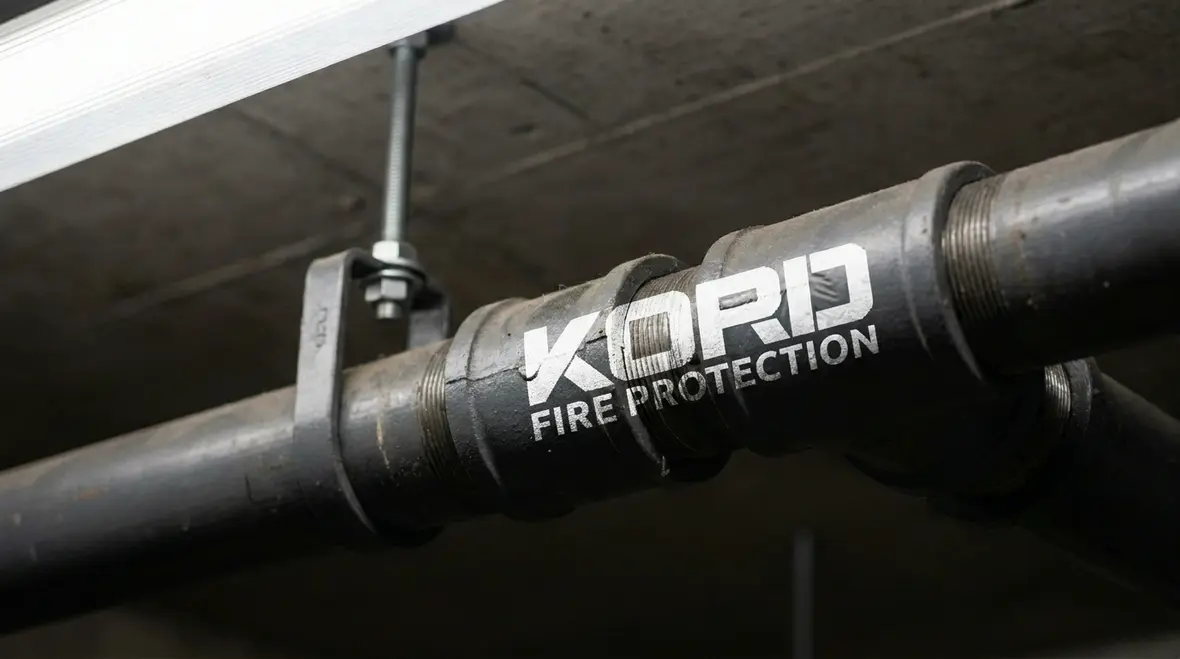
Shurjoint components and connection approaches aim to reduce weak points that can show up at joints. In addition, good spacing, support placement, and proper hangers keep the pipe from sagging or shifting. Therefore, the system stays aligned, and the flow path stays predictable. When kord fire protection technicians explain this, they often use a simple analogy: a fire system is not a playlist, it is a set of instructions. Skip a step at a connection and the whole sequence can get messy. (Like showing up late to the movie, then acting like the plot changed for you.)
Real world use cases for mechanical piping systems in fire protection
Mechanical piping shows up across many building types, and the context matters. In large commercial facilities, fire flow needs to reach multiple zones. Therefore, designers often break routing into reliable branches, then size mains and branch lines to meet demand. In high occupancy spaces, the system also has to remain robust against maintenance activity and future tenant changes.
In warehouses and distribution centers, piping frequently spans long distances. Even so, supports and alignment still control how water moves, and they reduce wear on fittings. Meanwhile, in multi story buildings, risers and floor level networks must handle vertical run pressure and comply with the local design intent.
Hospitals and similar facilities require careful coordination. For example, utility corridors run near sensitive equipment. As a result, spacing, access clearances, and routing choices matter as much as the pipe itself. In these settings, kord fire protection technicians often emphasize field realities. They help crews avoid shortcuts that look fine on paper but fight you during installation, especially around sleeves, penetrations, and tight ceiling spaces.
Additionally, some projects involve complex ceiling conditions, open trusses, or exposed routes. Then, mechanical piping systems in fire protection have to look organized while staying accessible for inspection. Nobody wants a “hidden” system that becomes an excavation project every year. Like a surprise party, it should stay surprising for the guests, not for the inspector.
Key parts inside the system and where failures start
To understand how the system holds up, it helps to know what can fail first. Connection integrity is one. Pipe support and alignment is another. And then comes obstruction, improper routing, or damage from installation work.
Proper fittings and connections keep pressure losses low and prevent leaks. However, even strong components can underperform if support spacing is wrong. If the pipe drifts, stress builds and joints experience strain they were not designed to carry. Therefore, installers must follow the support plan and use approved hardware.
Next, routing choices influence inspection and testing. If pipes run through spaces without access, testing becomes slow and costly. Yet if pipes sit too close to heat sources or face repeated vibration, the system can degrade faster. Hence, the mechanical piping system must respect both fire strategy and building conditions.
Finally, damage during construction remains a common trouble spot. Tools fall, materials get staged carelessly, and protective caps can get removed early. For that reason, kord fire protection technicians often stress simple practices: protect openings, verify cleanliness, and document changes. When crews handle these steps, the system reaches occupancy ready instead of “eventually.”
Strengths and weak points of this approach
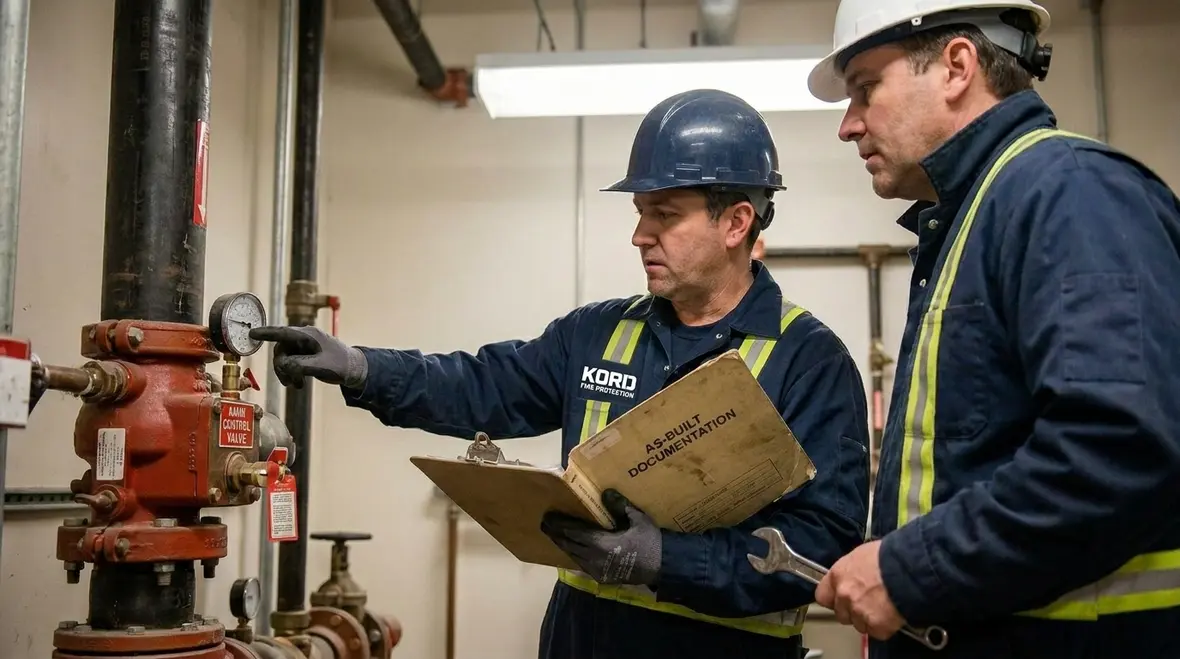
Shurjoint Fire Protection Systems bring clear benefits when mechanical piping systems in fire protection are designed and installed with discipline. The strengths show up in predictable flow, controlled joint performance, and stable installation methods that reduce rework. Moreover, when technicians follow established procedures, the system supports repeatable results across phases of construction.
Another strength lies in how well the system integrates with typical building workflows. When routing and support plans are clear, crews install with fewer surprises. That reduces delays and helps keep coordination smooth between trades.
Now for the weak points, because pretending none exist would be like pretending sprinklers can be replaced with vibes. Potential issues include poor workmanship at joints, missed support locations, and corrosion risks when materials do not match the environment. In some cases, field changes happen late, and then piping layout must adjust while still meeting code requirements.
Additionally, complicated ceiling designs can lead to access challenges. If the design team does not plan for inspection reach and service clearances, the system can become harder to test without disruption. Therefore, the project team must keep an eye on maintainability, not just install speed.
Ongoing maintenance needs that keep performance steady
Even the best mechanical piping systems in fire protection need attention over time. Maintenance does not mean constant tinkering; it means planned checks that catch issues early. Routine inspection focuses on identifying corrosion, leaks, physical damage, and blocked discharge paths.
System testing matters too. Depending on the type of system, periodic checks validate proper water supply flow, valve function, and alarm operation. Then, maintenance teams confirm that gauges read correctly and that supervision devices indicate the right status. While this might sound like a lot, it works like a yearly physical. Nobody loves it, but the goal is to prevent a bigger problem later.
In addition, technicians should manage spare components and update records after changes. If a head was replaced or a valve configuration modified, the documentation must match the field reality. Otherwise, future inspections and emergency response teams operate with inaccurate information.
At this point, kord fire protection technicians bring a calm, methodical approach. They often explain that maintenance becomes easy when installation is clean and labeled. Therefore, good labeling, accessible valves, and tidy routing reduce downtime and keep the system dependable.
NFPA guidance and local code requirements that typically apply
Fire protection codes vary by jurisdiction, yet many projects align to NFPA guidance. Generally, sprinkler system design and installation follow NFPA 13. Standpipe systems often align with NFPA 14. System inspection, testing, and maintenance practices commonly follow NFPA 25. In many areas, local amendments also apply, especially for seismic bracing, water supply documentation, and inspection procedures.
Local code enforcement may add requirements for monitoring, reporting, and response times. Therefore, teams should verify the authority having jurisdiction for each project. To avoid mistakes, designers and contractors often confirm the layout meets the adopted building code and the fire code, including submittal requirements.
Because mechanical piping systems in fire protection depend on sound installation and correct materials, the code lens focuses on both performance and safety. Consequently, crews must document approvals for substitutions, pipe schedules, and fitting compatibility when field conditions force changes.
Practical field guidance for installers and owners
To make these systems easier to live with, the field needs structure. First, teams should keep clear walk paths for access to valves and drain points. Next, they should coordinate with ceiling and mechanical trades so piping does not get trapped behind finished surfaces. Then, installers should verify supports early, because fixing support alignment after ceilings close is a costly way to learn patience.
In addition, labeling and as built drawings reduce confusion for future maintenance. When ownership transitions happen, accurate records keep the system from becoming a mystery box. Also, teams should control changes through a clear process. When modifications get handled late, the risk rises for missed restraints, wrong fittings, or incomplete inspections.
And here is the part where everyone should smile, because it is actually good advice dressed in grown up clothes. By using these systems the right way, the building gains a dependable fire response that works with the structure, not against it. Moreover, when kord fire protection technicians review the details and train crews on the purpose behind the steps, the whole system becomes easier to maintain and easier to trust. In other words, the fire protection plan stops being a document and becomes a living tool.
FAQ
Shurjoint Fire Protection Systems: Mechanical Piping Explained
Conclusion and next steps
Shurjoint Fire Protection Systems rely on disciplined installation of mechanical piping systems in fire protection so the network performs under pressure, movement, and real time demands. When kord fire protection technicians explain the logic behind supports, connections, and maintenance, teams build systems that stay dependable long after commissioning. If a project needs clearer routing, better coordination, or field training that actually sticks, reach out to Shurjoint Fire Protection Systems support. Get a practical plan now and keep your fire protection from becoming a last minute surprise.
Ready for a deeper look at related protection systems? Explore Kord Fire’s standpipe guidance next:
Know Your Weapon Before You Fight the Flame
Kord Fire Protection is your go-to when it comes to all things fire protection. For over 20 years, we’ve been serving Southern California with the quality service and equipment to keep your home or business safe at all times. Our competitive prices reflect our unwavering commitment to protecting what matters most in the event of a fire emergency. Give us a call, send an email, or use that form!

Join Our Newsletter!
Get the latest fire safety tips delivered straight to your inbox From our Newsletter.