What Changes From NICET Fire Alarm Level 1 to Level 2
What changes from Level 1 to Level 2 in NICET Fire Alarm? Those differences can feel like a jump from “read the label” to “run the whole system.” In this guide, kord fire protection technicians explain what typically shifts in scope, depth, and responsibility when someone moves from NICET Fire Alarm Level 1 to Level 2.
Right away, they point out that NICET Fire Alarm is not just a badge. It is a structured path that pushes a technician to understand code intent, interpret design and drawings, and apply testing methods with more independence. And yes, the exam gets tougher, because the industry already runs tough enough without volunteers pretending they know. Now let’s walk through the real changes.
What NICET Fire Alarm Level 1 expects
At Level 1, candidates usually focus on foundational tasks. In other words, they learn how fire alarm systems function and how components work together. Then they practice applying that knowledge in common scenarios.
kord fire protection technicians often describe Level 1 as the stage where a technician can follow procedures reliably. For example, they can support installation checks, basic inspections, and routine verification steps. They also tend to understand typical devices like initiating devices, signaling devices, and control panels at a functional level.
Additionally, the work at Level 1 often stays closer to established documentation and direct oversight. Therefore, the candidate tends to rely on provided plans, standard sequences of operation, and checklists that someone else already built. That does not make Level 1 “easy.” It means the industry wants competence before it asks for judgment calls.
Level 1 is where consistency starts to matter
That point gets overlooked more often than it should. A Level 1 technician is not expected to know every wrinkle of every system, but they are expected to build habits that hold up in the field. That means clean observation, accurate reporting, careful device handling, and enough system awareness to avoid creating problems while trying to solve them. The job is already exciting enough without accidental chaos adding its own bonus round.
What changes from Level 1 to Level 2 in real jobs
When someone moves to Level 2, the scope expands in a measurable way. First, the technician must handle more complex system interpretation. Instead of only confirming that devices exist and run, they must connect the dots between design intent and operational outcomes.
Also, Level 2 typically demands deeper knowledge of how code requirements affect system choices. For instance, the technician must explain why a method is acceptable and why an alternative might not pass scrutiny. That explanation part matters because supervisors, authorities, and project teams need clear reasoning, not just “because the manual says so.”
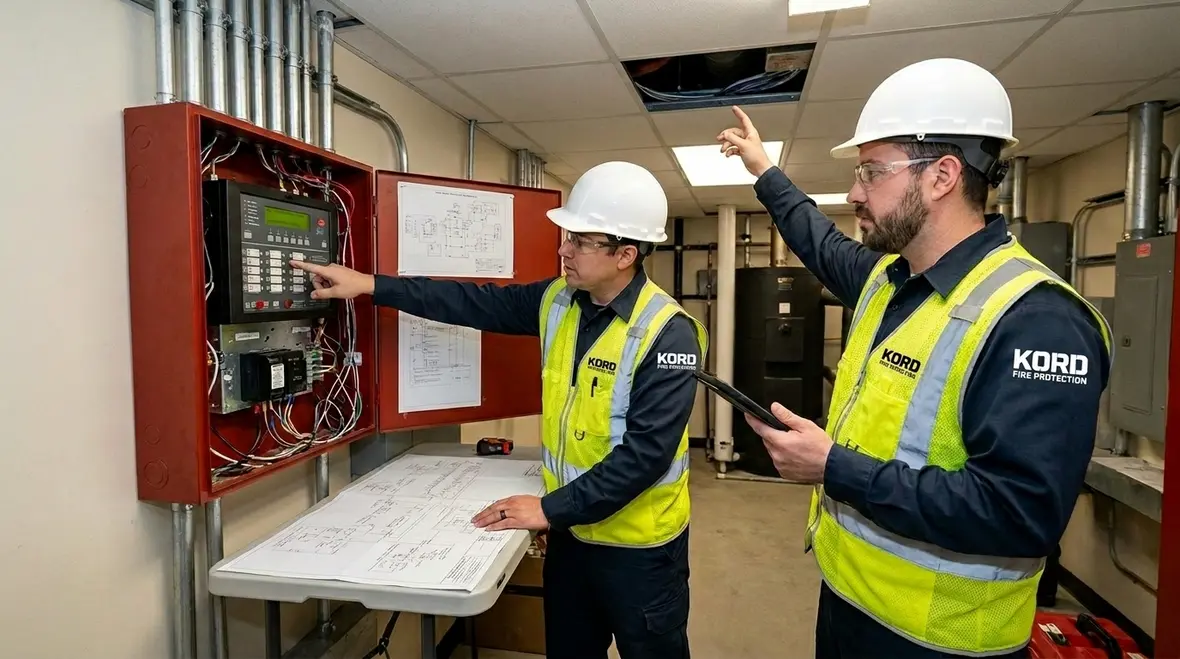
Then there is the shift in responsibility. At Level 2, kord fire protection technicians often see candidates expected to plan test approaches more independently. They may also support troubleshooting logic when system behavior does not match the anticipated sequence.
In practical terms, the technician starts moving from task support into technical ownership of pieces of the job. Not the whole kingdom, not the crown, not the dramatic soundtrack, but enough responsibility that their judgment starts affecting schedule, accuracy, and confidence across the team. That is why Level 2 feels less like “more of the same” and more like a shift into professional trust.
Scope of system design and plan reading
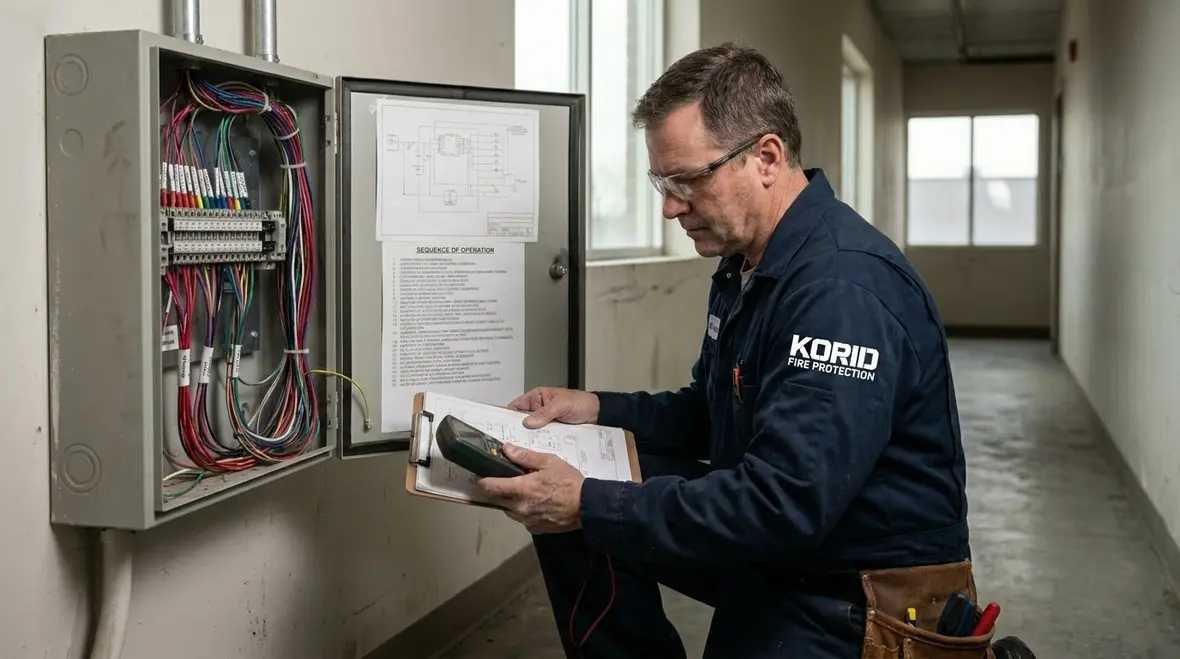
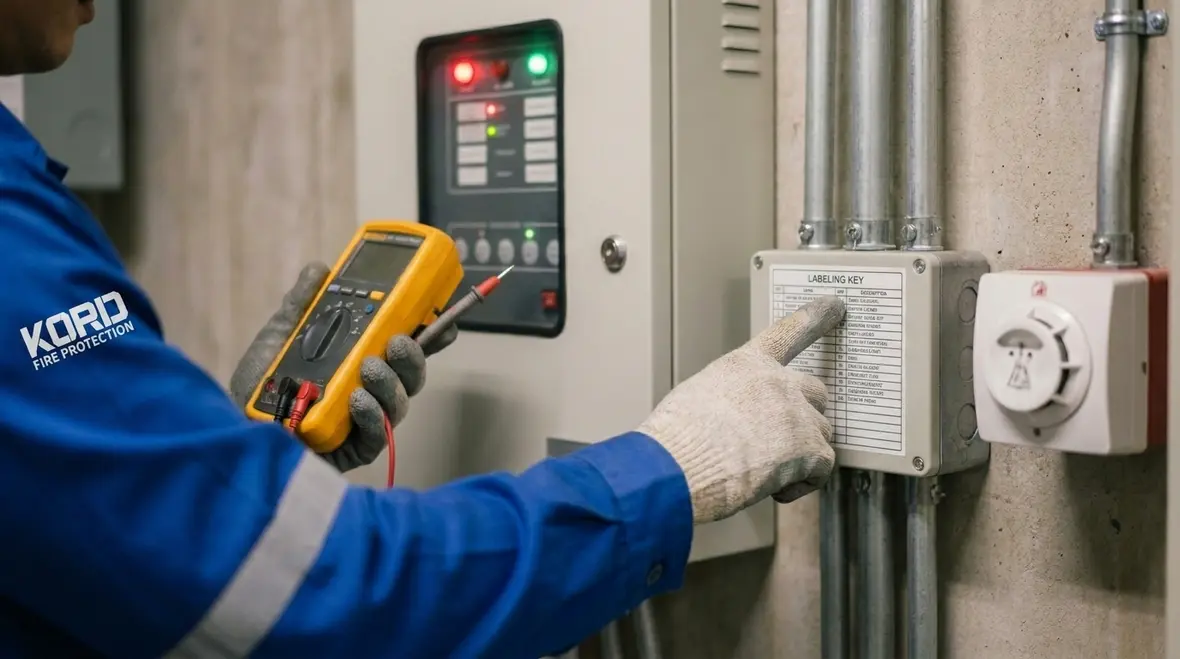
Moving up means plan reading becomes more than finding symbols on a sheet. A Level 2 technician must interpret wiring diagrams, device layouts, and control logic in a way that matches real installed behavior.
For example, they should be able to trace circuits conceptually and understand how changes in one section of the system affect other sections. If a drawing shows a particular signaling arrangement, the technician should understand how that arrangement influences notification strategy during an alarm condition.
Moreover, Level 2 candidates often need better skills with system documentation. They must read sequences of operation, check that intended functions make sense, and confirm that labels, device counts, and pathways align with the design. In short, they spend less time guessing and more time verifying.
Why plan reading matters so much more at Level 2
A technician who reads plans well can spot mismatches before they become expensive problems. They can recognize when a device location creates conflicts, when wiring paths raise practical concerns, or when a sequence on paper does not line up with what is actually installed. That kind of awareness saves time, reduces rework, and prevents the classic last-minute scramble where everyone suddenly discovers the building had opinions of its own.
For readers wanting a broader look at service support around alarm systems, Kord Fire Protection also offers Fire Alarm Services and system support for installation, monitoring, and repair needs.
Testing and inspection depth at Level 2
At Level 1, testing may focus on standard verification. Level 2 usually requires more analytical thinking. The technician must connect test results to system logic and understand how to evaluate outcomes when something fails.
kord fire protection technicians explain it like this: Level 1 verifies “did it work.” Level 2 evaluates “why it worked” and “why it did not.” That means stronger understanding of causes, not only symptoms.
For instance, if trouble signals show up or if notification patterns behave oddly, Level 2 expects the technician to interpret the fault in context. They must consider wiring paths, device behavior, and panel programming effects. Also, they should recognize how system supervision and monitoring functions influence alarms and troubles.
Furthermore, Level 2 candidates generally show more comfort with functional acceptance thinking. They not only run tests, but they also ensure tests match the performance criteria for the system type and project requirements.
This is where better technicians begin separating themselves from button-pushers. Anyone can follow a script when everything behaves. Level 2 is where the script bends, a device acts strange, a signal lands wrong, or the sequence refuses to cooperate, and the technician still has to make sense of the mess. Calm analysis becomes part of the job description whether anyone prints it on a badge or not.
Code and documentation interpretation shifts
Level 2 typically raises the bar on code application and documentation accuracy. A technician must understand how requirements support safety goals, and then apply that knowledge during review, verification, and reporting.
Instead of memorizing isolated rules, Level 2 pushes people to interpret how rules work together. For example, the technician should understand that the system design choices influence installation practices, which then influence inspection outcomes and testing results.
Also, the documentation needs more polish. At Level 2, a technician is often expected to communicate findings clearly. That includes writing notes that support traceability and explaining what was verified, what was not, and what needs correction. Nobody wants a report that reads like a grocery list. The team needs decisions they can defend.
So, kord fire protection technicians encourage candidates to learn how to connect the “paper” to the “field.” That connection is the difference between passing a checklist and earning trust.
Documentation is where professionalism becomes visible
A lot of solid field work loses value when the reporting is vague, incomplete, or impossible to follow. Level 2 expects a technician to leave behind a record that others can use. That helps supervisors, inspectors, service teams, and clients understand what happened without needing a dramatic retelling in the parking lot. Clean documentation is not glamorous, but it is one of the clearest signs that someone is ready for greater responsibility.
Independence and field leadership expectations
Another big change involves independence. Level 1 often works under clearer direction. Level 2 expects the technician to coordinate tasks and make smarter calls during real site conditions.
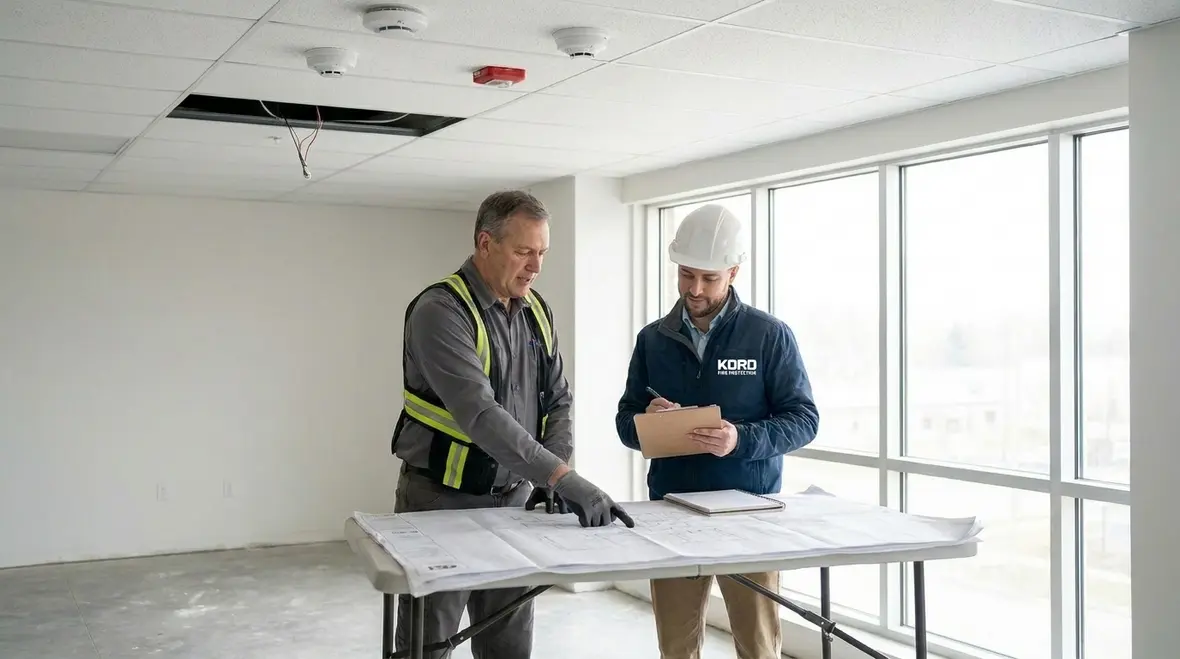
For example, a Level 2 candidate should handle more responsibility in validating that installed work matches design documents. They must also support coordination with other trades by explaining what fire alarm constraints mean for routing, device placement, or equipment mounting.
Additionally, Level 2 can require stronger leadership during commissioning and closeout support. That does not mean the technician runs the entire project. Instead, they often guide the team on verification steps and help prevent last minute surprises.
As kord fire protection technicians like to say, “A good plan is a map. A great tech reads the map and also notices when the road has been rerouted.” Then they laugh, because nobody wants to discover a wiring conflict when the inspector is already on site and the clock is doing parkour.
That growing independence lines up with the broader support Kord Fire Protection provides across Southern California through its full fire protection services, where fire alarm work fits into a larger compliance and life safety strategy.
Featured FAQ: NICET Fire Alarm Level 1 vs Level 2
Final take: step up with confidence and better results
Level 1 builds solid skills. Level 2 tests whether a technician can think, verify, and communicate with clarity under real job pressure. kord fire protection technicians recommend studying how designs translate into installed behavior, then practicing tests like they matter, because they do. If a candidate wants a smoother path, the best move is to align their training with the actual expectations of NICET Fire Alarm work: deeper logic, clearer documentation, and stronger field judgment.
When it is time to support real-world fire alarm needs with a team that handles inspection, installation, monitoring, and service, connect with Kord through its Fire Alarm Services page. Reach out today to get a plan that matches your current level and helps you move forward with confidence.

Join Our Newsletter!
Get the latest fire safety tips delivered straight to your inbox From our Newsletter.