Hydrant Flow Test Data Sheet NFPA 291 Section 4.13
Quick Answer
A hydrant flow test data sheet gives fire safety teams the facts they need to judge water supply, pressure, and flow. Under NFPA 291 Section 4.13, it should capture clear, accurate, and repeatable data. When done well, it helps commercial and industrial sites make smarter fire protection choices and stay ready for inspections.
For sites that need dependable testing support as well as broader system planning, full fire protection services can fit naturally into the bigger picture once the numbers are on the page.
NFPA 291 Section 4.13 and Why the Data Sheet Matters
NFPA 291 Section 4.13 sets the stage for solid hydrant flow testing records. In simple terms, it calls for data that tells the real story of a water supply system. That matters because fire systems do not run on guesswork, and neither should the paperwork. A strong hydrant flow test data sheet helps contractors, facility managers, and fire protection teams capture pressure readings, residual values, and test conditions with confidence.
For industrial sites, retail centers, warehouses, and large commercial buildings across Australia, this is more than admin work. It supports system design, risk checks, and compliance reviews. It also helps avoid the classic problem of bad data wearing a hard hat and pretending to be useful.
What a Hydrant Flow Test Data Sheet Should Capture
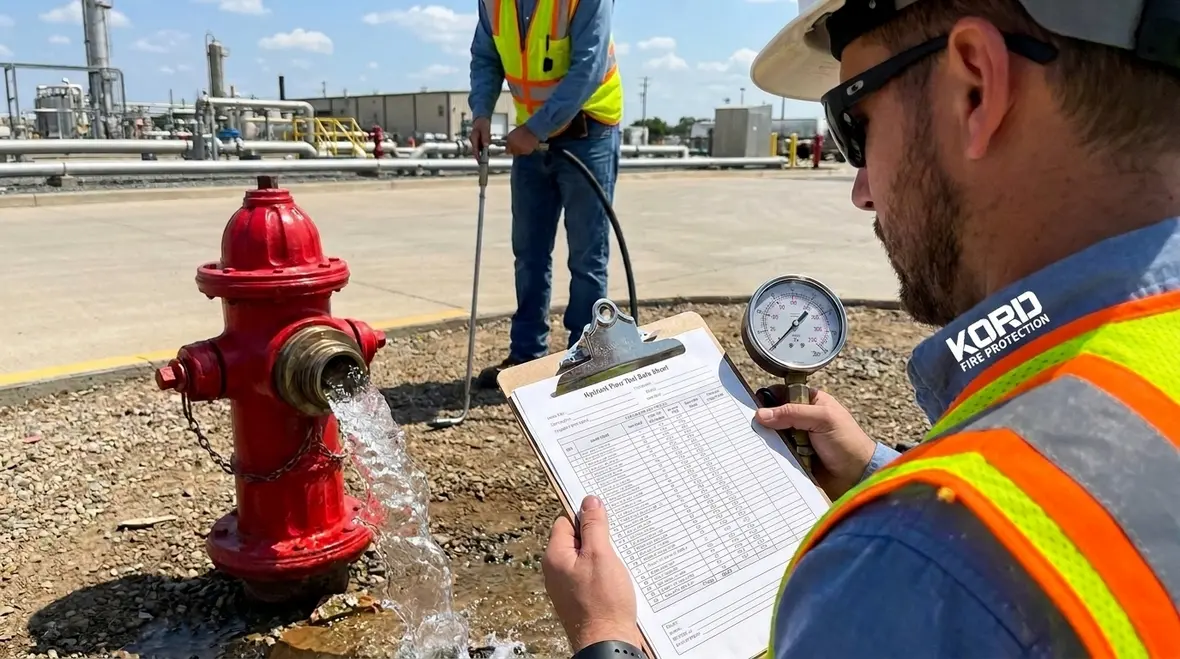
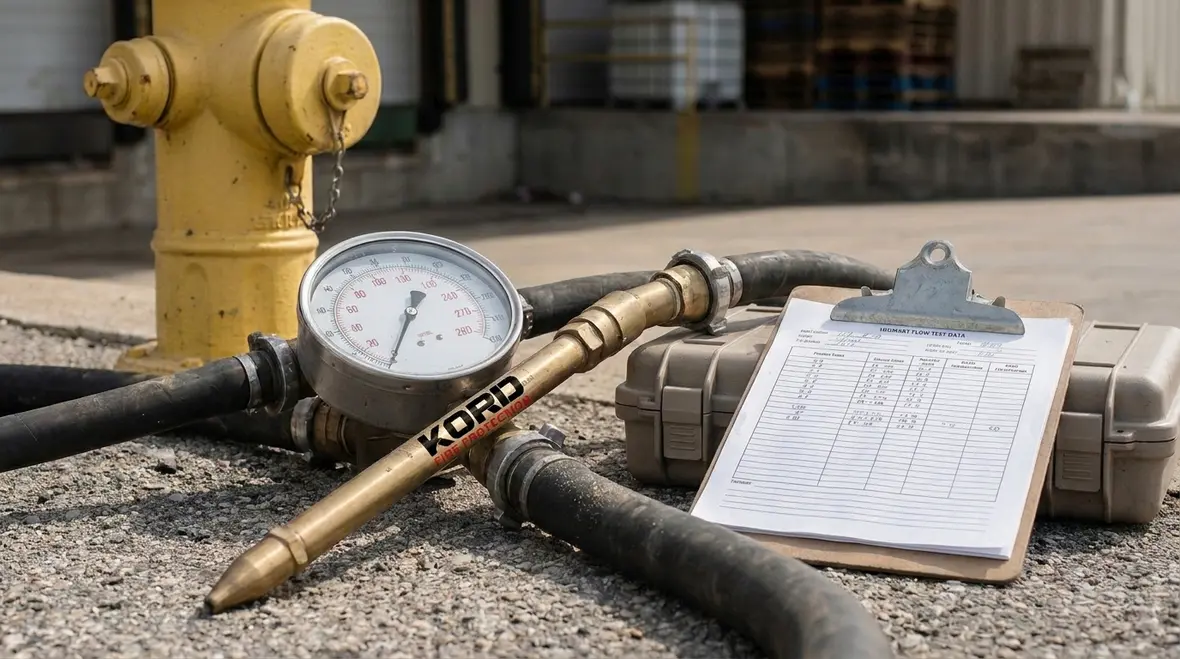
A good data sheet should record the key facts in a clean and usable way. First, it should identify the site, date, time, and exact hydrant location. Next, it should log static pressure, residual pressure, pitot readings, nozzle size, and flow rate. It should also note weather, test duration, and any unusual site conditions.
These details matter because water supply changes from place to place and even hour to hour. For example, a busy industrial precinct may have very different results from a retail site with lower demand. Therefore, the form must leave no room for vague notes like “seemed fine.” Fire safety deserves better than that.
Core fields that deserve a permanent spot
- Site name and street location
- Date and time of test
- Hydrant identification points
- Static pressure reading
- Residual pressure reading
- Pitot pressure and nozzle size
- Calculated flow rate
- Weather and unusual operating conditions
- Technician notes and follow-up actions
How to Keep Hydrant Flow Test Records Clear and Useful
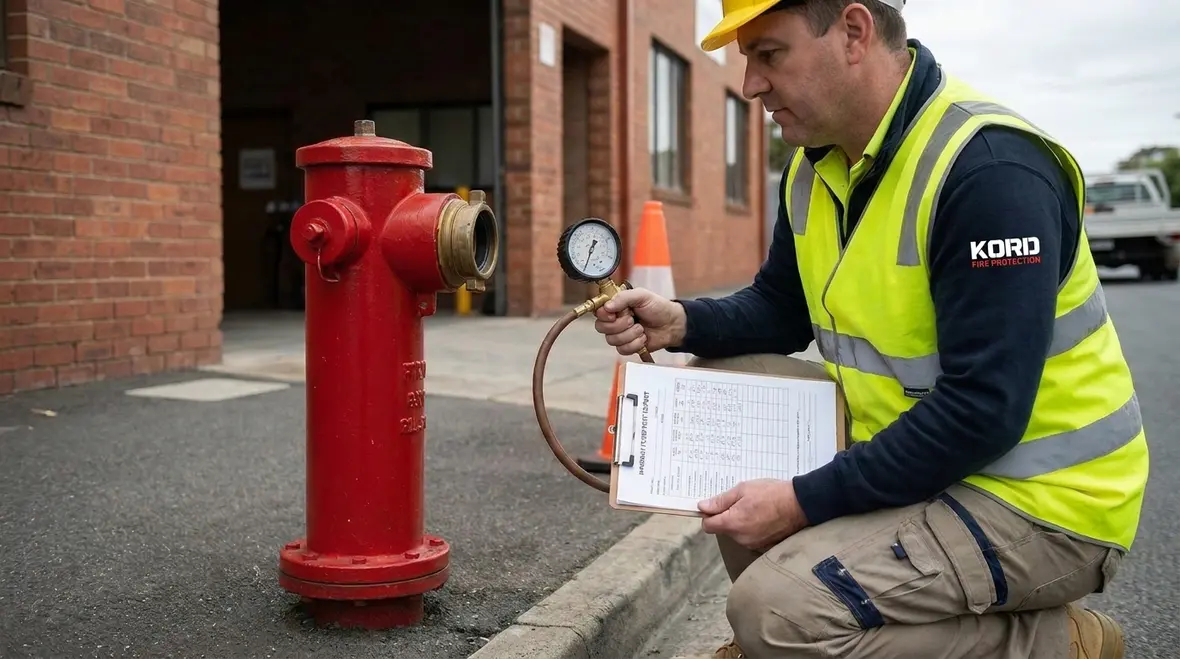
Clarity starts with consistency. The same format should be used every time so teams can compare results across sites and dates. In addition, the sheet should use simple labels, easy units, and enough space for comments. Digital records can help, but only if they are filled in properly. A beautiful blank form is still just office wallpaper.
To keep the records useful, teams should:
- Use the same test method across similar sites
- Record readings at the same point during each test
- Check that gauges and tools are calibrated
- Write down any flow restrictions or site changes
- Store the completed sheet where it can be found fast
Why standard formatting saves headaches later
When records are organized the same way every time, reviews move faster and decisions get easier. Engineers can compare older and newer results without playing detective, facility managers can spot trends before they become ugly surprises, and compliance conversations stay grounded in facts. That is a far better outcome than flipping through mixed formats like someone shuffled the paperwork for sport.
Best Practice
- Record all key readings at the site
- Use clear field names and units
- Note weather and site conditions
- Keep results in one standard format
Why It Helps
- Prevents gaps that can weaken reporting
- Reduces confusion during reviews
- Adds context for pressure and flow changes
- Makes comparison easier over time

Why Accuracy Is Critical for Commercial and Industrial Sites
Accuracy is not just a nice touch. It drives real decisions. A hydrant flow test data sheet supports fire system design, pump sizing, hydrant performance checks, and water supply planning. If the numbers are off, the fire protection strategy can miss the mark. That can mean wasted spend, compliance issues, or weak protection when it matters most.
Across Australia, many facilities face changing site use, added stock loads, expanded floor space, and stricter risk controls. Because of that, accurate test data helps teams adjust fire protection plans before small issues grow into larger ones. In other words, it is far cheaper to fix a weak water supply plan than to discover it during an emergency. That lesson tends to arrive with a very bad soundtrack.
This is also where contextual reading helps. If readers want a broader look at how pressure, flow, and system behavior connect in practice, Kord Fire Protection’s Fire Hydrant Flow Test Guide to Water Pressure adds useful background without sending anyone into acronym fatigue.
How Kord Fire Protection Supports the Job
Kord Fire Protection can become a vital partner in hydrant flow testing because it brings practical experience, site knowledge, and a focus on correct reporting. For facility teams, that means less stress and better confidence in the results. Kord can help ensure the hydrant flow test data sheet is completed with care, so the numbers are reliable and easy to use later.
Just as important, Kord Fire Protection can assist with compliance support, site coordination, and advice on what the results mean for the next step. That service is valuable for busy industrial, retail, and commercial operations that cannot afford delays or confusion. After all, no one wants to discover a problem after the paperwork has already filed its resignation.
For readers wanting a close match to this topic, Kord also has a related resource on NFPA 291 fire hydrant testing and marking guidance, which fits neatly alongside data sheet practices and reporting expectations.
What Facility Managers Should Check After the Test
Once the test is complete, the next step is review. The completed hydrant flow test data sheet should be checked for missing readings, unclear notes, and outlier results. Then, the findings should be compared with past tests if they exist. This helps spot trends such as falling pressure or limited flow capacity.
Facility managers should also confirm that the report supports any needed upgrades or maintenance actions. If the results suggest risk, action should follow quickly. Good data only matters when someone uses it. Otherwise, it becomes another file waiting for a hero movie that never starts.
A practical post-test checklist
- Check the sheet for blank fields or missing signatures
- Confirm pressures, pitot readings, and flow calculations are legible
- Compare current results with older reports where available
- Flag unusual pressure drops or suspiciously neat numbers
- Assign follow-up tasks while the test details are still fresh
FAQ
Conclusion
A well kept hydrant flow test data sheet does more than fill a file. It protects decisions, supports compliance, and strengthens fire safety across Australian facilities. When the readings are complete, clear, and consistent, teams can use them with confidence instead of squinting at vague notes and hoping for the best.
For teams that want accurate results and less hassle, Kord Fire Protection can be a strong partner from test setup to final report. When the water supply matters, the details matter even more, and that is exactly where good testing records earn their keep.

Join Our Newsletter!
Get the latest fire safety tips delivered straight to your inbox From our Newsletter.