How Pressure Relief Valves Improve Fire Suppression
How Pressure Relief Valves Improve Suppression System Efficiency
In every well designed fire protection system, there is a quiet hero working behind the scenes. It does not spray water. It does not trigger alarms. It does not wear a shiny helmet. Yet without it, even the most advanced system would struggle to perform at its best. That hero is the pressure relief valve. For facilities aiming to Improve Fire Suppression, understanding how these valves function is not just helpful. It is essential. Kord Fire Protection technicians often explain that while suppression systems fight fire, pressure relief valves protect the system itself. And as any seasoned professional will say, even superheroes need a sidekick.
So let us take a steady walk through how pressure relief valves support efficiency, reduce damage, and quietly ensure that when fire strikes, everything works exactly as planned.
The Role of Pressure Relief Valves in Fire Protection Systems
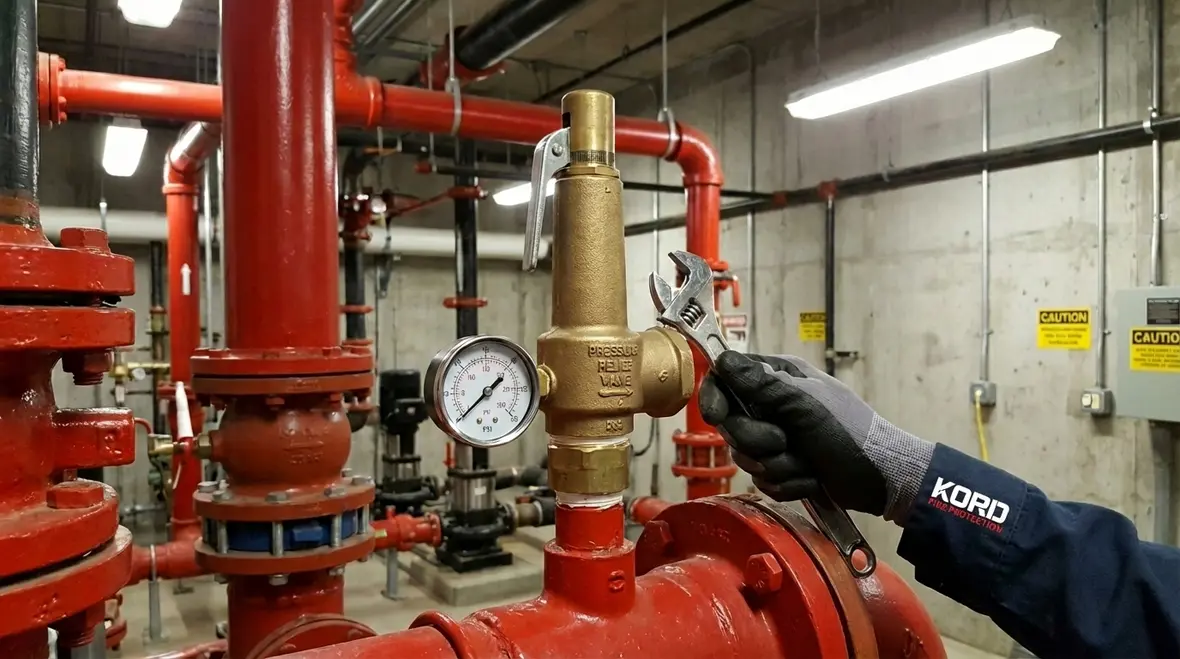
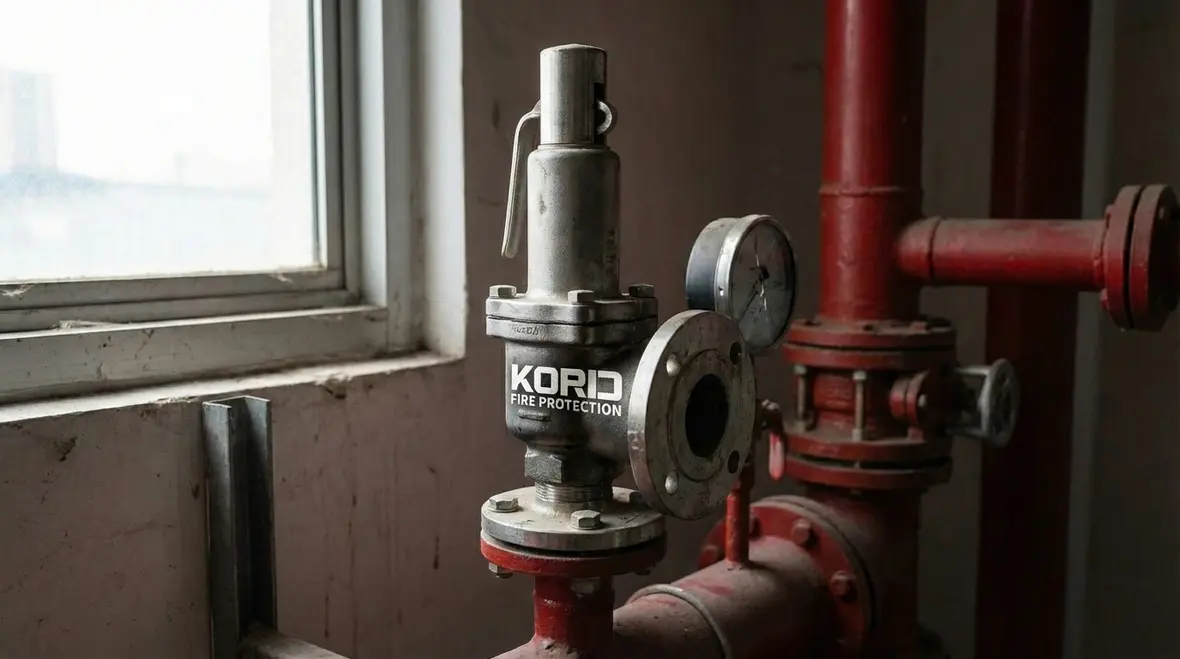
At its core, a pressure relief valve regulates excess pressure within a suppression system. When pressure rises beyond a safe threshold, the valve opens and releases it. Once the pressure stabilizes, the valve closes. Simple in theory. Powerful in practice.
Fire suppression systems operate under carefully calculated pressure levels. However, pressure can spike for many reasons. Temperature changes, pump surges, water hammer, or sudden valve closures can all cause sharp increases. Without a release mechanism, that pressure looks for an escape route. Usually, it finds it in the form of damaged pipes, cracked fittings, or compromised seals.
Kord Fire Protection technicians frequently explain to building owners that suppression systems are engineered with precision. However, even precision systems must account for real world variables. Therefore, pressure relief valves act as a safety buffer. They absorb stress before it turns into system failure.
If you are curious how this fits into inspection programs, Kord’s wet sprinkler system inspection overview walks through how valves, gauges, and alarms are evaluated together for reliable system performance.
Why Managing Pressure Is Key to System Efficiency
System integrity as the foundation of performance
Efficiency in fire suppression is not just about how fast water or agent reaches a fire. It is also about system integrity. A system under constant stress will degrade over time. Leaks develop. Components weaken. Maintenance costs rise.
Stable pressure, smoother operation
When pressure remains stable, pumps operate within their intended range. Pipes maintain structural strength. Valves seal properly. Consequently, the entire system functions with less strain. That stability helps improve fire suppression performance during real emergencies.
The orchestra analogy
Think of it like a well tuned orchestra. If one instrument plays too loudly, the harmony collapses. Pressure relief valves ensure that no single surge overwhelms the system. As a result, every component performs in balance.
For many facilities, this harmony is confirmed during scheduled testing. Kord’s guides on fire sprinkler testing in Los Angeles County and other jurisdictions highlight how pressure checks fit into that bigger picture of efficiency and compliance.

How Pressure Relief Valves Improve Suppression System Efficiency in High Demand Environments
High capacity systems and complex piping
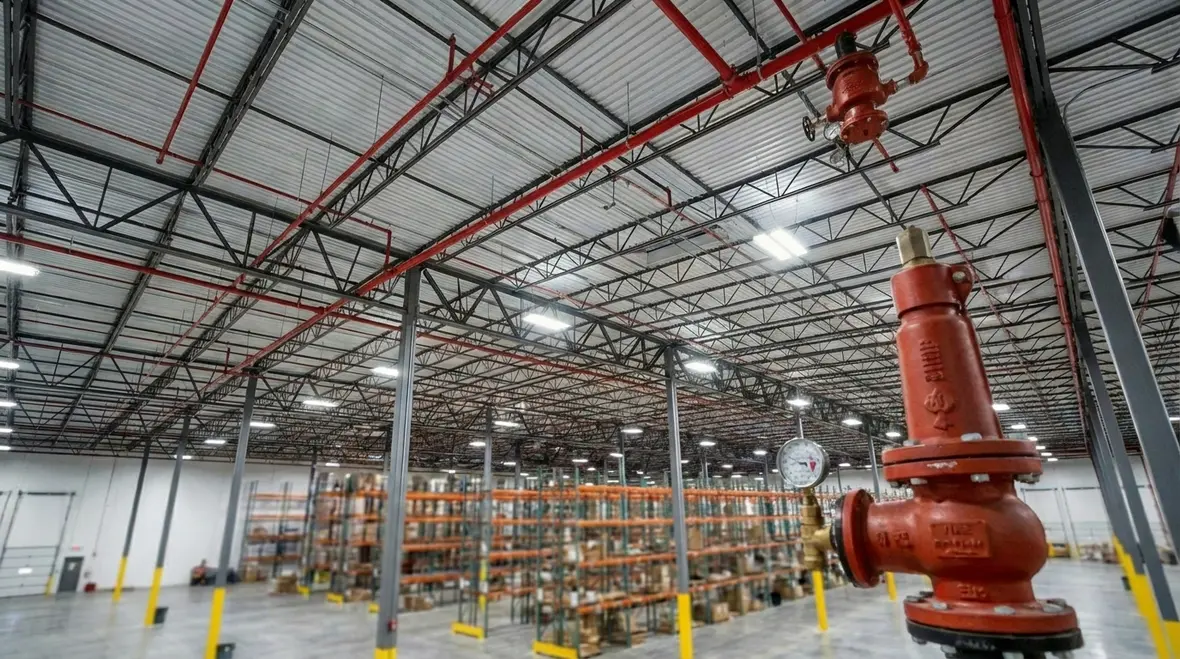
Large facilities such as warehouses, data centers, hospitals, and manufacturing plants demand consistent suppression performance. These environments often rely on high capacity pumps and extensive piping networks. With that complexity comes increased risk of pressure spikes.
Kord Fire Protection technicians often describe these systems as highways for water or suppression agents. When traffic flows smoothly, everything works. However, if a sudden surge hits the line, it is like rush hour chaos. Pressure relief valves function like smart traffic control, redirecting excess flow before it causes accidents.
High rise and vertical pressure zones
Moreover, in high rise buildings, vertical elevation adds additional pressure considerations. Water traveling upward and downward creates varying pressure zones. Relief valves maintain safe thresholds throughout the building. Therefore, upper floors and lower floors both receive proper protection without overstressing the infrastructure.
Better discharge, activation, and distribution
In these demanding settings, pressure management does more than prevent breakage. It ensures reliable discharge patterns, accurate sprinkler activation, and consistent agent distribution. Ultimately, that reliability helps improve fire suppression outcomes when seconds truly matter.
For a deeper breakdown of how maintenance supports this reliability, Kord’s NFPA 25 maintenance overview explains the inspection and testing intervals that keep pressure under control year after year.
What Happens Without Proper Pressure Regulation
Damage you cannot see at first
What if a suppression system operates without effective pressure relief? The answer is not dramatic at first. In fact, the system may appear fine. However, behind the scenes, damage begins.
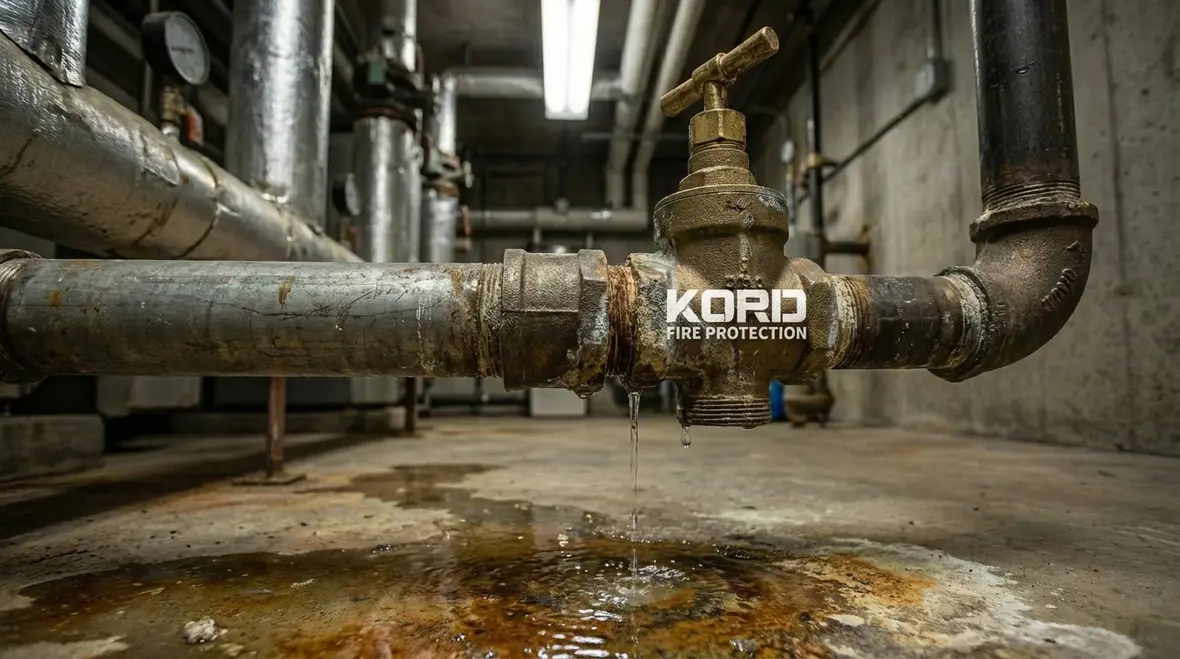
First, excess pressure accelerates wear on seals and gaskets. Then, micro fractures form in pipes. Over time, joints loosen. Eventually, leaks appear. In worst cases, pipes rupture during system activation. And when that happens, water flows where it should not. Fire protection weakens exactly when it is needed most.
The “check engine light” of suppression systems
Kord Fire Protection technicians sometimes explain this with a bit of humor. Ignoring pressure control is like ignoring the check engine light. Sure, the car still runs. Until it does not. And nobody wants their fire suppression system to have a roadside breakdown.
Insurance, inspections, and real world costs
Additionally, insurance claims tied to system failures often reveal pressure related damage. Therefore, installing and maintaining pressure relief valves is not only a safety decision. It is a financial one. During formal inspections, many of the common fire code violations that surface—like damaged heads, leaking fittings, and neglected testing—can be traced back to pressure stress somewhere in the system’s history.
Key Benefits of Pressure Relief Valves
Pressure relief valves provide measurable advantages that support long term system performance.
Primary benefits
- Protect pipes and fittings from stress damage
- Extend equipment lifespan
- Reduce maintenance costs
- Support consistent discharge pressure
- Help maintain code compliance
Operational advantages
- Stabilize pump performance
- Prevent water hammer events
- Protect specialized suppression agents from over pressurization
- Maintain system readiness
Because of these benefits, facility managers who prioritize pressure regulation often see fewer emergency repairs. In turn, they experience greater confidence in system reliability. That confidence becomes invaluable during inspections and real world incidents.
Where Pressure Relief Valves Fit Within the System Design
Typical locations and set points
To fully appreciate their value, one must understand placement. Pressure relief valves are typically installed near pumps, at risers, or in zones where pressure spikes are most likely. Engineers calculate set points carefully. If the valve opens too early, performance suffers. If it opens too late, damage occurs.
Calibration, testing, and monitoring
Kord Fire Protection technicians emphasize that proper calibration matters just as much as installation. During routine inspections, technicians verify that valves open at the correct threshold and reseat properly. Even a small deviation can alter system behavior.
Furthermore, integration with monitoring systems allows facility managers to track pressure events. This data offers insight into system health. Over time, trends reveal whether pumps cycle too aggressively or if certain zones experience repeated surges. As a result, adjustments can be made before failures develop.
How Technicians Explain It to Building Owners
Guardians behind the firefighters
When Kord Fire Protection technicians walk a facility floor, they often translate technical concepts into clear language. They explain that pressure relief valves act like guardians. They do not fight the fire directly. Instead, they ensure the firefighters, meaning the pipes and sprinklers, arrive ready for duty.
Controlling power instead of adding more
They also clarify that improving efficiency does not always mean adding more power. Sometimes, it means controlling the power already present. By keeping pressure within safe limits, systems operate smoothly and predictably. Consequently, owners gain peace of mind.
The introverts of fire protection
And yes, sometimes a technician will joke that pressure relief valves are the introverts of fire protection. Quiet. Understated. Yet absolutely essential. Batman may get the spotlight, but Alfred keeps the mansion running.
Choosing the Right Valve to Improve Fire Suppression Performance
Matching valve type to the application
Selecting the appropriate valve depends on system size, fluid type, operating pressure, and regulatory requirements. Not all valves are equal. Some are spring loaded. Others use pilot operated mechanisms. Each serves a specific purpose.
Material selection for water and clean agent systems
For water based systems, durable corrosion resistant materials ensure long term reliability. For clean agent systems, precise calibration prevents accidental discharge while maintaining protection. Therefore, consultation with experienced technicians becomes critical.
How Kord Fire Protection supports selection
Kord Fire Protection technicians guide clients through this process. They assess pump curves, pipe layouts, and hazard classifications. Then they recommend valves that align with both safety standards and operational goals. This tailored approach helps improve fire suppression reliability without overcomplicating the design.
Maintenance Practices That Sustain Efficiency
Inspection, testing, and documentation
Even the best valve cannot protect a system if neglected. Regular inspection ensures springs maintain tension, seals remain intact, and discharge paths stay clear. Technicians test activation points and verify reseating after release.
Moreover, maintenance teams document findings and compare them year over year. This proactive approach identifies gradual shifts before they become major issues. Consequently, facilities avoid surprise failures during annual inspections.
Compliance and long term performance
Preventive care also reinforces compliance with national and local codes. Because fire protection regulations evolve, staying current protects both occupants and investments. In the long run, disciplined maintenance supports consistent efforts to improve fire suppression performance.
For many building owners, partnering with a full service provider simplifies this work. Kord’s full fire protection services bundle sprinkler, alarm, and extinguisher support so that valves, pumps, and detection equipment stay on the same compliance calendar.
Frequently Asked Questions
Conclusion
Pressure relief valves may not command attention, yet they form the backbone of a resilient fire protection strategy. By stabilizing pressure, protecting components, and extending system life, they quietly ensure readiness when it matters most. For facilities seeking to improve performance and safeguard investments, expert guidance makes all the difference.
Connect with Kord Fire Protection technicians today and take the next confident step toward stronger, smarter fire suppression. Whether you need targeted valve support or full fire protection services across sprinklers, alarms, and extinguishers, a coordinated approach keeps pressure under control and your system ready for the moment it is needed most.
Know Your Weapon Before You Fight the Flame
Kord Fire Protection is your go-to when it comes to all things fire protection. For over 20 years, we’ve been serving Southern California with the quality service and equipment to keep your home or business safe at all times. Our competitive prices reflect our unwavering commitment to protecting what matters most in the event of a fire emergency. Give us a call, send an email, or use that form!

Join Our Newsletter!
Get the latest fire safety tips delivered straight to your inbox From our Newsletter.