How C-TEC Fire Panels Support Reliable Fire Alarm Panel Design
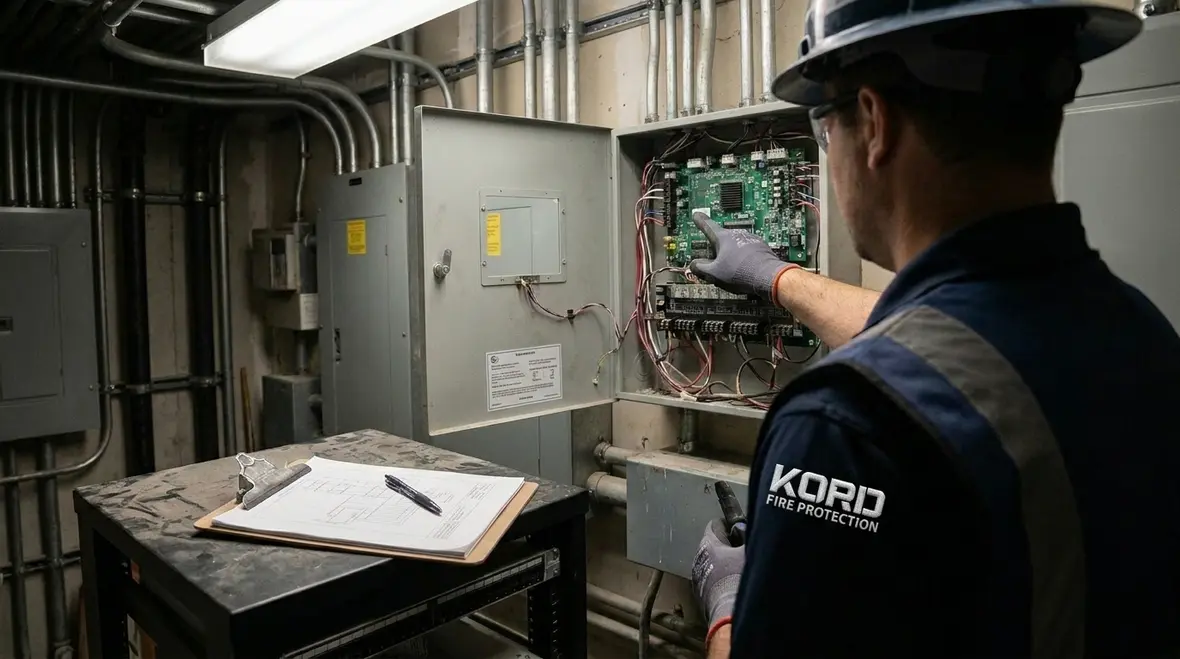
When someone wants a dependable alarm system, C-TEC fire panels often land near the top of the shortlist. In most projects, the foundation is a clear fire alarm panel design plan: where devices connect, how signals travel, and how the panel decides what happens next. Then, Kord Fire Protection technicians take over the practical part by mapping site needs to the right programming approach and wiring layout.
To put it plainly, the panel does not “guess.” It listens, interprets, and triggers actions based on installed devices and rules set during design. And yes, that means a properly drawn system diagram matters more than watching a horror movie and hoping the wiring magically fixes itself.
Overview of How C-TEC Fire Panels Work
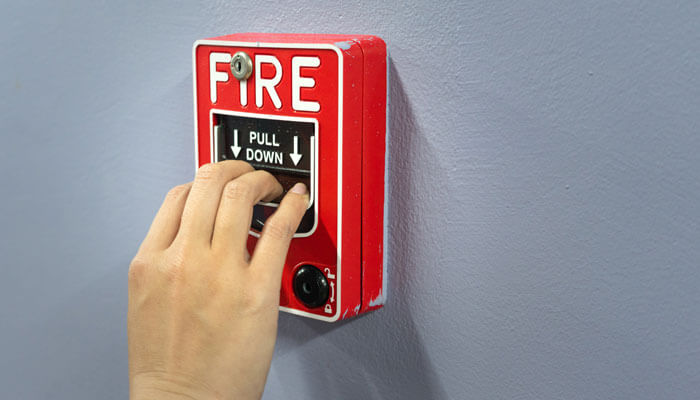
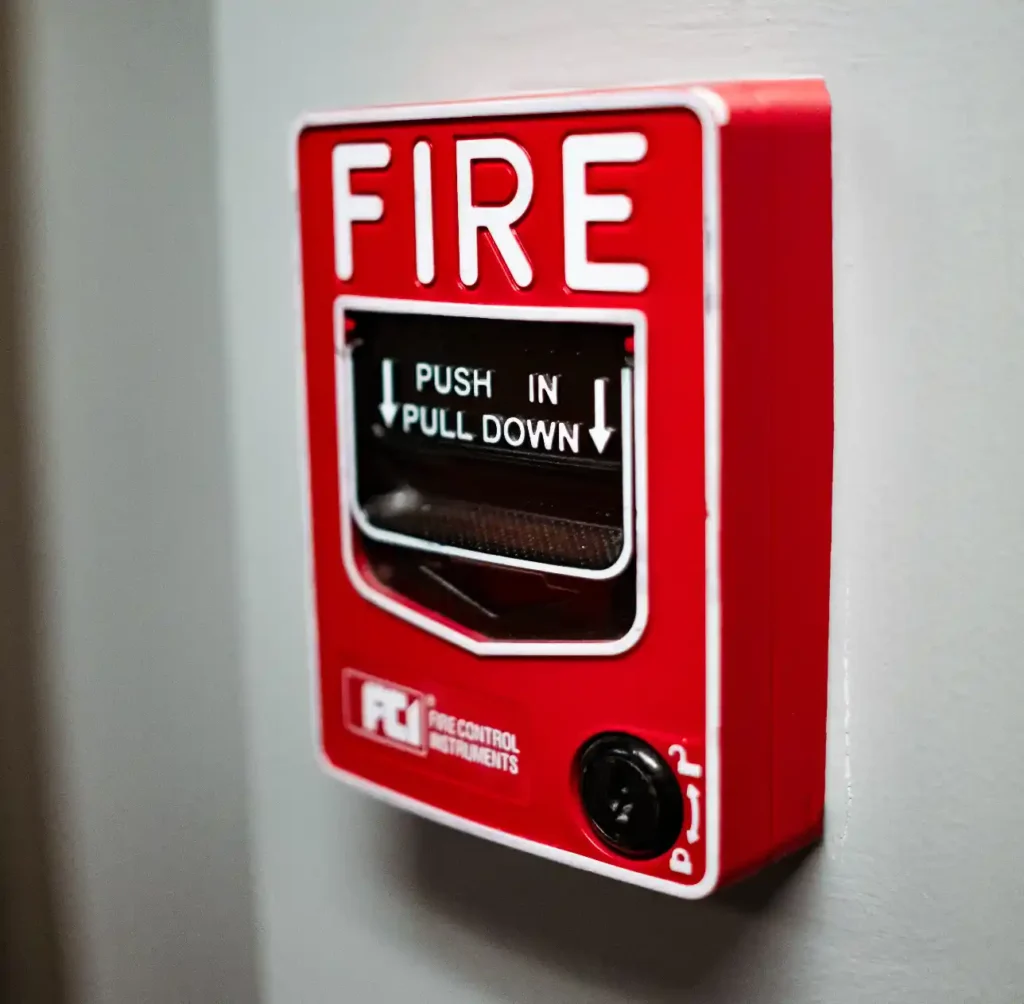
At the core, a C-TEC panel acts as the system brain. It monitors initiating devices like smoke detectors, heat sensors, and manual call points. When a device activates, the panel receives a signal and then follows the programmed logic built during the fire alarm panel design process.
In a typical layout, the system divides into loops or zones. Each zone helps staff find the problem quickly, without turning the building into a scavenger hunt. Next, the panel uses programmed cause and effect settings to control outputs such as sounders, strobes, door hold open releases, elevator recall, and fire service interfaces.
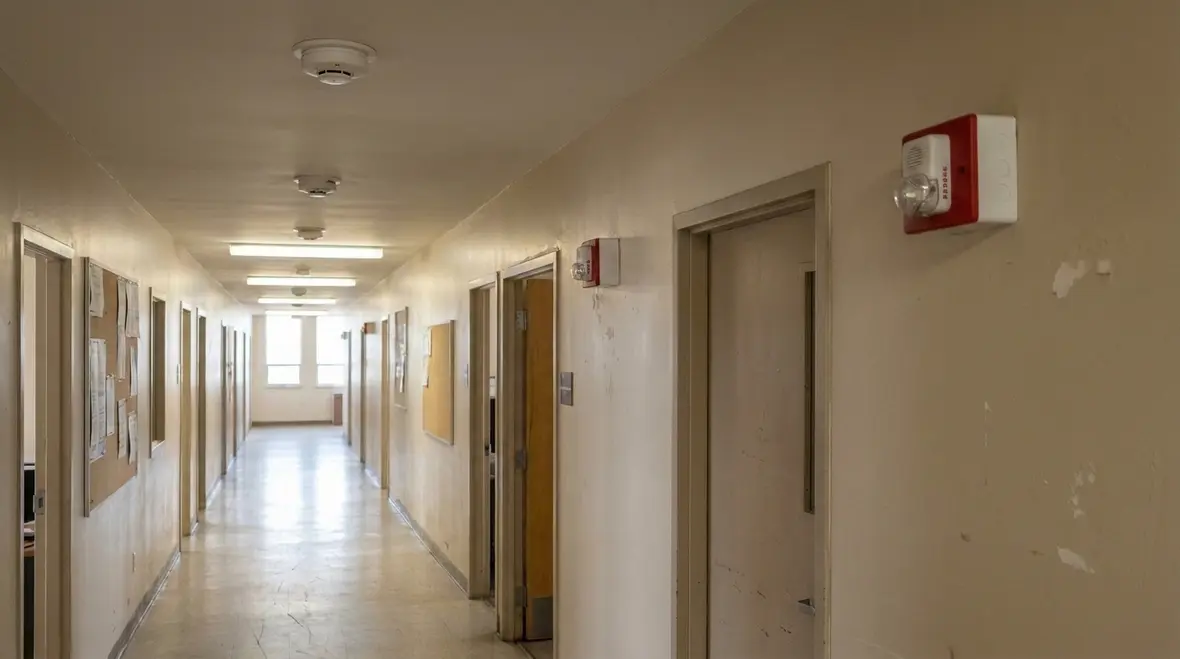
Because every building behaves differently, Kord Fire Protection technicians often build the design around the way people move and how compartments work. For example, stairwells need clear notification paths, while commercial corridors require strong audibility and visible signaling at the right heights.
Just as important, the panel manages supervision. It checks the status of circuits for open faults and short circuits, so problems show up early. Instead of waiting for a real fire, maintenance teams get alerts before the system becomes the world’s most expensive paperweight.
Real World Use Cases and System Logic on Site
In everyday work, C-TEC installations show up in small-to-mid sized commercial spaces, offices, schools, light industrial settings, and multi use buildings where code requires a consistent alarm strategy.
In one common scenario, the panel supports a phased evacuation approach. For example, staff may receive pre alarm warnings, and then the general alarm triggers if conditions confirm a fire. This logic helps reduce unnecessary downtime, especially in spaces with occasional dust or steam.
In another real case, a facility with secure rooms needs reliable signaling without compromising access control. The panel then coordinates door releases and alarm signaling with the building’s hardware. As Kord Fire Protection technicians explain during design walks, the goal stays simple: trigger the right action, at the right time, in the right place.
For hospitals or care facilities, the system logic often prioritizes clear notification and staff response. Consequently, the design may include distinct zones for different departments, so teams can verify an alarm source quickly while maintaining safe response procedures.
And for retail environments, the design often accounts for high noise levels and seasonal traffic. Therefore, the notification appliances must deliver consistent audibility and visibility. That means the panel’s output settings and appliance placement go together, like peanut butter and… well, the thing that does not stick to the roof of your mouth.
Strengths and Weak Points in Alarm System Design
C-TEC fire panels bring several strengths that help teams deliver dependable performance. First, they support structured system configuration, so designers can map inputs to outputs without vague assumptions. Second, the supervision features help catch wiring or device issues early. Third, the panel’s flexible output control supports typical cause and effect needs in commercial sites.
However, strengths come with design discipline. A weak point can appear when someone treats the panel like a black box. If the fire alarm panel design does not reflect the building layout, zones become too broad and response teams lose time. Similarly, if notification appliance coverage gets rushed, occupants may not hear or see alerts reliably.
Kord Fire Protection technicians often stress that programming clarity matters. If alarm delays, pre alarm steps, or signal routing get set without clear documentation, future changes become harder. It is like changing your phone password without writing it down, then acting surprised when you cannot log in.
Another real limitation shows up when a system gets “patched” over the years. New devices added without checking loop loading, addressing, and signal requirements can create reliability problems. Therefore, designers and installers should build a long-term plan, not just a one time install.
Ongoing Maintenance Needs and How Teams Stay Ready
Maintenance keeps the system truthful. Without routine checks, detectors can drift, wiring faults can appear, and batteries can age. So, ongoing maintenance supports the full alarm pathway, from initiating device to panel decision to occupant notification.
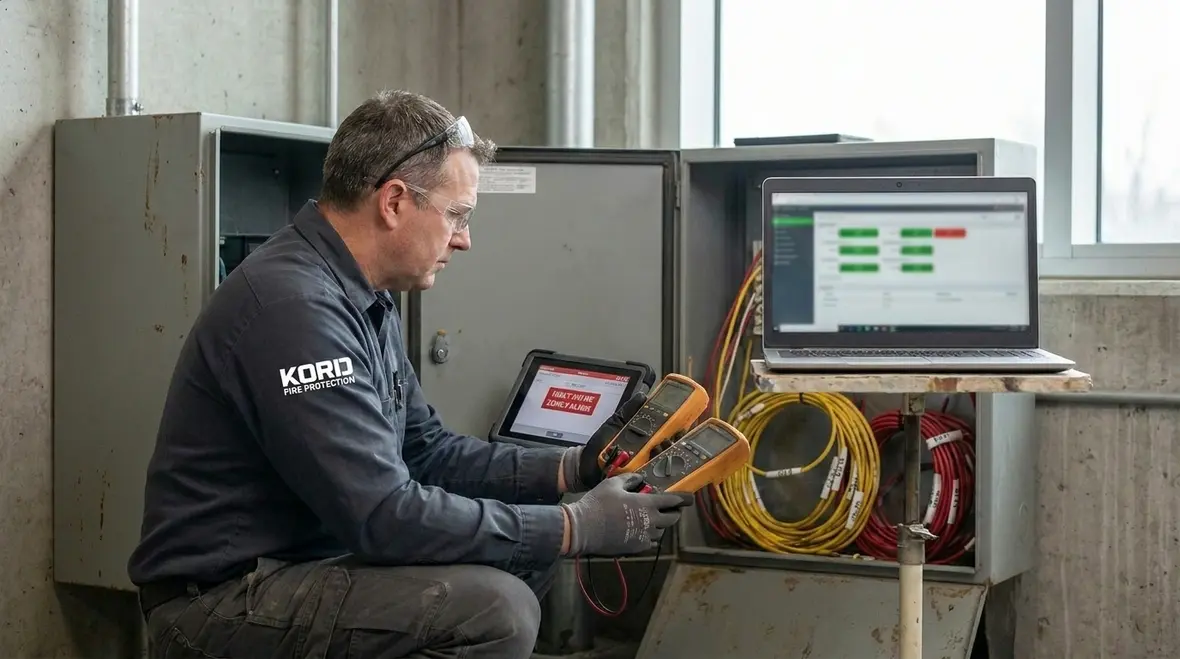
During scheduled service, technicians typically inspect device condition, confirm alarm and fault logs, verify panel status, and test outputs. They also check that notification appliances meet audibility and visual requirements at the designed positions.
Because the panel relies on device addressing and zone logic, technicians should review documentation each visit. If labels do not match the current layout, the system may still work, but response becomes slower. Kord Fire Protection technicians often focus on that gap, since real people respond to real labels during stressful moments.
Also, any time the building changes, the system should be reviewed. Tenant improvements, furniture layout changes, re-routing of cabling, or new mechanical equipment can affect detection and notification coverage. In addition, new construction can shift how smoke travels, which means detector placement and programming should be verified.
Finally, as software updates and panel configuration tools evolve, service teams should follow manufacturer guidance. That way, the panel maintains the behavior expected by the installed design and by local inspection requirements.
Relevant NFPA and Local Code Requirements for Fire Panels
Fire alarm systems operate inside a rule set, not just a preference list. Many projects reference NFPA standards, plus local adopted codes and amendments. Typically, NFPA 72 covers National Fire Alarm and Signaling Code requirements. In many jurisdictions, these rules shape how systems get designed, installed, tested, and maintained.
For building readiness, local fire codes often enforce NFPA 72 requirements alongside occupancy specific rules found in the adopted building code. In some regions, inspectors also require documentation such as as built drawings, device listings, and testing records.
Therefore, designers coordinate the final fire alarm panel design choices with code targets: zone arrangement, notification appliance types and locations, supervision levels, and testing schedules. Kord Fire Protection technicians commonly help teams prepare the paperwork inspectors expect, because an excellent system installed correctly still needs correct documentation.
Because local requirements vary by state and city, a qualified installer should confirm what the authority having jurisdiction expects before final sign off. That single step prevents last minute “fixes” that nobody enjoys, except maybe the cable pullers.
Dual Column Planning: Designing Zones, Outputs, and Response
To keep the system coherent, teams often plan the system in two tracks: where signals come from, and where they must go. Kord Fire Protection technicians commonly use a clear mapping approach during design, which supports better testing and faster troubleshooting later.
Inputs and Detection
- Create zones that match building layout.
- Select detector types for the environment.
- Address each device clearly for logs.
- Plan coverage so smoke and heat get detected early.
Outputs and Notification
- Set cause and effect logic for each scenario.
- Deliver audibility and visibility where people are.
- Coordinate door control and interfaces.
- Verify that escalation matches response plans.
FAQ: Quick Answers for Fire Alarm Panel Design
How We Can Use These Systems for Better Safety
When a facility commits to a strong design process, the whole system becomes easier to operate during emergencies and easier to maintain year to year. Therefore, we can use C-TEC panels alongside clear zone planning, correct appliance placement, and documented programming to improve reliability and reduce nuisance issues. Also, Kord Fire Protection technicians can help align cause and effect logic with real staff response plans, so the building reacts like it was meant to, not like it was improvised. And yes, that beats the “mystery beep” approach every time.
Conclusion: Call Kord Fire Protection for a Calm, Code-Smart Install
A well planned fire alarm system supports safe evacuation, quick identification, and stable operation. To get there, the right C-TEC panel configuration, the right detection layout, and the right notification coverage must work as one system. Kord Fire Protection technicians bring the design discipline, testing experience, and documentation focus that inspections require. If you are planning new work or upgrading an existing alarm system, reach out today. Let them walk the site, map the needs, and build a solution that stays dependable when it matters most.
Know Your Weapon Before You Fight the Flame
Kord Fire Protection is your go-to when it comes to all things fire protection. For over 20 years, we’ve been serving Southern California with the quality service and equipment to keep your home or business safe at all times. Our competitive prices reflect our unwavering commitment to protecting what matters most in the event of a fire emergency. Give us a call, send an email, or use that form!

Join Our Newsletter!
Get the latest fire safety tips delivered straight to your inbox From our Newsletter.